Category Archives: Psychological

Eraserhead (1977)

Eraserhead

By Richard Winters

My Rating: 6 out of 10

4-Word Review: Couple has deformed baby.

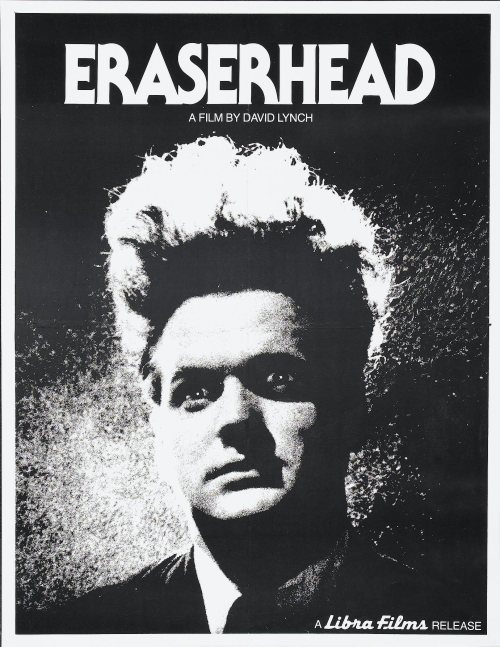
In David Lynch’s first feature length film, a movie that took almost 5 years to make and had a good deal of it financed by Sissy Spacek and her husband, we have a surreal almost cryptic-like tale detailing a lonely man named Henry (Jack Nance) and his ultimate descent into a madness as he is forced to take care of severely deformed child while also harboring the dark urge to kill it.

It is hard to say whether one can like or dislike this as it goes so far out of the conventional form of film narrative that it seemingly defies all genres and puts itself into a category all its own. On a sheer technical level it is quite impressive especially when you factor in its shoestring budget and array of production set-backs. Each scene is meticulously detailed with wild and unsettling imagery that on a purely visual level will be more than enough to leave an impact. Overall the film is cold, ugly and unyielding, but helped tremendously by Nance’s presence as a sort of detached everyman who seems as confused and aloof to his surroundings as the viewer.

To me the most jarring image is the baby, which is incredibly lifelike. Had it came off looking fake, or like some puppet or Claymation attempt the film would’ve been a failure, or deemed laughable, but this thing is freaky looking to the extreme and Lynch spares no expense in getting the camera close up to it, which could force some viewers to turn away. Supposedly it was made from the embalmed fetus of a calf, but no one knows for sure and the crew was forced to blind fold themselves when Lynch set it up, so the secret would never come out. Either way it is effective and it manages to move its eyes and mouth almost like it were real and coming off as far more authentic than any computerized effect.

Spoiler Alert!

Of course the most confounding thing about the film is its story and symbolism’s that can be interpreted in a million different ways depending on the viewer’s own perspective. For what it’s worth I’ll give you my interpretation, which isn’t that complicated. To me the deformed baby symbolizes Henry’s soul, which has been mangled by the soulless world that he lives in, which would explain why he is so extremely passive because he is simply a walking zombie. The scene where his head pops off and the ugly child’s head pops into its place only reinforces this. The lady that he sees in the radiator is an angel from heaven and the beautiful lady that lives across the hall from him is the devil who entices him with sex, but when she realizes he has no soul to take, just an ugly mangled remnant of one, which gets exposed to her when she sees him standing in the doorway, she quickly loses interest and moves onto someone else. When he finally kills the baby he is essentially killing himself, which then explains why he ends up in the final scene in heaven with the lady in the radiator.

The man in the planet that we see at the beginning represents Henry’s own subconscious as he quarrels within his mind at the thoughts of killing the child. The man could also represent the world at large and how it controls everyone with its levers, which when Henry finally kills himself they start to have sparks fly from them and the man struggles in containing them, which shows that Henry has now ‘broken free’ from the man and this world by taking his own life.

End of Spoiler Alert!

Some consider this a horror pic, but I found certain parts of it to be quite funny in a darkly humorous way particularly the segment where Henry goes to visit his girlfriend’s parents. To me the most horrifying thing about is the way it challenges the viewers to question their own morality by forcing them to face the difficult quandary or what they would do if put into the same situation as Henry and forced to care for a hideous looking baby that some would consider would be better off dead.

My Rating: 6 out of 10

Released: September 28, 1977

Runtime: 1Hour 29Minutes

Not Rated

Director: David Lynch

Studio: Libra Films International

Available: DVD (Criterion Collection), Amazon Instant Video
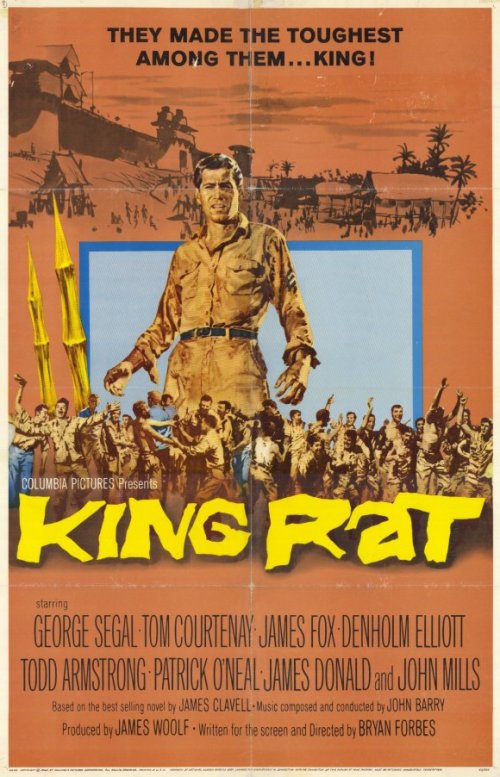
King Rat (1965)

king rat 1

By Richard Winters

My Rating: 6 out of 10

4-Word Review: An island prison camp.

British and American POWs are held on an Island prison camp run by the Japanese during WW II. This camp is unlike the others as it does not have any walls, barbed wire fences, or prison guards. The men are allowed to roam freely while trapped on a tiny island with nowhere to go. Corporal King (George Segal) manages to wheel-and-deal his way to the top of the food chain by getting involved with the underground black market, which allows him to live the relative good-life while the other prisoners remain near starvation. He befriends Marlowe (James Fox) who can speak the Malaysian language, which he feels can come in handy as he gets involved with a diamond smuggling operation as well as selling deer meat, which unbeknownst to his customers is actually meat from rats who’ve feed off of the bodies of the other dead prisoners.

To some extent one can find some similarities to this and The Great Escape or Stalag 17 in that the prisoners have managed to create their own underground network without their captors being aware, but that is pretty much where the comparisons end. This film is darker and examines more the psychological deterioration that the men go through while realizing its themselves and each other that is more the enemy than the actual Japanese guards who are shown very little and have no presence at the camp or in the movie.

Segal gives a star making performance as a anti-hero who could easily be quite unlikable, but Segal’s engaging on-screen persona gives the character an added spark making him and his constant conniving more amusing than anything particularly with the way he barters with the Malaysian guards during their discussions on the price of the transfer of diamonds.

The supporting cast is outstanding as well especially Fox as the only sympathetic character and Tom Courtenay as the overzealous Grey and his never-ending crusade to take King and his cronies down. James Donald is also good as the no-nonsense Dr. with a very matter-of-fact bedside manner and a young Richard Dawson who gets the shock of his life when he comes in after the Japanese surrender to free the men of their enslavement only to find that they’re strangely reluctant to leave.

The film works in episodic fashion and while it maintains a gritty level it also has some lulls and few too many shifts in tone. There are though many unique and memorable moments including the ending where the men find themselves free to return home, but respond much differently than you’d expect. There is also a scene where the men kill a dog after it attacks some chickens and then later eat it as if it were a delicacy.

My Rating: 6 out of 10

Released: October 27, 1965

Runtime: 2Hours 14Minutes

Not Rated

Director: Bryan Forbes

Studio: Columbia Pictures

Available: DVD, Amazon Instant Video

Mickey One (1965)

mickey one 1

By Richard Winters

My Rating: 6 out of 10

4-Word Review: Comic hides his identity.

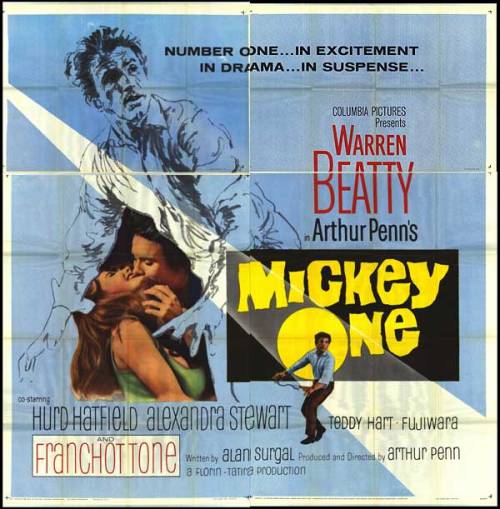
Warren Beatty plays a successful night club comic who’s living the good life until he falls into disfavor with the mob. He decides to go on the run by burning his social security card and getting a new one with a Russian name on it that is so hard to pronounce that everyone just calls him Mickey One. After spending time on the streets of Chicago he finally gets himself another gig at a club run by Ed Castle (Hurd Hatfield), but the better things get for Mickey the more paranoid he becomes convinced that he is being watched and followed at every turn and unable to relax for even a second.

This film marks the first pairing of Beatty and director Arthur Penn and their next project, Bonnie and Clyde, was a great success, but the results here are only so-so. The idea of trying to replicate the artsy French New Wave films of the late ‘50s and early 60s is intriguing, but poor pacing and a lack of consistent style hurts it. An early scene taking place inside an automobile junkyard has just the right combination of crisp editing and camerawork to give it an enticing visual quality, but then the film veers off into too many talky segments. It manages to recover at the end by giving the viewer a strong sense of the paranoia that the main character is feeling, but wide shifts in the film’s dramatic tone hurts it overall making this more of an interesting curio than a classic.

Beatty is okay, but he tends to be a bit too detached and his attempts at stand-up comedy are unfunny despite the many shots of audience members laughing. Hatfield is terrific in support and his presence significantly helps. Franchot Tone is also quite good in a part that features no lines of dialogue.

The film does have some unique and memorable moments. Tone’s strange art exhibit that he names the Yes Machine that he constructs on the ice rink of the Marina Towers is engaging particularly when he sets it on fire only to have it put out and ruined by the Chicago fire department. The best moment though is when Beatty tries to do a stand-up routine in an empty and darkened room with only a bright spotlight shining on him and a mysterious, unseen man sitting behind it, which has the perfect blend of mood and style and a scene I wished had been extended.

My Rating: 6 out of 10

Released: September 27, 1965

Runtime: 1Hour 32Minutes

Not Rated

Director: Arthur Penn

Studio: Columbia Pictures

Available: DVD-R, Amazon Instant Video

The Happiness Cage (1972)

mind snatchers

By Richard Winters

My Rating: 5 out of 10

4-Word Review: They control his mind.

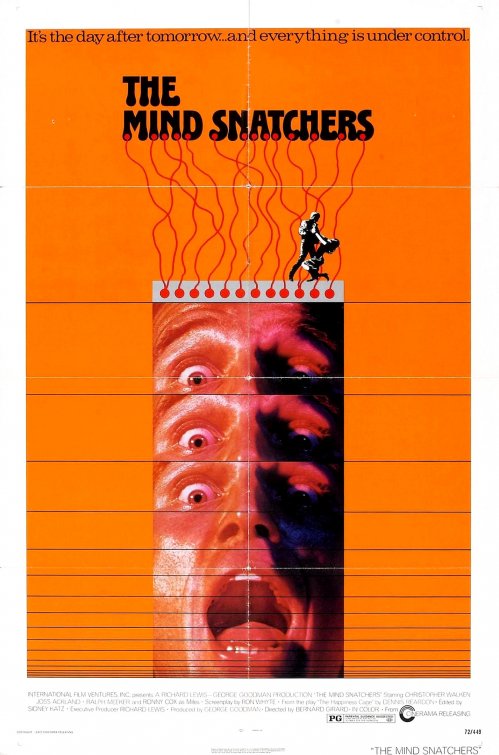
Christopher Walken plays James Reese a veteran of the Vietnam War who has issues with aggression. After numerous arrests he gets shipped off to a hospital in Europe run by Dr. Frederick (Joss Ackland) and overseen by a U.S. General (Ralph Meeker). There they do tests on the patients by implanting special devices into their brains that connects to their pleasure centers and can quell their aggressive behavior by having them feel a pleasurable sensation every time a button is pressed from a remote.

Walken’s performance is outstanding and Ronny Cox as his fellow patient is also quite good especially the part where he has the device implanted into his own brain, which turns him into a sad, pathetic, child-like state. Bette Henritze gives an interesting performance as well as a naïve, middle-aged nurse hired to make the patient’s stay more ‘happy’ by supplying them with books and board games only to be attacked and raped by Cox and then forced to play a game of checkers with him afterwards.

The story, which was based on a play by Dennis Reardon, certainly has its moments. In fact I was surprised how caught up into I got since the production values are close to appalling. The film was shot in Denmark in a building that looks like it was formerly a rundown mansion converted into a makeshift hospital for the sake of the movie. It all looks embarrassingly cheap and the idea of having a big hospital with a full-time staff and even a barbed wire fence and guard dogs, but only three patients is quite hard to believe.

Had the budget been bigger it might’ve been able to reach a broader audience. Bernard Girard’s direction is okay for the limitations that he was given, but the film’s faded, grainy stock and overall amateurish look becomes a turn off from the beginning and something that it cannot overcome. The plot itself is interesting, but the concept has been filmed before and with better results.

Alternate Title: The Mind Snatchers

My Rating: 5 out of 10

Released: June 28, 1972

Runtime: 1Hour 32Minutes

Rated PG

Director: Bernard Girard

Studio: Cinerama Releasing Corporation

Available: DVD, Amazon Instant Video

The Mafu Cage (1978)

Capture 66

By Richard Winters

My Rating: 3 out of 10

4-Word Review: Her sister is psycho.

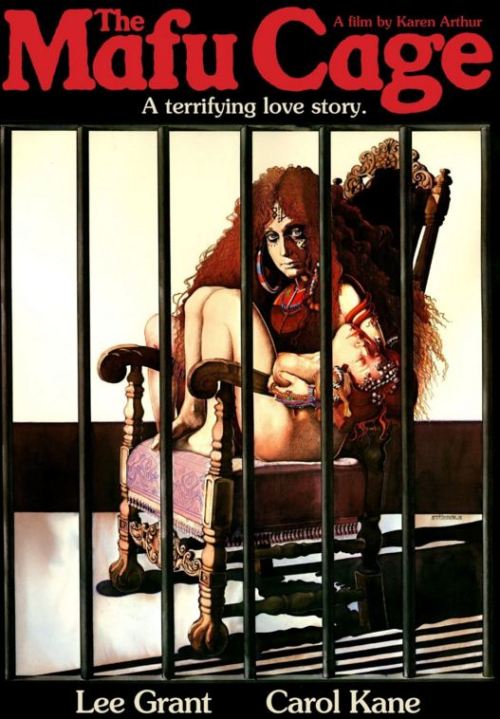
Ellen and Cissy (Lee Grant, Carol Kane) are two sisters living together in a dilapidated mansion, where they keep a pet ape named Mafu locked in a cage that sits in their living room. One day Ellen finds that Mafu has died so at the insistence of Cissy, who says she will kill herself unless they get another one, she goes to a local zoologist (Will Geer) and buys another. Things go well at first, but Cissy’s behavior becomes increasingly more erratic and she takes her frustrations and anger out on the new ape in abusive ways.

The film was directed by actress-turned-director Karen Arthur by a script written by Don Chastian who was another actor and based on a play by Eric Wesphal. I really wasn’t sure what these characters or this bizarre story was supposed to mean. I thought being the ‘70s and a female director that it would have symbolic connections to feminism or even lesbianism, which does get alluded to briefly, but overall the message is confusing and unfocused. The pacing is poor and about 10 minutes in I was already quite bored with it.

The only real saving grace is Kane’s presence who gives a startling performance as a psychotic woman. I had always admired her talent, but became even more impressed with her after seeing this. Her most amazing/bizarre moment is when she dresses up as an African warrior complete with red body paint and then later soaks in a tub filled with blood red water while carrying on an impromptu phone conversion with herself.

I had mixed feelings in regards to Grant whose age difference between Kane is 25 years making her look more like a mother figure than a sister. It was also hard to sympathize with her character as she refuses to have Cissy institutionalized or even examined by a mental health professional even though her behavior is dangerously erratic and only a completely irrational person would choose to ignore it or think that it will somehow ‘magically’ improve, which of course it doesn’t

The ape was the one performer that I enjoyed the most and fortunately a real one was used. The way the chimp responds to things and interacts with Kane are genuinely fascinating to watch and makes him a natural scene stealer without even trying. However, the part where she beats him with a metal chain is quite disturbing supposedly he was never actually hit and the credits do list an animal agency was present during filming and monitored it, but it’s difficult to watch nonetheless.

Patient viewers may find certain segments and imagery to be interesting and the film does improve a bit as it progresses, but overall it’s a weird curio that will leave most people indifferent and confused.

Alternate Title: Don’t Ring the Doorbell

My Rating: 3 out of 10

Released: December 1, 1978

Runtime: 1Hour 42Minutes

Rated R

Director: Karen Arthur

Studio: Clouds

Available: VHS, DVD


3 Women (1977)

3 women 1

By Richard Winters

My Rating: 6 out of 10

4-Word Review: Three women share bond.

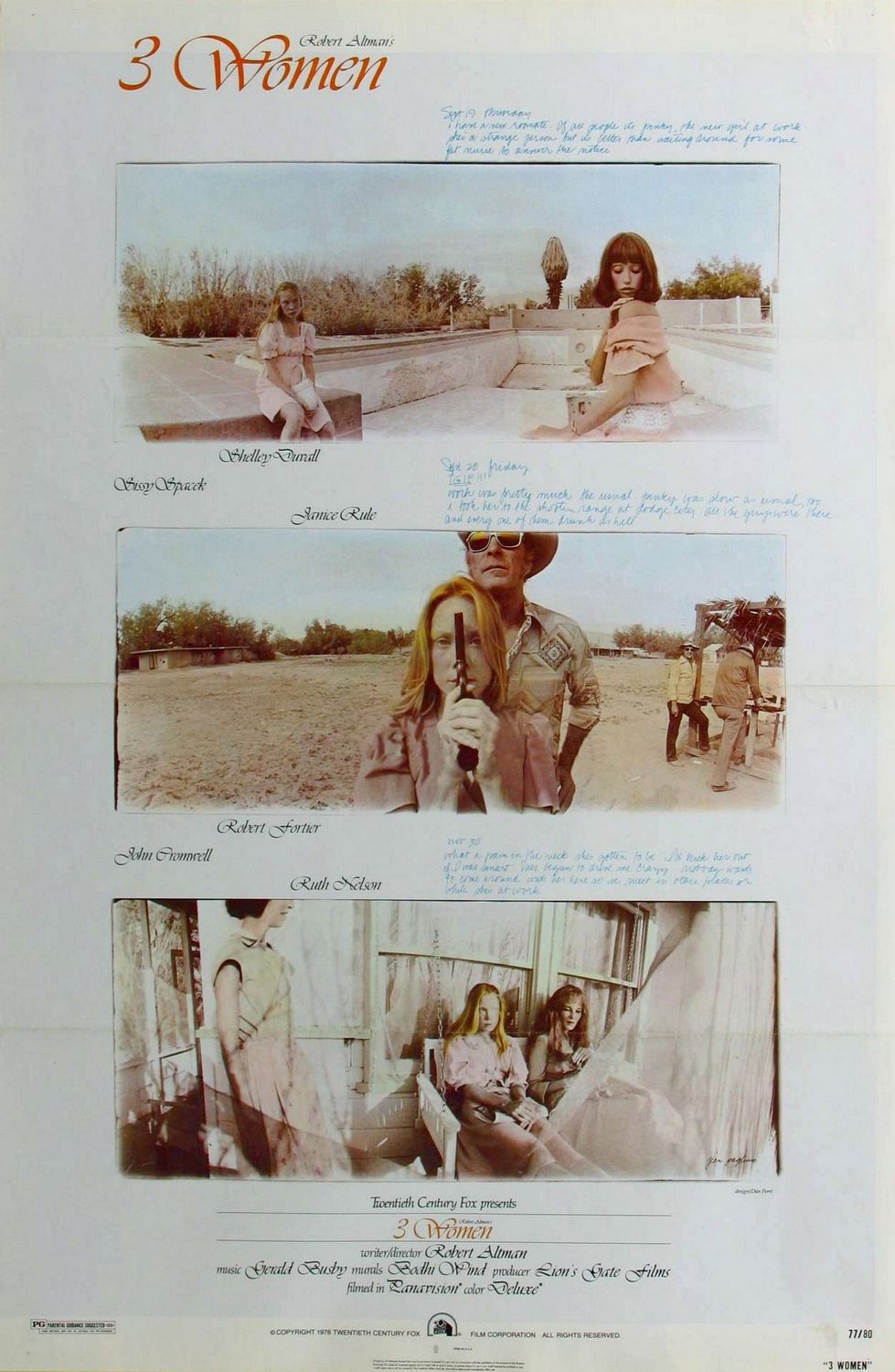
Pinky (Sissy Spacek) is a young woman still searching for an identity who gets a job at a senior health spa. She becomes attracted to one of the trainers there named Mille (Shelley Duvall) and when Millie posts a notice that she is looking for a roommate Pinky is the first to respond. Since Millie is quite lonely she initially enjoys the attention that Pinky gives her and her still adolescent tendencies coincides with Millie’s paternal ones. Things though turn rocky and when Millie kicks Pinky out of the apartment in a rage Pinky responds by attempting to commit suicide by drowning herself. After she is saved the two begin to switch identities with Pinky becoming more aggressive and snarky while Millie becomes the passive one. Their merging identities also includes Willie (Janice Rule) a pregnant bar owner whose provocative murals hold an entrancing grip on Pinky.

This cerebral film, which was produced without any type of script and based solely on some of Robert Altman’s dreams was made during the director’s heyday when he could literally get just about anything he wanted financed by a movie studio. In fact it was while driving to catch a plane that Altman told his traveling partner to stop off at the studio so he could pitch this idea to the them, which he assured him would only take ‘a few minutes’, which it did. Even though it became a critical darling it did poorly at the box office and was in and out of the theaters in a matter of a few weeks.

Overall I’m a big fan of Altman’s work, but found this one to run longer than needed with what seemed like a lot of extraneous dialogue much of which was ad-libbed by the performers. The idea that people can shift between being passive or aggressive at any given time depending on the circumstances is an interesting one and I certainly enjoyed the murals, which were made specifically for the film, but the appropriated title should’ve been ‘2 women’ instead of 3 as Rule’s character barely says anything and is hardly seen at all.

Spacek gives the best performance and in my opinion she was the best thing about the movie. Duvall is good too and it was entertaining to see her playing more of the grounded one as usually she’s cast as the kooky types. I also thought it was cool that both Duvall’s and Spacek’s characters where from the same hometown’s in Texas as the actresses were with Duvall’s being Houston and Spacek’s was Quitman.

It is also fun seeing Dennis Christopher in an early career role appearing late in the film as a delivery man. Altman also casts real-life couple John Cromwell and Ruth Nelson as Pinky’s parents. Both Cromwell, who is also the father of actor James Cromwell, and Nelson were blacklisted in the 50’s during the McCarthy era and in fact this marked Nelson’s first film appearance in 29 years.

The dream sequence is cool, but everything else comes off like a weak version of Persona, which was far superior. The surreal ending leaves too much open to personal interpretation, which was frustrating. I also thought it was dumb that Millie reads Pinky’s diary entries out loud like she is a second grader and they really should’ve had her do it as a voice-over. It was also the first childbirth I had ever seen were the baby comes out of the womb without an umbilical cord.

My Rating: 6 out of 10

Released: April 3, 1977

Runtime: 2Hours 4Minutes

Rated PG

Director: Robert Altman

Studio: 20th Century Fox

Available: VHS, DVD, Blu-ray, Amazon Instant Video

David Holzman’s Diary (1967)

david holzman 1

By Richard Winters

My Rating: 8 out of 10

4-Word Review: He records his life.

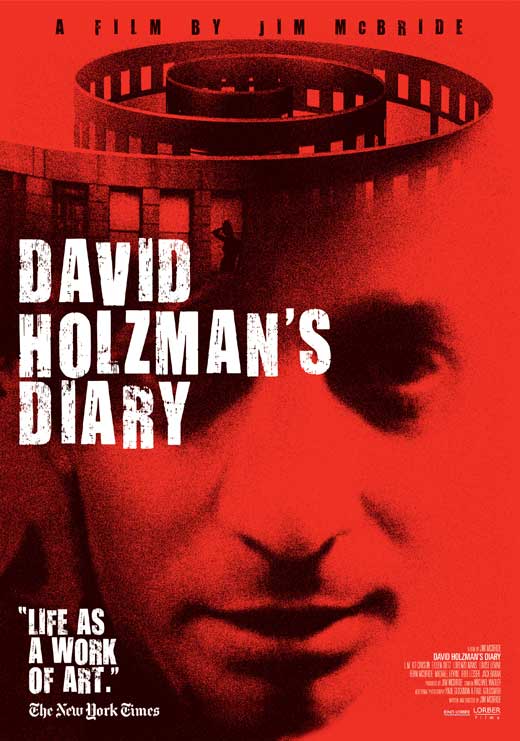
David (L.M. Kit Carson) is a young college-aged movie fan who wants to use the camera to not only record his life, but help him better understand and interpret reality. Unfortunately he finds that instead of clarifying things the camera instead brings out even more of reality’s complexities making his life and the world he is in even more confusing. It also inadvertently exposes a darker side to his personality that he wasn’t aware of which his voyeurism to both an attractive woman across the street as well as his live-in girlfriend Penny (Eileen Dietz) who eventually gets fed up with his film and him and moves out.

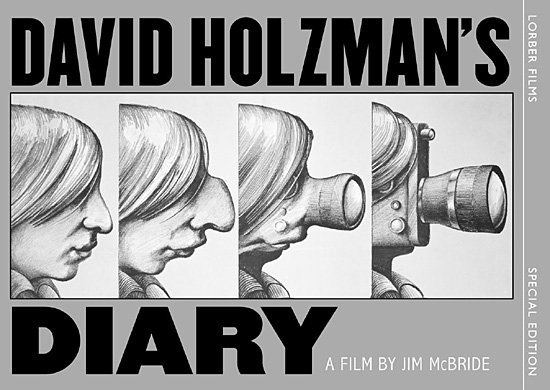
I realize the saying ‘ahead of its time’ can get a bit overused, but this is one case where that term really fits. This movie is cool on many different levels and features scenes and segments that you will never see done anywhere else. The Cinema verite style is perfect and I loved how the camera gets turned on itself as we are given a good background and visual to the type of camera that was used and why for its time was considered a cutting edge piece of machinery. The scene where he takes a shot of every image that he saw during a night of television viewing and then plays it back creating a mosaic of flashing images from shows and commercials is equally cool. The segment where he interviews a woman, which was apparently a man dressed in drag, but quite hard to tell, who stops her car in the middle of the street to tell him of her candid sexual desires while holding up traffic is quite amusing as is the part where he stalks a nervous lady from a subway car out onto the city streets.

The film also successfully transcends its time period. I have always said it is very easy to tell the time period or decade a movie was made usually after viewing it for only a few minutes, but this was one case where it is actually quite hard to tell. The detached, hip nature of the protagonist is still trendy and the film’s existential philosophical approach dealing with an artist’s need to recreate reality, but ultimately failing is as relevant today as ever. The loosely structured ad-libbed dialogue gives it a legitimate documentary feeling and was so believable that when audiences first viewed it during the 60’s they booed when they saw the closing credits and realized it had all been made-up. This was also the first American film to use the f-word and one of the first to feature full nudity, which is done by the attractive Dietz who later went on to play the face of the demon in the movie The Exorcist.

Although I saw this movie many years earlier and was already a big fan I watched it again during a special showing at the The Marchesa Theatre in Austin as a tribute to the film’s star who passed away in October of 2014. Afterwards many people got on stage to talk about how Carson had inspired them with their lives and careers and it included his son Hunter Carson as well as film director Guillermo del Toro who was probably the most entertaining.

If the film has any drawbacks it’s in the use of black frames that are shown in between shots where for several seconds the viewer will see no image at all and at times only a voice over. This might’ve been done for effect, but ends up giving it too much of an amateurish feel. There are also times when the camera stays too fixated on its subject making it look too much like talking heads with not enough cutaways or interesting camera angles. Overall though it’s still one-of-a-kind and worth checking out for a glimpse at experimental and original filmmaking at its purest.

david holzman 2

My Rating: 8 out of 10

Released: October 3, 1967

Runtime 1Hour 14Minutes

Not Rated

Director: Jim McBride

Studio: Direct Cinema Limited

Available: DVD, Blu-ray, Amazon Instant Video

Who is Harry Kellerman and Why Is He Saying Those Terrible Things About Me? (1971)

who is harry kellerman 2

By Richard Winters

My Rating: 4 out of 10

4-Word Review: Paranoid songwriter self-destructs.

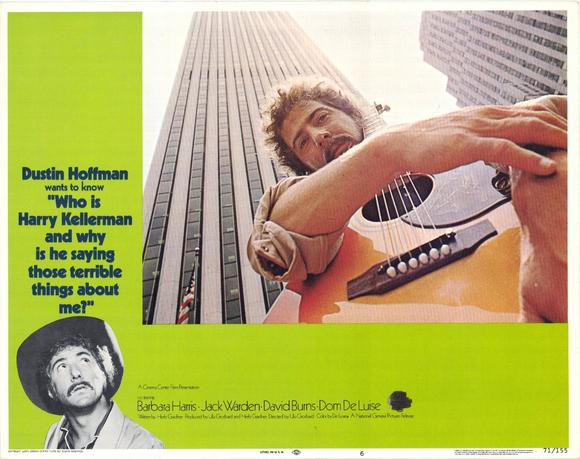
Georgie Soloway (Dustin Hoffman) is a successful songwriter who has written dozens of chart topping songs for different bands and yet feels alone and guilt ridden. He lives in his swanky Manhattan penthouse feeling paranoid after a man by the name of Harry Kellerman starts calling his friends and saying malicious things about him, which risks jeopardizing his career and reputation. He tells his problems to his psychiatrist (Jack Warden) while also searching for Kellerman, but makes no headway.

Story-wise the film is a misfire as Herb Gardner’s script has no discernable plot and a main character that doesn’t grow or evolve. Even if taken as a collection of vignettes it doesn’t work and it becomes more like a pointless one-man soliloquy instead. The final revelation of the mysterious Kellerman is not all that surprising or worth sitting through. Why the filmmakers thought viewers would be interested in watching a man essentially self-destruct for two hours is a mystery and it is as boring as it sounds. Besides it is hard for the average person to feel sorry for someone who seems to have it all and loaded with money and thus makes the character’s problems and issues seem quite minute and his perpetual whining overly monotonous.

The only thing that saves it is Ulu Grosbard’s creative direction. I enjoyed some of the surreal elements particularly those done during his sessions with his psychiatrist as well as a scene showing Georgie running through a long lighted tunnel that seems to have no end. The final segment done on a single-jet airplane is captivating especially as it flies through the clouds and watching two skiers’ glide through the snow from a bird’s-eye perspective has an equally mesmerizing effect. I also loved the way the film captures the New York skyline during a visual taken from the plane as it swoops over the city and a scene done in the early morning hours in downtown Manhattan without seemingly a single car driving on the street gives off a strangely unique feeling.

Barbara Harris, who doesn’t come on until the second half, is a scene stealer as an insecure actress who bombs at her audition, but then refuses to leave the stage. It was good enough to get her nominated for the Academy Award that year, but she lost out to Cloris Leachman and as much as I love Cloris Barb really should have won it as she is the one thing the enlivens this otherwise flat film and had her character been in it more this would have been a far better movie. David Burns, who died from a sudden heart attack while performing in a play three months before this film’s release, is touching as Georgie’s father.

Grosbard and Hoffman teamed up again seven years later for Straight Time, which is far superior and more worth your time to watch.

who is harry kellerman 3

My Rating: 4 out of 10

Released: June 15, 1971

Runtime: 1Hour 48Minutes

Rated R

Director: Ulu Grosbard

Studio: National General Pictures

Available: VHS, DVD

The Collector (1965)

the collector 2

By Richard Winters

My Rating: 8 out of 10

4-Word Review: Collecting women like butterflies.

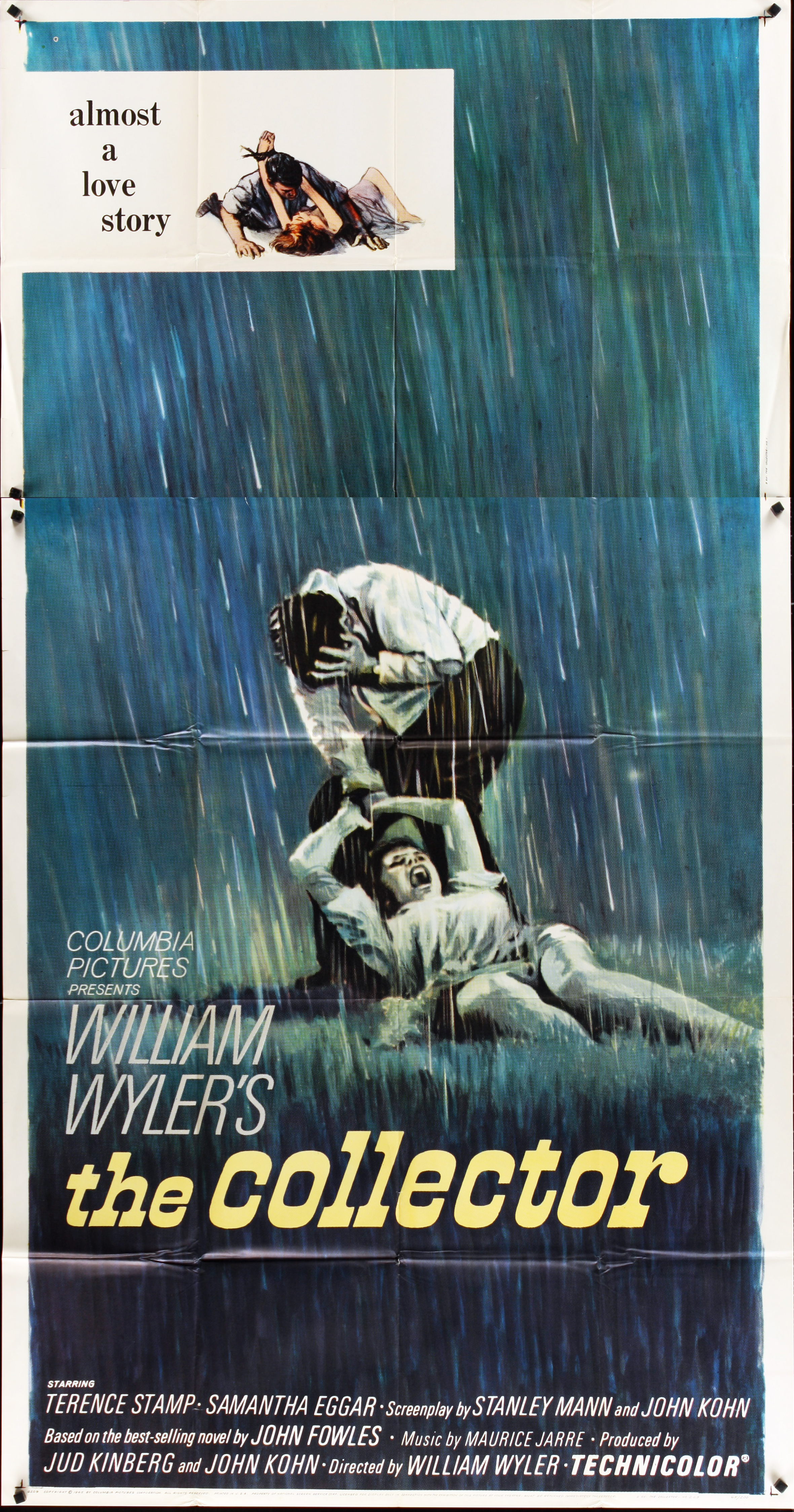
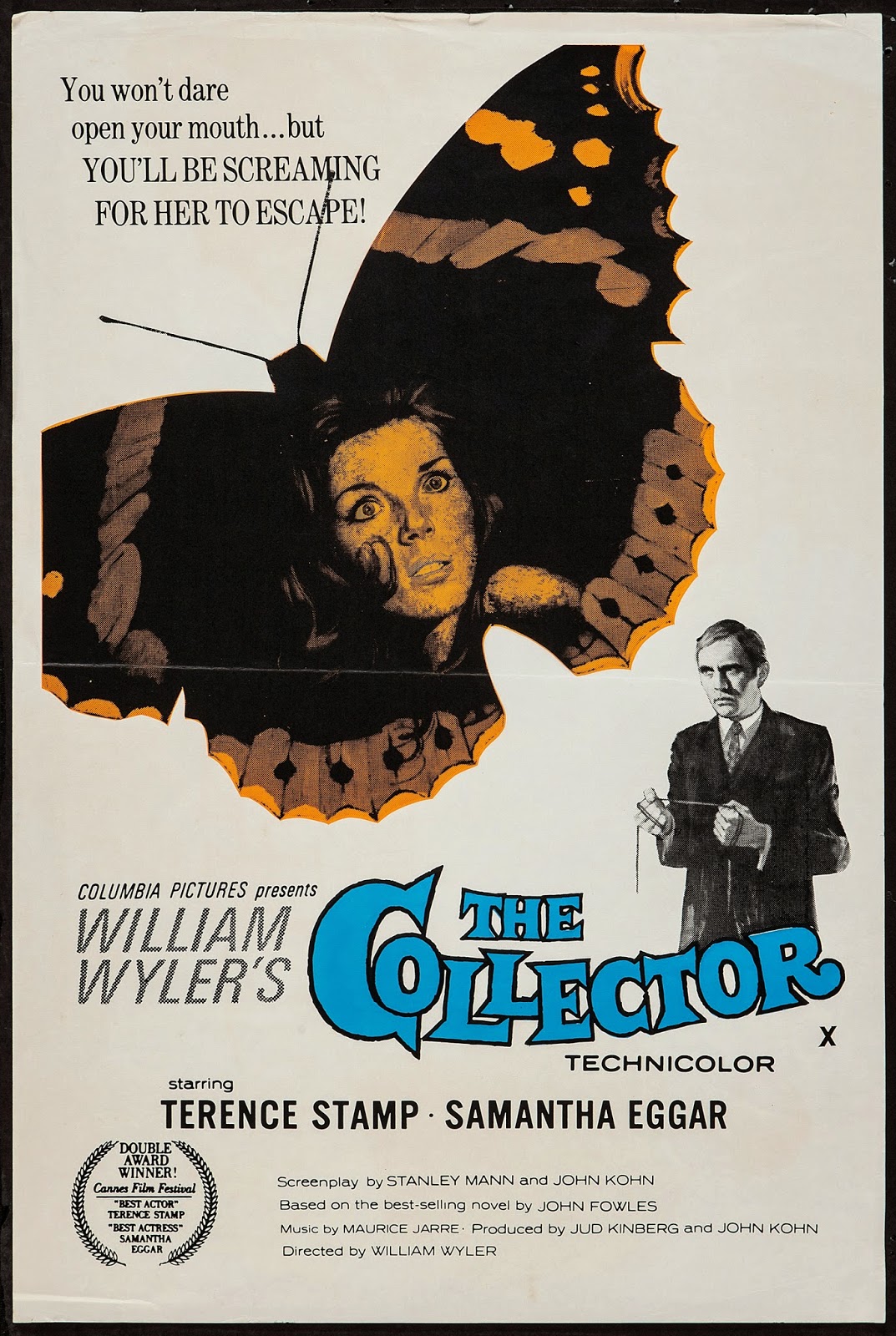
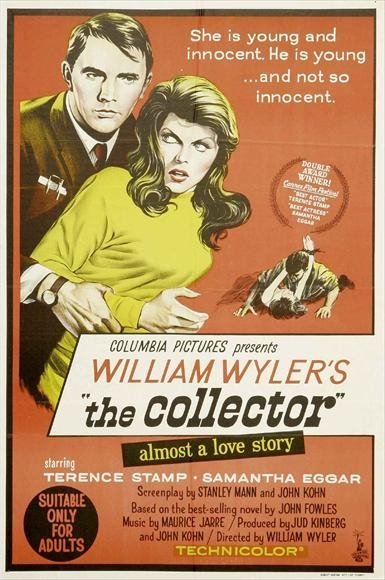
Freddie (Terence Stamp) is a withdrawn loner who collects butterflies for a hobby. One day he manages to win a lot of money in a football pool and uses it buy an old, isolated house in the English countryside. The place has a very large cellar, which gives him the idea that it can be used as a prison. It is then that he decides to kidnap beautiful art student Miranda (Samantha Eggar). He keeps her in the cellar, but fixes it up making it seem almost like an apartment. He treats her with the upmost respect and even knocks before entering her room. He buys her art supplies so she can continue her work and makes an agreement with her that he will let her go after 4-weeks, but hopes in between then that she will fall in love with him.

The film puts an interesting spin on the old ‘psycho kidnapping a beautiful woman’ theme and for the most part succeeds. The viewer ends up feeling almost as sorry for Freddie as they do his victim as it becomes clear that through his social awkwardness he is in even more of a prison than she. The way the two try to communicate and connect, which only ends up driving the them further apart is fascinating and their contrasting views about the book ‘Catcher in the Rye’ as well as the paintings of Picasso are equally revealing.

Stamp gives one of his greatest performances in his already illustrious career playing a character who weaves from being menacing to vulnerable and childlike. Eggar makes for an appealing victim and apparently turned Stamp down years earlier when he had asked for her date while the two were students in acting school.

the collector 4

William Wyler’s direction is perfect as he wisely decides to pull back without adding any unnecessary Hitchcock touches and thus allowing the interactions between the two characters to propel the film. His superimposed, colorful shots of butterflies seen over the closing credits are a nice added touch. My only minor grievance is the Maurice Jarre score, which seemed too melodic without enough of the dark foreboding undertones that music for a thriller should have.

If you’re looking for the conventional thriller you may be disappointed as the emphasis is more on the psychological than the suspenseful. There are a few good tense moments including Miranda’s final attempt to escape during a nighttime rain storm, but for the most part the compelling element comes from the way these two multi-layered people deal with each other and ultimately reveal things about themselves that they didn’t know existed. The story also makes an excellent point of how everyone to a certain degree is trapped in a prison and the challenging if not impossible effort it can sometimes be to bond with others especially when reaching across different social-economic lines. The only thing that does get ruined is the ending, which no longer has the novelty or shock value that it once did.

the collector 3

My Rating: 8 out of 10

Released: June 17, 1965

Runtime: 1Hour 59Minutes

Not Rated

Director: William Wyler

Studio: Columbia Pictures

Available: VHS, DVD, Blu-ray, Amazon Instant Video

Road Movie (1974)

road movie 3

By Richard Winters

My Rating: 8 out of 10

4-Word Review: Trucker and prostitute clash.

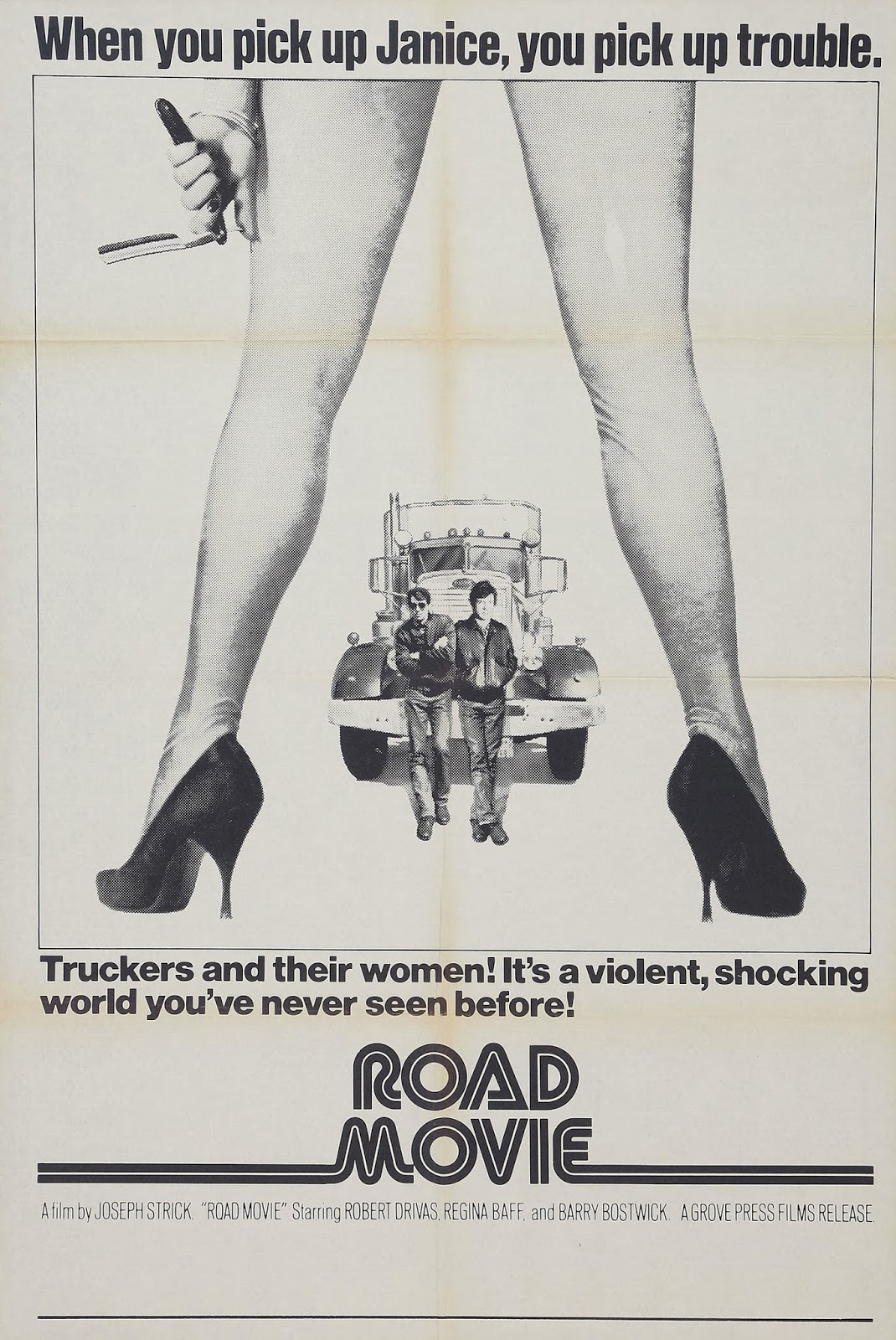
This is a captivating and interesting independent drama filmed on a shoestring budget and loosely based on director Joseph Strick’s own experiences while working one summer as a long haul driver. The story centers on Gil (Robert Drivas) and Hank (Barry Bostwick) a two-man truck driving team that pick up a prostitute named Janice (Regina Baff) who brings out unforeseen tensions and emotions.

The film is compact with characters and situations that are distinct and believable. It also gives the viewer a well-rounded look at the truck driving business and the tough, demanding job that it is.

Baff is convincing as a prostitute who isn’t pretty or educated, but sensible and street smart At times you feel sorry for her, but she proves to be quite a manipulative and shrewd when she has to.

Drivas, as the lead driver, is hardened, caustic, and controlling. He abuses the prostitute the way he feels life has abused him and thinks he can get away with it only to have her constantly outsmart him.

Unlike other road movies the scenery shown along their travels is neither exotic nor beautiful. Instead we are treated to farm fields, factories, and small towns. It’s all the sights and sounds of a working class world as this is really more about the deceptive American dream than anything else. It craftily brings out what an elusive ideal that really is and how no one is ever as independent as they would like to be and ‘moving up’ in the world can be much more difficult than at first perceived.

Strick takes full advantage of his low budget limitations by infusing a type of grittiness that Hollywood rarely touches. The interactions between the characters are interesting and the ending leaves a strong impression. For fans of obscure 70’s movies this one is worth seeking out.

road movie 2

My Rating: 8 out of 10

Released: February 3, 1974

Runtime: 1Hour 28Minutes

Rated R

Director: Joseph Strick

Studio: Laser Film Corporation

Available: DVD, Amazon Instant Video