Category Archives: Outdoors

Quest for Fire (1981)

quest for fire

By Richard Winters

My Rating: 6 out of 10

4-Word Review: Cavemen search of fire.

After their tribe is attacked by another one and their only source of fire put out three male members from the group (Everett McGill, Ron Pearlman, Nicholas Kadi) set out to find fire from somewhere else and bring it back to the others.  Their quest is not easy as they are forced to travel through harsh terrain, escape from man eating tigers, and fight off a tribe of cannibals. They also meet up with Ika (Rae Dawn Chong) who comes from a more advanced tribe where the members live in huts instead of caves and who also harbors the secret to starting a fire, which she just might share with the others.

Filmed on-location in Canada, Scotland, and Kenya this film brings to life the true nature of prehistoric times in vivid detail and better than any other movie that has dealt with the same subject. The male actors were fitted with masks that gave them ape-like features and except for one brief moment there is no discernable line of dialogue and communication is spoken through grunts and groans as well as words not connected to modern day language. Some DVD issues do have subtitles, but to me this is taking the viewer out of the experience as the whole idea is to allow one a true sense of how things where like back then and therefore forcing one to try to understand things through the primitives means of communication during that period is the only way to do it and I’m thankful that the theatrical version and the streaming version that I saw did not offer them.

While I applaud the filmmaker’s commitment to keeping things close to the true form as possible and not willing to compromise it simply to make it more accessible to a mainstream audience I still found it to be confusing at spots and even at times boring. The opening battle between the two tribes seemed almost unintentionally funny and the loud, booming music played over most of the movie is a bit off-putting as there was clearly no music at the time of the setting, so silence or natural sounds would’ve kept it truer to the authentic tone.

There is also a scene where the men come upon the remains of some meat left from another tribe. The men are hungry and begin eating the remains only to realize that what they are chewing on is human flesh, which sickens them and they spit it out, but I wasn’t so sure that genuine Neanderthals such as the ones portrayed here would be so ‘civilized’ and instead more concerned with simply satisfying their hunger needs.

Rae Dawn Chong’s presence is a major plus and the movie gets more interesting when her character appears. She remains fully nude at all times while covered in body paint, but isn’t as erotic as you might think. The scene where she gets raped by the men late at night is brutal, but authentic to the animalistic level that I would assume sex would be approached with during that time period. The way her character ends up bonding and even forming a romantic attachment to the one of them as the film progresses is genuinely touching.

The film has a lot of lulls and may be just too unique for some. I found myself intrigued at certain parts and bored at others, but the scene where the men watch in amazement when Chong creates a fire for the first time is a surprisingly exhilarating moment where the viewer feels the same emotion that people back then must’ve felt, which to be able to convey such a feeling to a modern audience is an achievement in itself and a sign of astute filmmaking at its finest.

My Rating: 6 out of 10

Released: December 16, 1981

Runtime: 1Hour 40Minutes

Rated R

Director: Jean-Jacques Annaud

Studio: 20th Century Fox

Available: DVD, Blu-ray, Amazon Instant Video, YouTube
The Flight of the Phoenix (1965)

flight of the phoenix 1

By Richard Winters

My Rating: 8 out of 10

4-Word Review:  Fighting the desert elements.

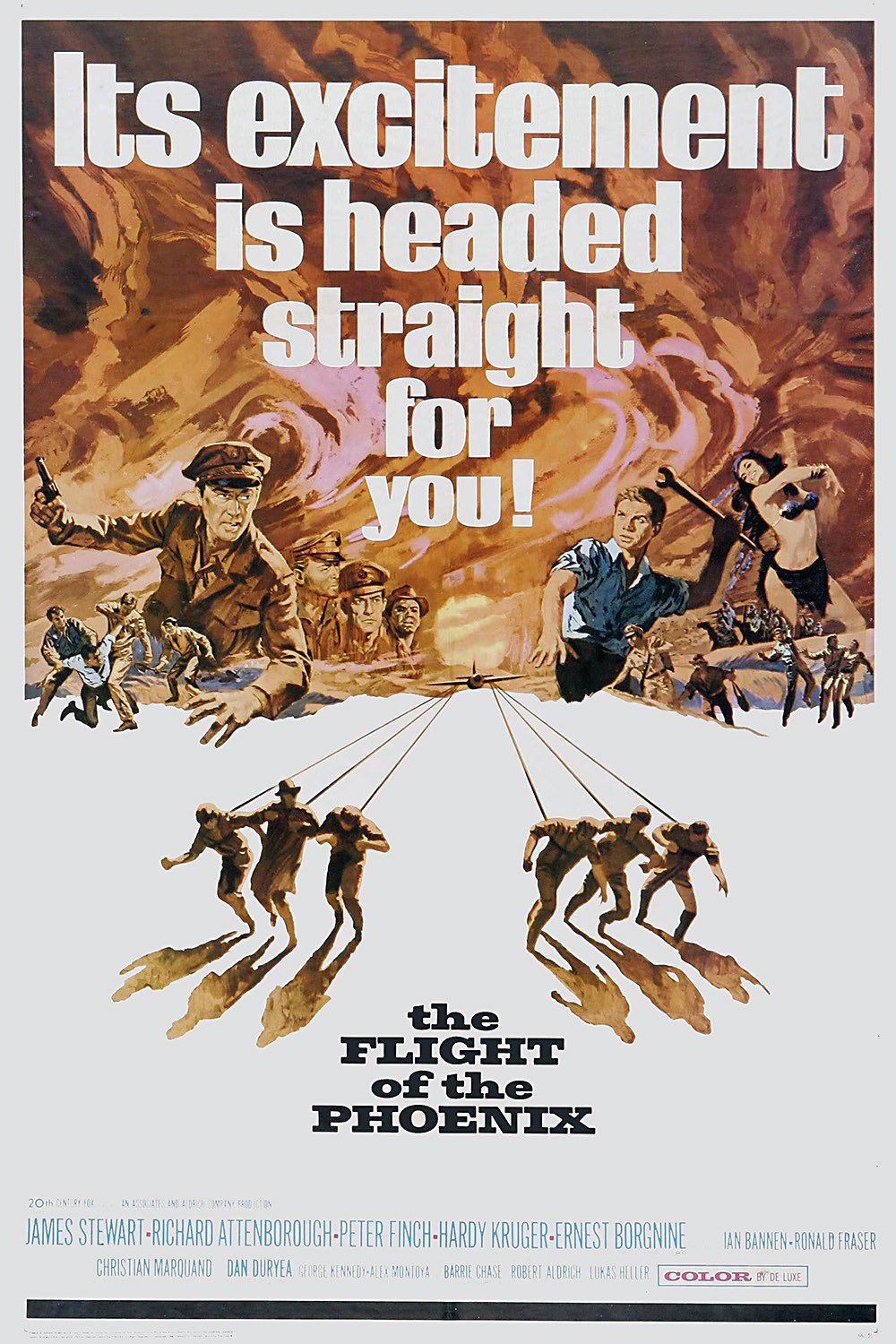
A cargo plane flying to Benghazi and piloted by Frank Towns (James Stewart) is forced to make a crash landing in the middle of the Sahara desert when a freak sand storm shuts down the plane’s engines. Of the 14 men on board two are killed instantly when several oil drums break loose during the crash which also injures a third. The rest of the men find themselves stranded in the searing heat with only dates as their food and a 2 week supply of water. The radio communication was destroyed during the crash and they are too far off their main route for anyone to find them. One of the passengers, Heinrich Dorfmann (Hardy Kruger) who works as a plane designer believes he has a way to take what’s left of the wreckage and build it into a new plane, which will then be able to fly the men out of there. Initially everyone else is skeptical, but eventually they begin working during the night to put it together while continuing to fight the elements and themselves in the process.

What makes this film stand out from the rest of the epic adventures is the fact that there is no good guy versus bad guy here. Every one of the individuals has their own unique character flaws and must learn to overcome them and their egos in order to work together as a team. The characterizations are realistic and multi-faceted making their conflicts believable from start to finish and helping to create a story that is gripping on both an adventure level and a psychological one.

Stewart is outstanding in the lead and I enjoyed seeing him play a part that is cynical and savvy and with less of the humble, country boy charm that he is known for. Kruger is solid in support and watching his confrontations with Stewart and then their eventual respect for each is the film’s main highlight. Richard Attenborough is also good as the sort-of moderator between the two and I also enjoyed Peter Finch as the brave and honorable Captain as well as Ronald Fraser as his sergeant who doesn’t quite share his same courage or sense of duty.

I was disappointed to some extent that it wasn’t filmed on-location in the Sahara and instead in Arizona and California although the desert locales look authentic enough even though eventually after two hours it becomes monotonous visually. Director Robert Aldrich keeps things believable including having the men visibly slow down physically as the days wear on as well as growing beards, which is something that sometimes gets overlooked in other stranded dramas although I was still confused why the Finch character formed a goatee instead of a full beard.

The climactic sequence is both nerve-wracking and exhilarating particularly the scene where Stewart tries to start the plane with only 7 cartridges remaining and with each one failing. Whether the logistics of this could actually occur is a big question, but it still remains grand entertainment.

flight of the phoenix 2

My Rating: 8 out of 10

Released: December 15, 1965

Runtime: 2Hours 22Minutes

Not Rated

Director: Robert Aldrich

Studio: 20th Century Fox

Available: VHS, DVD

The Great Waldo Pepper (1975)

great waldo pepper 1

By Richard Winters

My Rating: 7 out of 10

4-Word Review: Flying the unfriendly skies.

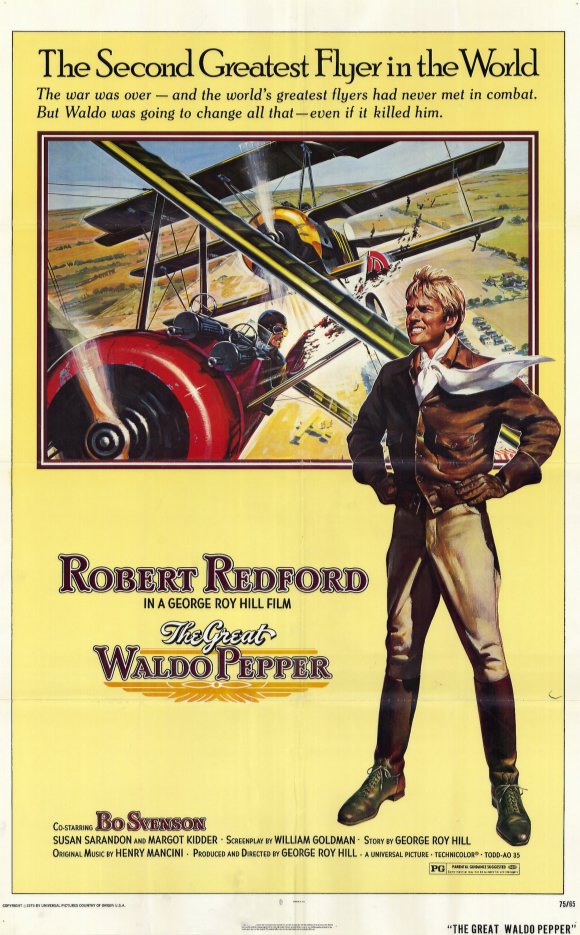
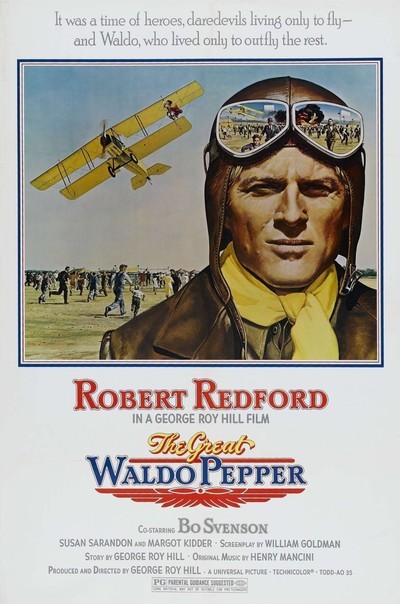
Waldo Pepper (Robert Redford) makes a living traveling the Midwest during the 1920’s and giving rides on his biplane to the eager public of the small towns that he goes through as well as doing airplane stunts at aerial shows. He misses his years during WWI when he was a fighter pilot trying to take on the German flying ace Ernest Kessler (Bo Brundin). Later when Pepper is grounded and can no longer fly legally he gets a job as a stunt man in Hollywood. It is there that he meets Kessler who is now working as a consultant on a movie about his flying days and the two agree to relive their war battle by having a duel to the death in the skies.

The aerial footage is the film’s greatest asset and it is amazing particularly since the actors did all their own stunt work and without any type of protection. When we see actor Bo Svenson walk out onto the wing of the plane while in midair and even fall through it it’s all real and it makes you hold your breath. The scene where Redford flies his plane underneath another one in an attempt to save Susan Sarandon who has walked out onto the wing and then unable to come back is equally nerve-wracking.

great waldo pepper 3

The film’s biggest fault and probably the reason why this big budgeted picture became an unexpected box office flop is because its unable to retain the breezy fun loving atmosphere of Redford’s and Hill’s two earlier collaborations. The film starts out amusingly enough, but then becomes quite serious when it features two deaths. The first one is good because it is completely unexpected and hits home the fact that stunt flying can have a dangerous side, but then the film has another death occur just 10 minutes later and it’s far more gruesome and drawn out while sucking all the lightheartedness out, which it’s never able to recover from.

I’ve never been overly impressed with Redford as an actor. Sure he’s great looking and competent at times, but he always has too much of a laid back persona and unable to ever show any intensity even though he did manage to grow on me more as the film progressed. The supporting cast of Svenson, Philip Bruns and a young Susan Sarandon fare better and help keep the film afloat.

The third act where Waldo meets his idol only to find that the man isn’t quite as successful or exciting when he is on the ground as he was in the air is where the film gels as it makes some strong points about our culture’s need for hero worship and their climactic aerial duel is both thrilling and amusing.

great waldo pepper 2

My Rating: 7 out of 10

Released: March 13, 1975

Runtime: 1Hour 47Minutes

Rated PG

Director: George Roy Hill

Studio: Universal

Available: VHS, DVD, Amazon Instant Video, YouTube
The White Dawn (1974)

white dawn 2

By Richard Winters

My Rating: 5 out of 10

4-Word Review: Trapped in the artic.

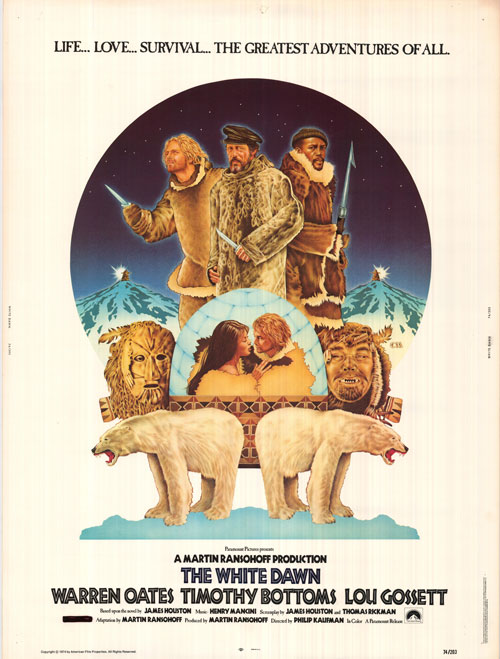
In 1896 three whalers inadvertently become lost from the rest of their crew and stranded all alone on an artic island. There is Billy (Warren Oates) who is the impulsive and belligerent one of the bunch and Daggett (Timothy Bottoms) who is more quiet and introspective as well as Portagee (Louis Gossett Jr.). After wandering in the snow and cold for many days they finally come upon an Eskimo tribe who takes them in with food and shelter. The men though never seem to fully appreciate what the Eskimos have done for them while at times even exploiting their kindness, which eventually leads to tensions from both sides.

Filmed on-location on Baffin Island in northern Canada it is based on the novel ‘The White Dawn: An Eskimo Saga’ by James Houston who also wrote the screenplay. He lived with the Inuit people during the 50’s and 60 and helped spread their art and culture to the rest of the world. The film though doesn’t seem all that revealing. Much of what happens is rather predictable and with scenes that tend to ramble. There are also other moments that are a bit bizarre like the scene during a celebration where two girls take off their shirts and then lock lips and proceed to blow air into each other’s mouths at an accelerated rate that might’ve been more interesting had it been explained what exactly they were doing and why.

The characters are dull and transparent in Oates’ case genuinely unlikable. The Eskimos lack any individual distinction and most viewers will fail to find themselves emotionally attached to anyone onscreen. The film probably would’ve worked better had it been a smaller tribe and just one person that they had rescued.

There are also a lot of scenes featuring animal deaths and cruelty that may upset some viewers. On the one hand I liked that it kept things real and hunting is certainly a part of their culture especially at that time, but some of it does get graphic. One scene has the group grabbing a goose from different ends and then literally pulling it apart while later on they slaughter some walruses that are peacefully bathing in the sun.

The film’s dark ending is interesting and the time the three attempt to escape from the tribe by stealing one of their boats is also intriguing, but otherwise I was aloof with it most of the way. I admire the attempt of bringing the Eskimo culture to a wider audience and the film really isn’t a bad movie, but it’s not a particularly gripping either.

My Rating: 5 out of 10

Released: July 21, 1974

Runtime: 1Hour 50Minutes

Rated PG

Director: Phillip Kaufman

Studio: Paramount

Available: DVD, Amazon Instant Video

Soldier Blue (1970)

soldier blue 1

By Richard Winters

My Rating: 5 out of 10

4-Word Review: They massacre the Indians.

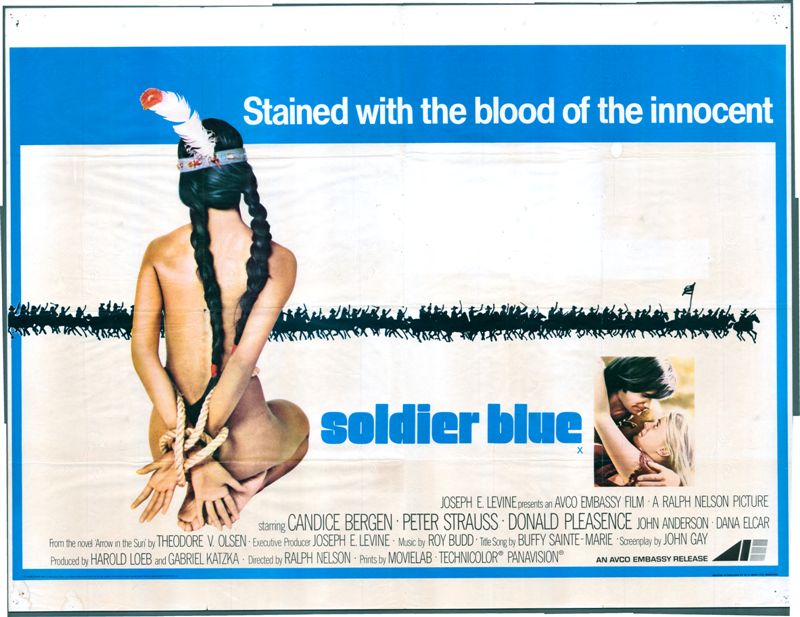
Two survivors of a Cheyenne Indian attack, the young and beautiful Cresta (Candice Bergen) and Honus (Peter Strauss) a private from the Calvary must travel through treacherous western terrain avoiding other attacks while also finding the Calvary’s base camp. Along the way the two start a romance despite wide differences in their temperaments and perspectives. Honus supports the position of his country and government without question while Cresta is more sympathetic to the Indians, but this all comes to a crashing halt when they witness an assault by the U.S. army on a peaceful Indian camp, which shocks Honus and changes his perspective on things forever.

The film is mainly known for its notoriously violent ending, which at the time was unprecedented for its use of explicitly savage imagery and remains controversial to this day, but before we get to that I’d like to go over what I did liked about the movie, which for the most part is still watchable.

Filmed in Mexico in October of 1969 the stunning views of the wide open terrain  is sumptuously captured by cinematographer Robert B. Hauser, which is enough to keep one enthralled with it despite its otherwise flimsy plot. I also enjoyed Buffy Sainte Marie’s rousing opening title tune, but the rest of the music score by Roy Budd seems misplaced. During the attack that starts out the film it is booming and orchestral almost like it wants to replicate the sound and mood of a conventional western even though this is supposedly a revisionist one. At other times it takes away from the potential grittiness by being played when it was not needed and sounding too modern for the time period.

Strauss in only his second film is marvelous and makes his naïve and rigid character believable and likable, but I was perplexed how someone lost in the wild for days and weeks and sometimes without food or even a gun could still remain clean shaven. Bergen as his female counterpart is great as well and beautiful. The fact that she is foul mouthed and very self-sufficient while Honas is more timid makes for a nice reversal of the sexual stereotypes, which helps propel the film during the first half. However, it eventually gets overplayed as Bergen’s character starts to display too many attitudes and behaviors from someone that was ahead-of-her-time until it seemed like she was really a late ‘60’s student radical that somehow got pulled into a western setting instead of a person that had actually lived during that era.

Donald Pleasence, a highly talented character actor who played many varied roles during his career, gets one of his best ones here while wearing false teeth that make him almost unrecognizable. His chase of the two when they destroy his wagon lends some much needed tension in what is otherwise a dull romance.

The Indian massacre that climaxes the film is based on the Sand Creek Massacre that occurred on November 29, 1864. Although the film incorrectly states during its denouncement that is was led by Nelson A. Mills it was actually U.S. Army Colonel John Chivington who ordered a band of 700 men to attack a peaceful Indian village where between 150 and 200 Indians were killed most of whom were women and children.

The film portrays Bergen’s character as being the only white person outraged at the slaughter, which isn’t true as many people from the era where appalled by the news when it was found out and the attack was condemned by the army after it was investigated.  Chivington was then forced to resign where he lived out the rest of his life in almost total ostracism by every community he moved to. There were also two officers in the Calvary who refused Chivington’s orders to attack and told the men under their command to hold their fire, which doesn’t get shown at all.

Although the movie does leave some effective haunting images it would’ve worked better had it been a documentary, or a reenactment that concentrated fully on the attack while also showing its aftermath and what lead up to it. It should’ve also been better researched, accurate and balanced instead of feeling the need to pander to the political fervor of its day with stagy over-the-top dramatics and a clumsily attempt to tie it into the My Lai Massacre that has forever stigmatized this as being nothing more than dated emotionally manipulative propaganda.

soldier blue 2

My Rating: 5 out of 10

Released: August 12, 1970

Runtime: 1Hour 55Minutes

Rated R

Director: Ralph Nelson

Studio: AVCO Embassy Pictures

Available: VHS, DVD, Blu-ray (Region 2), Amazon Instant Video, YouTube
Vanishing Point (1971)

vanishing point 1

By Richard Winters

My Rating: 7 out of 10

4-Word Review: Racing to San Francisco.

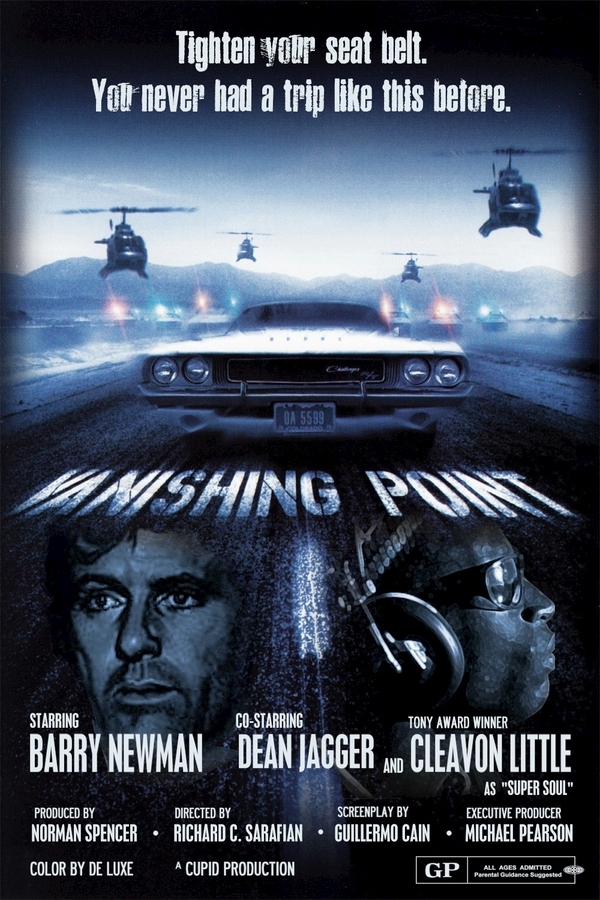
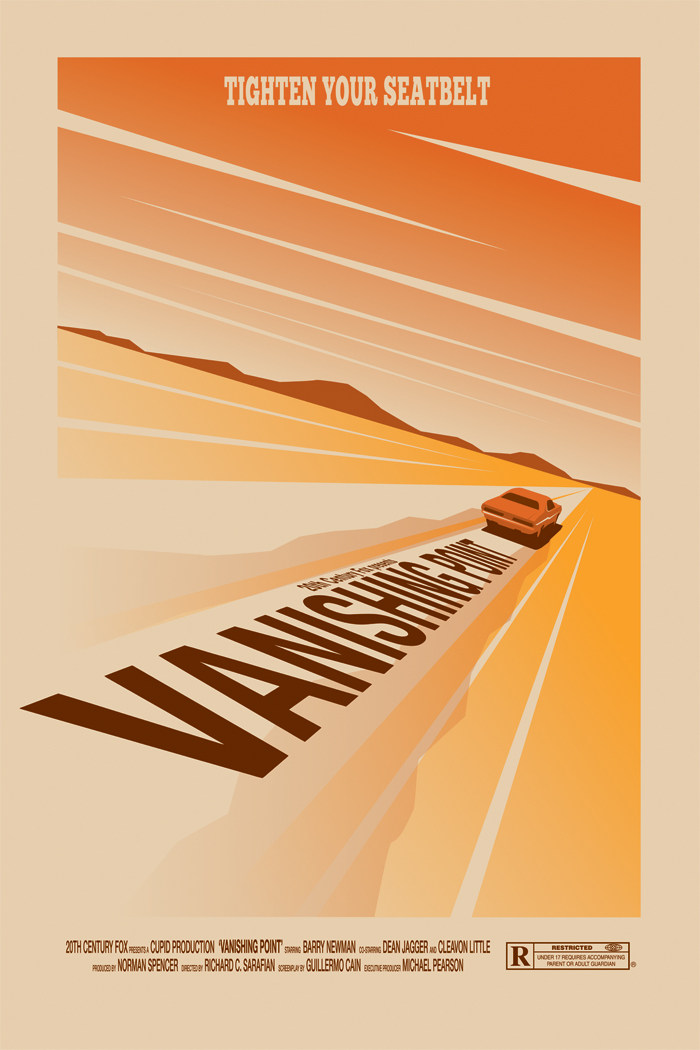
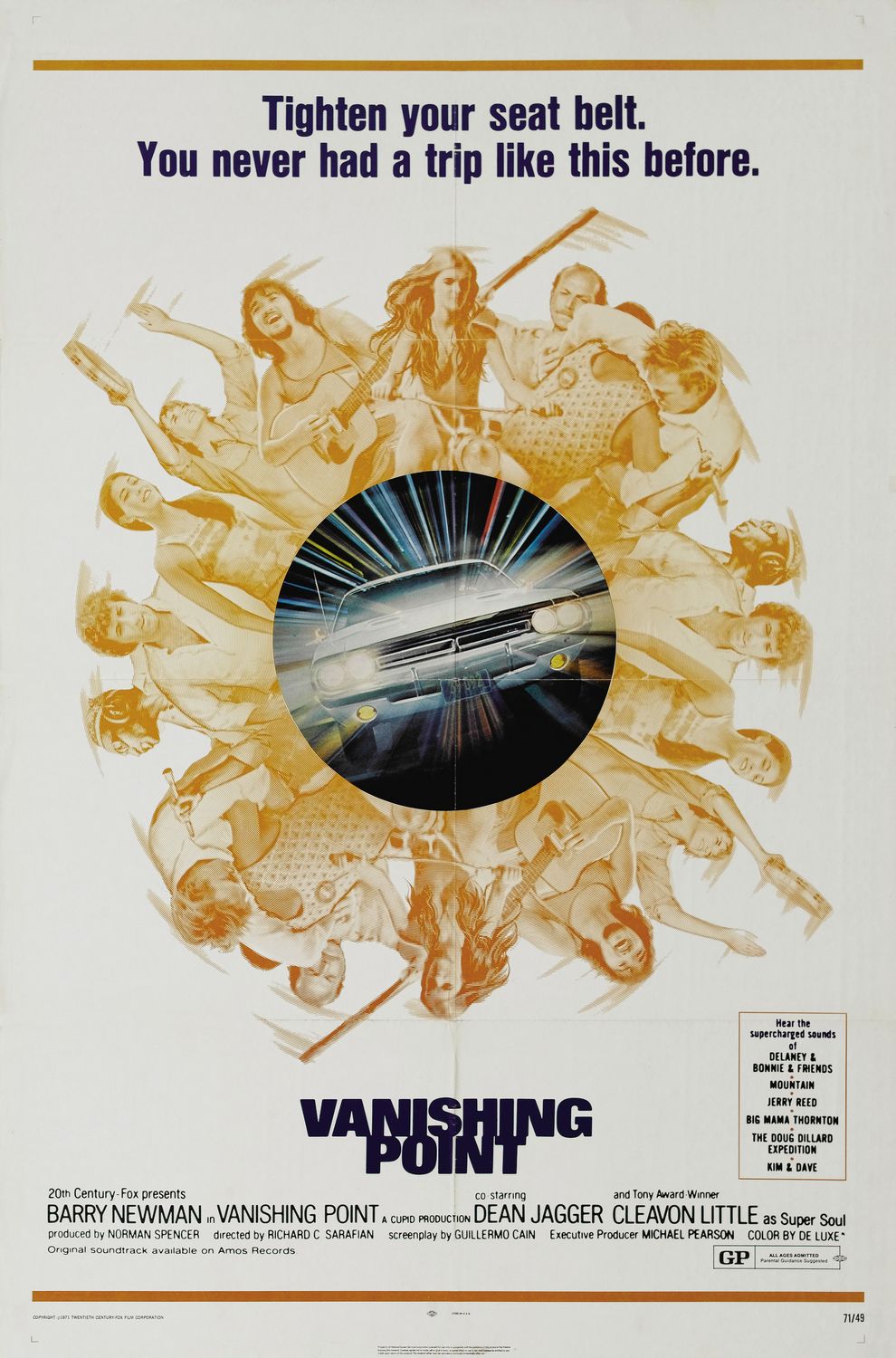
Kowalski (Barry Newman) is a car delivery driver whose next assignment has him driving a white Dodge Challenger R/T 440 Magnum from Denver to San Francisco. He is a former cop who seems disillusioned and detached from the world around him. To give his existence some meaning he decides to ‘challenge’ himself by making the delivery in record time and even makes a bet with a local drug dealer while purchasing some ‘uppers’ that he can get to San Francisco by 3:00 the next day. As his record drive proceeds he gets the attention of the local law enforcement from every state that he drives through, but none of them are able to stop him despite all efforts. He also attracts the attention of a local blind, black DJ named Super Soul (Cleavon Little) who has access to the police radio frequency and able to help Kowalski with his goal.

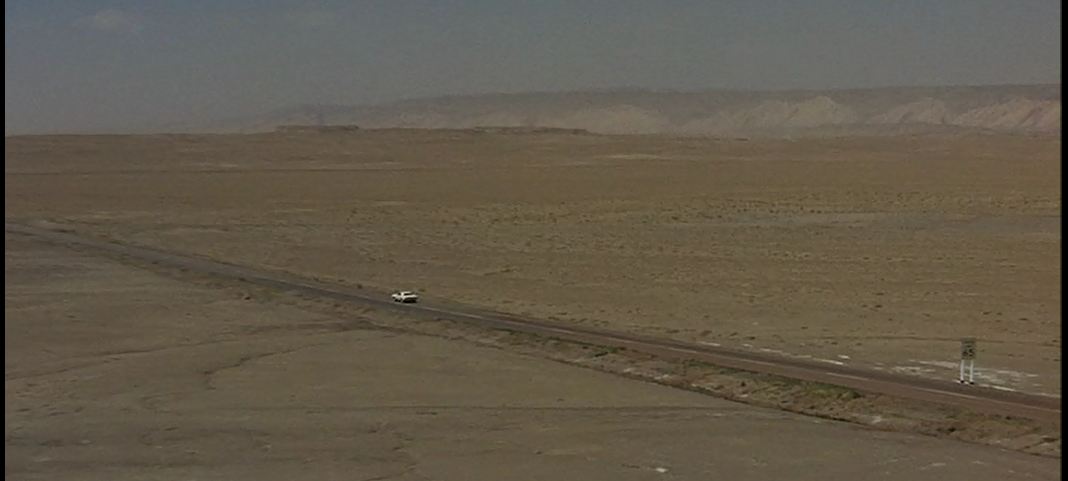
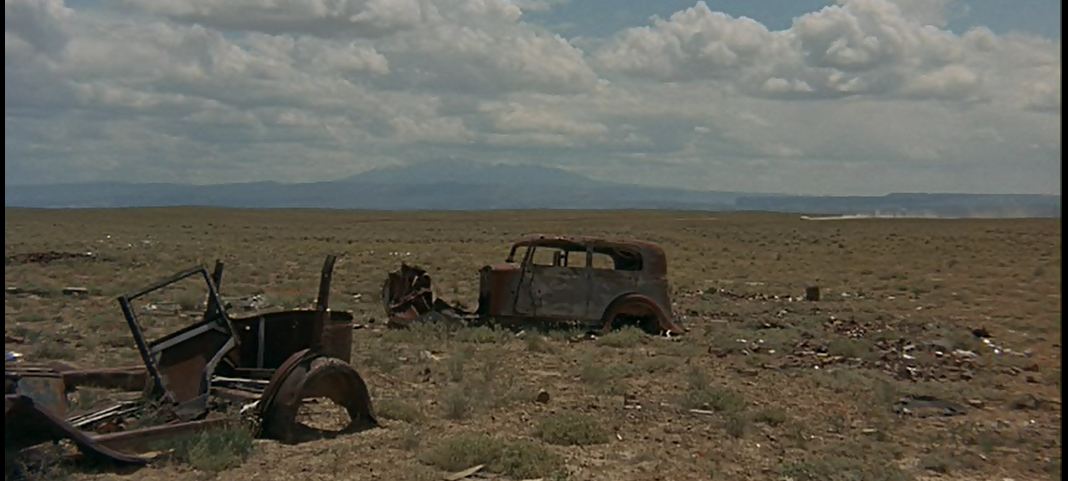
Richard C. Sarafain’s direction and John Alonzo’s cinematography are the real winners here. In fact my favorite scenes from this film are the long distance shots capturing the car driving along the lonely highways to the backdrop of the stunning western skies and its rugged, sandy landscape. This is a movie that will appeal to one’s emotional senses and bypass the need for logic. Certain things aren’t fully explained particularly Kowalski’s past, but the fact that it isn’t makes it more enjoyable. It’s the connection with his need for speed, escape and non-conformity that attracts us and it’s the adrenaline that propels the movie and viewer’s interest forward thus making this one of the quintessential road movies from its era or any other.

Capture 1


Capture 2

Newman seems an unusual casting choice as he really doesn’t have the dynamic star power or all that many lines of dialogue. He is also clearly in his mid-30’s for a part that seems better suited for some renegade, long haired 20-year-old, but in some ways his presence makes the movie more intriguing and distinctive by showing middle-aged people can have a dormant desire to rebel as well and sometimes even more so.

Little is terrific in what is probably the best performance of his career even though it seemed highly improbable and even ridiculous for a black DJ playing soul tunes at a radio station located in a small, isolated town inhabited by conservative, white, racist people. Severn Darden is edgy as a traveling evangelist and Dean Jagger is appealing as an old-time snake hunter. On the flip side of the 20th Century Fox DVD you can see the extended U.K. release that features a brief scene with Charlotte Rampling as a hitch-hiker. This sequence was intended to be allegorical, but really isn’t that impressive even though Rampling is quite attractive with her hair highlighted with blonde streaks.

Spoiler Warning!

The ending, which features Kowalski intentionally driving into some bulldozers parked in the middle of the road, which kills him instantly in a ball of flames, has proved through the years to be quite controversial and filled with many interpretations. I found it to symbolize Kowalski’s ultimate need for escape as he realized that he could never achieve the true freedom that he wanted, so he decided in a way to become a martyr and take his chances in another world beyond this one. The wry smile seen on his face just before he does it signifies the ‘fuck you’ that he gives to the authorities who are convinced that they finally have him cornered but really don’t. It also connects to the death of the counter-culture movement who by that time had realized that their dream of a utopian society filled with complete individual freedom and outside of mainstream control was never going to happen.

End of Spoiler Warning!

vanishing point 4


vanishing_point

My Rating: 7 out of 10

Released: January 15, 1971

Runtime:  1Hour 45Minutes (U.K. Version) 1Hour 39Minutes (U.S. Version)

Rated R

Director: Richard C. Sarafain

Studio: 20th Century Fox

Available: DVD, Blu-ray

Woodstock (1970)

woodstock 2

By Richard Winters

My Rating: 7 out of 10

4-Word Review: Love, peace and music.

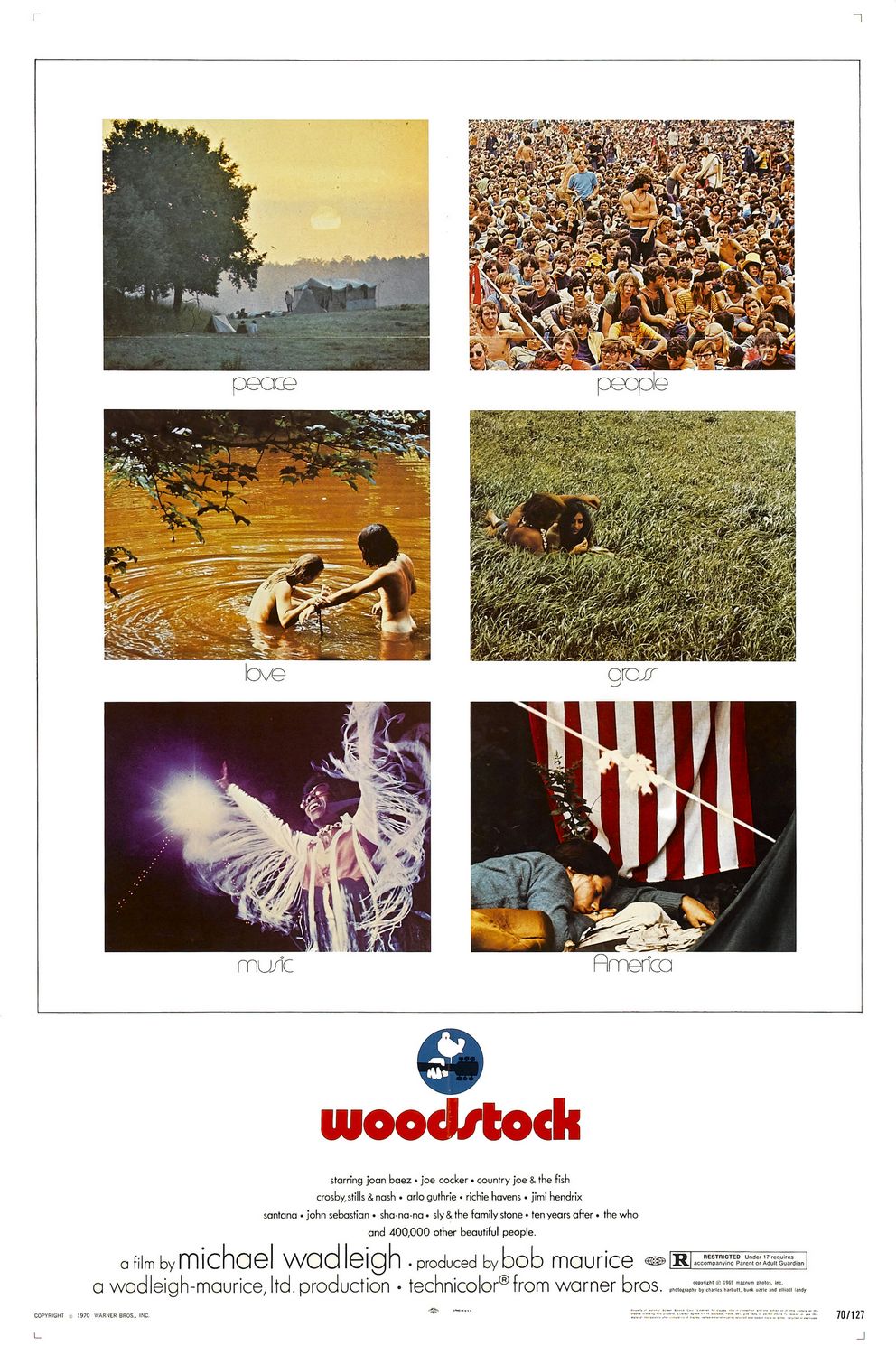
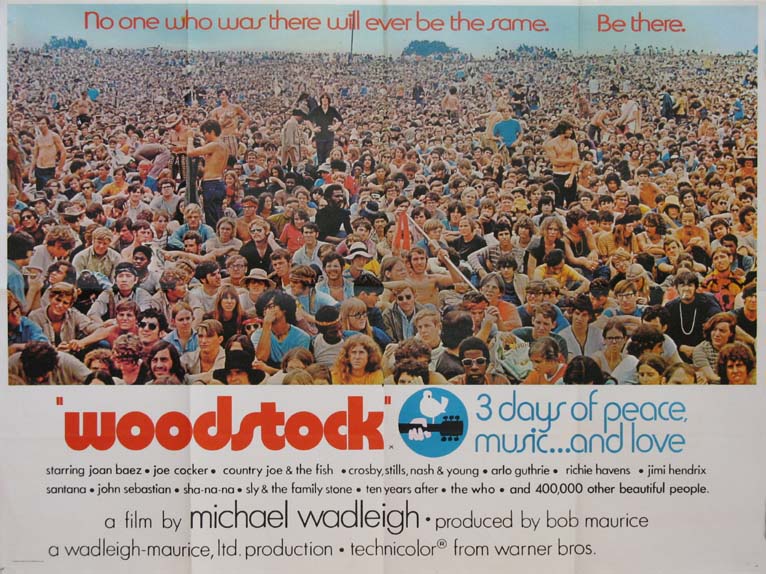
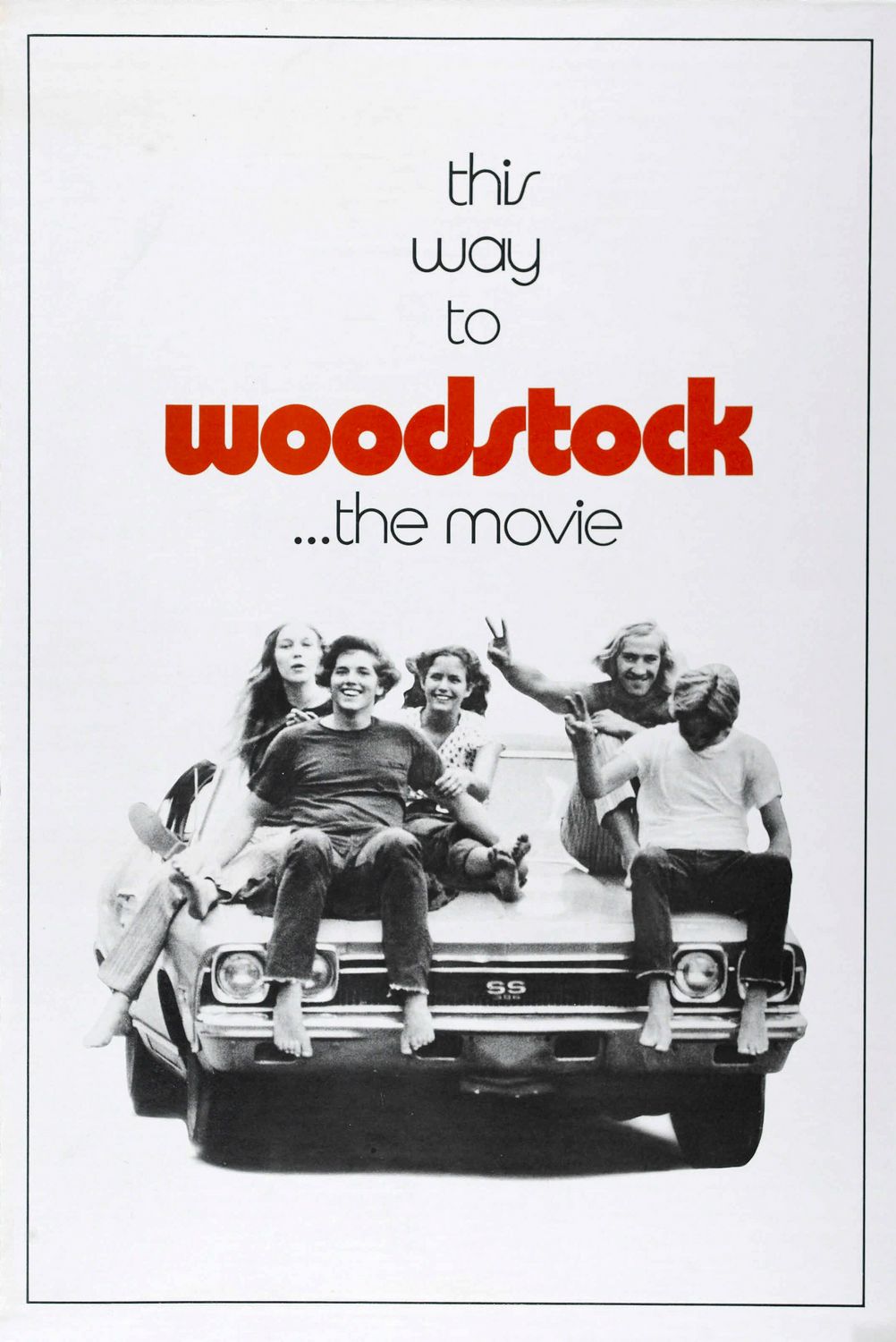
During August 15 – 18, 1969 Max Yasgur loaned out his 600 acre farm, which was near the town of Bethal, New York to some concert promoters for an epic 32-act rock extravaganza that has become the cornerstone for the counterculture movement and a major moment in Rock’N’Roll history. Although originally expected to attract only 50, 000 it ended up being more than 400,000 and this movie captures the mood, festivities, and music right up close.

Unlike most documentaries this film doesn’t just turn on the camera and then proceed to let things happen at a sometimes slow and boring pace. Instead it relies on a great use of editing done at the time by an unknown Martin Scorsese, which helps give the film a very polished and dramatic narrative. The dual screen setting allows the viewer to see two things at once and you are given a full view of the occasion as you watch not only the beginning as they construct the stage, but also the massive clean-up of all the debris left afterwards.

The music acts are captured perfectly as director Michael Wadleigh’s use of the camera nicely compliments the energy on stage with a variety of angles and quick cuts. In some ways you feel more connected with the music by watching it here than having been there in person as you are made to feel like you are right next to the performer as they are playing. One of the best moments is Richie Haven’s opening act where you see the broken strings on his guitar, the sweet glistening off his nose and saturating his back as well as a close-up of his mouth where he appears to have no teeth on his upper jaw. Janis Joplin who was known to have an incredible onstage energy is also memorable and is part of the added 45-minutes of the director’s cut. Country Joe Mcdonald is also memorable with his now famous ‘fuck cheer’ and ‘I-Feel-Like-I’m-Fixin’-to-Die Rag’, which comes complete with lyrics on the screen and a little bouncing ball.

woodstock 1

The film also features different elements than what you would find in most other concert movies including one segment that looks at the cleaning of the many port-o-potties as well as a long drawn out rain storm in which many of the concert goers’ end up sliding through the mud. There is another segment looking at the skinny dippers as well as all the naked children in attendance.

There are some good interviews spliced in although I wished there had been a few more. Some of the more interesting ones include those with the townspeople who despite reports to the contrary where actually excited about the event and supported ‘the kids’at least the ones seen here. I also liked hearing from the attendees as they lined up to take turns at calling their parents on pay phones. The only interview that I didn’t care for was of a young man who used the phrase ‘you know’ so numerously that it really got on my nerves.

The movie is quite long with the director’s cut being almost 4 hours in length and not all of the music acts shown including some of the better ones. However, the film is still quite electrifying and doesn’t end up seeming as long as it is. It is also so amazingly vivid that it gives you the feeling like you were there and something that only happened yesterday instead of forty-five years ago.

woodstock 4

My Rating: 7 out of 10

Released: March 26, 1970

Runtime: 3Hours 45Minutes (Director’s Cut)

Rated R

Studio: Warner Brothers

Director: Michael Wadleigh

Available: VHS, DVD, Blu-ray, Amazon Instant Video

Lord of the Flies (1963)

LOTF

By Richard Winters

My Rating: 8 out of 10

4-Word Review: Kids turn into savages.

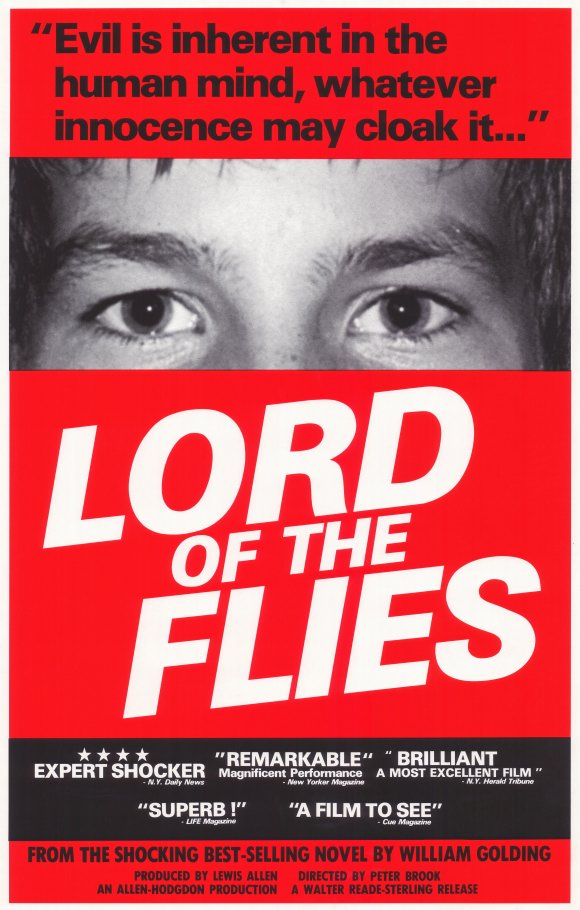
Based on the William Golding novel that has been required reading for most high school students. The story centers on a group of British schoolboys who survive a plane crash on an uninhabited tropical island. The boys are of varying ages, but none older than 14. Ralph (James Aubrey) is chosen as their leader, but finds almost immediate friction from Jack (Tom Chapin) who is an aggressive type that likes to hunt and doesn’t tolerate being told what to do. As things progress Jack breaks off from the main group and eventually starts his own following that comes to odds with Ralph’s. More and more of the boys join Jack and start to display savage behavior that leads to two deaths and puts the frightened Ralph on the run and into hiding.

It has been three decades since I’ve read the book, so I can’t really compare it with the film. The criticisms that I have are aimed solely at the film although as I remember the book had some of the same issues. One of the biggest ones is just the fact that there are so many survivors from a plane crash and all of them are conveniently the kids while all the adults perishing, which seems to play too much against the odds. There are also no scratches, bruises or injuries, which you usually come about with a crash even amongst those that survive it. Director Peter Brook does a clever job of intimating a plane disaster at the beginning over the opening credits through use of photographs, which I found to be creative, but showing an actual destroyed plane with kids getting out of it would have given it a little better foundation.

There is also another segment where the kids are convinced some sort of strange beast is on the island and as they go searching for it, it is found to a pilot in a helmet who was killed while trying to parachute to safety. Yet the kids don’t seem to realize this and remain frightened of it. I realize the setting is the 1940’s around the time of the war, but I would still think the kids of that time would have been sophisticated enough to recognize a dead man in a fighter helmet and the fact that they don’t seems pretty odd and even farfetched.

Overall though I really enjoyed the film and feel reluctant to watch the 1990 remake as I am afraid it would ruin the experience of this one.  It was filmed on-location off the island of Vieques in Puerto Rico during late August of 1961. The entire cast was made up of amateur actors who had not read the book. There was no actual script and the boys were allowed to ad-lib their lines, which helps give it an extra air of realism.

lord of the flies 1

I will admit there are shots where some of the boys look bored and detached from things, but then again I suppose boys that age can be that way anyways no matter what situation they are, so in some ways it doesn’t really hurt things. Hugh Edwards who plays Piggy is a real standout and apparently got the role simply by writing a letter to director Brook and informing him that he was fat and wore spectacles.

The black and white photography helps heighten the dark undertones. The shot showing a close-up of the pig’s head on top of a stake with flies’ going in and out of its mouth and nostrils is quite impressive and a brilliant realized moment from the book. The climatic sequence where Ralph must run through the burning foliage to escape the other boys is quite intense. The shot showing a dead boy’s body floating in the water under the moonlight has an evocative flair, but fake looking to the extent that the child was stabbed to death and yet has no visible wounds or blood coming out.

On the DVD commentary Brook states that he likes to believe something like this couldn’t happen. That we have somehow evolved enough as a human race where this savagery would be impossible, but I respectively this disagree. I think this could very well happen in this day and age which is what makes this an infinitely fascinating look at human nature and ultimately a great movie.

lord of the flies 3

My Rating: 8 out of 10

Released: August 13, 1963

Runtime: 1Hour 32Minutes

Not Rated

Director: Peter Brook

Studio: Continental Distributing

Available: VHS, DVD (Criterion Collection), Amazon Instant Video

Luggage of the Gods! (1983)

luggage of the gods

By Richard Winters

My Rating: 2 out of 10

4-Word Review: Cavemen find some luggage.

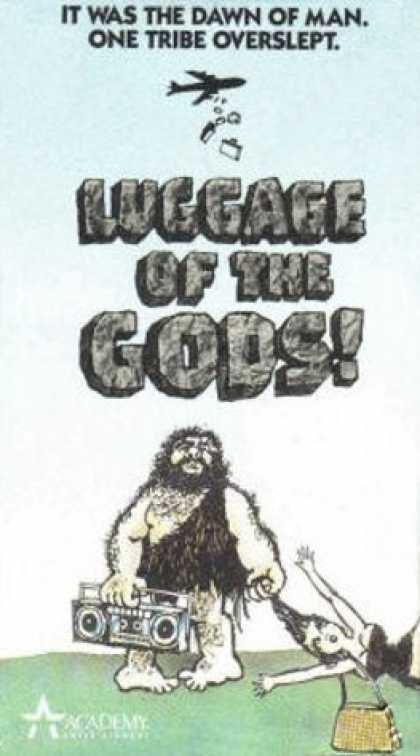
This is a bizarre hybrid between Quest for Fire and The Gods Must Be Crazy that really doesn’t work at any level. The story focuses on a lost tribe of cavepeople living somewhere in the deep jungle and what happens when they come into contact with luggage that was dropped from an airplane.

The natural inclination is that this was an American rip-off of The Gods Must Be Crazy as that film was released two years earlier, but really didn’t become the international hit until it was released in the U.S. in 1984, which was a full year after his one came out, so it is hard to tell. Either way this film doesn’t have the charm or gentle humor as that one did and has a glaring amount of loopholes that makes no sense. A viewer can be willing to suspend their disbelief even in a fanciful story, but there still needs to be some overriding logic and explanation of some kind even a quirky one and this has neither.

For instance are we really supposed to believe in this modern age that there are people living somewhere on the planet in a Neanderthal state? I’ve heard of third-word nations, but this has to be fifth or sixth world. How do they come into contact with a plane? Do they go through a time warp, or does the plane? Also, how many plane crews will arbitrarily dump out the entire luggage from their cargo bay the minute there is trouble with the engine? On top of that one of the cave ladies has a curly perm hairdo. Where did she get that from the local cave lady hairstylist?

The scenes showing the cave people interacting with each other becomes quite tedious mainly because they don’t speak any English and communicate through an odd language that the viewer cannot understand. It would have helped had there been some subtitles and might have actually made it funnier. Also, the segments showing the cave people opening up the luggage and their bewilderment at all the items they find inside is quite predictable and one-note.

When two of the plane’s passengers come into contact with the tribe later on while looking for their lost luggage it only adds to the films mounting incongruities.  When one of the men lights a match and holds it in front of one of the cavemen he somehow instinctually pulls out a cigar that he found in the luggage and lights it, but how would he have known that is what a cigar is for? When one of the men asks about a specific crate the cave people immediately knows what he means and even repeat the word, but again how?

I’m all for weird offbeat movie ideas, but this one leaves so many loose ends that it is hard to get into it from the start. Despite its brief 78 minute runtime it is still way too long and ultimately quite boring and pointless.

My Rating: 2 out of 10

Released: June 4, 1983

Runtime: 1Hour 18Minutes

Rated PG

Director: David Kendall

Studio: General Pictures

Available: VHS, Amazon Instant Video

Fleshburn (1984)

fleshburn 2

By Richard Winters

My Rating: 5 out of 10

4-Word Review: Lost in the desert.

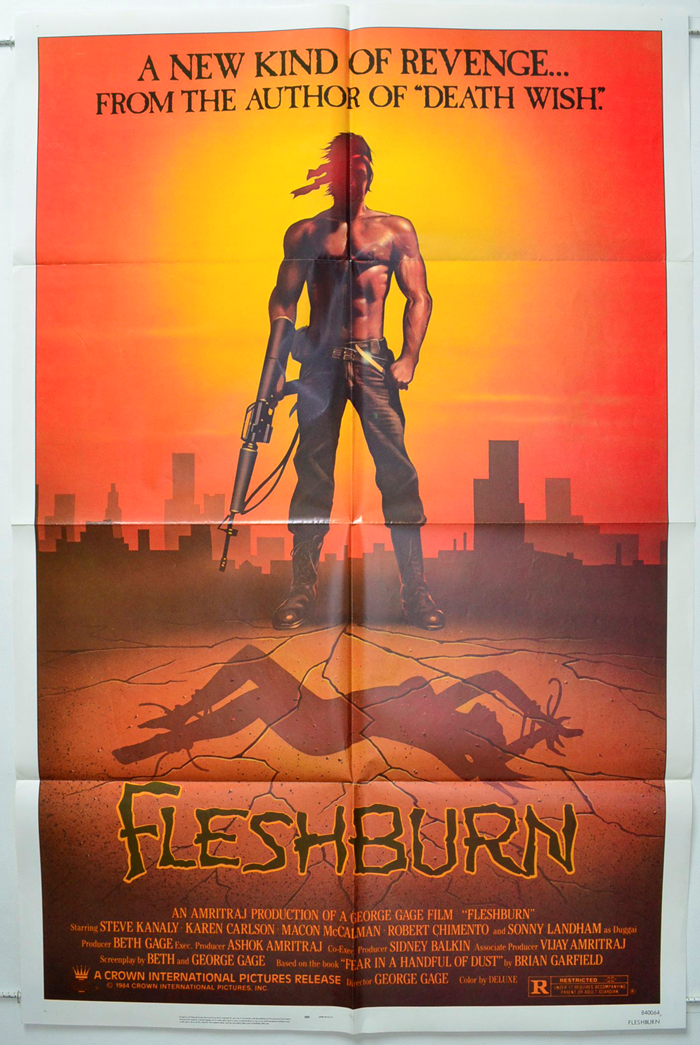
Calvin Duggai (Sonny Landham) is a Vietnam vet sent to a mental hospital when four psychiatrists insist he does not know the difference between right and wrong. Eventually he escapes from the place and proceeds to kidnap the four people who had him put away and takes them to the middle of the hot desert where he forces them to try and survive the harsh elements with nothing more than their wits to rely on.

Based on the Brian Garfield novel ‘Fear in a Handful of Dust’ the film moves at a brisk pace and manages to be relatively gripping. The pounding rock music-like score helps build the tension. The idea that the four people decide to remain where they are and not go searching through the desert for help seems slightly odd, but the characters at least come off as real people and some of the things that they do to survive is innovative and yet still believable. The viewer genuinely starts to care for these people and wants to see them survive, which helps keep the film captivating.

70’s adult film star-turned-actor Landham isn’t bad in the lead. His muscular physique is quite intimidating and he has a threatening presence. Steve Kanaly best known for his work on the ‘Dallas’ TV-series is solid as the one who takes over and tries to help the others beat the elements. His best moment comes when he spits out a sharp shell like object that he has hidden in his mouth and into his hand where he uses it to cut the rope that is binding him to a rock.

There is some interesting flashback sequences at the beginning particularly the one showing the Karen Carlson character having an affair with Kanaly much to the dismay of her husband who is also one of the victims and yet the film doesn’t follow-up with it even though it could’ve and should’ve. Despite the story’s vindictive theme it really comes off more like a basic survival saga that could easily have worked as a TV-movie. The film is competently produced and directed, but fails to be distinctive or memorable.

My Rating: 5 out of 10

Released: May 24, 1984

Runtime: 1Hour 30Minutes

Rated R

Director: George Gage

Studio: Crown International Pictures

Available: VHS, DVD, Amazon Instant Video