Category Archives: Foreign Films

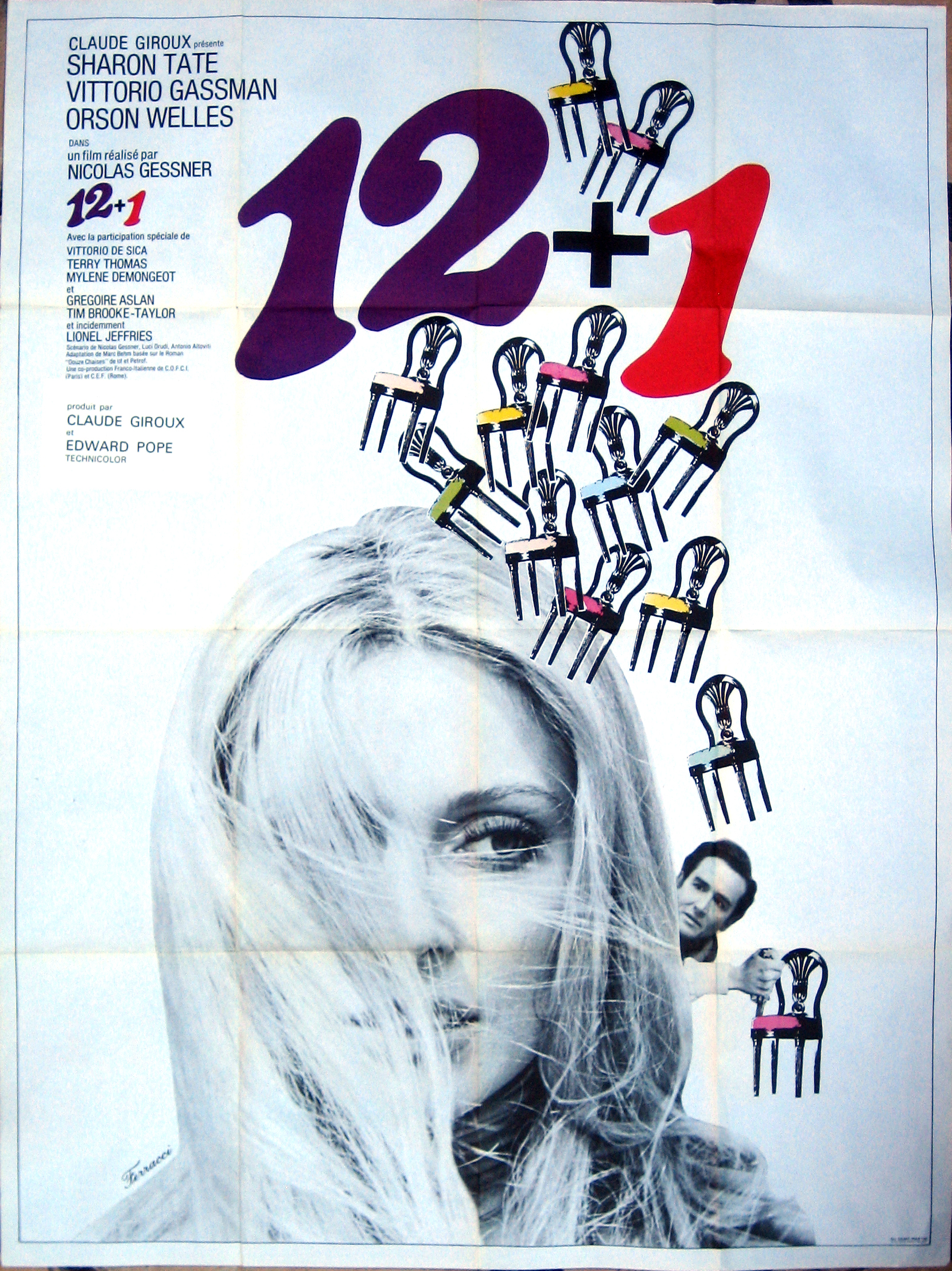
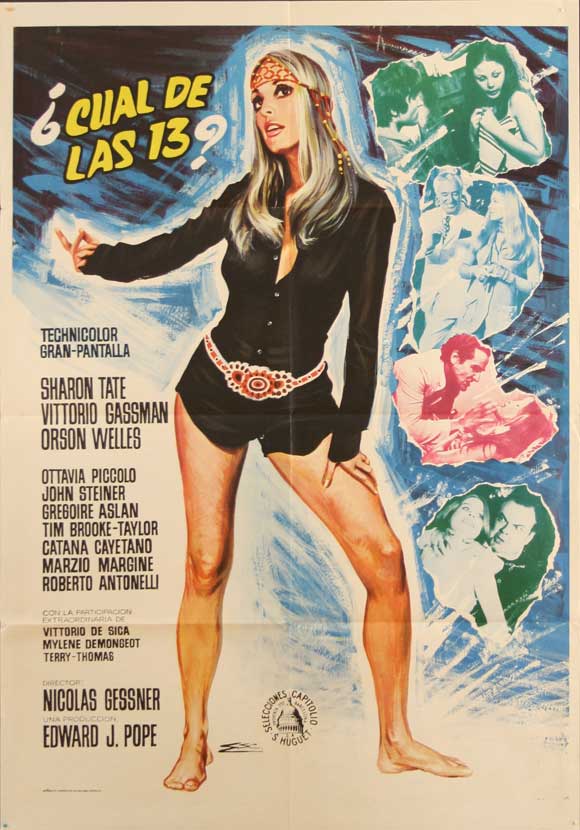
12 + 1 (1969)

twelve plus one 2

By Richard Winters

My Rating: 2 out of 10

4-Word Review: Money in the chair.

Mario (Vittorio Gassman) is a struggling barber who gets word that his rich aunt has left him a large inheritance. When he gets to her estate he finds the place nearly empty except for some old chairs piled up into a corner. Angered he decides to sell the chairs to a local antique dealer so he can at least make some money off of them. After he sells them he finds a note from his deceased aunt stating that there was a large amount of money sewn up inside one of them. In a panic he goes running back to the shop, but finds that they have already been sold off to various customers, so he along with Pat (Sharon Tate) who worked at the shop and wants to help him as long as she gets a part of the take go on a mad dash to seek out the chairs and retrieve them one-by-one until they can find the money.

The film is based on the classic 1928 Russian novel that has been made into several film versions including one by Mel Brooks that came out a couple of years after this one. I’ve never read the novel, but this film clearly does not do it any justice. The humor is lame and cartoonish and barely able to equal a weak Tom and Jerry cartoon or uninspired Disney flick. The budget is low and the scenes all have a perpetually cheesy, schlocky feel. The Herb Alpert-like music sounds like it was edited in off of an audio cassette recording. The whole thing is quite derivative and dull despite the wide variety of characters and locales.

The film’s biggest claim to fame is being Tate’s only starring vehicle and this didn’t get released until well after her death. She is very beautiful and surprisingly engaging and comical and her presence is the best thing about the movie. She even does a nude scene along with the equally tantalizing Ottavia Piccolo when they both go topless and then get into bed on either side of Gassman, which is the film’s one and only provocative moment.

The supporting cast is full of some old pros that get badly wasted. Terry-Thomas is one of the funniest character actors of all-time, but here he is shockingly boring and forgettable. Orson Welles hams it up in make-up as a pretentious stage actor whose play he is performing in becomes a catastrophe in the film’s only slightly amusing moment.

The color is faded and shot with no imagination or flair. Although there is some nudity the filmmaker’s would have been better served had they cut it out and aimed it solely for the kids as the humor is so broad and silly that only a three-year-old could possibly find it entertaining and even that is no guarantee.
twelve plus one 1

My Rating: 2 out of 10

Released: October 7, 1969

Runtime: 1Hour 34Minutes

Rated R

Director: Nicholas Gessmer

Studio: AVCO Embassy Pictures

Available: VHS
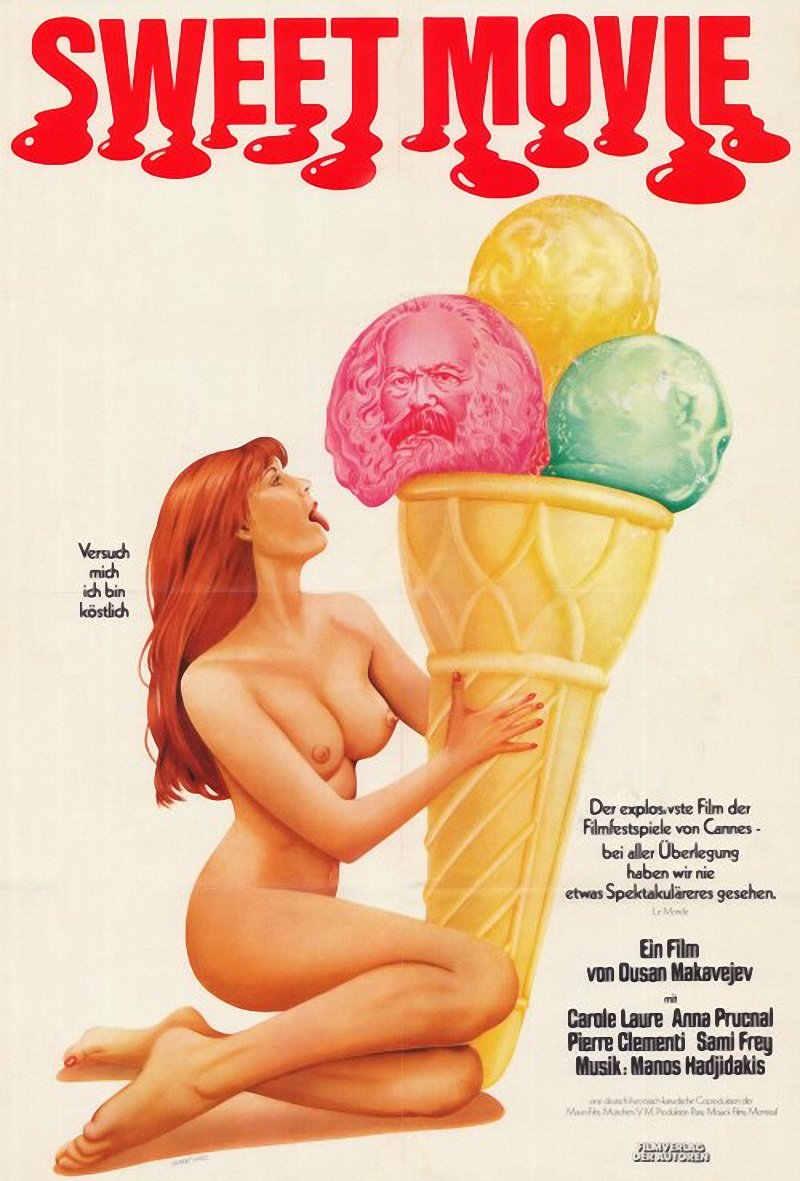
Sweet Movie (1974)

sweet movie

By Richard Winters

My Rating: 8 out of 10

4-Word Review: Every fetish is shown

Unfairly labeled as excessive and perverse, this film is really a fascinating and intricate study into the recesses of the sexual mind. It looks at sex in all its complexities and exposes it as a very primal need with a personality of its own.

The film starts off with an amusing satire on the media and how they have commercialized sex. It involves a game show were a rich millionaire must choose which female virgin he would like for a wife and even has a doctor on hand to examine them and make sure each one is genuine.

This becomes the ongoing theme, which is how society loves to ‘package’ sex and yet really can’t. Director Dusan Makavejev feels that the sexual instinct is too deep to be able to channel completely. The rest of the film goes off on wild tangents that may not make sense to some, but the intent is not to tap into the logical mind, but instead the sexual senses. In the process it tries to bring out the sexual side of the viewer by digging deeply into their own subconscious mind.

The final result is an almost non-stop barrage of unique, lasting visuals. Some are funny, stimulating and at times even grotesque. Yet sex has all these qualities so any movie realistically dealing with it should have it as well. Overall despite the controversial approach it becomes lyrical, compelling, and quite well-shot.

By not boxing sex into any type of ‘standard’ is what makes this different from just about any other erotic film out there. Most directors seem to feel that two sweating bodies between satin sheets are all you need to make a film ‘sexy’. Here you get something much more daring and expansive by showing sex in both its beauty and ugliness. Outside of bestiality and necrophilia just about every other fetish gets examined including interracial sex, sex with minors (never shown, but strongly implied), food sex, vomiting, scatology, water sports, and even violent sex. Sometimes it gets vulgar yet still remains provocative and fascinating to the more open-minded.

Star Carole Laure is incredibly beautiful and submits herself to her demanding role with a reckless abandon that is refreshing if not unprecedented and helps make the film impactful.

There’s some really amazing sequences including having Laure carted around in a suitcase with only her head sticking out. This is also one those rare films outside of Paul Morrissey’s Trash that features more shots of the male genitals than the females.

Obviously there will be those that will find the whole thing disgusting and offensive as it is very explicit even by today’s standards. This film could very well go beyond most people’s ‘comfort zones’ so I don’t want to suggest it to anyone unless they are fully prepared for what they are about to see, but for those who are game it could come off as a unique one-of-a-kind experience.

My Rating: 8 out of 10

Released: June 12, 1974

Runtime: 1Hour 38Mintues

Rated NC-17

Director: Dusan Makavejev

Studio: Maran Film

Available: DVD (The Criterion Collection)

Eye of the Devil (1966)

eye of the devil 2

By Richard Winters

My Rating: 7 out of 10

4-Word Review: Husband is a pagan.

Vineyard owner Philippe (David Niven) is called back to the castle of Bellenac when it is found that they are suffering from another dry season. Philippe’s wife Catherine (Deborah Kerr) and his two young children follow him there a few days later despite his insistence that they not come. Once there Catherine finds everyone’s behavior to be quite odd including a menacing brother and sister (David Hemmings, Sharon Tate) who make Catherine uneasy, but nothing prepares her for the real reason that her husband is there nor its shocking outcome.

Although several directors worked on this project including Michael Anderson the credit is ultimately given to J. Lee Thompson, who is probably best known for his frequent collaborations with Charles Bronson. Despite the different directors the film is very fluid and well produced. In fact it is the directing that makes this film high enjoyable. The lighting, editing, imagery and evocative camera work make this a near brilliant work from a visual level. Turning down the sound and appreciating it for its aesthetic style alone is more than enough and the on-location shooting done at the Chateau de Hautefort is excellent.

Tate is stunningly beautiful and the photography makes the most of it watching her sit out and get drenched by the rain is actually kind of sexy. She had bit parts in two films previous to this, but this is still credited as her official film debut.  Although her voice was dubbed she still is effective with a character that straddles the line between being sensual and creepy. The part where the Niven character viciously whips her while she wriggles around on the floor and then in the end turns around and smiles like she enjoyed it was year’s ahead-of-its-time and definitely pushing-the-envelope for that period.

Kerr came in to replace Kim Novak who was injured during filming and unable to complete the picture. Normally she always gives a superior performance, but her she seemed miscast. The only facial expression she seems able to show here is that of shock and fright and the character and scenario seems to be too much of an extension to the one that she did in The Innocents just a few years earlier. Both she and Niven seemed too old to be parents of such young children. He was already in his mid-fifties and she in her mid-forties and the film would have been better served had a young attractive couple in their 20’s been cast in the part.

Niven has always done so well being cast in likable roles that having him play someone with a dark personality doesn’t quite work and he looks uncomfortable in the part. Both Donald Pleasance and David Hemmings are underused and not given enough lines or screen-time.

The story itself is rather one-dimensional. The final sequence features some great shots and editing of Kerr running through some underground tunnels of the castle, but the outcome is quite predictable. The script lacks that added perspective or twist to make it truly memorable and is the weakest element in this otherwise visually arresting production.

eye of the devil 4

My Rating: 7 out of 10

Released: July 8, 1966

Runtime: 1Hour 32Minutes

Not Rated

Director: J. Lee Thompson

Studio: MGM

Available: DVD (Warner Archive), Amazon Instant Video

The Night Porter (1974)

the night porter 3

By Richard Winters

My Rating: 8 out of 10

4-Word Review: A strange sadomasochistic relationship.

As the title suggests this film deals with the darkness of the human mind, relationships, sex and society as a whole and has a Freaudian theme of exploring the weird sexual obsessions of those who on the outside may seem perfectly functional and ‘normal’.

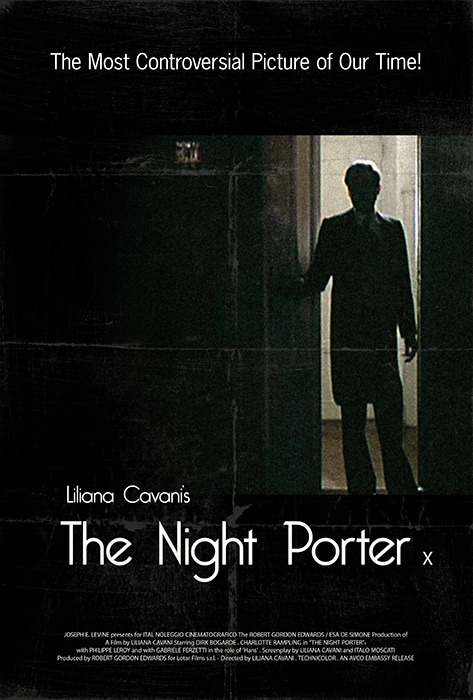
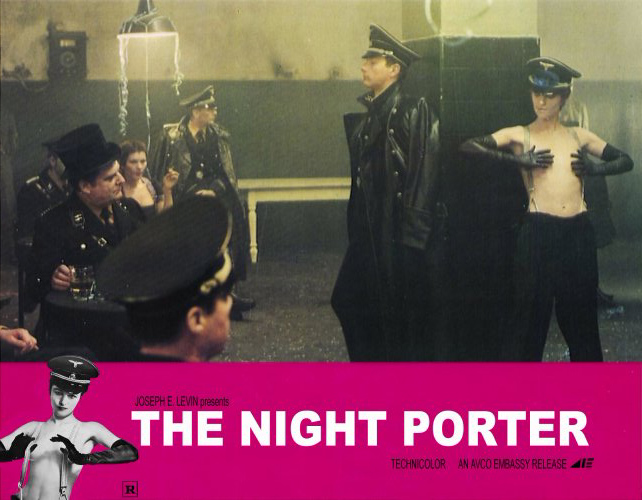
The story focuses on a concentration camp survivor Lucia (Charlotte Rampling) who twelve years later, by chance, meets her former captor Maximilian (Dirk Bogarde). She is now married while he is working as a night porter at the hotel she is staying at. The twist here is that she decides to go back to him and continue the bizarre sex rituals they once had.

The film’s most interesting aspect is focusing on the long term psychological ramifications of those surviving traumatic experiences. It looks both at the victims and the captors who now must learn to ‘rationalize’ their guilty conscious and it questions whether anyone can truly function normally after surviving such severe circumstances or whether society has any ability to make someone ‘adjust’.

This is definitely complex material and director Liliana Cavani has a good grasp on it. The shot compositions are full of stark shadows with a definite emphasis on the surreal, which comes to play the most during the sadomasochistic fantasy segments.

The problem with the film lies in the fact that it doesn’t have the intended strong impact. There’s no momentum or discernible tension. The characters are complex, but not that interesting and we really don’t care particularly what happens to them.

The films strongest point is actually in its final sequence, which brings the whole thing together. Like in any great movie there’s the one shot that says it all and here it’s the final one where visually, without saying anything, it shows just how isolated these outsiders truly are. It also exposes how their personal demons have imprisoned them and how dysfunctional society is at handling them.

the night porter 2

My Rating: 8 out of 10

Released: April 3, 1974

Runtime: 1Hour 58Minutes

Rated R

Director: Liliana Cavani

Studio: AVCO Embassy Pictures

Available: VHS, DVD, Blu-ray, Amazon Instant Video

Alucarda (1977)

alucarda 2

By Richard Winters

My Rating: 2 out of 10

4-Word Review: Another Exorcist rip-off

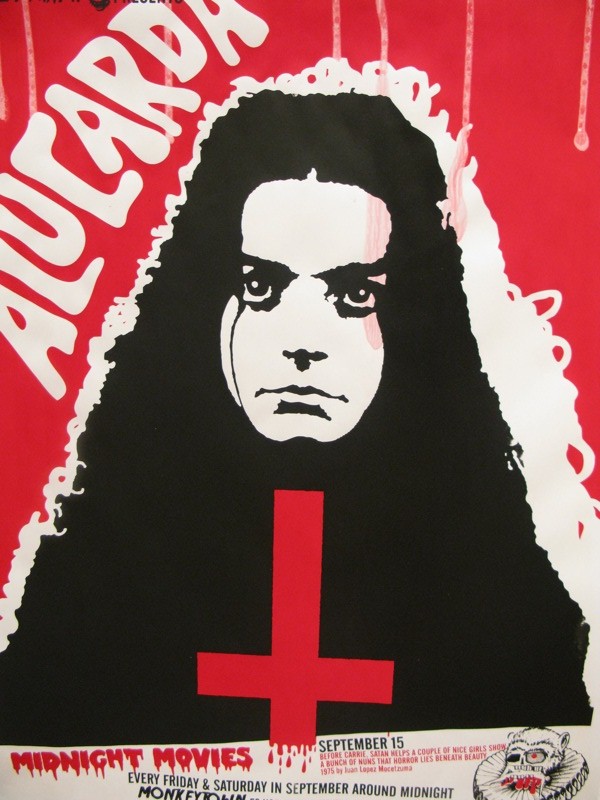
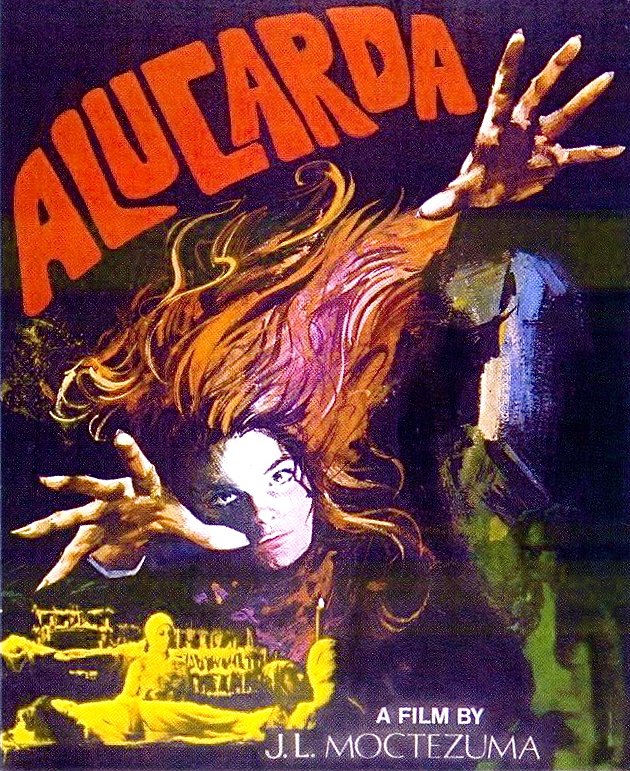
Justine (Susana Kamini) arrives at a convent after the death of her parents. She meets up with a strange young woman named Alucarda (Tina Romero) who almost immediately professes her true love for Justine and the two make a weird pact. Alucarda then seems to become possessed and it rubs off on Justine sending the nuns and priest at the convent into a panicked frenzy to rid both girls and the place from the evil presence.

This bizarre, cheap Mexican production comes off like someone’s drug induced acid trip. Yet it has still managed to acquire a small cult following and even has one reviewer at IMDB calling it ‘brilliant’ even though I found it to be anything but and only reconfirms that there is somebody out there that will like anything. Juan Lopez Moctezuma’s direction is unfocused and undisciplined. The story borders on being almost incoherent with wild twists and story arches that occur at a breakneck pace. The special effects are tacky and there isn’t a single scare in the whole thing.

This supposedly takes place in the 18th century, but the priest wears a wardrobe that looks like he is from China even though the setting is Mexico and the outfits worn by the nuns defy any era and appear to be made by a costume designer who was drunk. The pounding rock-like score has a resemblance to music from Tangerine Dream, but a much weaker version and doesn’t connect with the time period that the story is in. It has elements that will remind you of Suspira and Ken Russell’s The Devils, but both of those films are far superior to this one and only make you wish you were watching those instead.

The acting is amateurish and over-the-top, but star Romero has an interesting look in her eyes and reminded me a bit of a young Genevieve Bujold. There is an abundance of nudity and low-grade eroticism that may make it appealing to some. I did get a kick out of the way the nuns and priest overact and wilt at simply the mention of the devil and Satanism, which I found to be unintentionally funny.

This is just another attempt to cash in on the success of The Exorcist and like the rest of them fails miserably. This isn’t entertaining even on a camp level and I would suggest avoiding it completely.

alucarda 1

My Rating: 2 out of 10

Released: March 10, 1977

Runtime: 1Hour 14Minutes

Rated R

Director: Juan Lopez Moctezuma

Studio: Yuma Films

Available: DVD

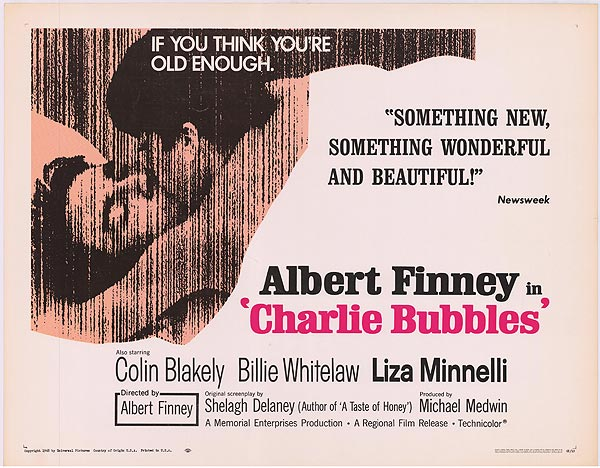
Charlie Bubbles (1968)

charlie bubbles 1

By Richard Winters

My Rating: 4 out of 10

4-Word Review: He’s detached from life.

Charlie Bubbles (Albert Finney) is a successful English writer who finds that he is no longer connected to the world around him. He sits in his office and views life from the television monitors around him. He has an affair with his secretary Eliza (Liza Minnelli in her film debut), but it means little. He travels to the countryside to visit his estranged wife Lottie (Billie Whitelaw) and his son Jack (Timothy Garland), but finds the effects of his detachment have worn off on them. No matter how hard he tries he cannot get his son to emotionally connect with him, which he finds troubling.

This is to date Finney’s only cinematic foray behind the camera and on a visual level it proves interesting. Most actors who turn to directing lack the needed cinematic eye, but Finney is just the opposite. The scene, which gets protracted, showing all the action inside Charlie’s sprawling home from within the television monitors that he has set-up is really cool. It’s like in the film Network where you see several monitors on top of each other and two per row. Each monitor shows a different room in the mansion as well as the garage. As the action moves from each room it also moves to a different monitor, which becomes fascinating to follow. The scene inside a hotel hallway with milk bottles and newspapers lined up at each door has an interesting design to it and the part where Charlie and Eliza come upon a lonely marching band in a desolate rundown part of the city has a unique visceral appeal. The massive food fight between Finney and actor Colin Blakely near the beginning of the film deserves a few points as well.

The downside to the direction is that the film is slow and almost as aloof as the character. The scenes become too extended and the dialogue has little to say. The segment inside a roadside diner has the sound of cars passing by it during the character’s conversation, which becomes distracting and unnecessary.

The Charlie character seems almost like he is sleepwalking and barely responds to anything. I realize this is to show his detachment, but it goes overboard. It’s like viewing a corpse who has no screen presence or energy and absolutely no connection with the viewer nor any ability to wrap them in to his quandary.

Minnelli makes for an odd choice to represent the film’s sexual tensions. She was never considered attractive and her constant and incessant chattering while the two ride in a car would be enough to make most men want to throw her out let alone make love to her. The sex scene itself is about as mechanical as you can get and lacks eroticism. It also becomes like a throwaway scene that doesn’t end up having that much to do with the story as a whole.

The viewer needs more of a background to this character in order to make him real and interesting. Simply showing someone who is detached doesn’t mean much unless we know why and if he was at any time any way else. The ponderous ending leaves a lot to be desired and watching this movie is similar to viewing a program on C-Span as it comes-off like a nonevent.

My Rating: 4 out of 10

Released: February 11, 1968

Runtime: 1Hour 29Minutes

Not Rated

Director: Albert Finney

Studio: Universal

Available: None at this time.

Our Mother’s House (1967)

our mothers house 1

By Richard Winters

My Rating: 6 out of 10

4-Word Review: Life after mother dies.

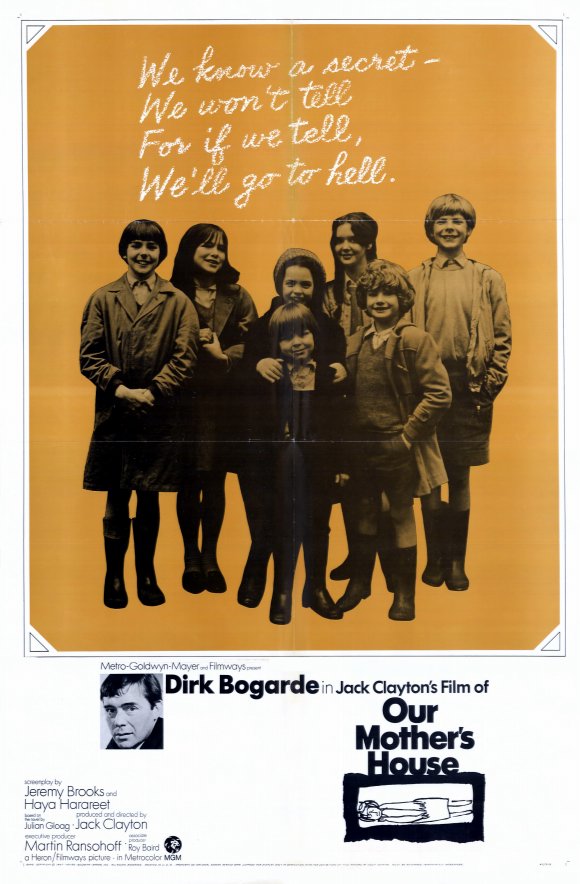
Seven children live with their mother inside a large English house. She is sickly and when she dies they decide to keep it a secret by burying her body in the back garden and then continuing on as normal as they fear they will otherwise be sent off to an orphanage. Things go surprisingly well for the most part, but then their alcoholic father Charlie (Dirk Bogarde) reappears after a long absence, which sends everything spiraling out of control.

Director Jack Clayton lends an amazing amount of control and freedom to the child performers and the result is fantastic. The kids give solid performances and really carry the movie. Margaret Brooks as Elsa is a standout and shows great maturity especially with the way she stands up to the Bogarde character. Phoebe Nicholls is also terrific and looks like a young Sandy Dennis. Mark Lester did this just before doing his star turn in Oliver and he is cute, but his stuttering is annoying.

Although the character is obnoxious, one-dimensional and predictable Bogarde does a fine job as always in his part in what was a bit of an offbeat turn for him as he doesn’t appear until about forty-five minutes in. Yootha Joyce is entertaining with her bit as the children’s callous nanny. She has interesting facial expressions and voice tones, which makes the most of her otherwise small role. She is probably most famous for playing the equivalent of the Mrs. Roper character in the British version of ‘Three’s a Company’, which was ‘Man about the House’ and it is a shame that alcoholism cut both her career and life short.

The film weaves an interesting atmosphere and this is the type of story where you have no idea where it is going. I also liked some of the side diversions that Clayton incorporates including having the children take a boat ride around the famous Dinosaur Court in the Crystal Palace Park. Erected in 1854 these were the very first dinosaur sculptures ever made in the world.

I also found it interesting that there are scenes showing the children praying and even reading Bible verses. This is not a spiritual film in any way and I personally have no stand on the issue, but it brought to mind how mainstream films today never show anyone ever praying even though a lot of regular people still do it and by putting it into the story it makes it more realistic instead of less.

The only real issue that I had with the movie that otherwise has some very intriguing elements is the ending, which comes pretty close to being a copout and leaves way too many loose ends open.

My Rating: 6 out of 10

Released: October 9, 1967

Runtime: 1Hour 44Minutes

Not Rated

Director: Jack Clayton

Studio: MGM

Available: YouTube

Ginger and Fred (1986)

ginger and fred

By Richard Winters

My Rating: 6 out of 10

4-Word Review: Aging dance partners reunite.

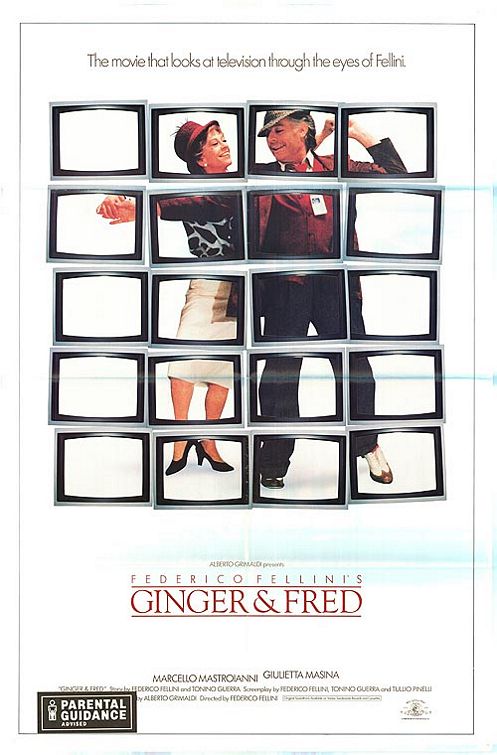
Amelia (Giulietta Masina) and Pippo (Marcello Mastroianni) are two aging dance partners who haven’t worked together for years. They are asked to reunite for a TV-show special and do a famous Fred Astaire and Ginger Rogers routine, but things have changed in their many years apart and the situation becomes more awkward than they imagined.

This is a genuinely amusing satire on television and celebrity status with Mastroisanni being absolutely engaging in every scene that he is in. Masina, who was director Federico Fellini’s wife in real-life, also gives a good performance and together they make a real fun team. The final dance sequence is terrific and the film manages to really come together at that point. The film is also sprinkled with some funny satirical snippets with the best ones including goofy billboards and a woman wearing edible panties.

On the negative end I found the techno music score to be overplayed and it becomes irritating especially at the beginning.  The film is also about a half-hour too long and it takes almost thirty minutes for Mastroianni’s character to even appear.

Overall I found the film to be enjoyable and mainly because the two leads are old pros who know how to work their magic although this is definitely not one of Fellini’s best films and at times it seems like he is just coasting.

My Rating: 6 out of 10

Released: January 13, 1986

Runtime: 2Hours 5Minutes

Rated PG-13

Director: Frederico Fellini

Studio: MGM

Available: DVD, Amazon Instant Video

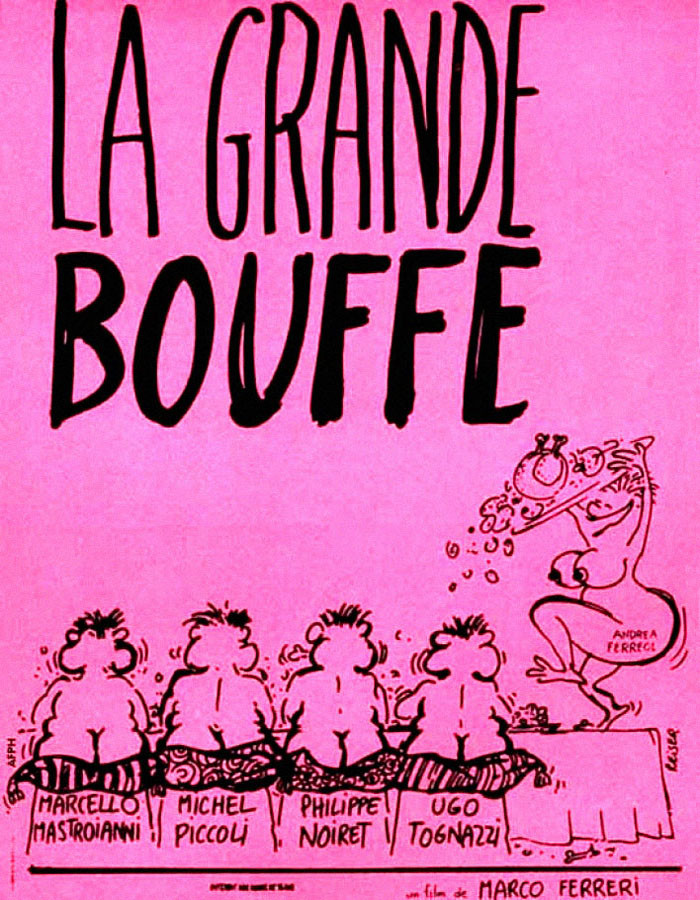
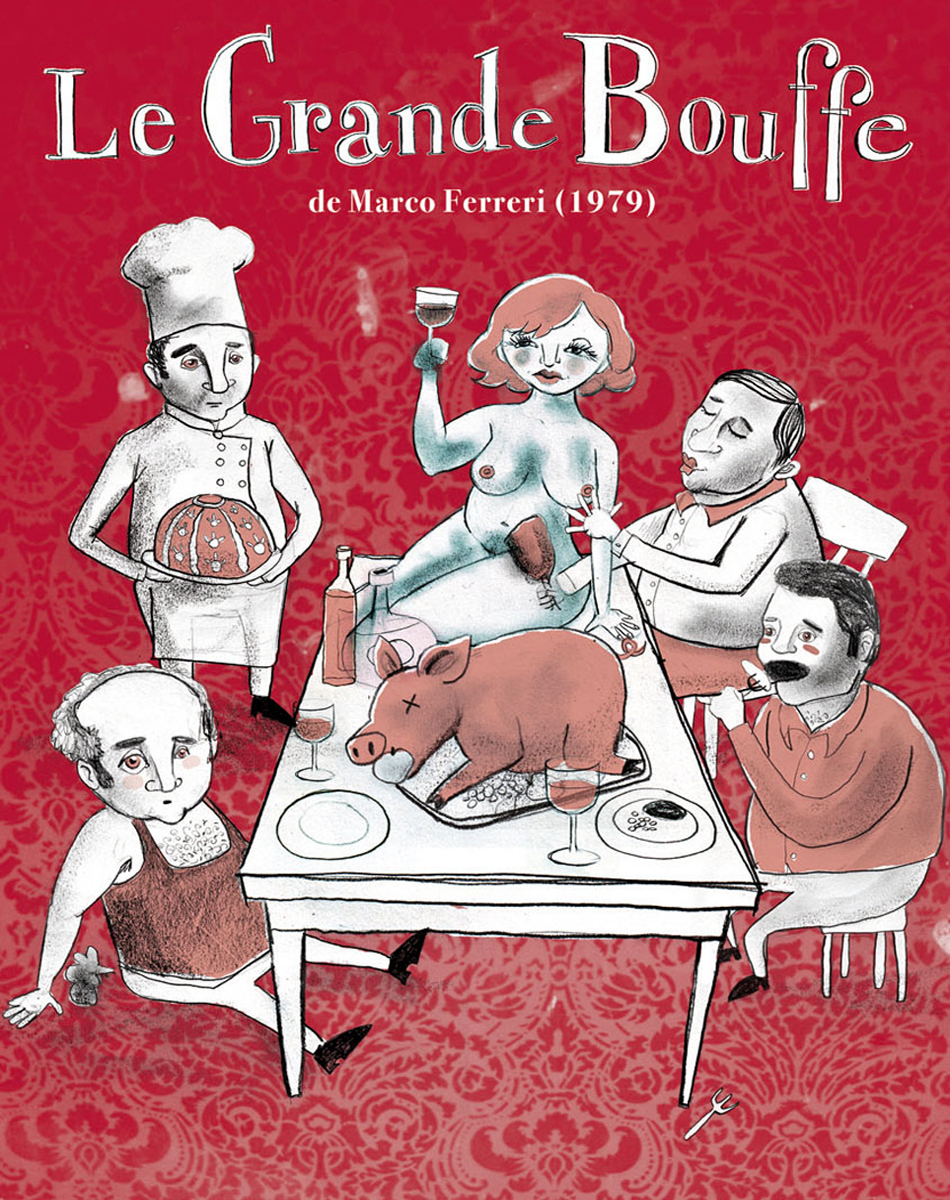
La Grande Bouffe (1973)

la grande bouffe 1

By Richard Winters

My Rating: 3 out of 10

4-Word Review: They stuff their faces.

This film will start an annual Thanksgiving Day theme of reviewing movies that have something to do with food and eating. This one may be the most notorious of them all and despite its offbeat plot and crude scenes won the Cannes Film Festival’s International Critics award as well as attaining a large cult following and be one of the highest grossing movies in the history of Italian cinema.

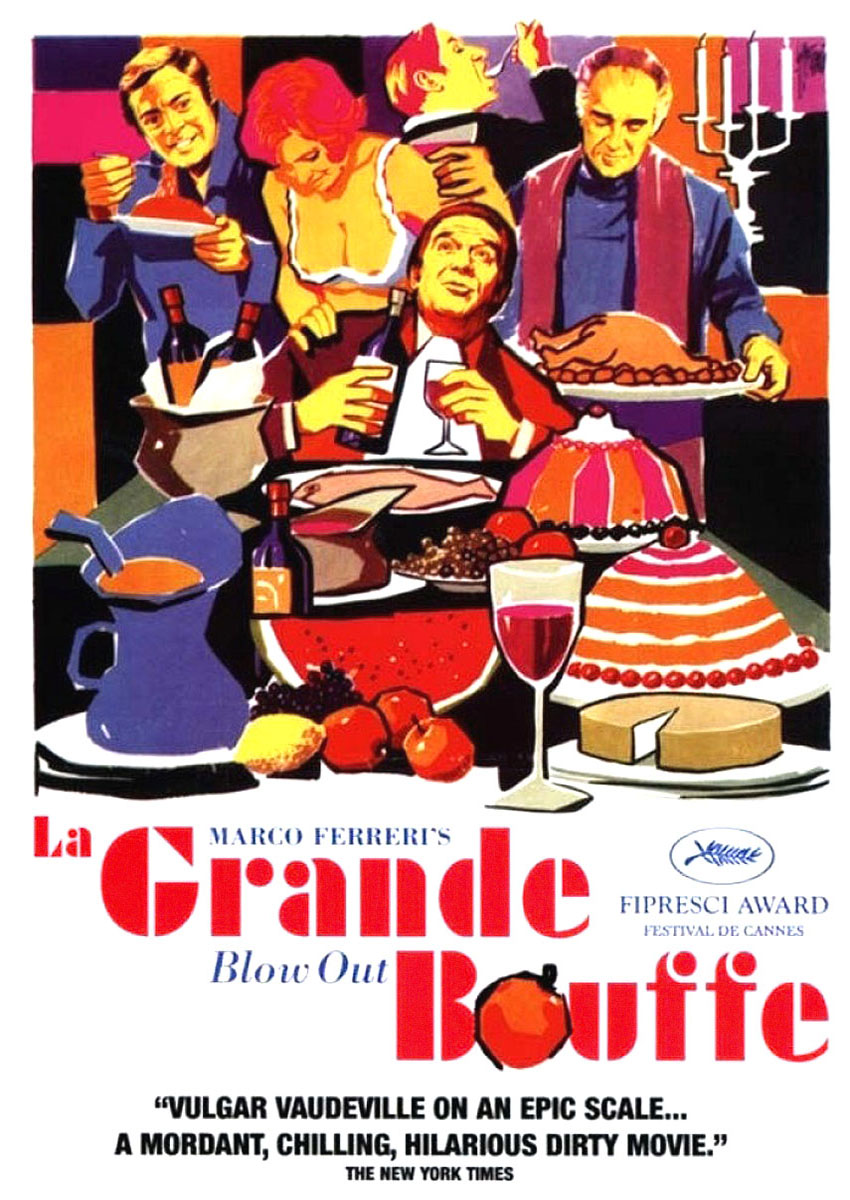
The story deals with four middle-aged men (Marcello Mastroianni, Ugo Tognazzi, Philippe Noiret, Michel Piccoli) who despite attaining affluence and wealth are bored with life and decide their only recourse is to get together for a weekend and commit group suicide by eating themselves to death.

At first the movie will make you hungry.  After an initial set-up the characters can be seen eating in just about every shot. The variety of foods and menu that is served is almost mouth-watering and features a wide array of exquisite dishes seen only in the most fanciest of restaurants. However, after visually seeing these people overeat I felt myself feeling as bloated as the characters and almost sick. The film also gets quite gross with several segments featuring loud sounds of flatulence and a scene where the toilet bursts and covers the men and room with feces that even drips down and gets into the kitchen.

Some may find this ‘hilarious’ while others will think it’s disgusting. For me despite the moments of over-the-top crudeness the strongest scene may actually be when the characters start dying and their dead bodies are carried into a freezer while the rest of them continue to make food and stuff their mouths like it is a compulsion.

la grande bouffe 2

The four leads are old pros who couldn’t give a bad performance if they tried. I started to wonder though how they could eat so much and whether the scenes were all done in one take with no retake as eventually I think they would all start puking. Mastroianni’s death scene is a stand-out simply because it manages to keep his expression completely frozen and does not manage to blink for several minutes, which I found impressive. Tognazzi’s death moment is also fun although it’s Andrea Ferreol who starts out as a proper school teacher, but ends up becoming as decadent and hedonistic as all the men combined that steals it.

The film makes a strong if not impactful statement about gluttony and how a life of prestige and luxury may actually be more of a trap and curse. The more some people get of it the more they want until it is never enough and death may end up being their only true source of salvation and escape.

The idea is outrageous and clever and I loved the concept, but the execution is lacking. The direction is too loose with scenes going on longer than they should. Some tighter editing would have helped the pace and momentum.  I also don’t think it is possible for a person to stuff themselves with food and then die as I think instead they would just vomit it all out.

la grande bouffe 3

My Rating: 3 out of 10

Released: May 17, 1973

Runtime: 2Hours 4Minutes

Rated NC-17

Director: Marco Ferreri

Studio: Films 66

Available: VHS, DVD

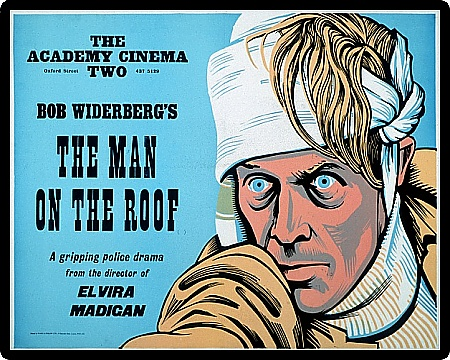
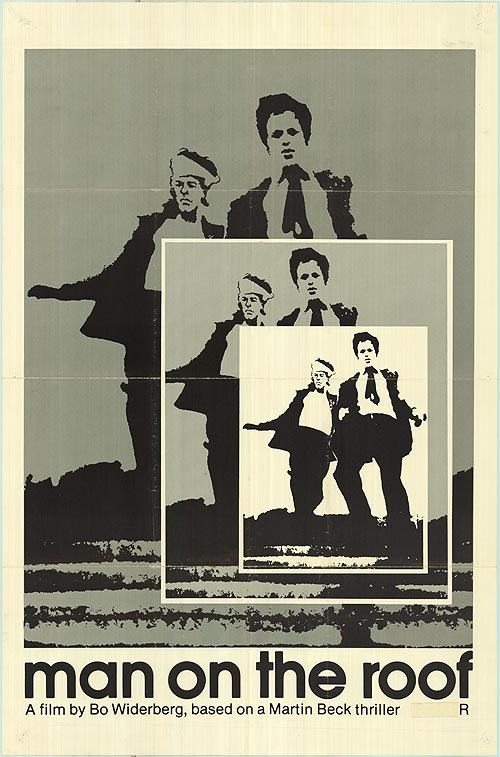
Man on the Roof (1976)

man on the roof 3

By Richard Winters

My Rating: 6 out of 10

4-Word Review: Sniper shoots at police.

Police officer Stefan Nyman (Harald Hamrell) is shot and killed by an unknown gunman. During the investigation police detective Martin Beck (Carl-Gustaf Lindstedt) finds that Nyman was an officer who used brutal and sometimes unethical conduct in his dealings with suspects. Beck begins to consider this as a possible motive, but before he can decide on that the sniper climbs on top of a high rise building in downtown Stockholm and begins shooting and killing all uniformed officers.

The first hour of this Swedish production is different from just about any other police drama you’ve seen. The investigation is slow and meticulous and the identity of the killer is kept a complete mystery.  There is no heart pounding soundtrack and all the scenes are handled in a nicely subdued fashion.  The tension mounts slowly, but deliberately until it finally wraps you into it and becomes riveting.

By contrast the second hour is handled completely differently to the point that it almost seems like two movies in one. The second half becomes this high adrenaline action pic that includes an exciting helicopter crash, but it all proves jarring when compared to the first hour.

man on the roof 1

The story is also too reminiscent of the real-life Charles Whitman incident that occurred in Austin, Texas in 1966.  The ending is much too abrupt and leaves open too many loose ends and a more composite portrait of the killer would have also helped.

This film definitely has its moments both in action, drama and dialogue and is considered highly influential to the modern police dramas that we see today, but the way it comes together is a mishmash. Director Bo Widerberg was known for his poor planning and constantly rewriting scenes and dialogue sometimes while he was sitting on the toilet. The behind-the-scenes atmosphere of his productions was filled with chaos and confusion and the results can be easily detected here. Viewers that enjoy the first half may not like the second one and vice versa.

man on the roof 2

My Rating: 6 out of 10

Released: October 1, 1976

Runtime: 1Hour 50Minutes

Rated R

Director: Bo Widerberg

Studio: Svensk Filmindustri

Available: DVD (Region 2)