Category Archives: Foreign Films

The Hit (1986)

hit

By Richard Winters

My Rating: 5 out of 10

4-Word Review: Not afraid to die.

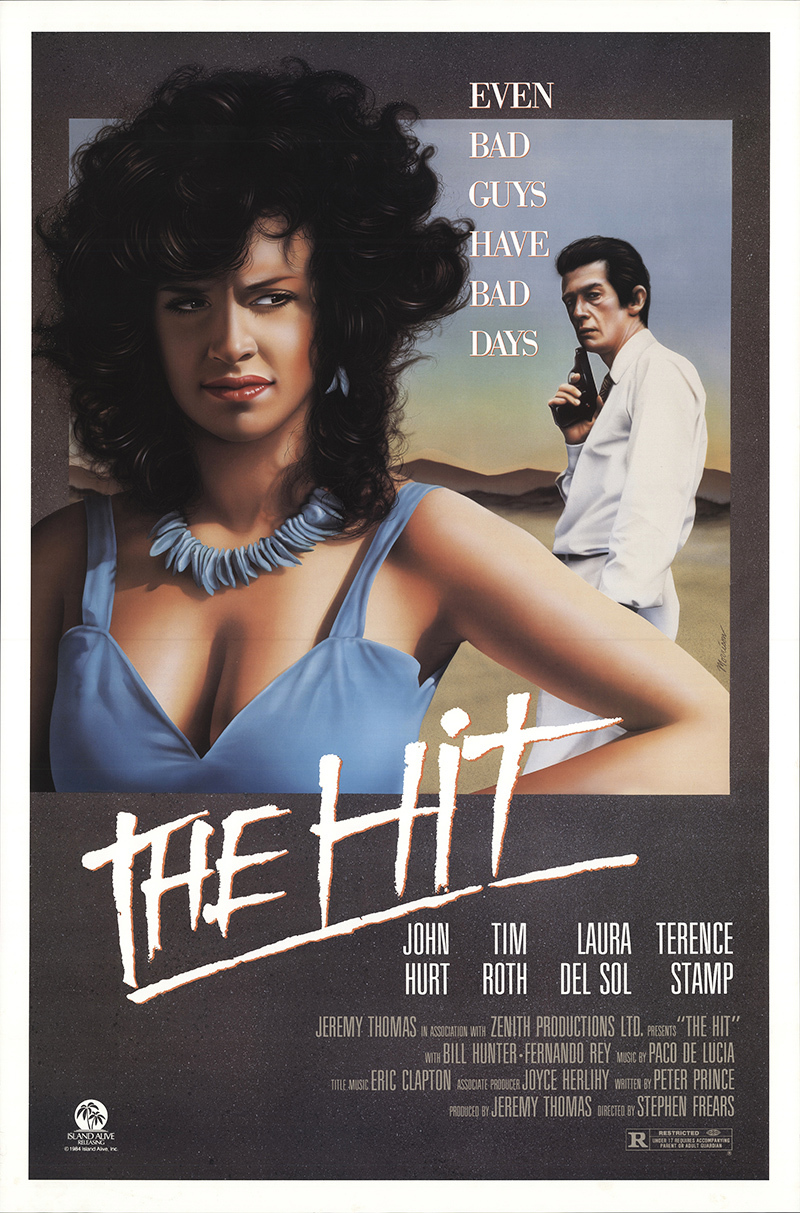
Willie (Terence Stamp) turns states evidence against the criminal underground that he’d been apart of, which then sends his former partners away to prison, but before they go they sing ‘We’ll Meet Again’ just as he leaves the court room. Ten years later Willie is living the quiet life in Spain as a part of the witness protection program only to have his home invaded by a group of teens who kidnap him and take him to hitman Braddock (John Hurt) who was hired by the kingpin that Willie helped put away. Braddock along with his young partner Myron (Tim Roth) are instructed to take Willie, via a car, to Paris where the kingpin hopes to inflict harm on Willie before eventually killing him. However, things don’t go quite as planned as Willie shows no fear of death insisting that he’s accepted it as a part of the cycle of life and this throws the two hit men off convinced that he must have something up-his-sleeve, but does he?

This is another example where a movie I enjoyed when I first watched it years ago, but doesn’t quite live up to expectations upon the second viewing. For the most part this doesn’t happen that often and there has been some cases where a movie I didn’t like when I first saw it I’ve come to appreciate when seen a second time. This one though is definitely a case of the former and I came away a bit miffed on what its point was. When I first saw it I was impressed by the scene at the waterfall where Willie, who had a chance to escape, but doesn’t and instead decides to spend his time appreciating nature’s beauty until Braddock catches up to him, I found at the time to be quite memorable and unique moment as it revealed that the bad guy in this instance was the one more afraid and insecure of death than the intended victim.

However, there’s a lot of stuff that doesn’t mesh, or could’ve been more convincing. I had a hard time understanding why this sophisticated criminal group would hire a bunch of teen boys to break into Willie’s home (hideout). How could they trust these novices to get the job done and the fact that they’re able to do it so easily makes it seem that Willie’s ‘protection’ as it were wasn’t too impressive. It also negates the effect of the criminal unit. They’re supposedly this cunning, evil, underground group relentlessly pursuing their man against this supposedly intricate government program, but if literal kids can just break down the door with just a bit of effort then the whole operation from both sides comes-off as rather amateurish.

The casting of Hurt as the bad guy isn’t effective mainly because of his meek stature. Stamp was originally intended for that role and with his big build and piercing blue eyes would’ve been perfect, but it was ultimately decided for both actors to play against type and thus the parts got reversed, but it really doesn’t work. Hit men should have an intimidating presence, but with Hurt’s slim figure and quiet, exhausted looking demeanor that doesn’t happen. Roth as his quick-triggered, youthfully naive henchmen makes matters worse as he’s a walking cliche of a teen in over-his-head just biding time before his knee-jerk reactions to do them in. Thus the psychological games that Willie plays with them are not that interesting, or impressive since these two come-off as badly dis-coordinated right from the start and like any average person could easily outfox them.

Stamp’s character is baffling as well. During the courtroom moments he states his testimony is an almost hammy way like he’s making fun of the whole situation, which maybe he is, but it’s not clear as to why and his ulterior motivations are never answered. It’s hard to tell whether he really is a good guy, or maybe secretly a bad one as there are scenes where he puts other potential victims in definite danger and then feigns ignorance about it afterwards. He spends the whole time telling everyone how death doesn’t scare him and yet when a gun does finally get pointed at him he panics and tries to run while also pleading for his life, so which is it? The same goes for Roth’s character who during the course of the movie he seems to be falling for the lady hostage, played by Laura del Sol, and even protective of her and yet when the time comes for Hurt to shoot her he puts up no fight, or resistance, which defeated the momentum and missed-out on what could’ve been an interesting confrontation.

I like movies with multi-dimensional characters and the film does have that and certainly humans can be a bag full of contradictions. However, at some point it kind of needs to explain itself and it fails on that end. Intriguing elements about these people get thrown-in, but the story fails to follow through with it ultimately making it too vague, ambiguous to be full satisfying and in many ways it will most likely leave most viewers frustrated and scratching their heads as they ask themselves what the point of the whole thing was supposed to be.

I did though really enjoy the scenes with Australian actor Bill Hunter who is marvelous in support playing a man who takes over one of Hurt’s friend’s apartments while on vacation only to get the shock of his life when the hit man and his entourage show up unexpectedly. His rather pathetic attempts to mask his fear and trying to somehow carry-on a casual conversation knowing full well he could be blown away at any second is dark comedy gold and by far the film’s best moments.

My Rating: 5 out of 10

Released: May 18, 1984

Runtime: 1 Hour 38 Minutes

Rated R

Director: Stephen Fears

Studio: Zenith Entertainment

Available: DVD, Blu-Ray (Criterion Collection), Tubi, Plex
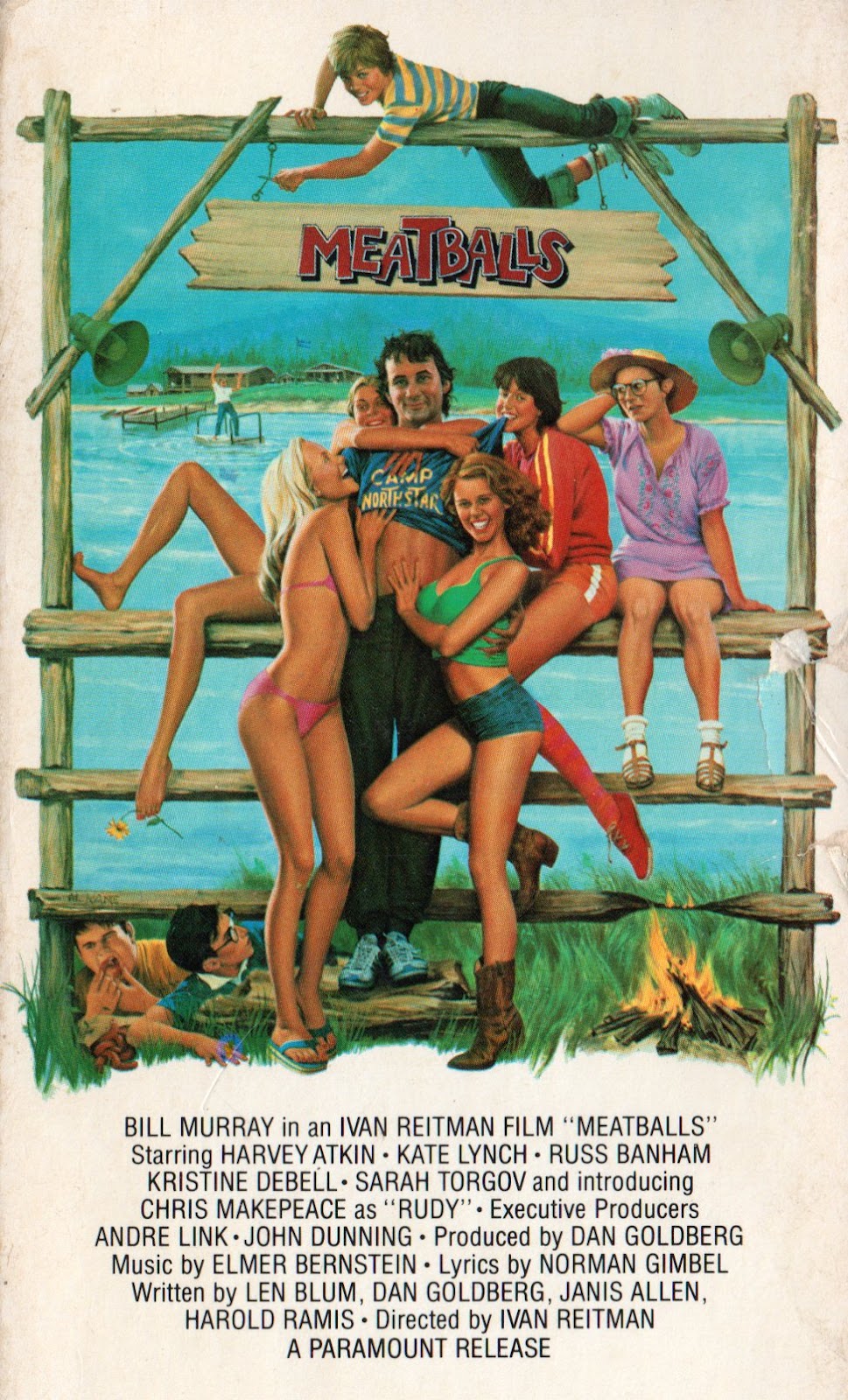
Meatballs (1979)

meatballs2

By Richard Winters

My Rating: 3 out of 10

4-Word Review: Shenanigans at summer camp.

Tripper (Bill Murray) has been assigned to lead a new group of counselors-in-training while simultaneously pulling pranks on camp director Morty (Harvey Atkin). He also takes shy camper Rudy (Chris Makepeace) under his wings and giving the kid some confidence, so that he can play in sports and feel that he has a chance to win. Tripper also gets involved in the annual Olympiad between his camp, Camp North Star, and their rival Camp Mohawk, which sits across the lake from theirs. Camp Mohawk has won the title the past 12 years, but this year Tripper thinks things will be different mainly because he’s trained Rudy on how to be a cross-country runner due to their early morning jogs together and assigns him, much to the disagreement of the other campers, to run against Mohawk’s top runner in the crucial final race.

This was the fourth film directed by Ivan Reitman and while he went on to direct a lot of big hits I felt here he was still learning the craft and it would’ve been a better movie had someone with more experience been at the helm. Originally it was intended for John Landis to direct, but he was too busy working on The Blues Brothersso Reitman reluctantly took the reins, but the pacing and tone is all off. To some degree it seems to want to be an Animal House wanna-be filled with off-color humor and slapstick, but at other points it tries for sentimental drama. Nowhere is this more evident than it’s eclectic choice of music featuring bouncy tune by Rick Dees and then turning around and having a sappy song by Maureen McGovern that seems out of place for a film that most of the time dwells in low brow humor.

Story-wise it’s incredibly vapid and seems to almost be plotless most of the way. The main crux of the script is apparently centered around Rudy and Tripper’s attempts to help him find some confidence in himself, but even these moments come-off as trite and thrown-in at haphazard intervals. In-between we get treated to a lot of silly hijinks and benign characterizations that mostly fall flat. There’s a lot of potential story threads that the could’ve been funny, but the movie fails to follow through on.

There’s a segment where the parent’s come to visit for a day, but this lasts for a minute and then it’s over. I also wanted to see the reluctant Rudy give out the morning messages of the day via an intercom set-up that had been traditionally done by Tripper. Since Tripper was going to be out he handed over the duties to Rudy who seemed nervous about the responsibility, so it would’ve been interesting to watching how he ended up approaching it and how the other campers responded, but instead we aren’t shown any of it. The same goes for a little boy who brings a frog with him that doesn’t ever move because he’s ‘tired’ yet we never get any follow-up to this, so why even have the scene, which isn’t funny or interesting anyways, if it has no real point to the plot?

The running gag involving the camp director named Morty who’s constantly referred to as ‘Mickey’ gets overblown and rather dumb. It has him being such a sound sleeper that the other campers, under Tripper’s guidance, move him and his bed, along with his bedside table, out of cabin and into various other parts of the campsite including at one point on a raft on a lake. When he wakes up he then finds himself in a very precarious situation, but it’s hard to believe that someone could sleep that deeply that they would’ve wake-up while they were being moved. Even if that were the case you’d think they’d come-up with some way to prevent it occurring in the future like bolting their door shut, or constructing some sort of booby trap that would catch the pranksters in the act. This could actually make it even funnier as it would be upping the ante each time versus just replaying the same old prank. At the very least you’d expect an ultimate angry confrontation between Morty and Tripper who he knew was behind it, which at one point he threatens to do, as he states ‘we’ll talk about it later’, but we never see the ‘talk’ actually happen, which again makes it seem like the movie really isn’t going anywhere.

Bill Murray, who reportedly wasn’t sure if he wanted to do it due to his SNL obligations at the time, but finally did show up to the shoot on the third day of production, is genuinely quite funny and the only things that saves it from being a dud though it comes close to being one anyways. However, his character does prove to be a bit problematic in the scene where he aggressively tackles an attractive counselor he wants to have sex with, played by Kate Lynch, which would be deemed sexual harassment in this day and age and not the ‘good natured, boys will be boys’ fun that it was considered at the time.

The film though does manage to elicit nostalgic homage to the camping experience, so those that look back to their summer camp days with fond memories may bond to this better. Otherwise I found it highly overrated and genuinely surprised that it did so well at the box office.

My Rating: 3 out of 10

Released: 1 Hour 34 Minutes

Rated PG

Director: Ivan Reitman

Studio: Paramount Pictures

Available: DVD, Blu-ray, Amazon Video, Freevee, Pluto, Roku, Tubi, YouTube

Bear Island (1979)

bear

By Richard Winters

My Rating: 4 out of 10

4-Word Review: Killer in the artic.

A group of scientists travel to a small island in the artic to study the effects of climate change. They’ve been instructed by Gerran (Richard Widmark), the leader of the expedition, who forbids anyone to go near the U-boat base, which are ships leftover from WWII, but Lansing (Donald Sutherland) whose father was a U-boat captain, decides to sneak off one day with his friend Judith (Barbara Parkins) to check it out. Along the way they get struck by an avalanche that kills Judith, and which Lansing is convinced was started by a mysterious man with a rifle. He goes to the location again the next day and is able to find the cave the ships are in via snorkeling. He comes upon evidence that someone else from the camp had already been there and soon more people from the group begin turning-up dead.

The film is based on the Allistair MacLean novel of the same name, which was published in 1971. Great care was put into the production to make it seem as authentic as possible. Producer Peter Snell wanted it filmed at a cold location because he desired a real looking the snowy landscape and stated that audiences “can tell styrofoam snow”, and since I’m originally from a northerly region I can attest to that myself and one of the things I really hate about movies that take place in cold places, but shot inside a film studio. However, they weren’t able to shoot it at the actual  Bear Island, which is off the Norwegian coast, because they wanted to take advantage of the tax write-off that they would get by filming it in Canada and this in fact became the most expensive movie ever made in Canada up to that time.

While the film didn’t do well with either the critics, or the box office, there are some really cool scenes. I loved the bird’s eye views, especially the opening one of a man skiing all by himself amidst the otherwise barren, white landscape. The sequence between two snow scooters known as ‘The Caterpillar’, which are driven by Sutherland and Vanessa Redgrave, and two hydrocopters, which are maned by the bad guys, makes for a very unique and exciting chase over the frozen tundra. The collapsing of a giant radio tower and Sutherland getting involved in a bare knuckle fist-fight are also quite memorable.

The acting is good especially by Widmark who speaks in a German accent. I also liked Christopher Lee’s performance though for him he gets more captivating after his character gets injured and he lays dying. Vanessa Redgrave though is wasted. She speaks with a Nordic accent, which makes it somewhat interesting, but her character doesn’t have much to do and is just lead around by Sutherland and the forced romance between them is both annoying and ridiculous. You’d think someone who had just won the Academy Award for Best Supporting Actress just a year before would’ve had a better quality of parts to choose from though her outspoken politics may have had something to do with a more limited selection of offers making her feel that she had to take this one simply to stay busy.

The film’s fatal flaw though is that it doesn’t stay faithful to the book and makes many plot changes including having the group be scientists instead of a film crew like it had been done in the novel. This was director Don Sharp’s idea as he felt you couldn’t ‘make films about film units’, which I whole heartedly disagree. People working on movies have a far more eclectic personalities, ‘artsy types’ than scientists who are more matter-of-fact about things and tend to respond in a reserved manner. The characters are quite dull and there’s very little to distinguish them from the others. The viewer has no emotional investment in any of them and thus who gets killed, or even the identity of the killer becomes pointless and outside of the snazzy stunts it has no impact.

Spoiler Alert!

Having the killer turn-out to be Lawrence Dane was another disappointment as he had played villains many times before and his lurking eyes makes him almost a shoe-in for a bad guy and the first person you’d expect.  Some creativity to the killer’s identity was desperately needed possibly even have it turn out to being Redgrave, or even Sutherland might’ve been a big enough surprise to make the rest of it seem worth it, but ultimately this is yet another example where too much attention was put into the effects and not enough in the character development.

My Rating: 4 out of 10

Released: November 1, 1979

Runtime: 1 Hour 58 Minutes

Rated PG

Director: Don Sharp

Studio: Columbia Pictures

Available: VHS, DVD (Region 0), DVD-R

A Day in the Death of Joe Egg (1972)

deathjoe

By Richard Winters

My Rating: 9 out of 10

4-Word Review: Caring for disabled child.

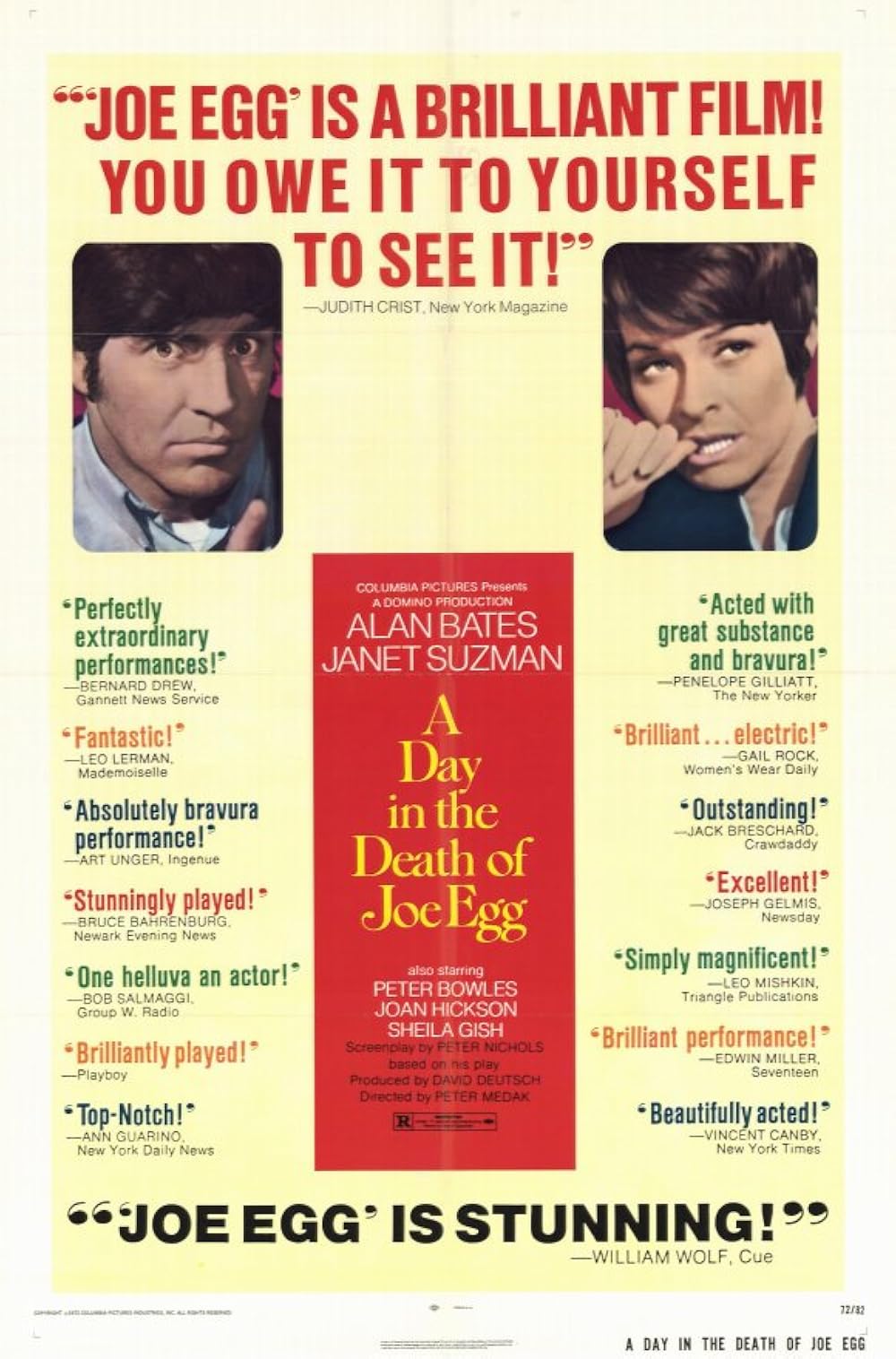
Bri (Alan Bates) and Sheila (Janet Suzman) are a British couple caring for their daughter Josephine (Elizabeth Robillard), who they’ve nicknamed ‘Jo’ or ‘Joe Egg’. Sheila had a narrow pelvic, which caused Jo’s birth to be a difficult one. The couple had wanted the delivery to occur at home, but due to the complications they were forced to go to the hospital. Initially Jo seemed to be a healthy baby, but she began to suffer from ongoing seizures that eventually put her into a coma. She never came out of it and by age 10 sits in a wheelchair unable to speak, care for herself, or show any type of emotional response to anything. Bri and Sheila pretend to have ‘conversations’ with her in an attempt to lessen the stress of caring for her. Bri feels she should be placed in an institution, but Sheila won’t hear of it, which causes a rift to form in their marriage. Eventually Bri becomes so frustrated with the situation he begins to consider killing Jo and even starts to joke about his intentions to not only his wife, but also their friends (Peter Bowles, Sheila Gish).

The film is based on the stage play of the same name written by Peter Nichols who used his own experiences of caring for a child with cerebral palsy as the basis for the story. It premiered at the Citizen’s Theatre in Glasgow, Scotland in 1967 before eventually moving to Broadway a year later where it starred Albert Finney and Zena Walker and won rave reviews. The movie was filmed in 1970 and completed on time, but the studio decided to then shelve it fearing due to the downbeat storyline that they’d have no way to market it and it would be unable to find an audience. It was only after Suzman’s acclaimed performance in Nicholas and Alexandra that they eventually released it to theaters hoping to capitalize off the attention she got from that one in order to get people to see this one.

Many sources refer to this as being a ‘black comedy’, but I found absolutely nothing funny and in fact it’s instead brutally bleak. I guess the humor as it were was in the way the parents have ‘conversations’ with the kid, but this doesn’t really come-off as being even the slightest bit amusing particularly when you have the child just sitting there with her eyes rolled-up in her head and resembling someone who has died.

This doesn’t mean I didn’t like the film as in-fact I found it quite powerful, but clearly much more from the dramatic end. I admired the way it pulls-no-punches and forces the viewer to confront some very uncomfortable questions like what is the point of caring for a child that will never be able to recognize them, or show any response, or emotion to anything? Granted there’s many kids with disabilities out there and some can grow to lead productive lives, but when one is in a literally vegetable state such as this it does make it infinitely more severe and emotionally challenging. Director Peter Medak approaches the material, which is certainly no audience pleaser, in an earnest way with many varied cutaways and dream-like segments including one memorable moment where Bri and Sheila are on a gray, stormy beach and he imagines throwing the baby carriage that the child is in into the sea, which helps give the production a moody, surreal-like vibe and keeps it on the visual scale quite inventive.

The acting is superb especially Suzman whose character must deal with the inner turmoil of dealing with the stark reality a child who won’t ever grow into anything, but also a husband, whom she loves and is emotionally dependent on, who wants out. It’s interesting too seeing Sheila Gish in a supporting role as a friend who places a high degree on physical appearance and can’t stand anything that is ugly, or deformed and yet she in real-life many years later lost an eye to skin cancer and was forced to walk around with an eye patch.

I was most impressed though with Robillard whose career never really took-off, but proves up to the challenging task here and was picked out of over 100 other children who auditioned for the role. Remaining motionless and unresponsive and whose only noise is periodic moans isn’t as easy as you’d think especially when everyone else is moving and speaking around you. The best moments of the whole movie is when Sheila envisions what Jo would be like if she were a normal kid and we see shots of her jump roping and playing with the other children, which effectively accentuates their sad situation even more.

Spoiler Alert!

The ending, where Bri essentially runs away from home and leaves Sheila alone with the kid, I felt was realistic and most likely what would happen to most any couple stuck in the same environment. The shots of seeing Sheila lying down in bed fully aware that Bri is gone and looking almost at peace with that to me spoke volumes. My only complaint is that I felt the couple’s tensions and cracking of their relationship should’ve been apparent right from the start. They seemed to get along too well at the beginning, but with the child already age 10 by that point and with no signs of ever getting better I felt there should’ve already been plenty of arguments and disagreements and sleeping in separate bedrooms instead of showing them still having a robust sex life and only by the second act do things finally start falling-apart between them.

My Rating: 9 out of 10

Released: June 4, 1972

Runtime: 1 Hour 46 Minutes

Rated R

Director: Peter Medak

Studio: Columbia Pictures

Available: DVD-R

Hold-Up (1985)

holdup

By Richard Winters

My Rating: 5 out of 10

4-Word Review: Robber disguised as clown.

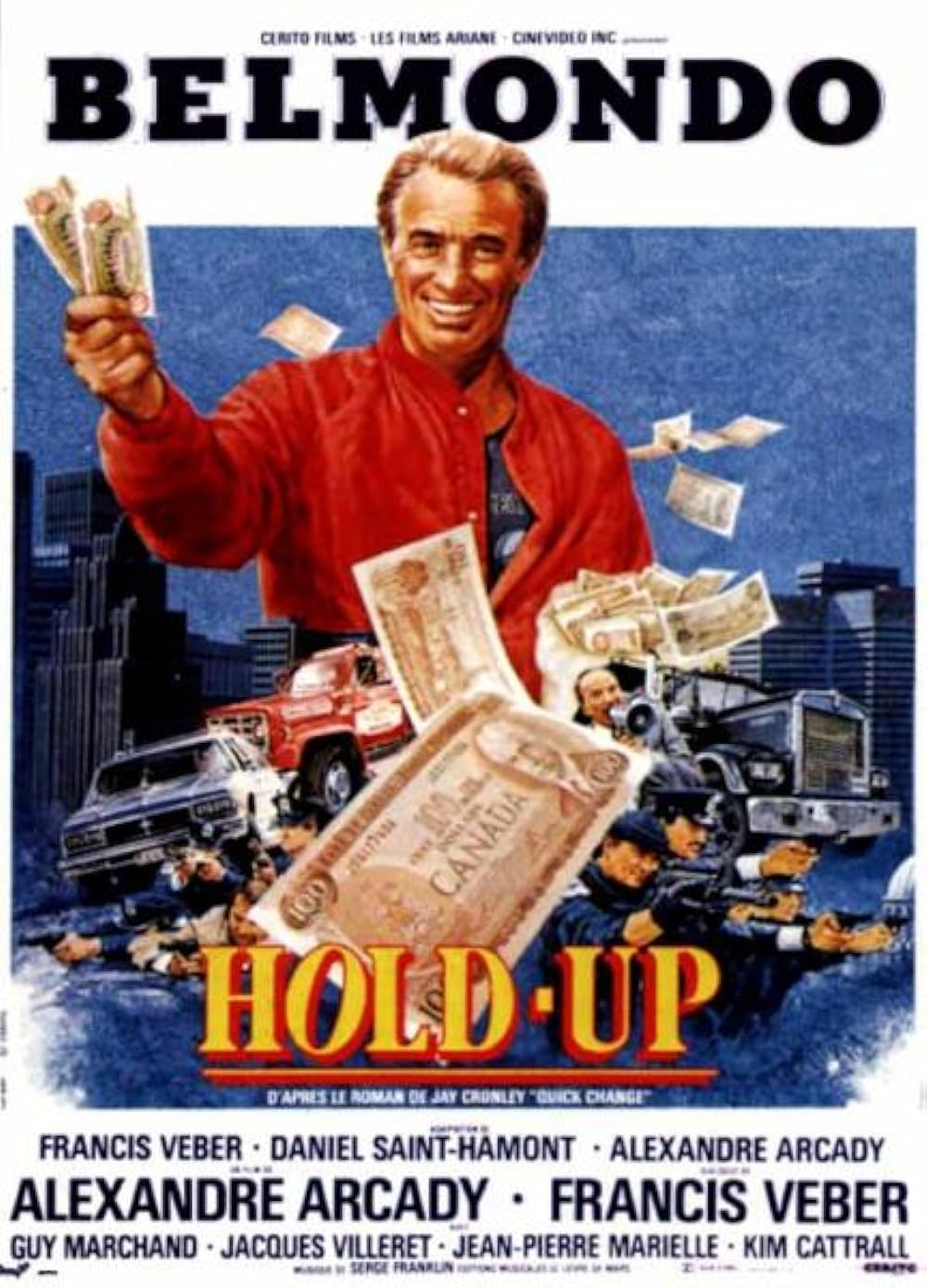
Grimm (Jean-Paul Belmondo) has come-up with what he considers to be an ingenious plan. He will rob a bank disguised as clown with two of his friends, Georges (Guy Marchand) and Lise (Kim Cattrall). While he’ll be a clown the other two will pretend to be bank customers and then when he agrees with the Police Commander Simon (Jean-Pierre Marielle), whom he is negotiating with via phone, to release some hostages he’ll let Georges and Lise ‘go’ and no one will know the difference. Meanwhile Grimm will take-off his clown disguise and put on a new one as an old man while pretending that the clown is still inside holding the rest of the bank employees and customers at gunpoint. By the time the police catch-on that there’s no longer any clown the three hope to have escaped on a plane and be far away. While the robbery works without a flaw the getting on the plane part becomes a major, if not impossible, challenge.

The story is based on the novel ‘Quick Change’ by Jay Cronley, which 5 years later was made into another, better known movie that starred Bill Murray. This was a French production that was filmed on-location in Montreal, Canada and one of the few movies that starred Belmondo that didn’t do well financially back in his home country and in-fact it was the first staring vehicle of his that didn’t crack the top 10 of highest grossing movies of that year, which was the first for him since 1976 when L’Alpagueur achieved only 19th place.

Belmondo is certainly a legendary actor whose long and storied career deserves to be admired, but I didn’t care for him here and felt his presence actually brought down the whole movie. He was apparently quite admired behind-the-scenes amongst the cast and crew and he did all of his own stunts including a scene where he climbs out of a moving car and manages to slither his way, while the vehicle is still going at high speeds, onto a tow truck and he did this while already being in his mid-50’s. However, his character is overly cocky and his glib conversational interplay between he and the police chief does not come-off as funny and more like you side with the chief and want to see this arrogant man caught. You’d think someone who had never pulled-off a robbery before would be much more nervous, or at least display some signs of anxiety, so his unbridled confidence seems completely out-of-place with the situation he’s in.

If anything I enjoyed Marchand and Cattrall far better as these two seemed much more human and displayed the insecurity you’d expect. They were like regular people full of foibles and someone you’d actually want to root for and thus I felt the movie would’ve been greatly improved had it just focused on the couple doing the robbing and cut-out Belmondo’s part completely. I also didn’t think the clown disguise worked as unlike in the American version his whole face isn’t covered with white paint and instead simply uses a red wig, a red clown nose, and some eyebrows, which I didn’t feel would be enough to hide his true identity and witnesses could’ve easily recognized who he was outside of the clown get-up and thus the whole disguise thing ends-up defeating its own purpose.

The first act works pretty well with shades of Dog Day Afternoon and some offbeat moments to the bank robbery theme by having one scene where the hostages are forced to get in a circle and sing a rendition of ‘London Bridges Falling Down’. The second and third acts though become protracted and seem to be the start of a whole different movie altogether. The bank segment has a crafty, sophisticated tone where the humor has a satirical bent and the main characters seem smart, savvy, and cool. In the second half the movie suddenly becomes like a live action cartoon with an abundance of car chases and the three leads, who had seemed so clever at the beginning, quickly become inept at seemingly every turn.

The biggest problem is the Lasky character played by Tex Konig. Konig is a big bearded guy that resembles Bluto from the old Popeye cartoons who’s also a tow truck driver who wants to get his hands on the stolen money and chases the three all around the city, which leads to many car stunts and crashes. Some may enjoy the smash-ups, but it comes across as unimaginative filler by filmmakers that didn’t know how to end the story cleverly, so they came-up with a lot of mindless action in order to keep it going.

The infighting between Cattrall and Marchand seems unnecessarily added in as well. This animosity needed to be introduced right at the start in order to make it consistent with the plot and not just thrown-in later to add some conflict for the sake of conflict. You’d think too that if she really resented the guy she would’ve refused to go ahead with the robbery unless someone else took his place.

Having the story then end with the three going to France and then Italy just furthers dilutes the plot, which no longer resembles a robbery flick at all, but more of a jet setting one. While not perfect the remake, which came-out in 1990, fares better in just about all phases.

My Rating: 5 out of 10

Released: October 23, 1985

Runtime: 1 Hour 54 Minutes

Not Rated

Director: Alexandre Arcady

Studio: Cinevideo

Available: DVD-R (dvdlady.com)

Wild Horse Hank (1979)

wildhorse

By Richard Winters

My Rating: 4 out of 10

4-Word Review: Teen girl saves horses.

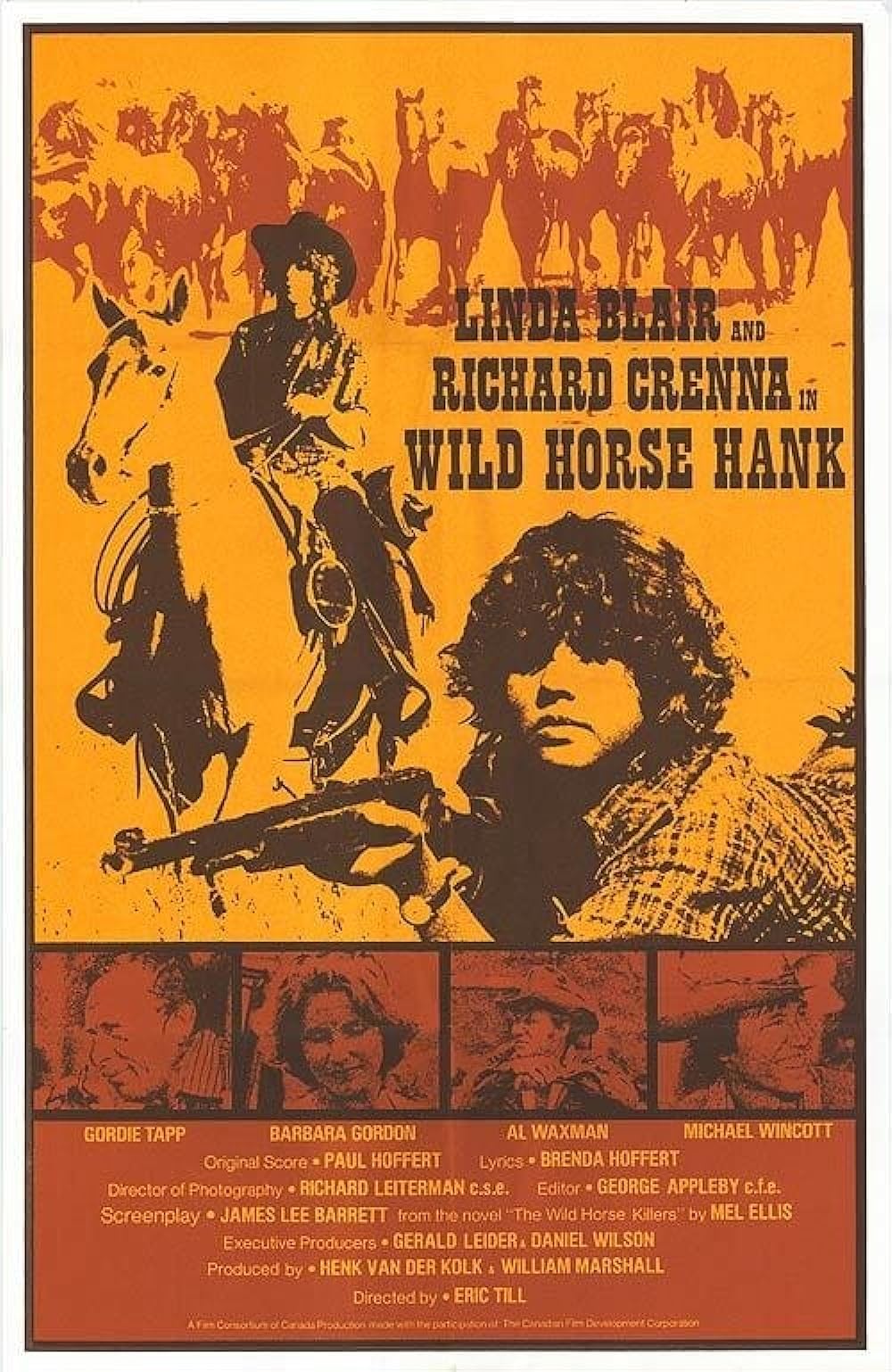
Based on the novel ‘The Wild Horse Killers’ by Mel Ellis the story centers around a teen girl named Hank (Linda Blair) who while tracking down her escaped stallion comes upon a group of men abusing some horses. She later learns that these men plan on destroying them in order to resell their meat for pet food. Hank becomes determined to herd them along treacherous terrain to the safety of a federal park where the horses will be free to roam without danger of being hunted. The problem is that it will be 150-mile trek and her father (Richard Crenna) doesn’t feel she’ll be up to the job, but Hank isn’t use to taking no for an answer and decides, with rifle in hand, to take on the challenge.

What stood out for me was the gorgeous western Canadian setting filmed on-location at both Dinosaur Provincial and Waterton Lakes National Park in the province of Alberta. The vast open view gives one a true sense of the outdoors and the rugged elements. The portrayal of the towns folk particularly the girlfriend of one of the bad guys, played by Barbara Gordon, who refers to her toddler son as her ‘popcorn fart’ and allows him to sip beer while complaining to everyone that he’s ‘a burden’ displays in raw fashion the economic hardship of country living and how fringe some in that region are and what levels they’d be willing to resort to in order to try and get out of it. It also gives a motivation for why the men are as savage as they are and it isn’t so much that they’re just ‘evil’, but more because other opportunities in such isolated areas are sadly few and far between.

The men are portrayed differently than in most other films where bad guys are given menacing looks and threatening presence. Here though they’re more like non-descript jobos you might find at the neighborhood bar, who on their own don’t pose much of a threat and like with the culprits in the classic film Straw Dogs don’t really become scary until they band together showing how otherwise benign people can become dangerous through peer pressure and financial insecurity, which in a way ends up making them even scarier.

Blair can certainly be a great actress if given the right material and knowing how much she loves animals I’m sure she took on this project because the theme was close to her heart, but the character doesn’t offer her much acting range. Normally the protagonist is supposed to grow and change in some way during the course of a movie, but here she’s one-dimensional. She’s super head-strong right from the start and remains that way to the end making her personal journey static. Had she been insecure at the beginning and then learned to overcome those feelings would’ve at least given the character a genuine arch.

I was surprised too that Crenna, who’s only adequate in his role and borders on being miscast, doesn’t go along with his daughter on her trek. He argues with her about how dangerous it is and yet ultimately waves her on her way and stays home. Had he tagged with her there could’ve been more opportunity for conversation and learned more about these people instead of long segments of silence, which makes the viewer more emotionally detached from what the character is going through instead of engaged.

I know I’ve complained about other adventure movies that throw in a hooky romance as a subplot, which I usually find annoying and yet this is a rare case where I wish it had been done. There’s a young good-looking guy named Charlie, played by Michael Wincott, who’s related to the poachers, but teeters the fence on whose side he’s on. He has some interactions with Blair during her trek and seemed like he was a potential love interest, but then he disappears only to come back later. He should’ve stayed all the way through as they made an interesting and cute couple with just enough animosity to keep it spicy.

Spoiler Alert!

There is a scene where Blair’s horse gets injured and she’s forced to shoot it, which I found powerful and the climactic sequence in which her father, who conveniently reappears again, gets all the truckers to create a roadblock, which stops the traffic, so the horses can cross the road. Overall though the film lacks subtext. The formula is too simple and straight forward. It may interest preteens especially those who love horses, but the main characters aren’t multi-dimensional.

My Rating: 4 out of 10

Released: May 15, 1979

Runtime: 1 Hour 35 Minutes

Not Rated

Director: Eric Till

Studio: Canadian Film Development Corporation

Available: DVD-R

If You Could See What I Hear (1982)

ifyou

By Richard Winters

My Rating: 2 out of 10

4-Word Review: Blind man finds love.

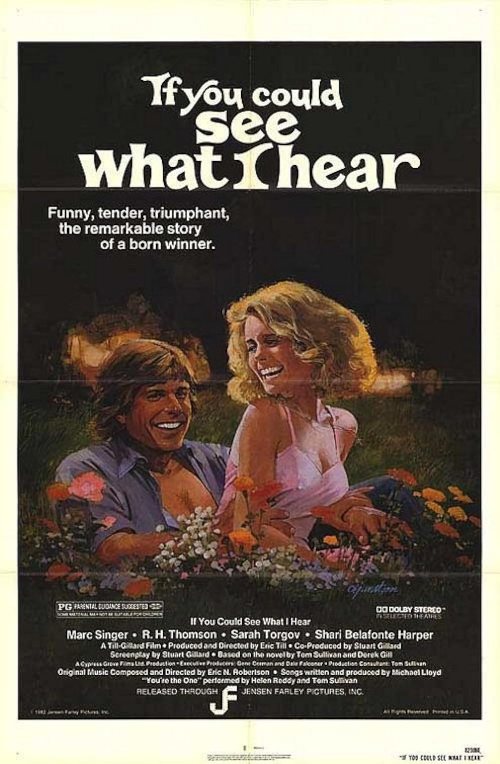
Tom (Marc Singer) is a young man attending college who also happens to be blind due to being a premature baby and put into an incubator that had too much oxygen. He meets up with Sly (R.H. Thompson) and the two become fast friends and eventual roommates. Both go on the prowl for women with Tom having the better luck as he soon gets into a relationship with a black woman named Heather (Shari Belafonte) though when he proposes marriage she bails. He then has flings with many other women that he meets at a bar where he works at, but when he meets Patti (Sarah Torgov) he begins to fall in-love despite their differences as she’s a staunch catholic while he’s an atheist.

The story is based on the early life of Tom Sullivan who became a famous songwriter and singer during the 70’s, he even sang the National Anthem at Superbowl X, as well as gust starring in several popular TV-shows of that era though today probably not that many people would know who he is. Marc Singer, best known for having starred in The Beastmaster as well as the 80’s TV-miniseries ‘V’, is also a casualty of that period and not real well known outside of those who lived through the decade. Why Singer was even cast I’m not sure as Sullivan clearly had acting experience and I would’ve thought he could’ve played himself and it might’ve been a better movie had he done it.

Story-wise it comes-off as comical vignettes spliced together and hardly seems believable, or at the very least highly exaggerated. Sullivan is given too much of a bigger-than-life vibe as where ever he goes everyone immediately gravitates to him and he becomes the life-of-the-party.  When he does seem to get into trouble he’s able to easily get out of it in circumstances that others wouldn’t. For instance he gets stopped by the police for driving a car without a license or vision, something that would get anyone else a ticket, fine, and arrest especially when his car does end up causing damage, but here the cops just shake their heads in a bemusement and walk away. He also jumps off a boat in the middle of a deep lake without a life jacket and unable to spot the life line that gets thrown to him and yet miraculously he gets out of this pickle just fine too. He’s even able to play golf against opponents with vision and beat them at their own game even catching them when they try to cheat. It’s like the guy can never lose.

The romantic/sex angle gets handled in an equally glossy way. He has a Fonzi-like quality with hot women clinging to him like he’s a magnet. Bimbo blondes and other babes prance in an out of his rented bedroom on an almost nightly basis to the point I was stunned when one of them refuses to go up to his room. This is only because she was ‘catholic’, but then after awhile she ends up doing it with him anyways with the brief delay being caused by her ‘morality’. It’s like his handicap is never a factor and in some ways almost an asset.  Some may argue this is a good thing as it shows a blind person can still live a normal life, but I don’t think there’s anything ‘normal’ here as even a good-looking sighted man isn’t able to score as frequently and consistently as this guy.

Spoiler Alert!

I have nothing against cute. Sometimes a cutesy moment or two in a movie is a good thing and can help bring in a lighthearted mood, but when it gets done constantly throughout it becomes like eating an entire carton of ice cream, which may be good for awhile, but will eventually make you puke. Even when it does finally get serious, which doesn’t occur until 90-minutes in, when he tries to save a young girl whose fallen into a backyard pool, it gets botched. Supposedly this is based on Sullivan’s true-life incident where he saved his own daughter from drowning, but I have a strong feeling the logistics were changed from the real one as here we see the girl floating lifelessly for several minutes making it look like her lungs were filled with water and beyond saving.

Of course there will always be those that may like it. There’s one commenter on IMDb who states she used to watch this over and over back in 1983 when it was on HBO and really loved it though if she went back to it now she might I suspect see it in a more critical way. Siskel and Ebert, who could never agree on anything, both voted it the worst movie of 1982.

My Rating: 2 out of 10

Released: April 23, 1982

Runtime: 1 Hour 43 Minutes

Rated PG

Director: Eric Till

Studio: Citadel Films

Available: DVD-R (dvdlady.com)

End of the Game (1975)

endofgame

By Richard Winters

My Rating: 7 out of 10

4-Word Review: Unable to prove crime.

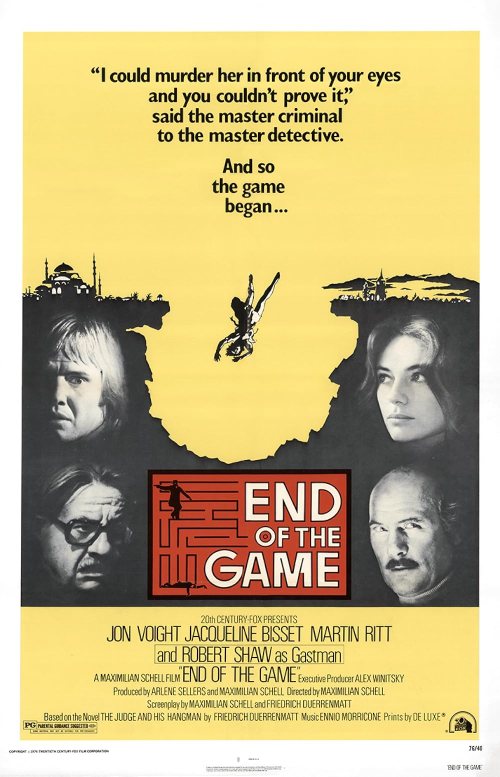
Richard Gastman (Robert Shaw) makes a bet with his young friend Hans (Martin Ritt) that he can commit a crime in front of him, but Hans will be unable to prove who did it. Later Hans’ girlfriend (Rita Calderoni) plunges to her death from off of a bridge. Hans is convinced Gastman did it, but just like he predicted he cannot prove it. 30 years pass and Hans is now a police commissioner with only a few months to live due to suffering from stomach cancer. His Lieutenant Schmied (Donald Sutherland) is found shot to death inside his police vehicle. He’d been assigned by Hans to keep tabs on Gastman as Hans was still intent on making him pay for what he did to his girlfriend, but he again can’t prove that Gastman killed Schmied though he’s certain that he did. Walter (Jon Voight) gets assigned to the case, but Hans can’t be completely honest with him about the case, so instead he sets Walter up to witness firsthand the brutality of Gastman for himself.

The story is based on the 1950 novel ‘The Judge and the Hangman’ by Frederich Durrenmatt who also wrote the screenplay and has a very amusing cameo as a man who plays chess against himself and always loses. The novel was first adapted into a broadcast for German television in 1957 and then again in 1961 for British TV, and then it got adapted for a third time for Italian television and then a fourth as a TV-movie for French broadcast before finally making it’s way to the big screen with this version, which so far has been the last adaptation to date.

The film was directed by Academy Award winning actor Maximillian Schell who was unable to get along with either of his leading actors with Shaw accusing him of being a ‘clockwatcher’ and ‘pocket Hitler’ while Voight described him as being humorless and overly demanding. The film is well directed for the most part, but an unusual reliance on humor almost kills it. The story itself is certainly not meant to be funny, but Schell implements comedic moments particularly in the first half when they’re not needed and almost a distraction. This is particularly evident during Schmied’s funeral and earlier when Schmied’s body is found and another cop drives the corpse to the hospital with Donald Sutherland, in an unbilled bit, playing the dead man and his body twisting around in weird ways as the car goes down the curvy road, which is humorous, but unnecessary and doesn’t help propel the plot. Initially too the corpse is spotted by some pedestrians who stare at it through the car window and seem amused by it, which isn’t exactly a normal reaction people have when witnessing someone who has just died. Possibly this was meant to show the public’s distrust, or disdain for the police, but if that were the case it should’ve been explained and elaborated.

The casting is unusual as it features Ritt in the lead who’s better known as a director, but here ultimately shines and becomes the film’s only likable character though the way he behaves throughout still makes him seem sketchy like everyone else. Shaw, who complained that he never got paid the $50,000 that he was owed for doing this, is commanding as usual, but Voight who wears a shaggy bleached blonde look comes-off as creepy right away. Technically the viewer is expected to side with his character, at least upfront and consider him a ‘good guy’, but right away Voigt telegraphs it in a way that makes him seem ‘off’ and hence kind of ruins the stories eventual twists.

For those who like complex whodunits this might fit the bill. The plot certainly does constantly unravel in surprising ways and no one should be bored, but the characters are cold and unlikable. There’s no one to root for and therefore the viewer is not as keyed into the outcome as they would’ve had they been more emotionally invested. The editing is also quite choppy and there seems to be certain key elements that get left out, which most likely due to the fact that the original runtime was 106 minutes, but the DVD version, the only one publicly available at this time, runs a mere 92 minutes.

My Rating: 7 out of 10

Released: September 21, 1975

Runtime: 1 Hour 46 Minutes (Director’s Cut) 1 Hour 33 Minutes (DVD Version)

Rated R

Director: Maximillian Schell

Studio: 20th Century Fox

Available: DVD-R

Footprints on the Moon (1975)

footprints5

By Richard Winters

My Rating: 4 out of 10

4-Word Review: Tormented by a nightmare.

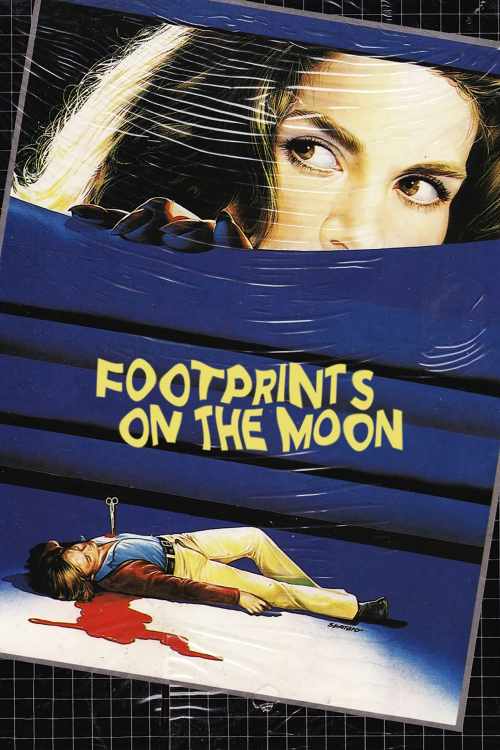
Alice (Florinda Bolkan) is tormented by a constant dream involving an old movie she saw when she was younger that dealt with a man being left on the moon to die. She awakens one morning to find that she’s slept for over 2-days and when she arrives at her job she learns that she’s been fired for not showing up and not calling-in. She gets back to her apartment and spots a postcard revealing a hotel, which she vaguely remembers being at. She decides to travel there, which is off the Turkish coast, and meets people who say they’ve seen her before, but while wearing a wig and going by a different name.

The film’s chief asset is the directing by Luigi Bazzone, who had a brief 10-year career where he did 5 films and then inexplicably retired when he was only 46 and never to do another film after this one, which is a shame as he had many more years ahead of him and could’ve helmed a slew of interesting movies in the process. This one definitely relies on a good visual touch. The opening bit done on the moon has certainly a tacky quality, but is also captivating. It doesn’t exactly look authentic, but captured in a way that gives it a dream-like feel and makes it gripping. The island setting that Alice goes to, shot in Phaselis, has such a unique topography that it gives the whole thing a very outer worldly appeal and helps enhance the bizarre story elements.

Bolkan’s presence though does not help. She wears a perpetual scowl, outside of one moment when she smiles to greet a child, that makes her unappealing and hard to sympathize with. She also lost too much weight, reportedly 11 pounds by her own admission, making her look scrawny and like she could tip over with the slightest breeze. She already had a thin frame, so for her to lose anymore, makes her anorexic and not sexy particularly when she goes nude during a shower scene.

Her character is ghost-like and transparent. Some may say this is due to the twist, but for the viewer to get wrapped-up into the character’s quandary they need to see her as a multi-dimensional person. Instead we get someone with no apparent connections to the world around her. Having her go through the plot with some other friend beside her, which she could’ve fed-off of emotionally whenever she got upset, or confused would’ve helped tremendously. Trying to care about a person who’s not fleshed-out doesn’t work and I went through most of it feeling ambivalent about the protagonist’s fate.

Nicoletta Elmi, who plays a young girl that Alice meets while on the island, has far more appeal especially with her striking red hair and clear blue eye, and thus her scenes allow for some intrigue though her conversations with Alice seem to just be repeating themselves. Klaus Kinski is only on hand for a little while and never interacts with anyone making it seem like he’s in some other movie with no connection to this one. In fact his moments could’ve been cut, he only gets shown sporadically anyways, and the movie would not have been hurt by it.

The plot, which was based loosely on the novel ‘Las Huellas’ by Mario Fenelli, doesn’t have enough going on to hold the viewer’s attention. This is yet another example where had it been shortened it would’ve worked perfectly as an episode for the “Twilight Zone’, but here it labors along. It gives out a lot of tantalizing clues at the beginning, but the second act goes nowhere with not enough twists. The concept becomes highly strained with a character that doesn’t interact enough and the few conversations she has are bland and don’t allow the story to progress. The ‘surprise ending’ doesn’t make-up for the lulls and only leads to more questions than answers.

My Rating: 4 out of 10

Released: February 1, 1975

Runtime: 1 Hour 30 Minutes

Not Rated

Director: Luigi Bazzoni

Studio: Cineriz

Available: DVD-R, Amazon Video, Screambox

Absolution (1978)

absolution

By Richard Winters

My Rating: 7 out of 10

4-Word Review: Pranking a strict priest.

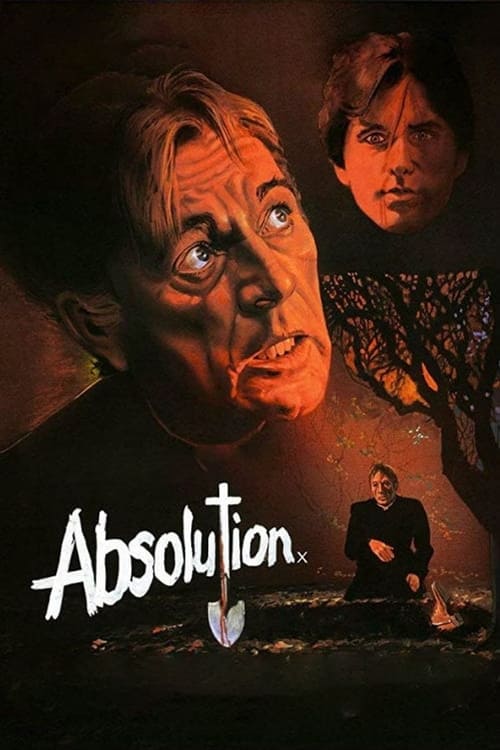
Father Goddard (Richard Burton) is the head of an English Boy’s School and uses his influence to control those who attend and is unflinching on his policies. Goddard constantly displays a cold and detached demeanor particularly with Arthur (Dai Bradley) a handicapped student that the Father doesn’t seem to care for. Benjie (Dominic Guard) on the other-hand is the teacher’s pet and routinely shown favorable treatment. Benjie though grows to resent the Father’s stern ways when he’s told he can no longer visit with Blakely (Billy Connolly) a motorcycle riding vagabond who has set-up an encampment just outside of the school grounds. Benjie decides to play a prank on the Father after hearing the lecture about the seal of confession, which a priest cannot break even if what he’s told is about a murder, so during confession Benjie tells Goddard that he’s murdered Blakely. Goddard initially doesn’t believe him, which sets off a myriad of twists that soon sends Goddard’s life, career and even his sanity spiraling out-of-control.

After the success of The Wicker ManAnthony Schaffer was commissioned by director Anthony Page to write another script that could be made into a movie and Schaffer decided to choose one that had initially been meant as a stageplay, but had never been produced. However, once Schaffer had completed his adaptation Page was unable to find a studio willing to fund it and he was ultimately forced to use his own money and Burton agreeing to slash his normal fee in order to get it made.

The lack of a budget is sorely evident at the start featuring a grainy print with faded color and what initially seems like misplaced banjo music that would be considered more appropriate for a film set in the American south instead of England. Having it shot on-location at Ellesmere Collage helps as many of the local pupils played the students here and the film gives-off a realistic atmosphere about what a boys school would be like with all of the kids looking age appropriate for their grade level and not like, as with other teen school movies, older actors in their 20’s trying to come-off as if they were still adolescents.

Billy Connelly, in his film debut, is terrific and it’s fun seeing Bradley, who was better known for his starring role in KesBurton though is the standout as his jet setting persona that he had at the time with Elizabeth Taylor gets completely erased and he fully sinks into his role of a steely-eyed, cantankerous man who rules with a rigid, iron-fist and whose simple presence wields terror in the boys as he walks-by and to some extent the viewer too. It’s a commanding performance that helps the movie stand-out.

Spoiler Alert!

The story though, while intriguing, doesn’t fully work. It becomes obvious that Goddard is being tricked by the boys, but you feel no empathy for his quandary. He has spent so much time up until then being a jerk that you end up siding with the boys, at least initially, which seriously hurts the tension as normally in a thriller/mystery such as this you’re supposed to side with the protagonist and want to emotionally see them get out of their predicament. Here though you like his mental breakdown and not as invested in finding out the resolution beyond it. The final explanation, dealing with the Arthur character supposedly disguising his voice to sound like Benje’s is too much of a stretch and ultimately hurts the credibility.

Shaffer stated in interviews that this was not meant to be an anti-Catholic movie, but I feel he said this in order not to alienate potential viewers as it’s clearly written by someone who grow-up in the church and had many problems with it. Father Goddard is more a caricature meant to represent Catholicism as a whole and how the religion with its very rigid rules ends up trapping those who follow it with a damned-if-you-do, damned-if-you don’t scenarios leaving its followers in a perpetual state of guilt and paranoia. This becomes quite evident at the end where the Father feels unable to break his seal of confession for fear of divine wrath, but also fears it for the murder he committed and his thoughts of suicide that would equally lead him to hell, per the teachings, making him more a victim of the religion than of the boys, which I feel was the whole point.

My Rating: 7 out of 10

Released: December 8, 1978

Runtime: 1 Hour 35 Minutes

Rated R

Director: Anthony Page

Studio: Bulldog Productions

Available: DVD, Blu-ray, Amazon Video