Tag Archives: Movies

Our Time (1974)

our time 2

By Richard Winters

My Rating: 6 out of 10

4-Word Review: She gets an abortion.

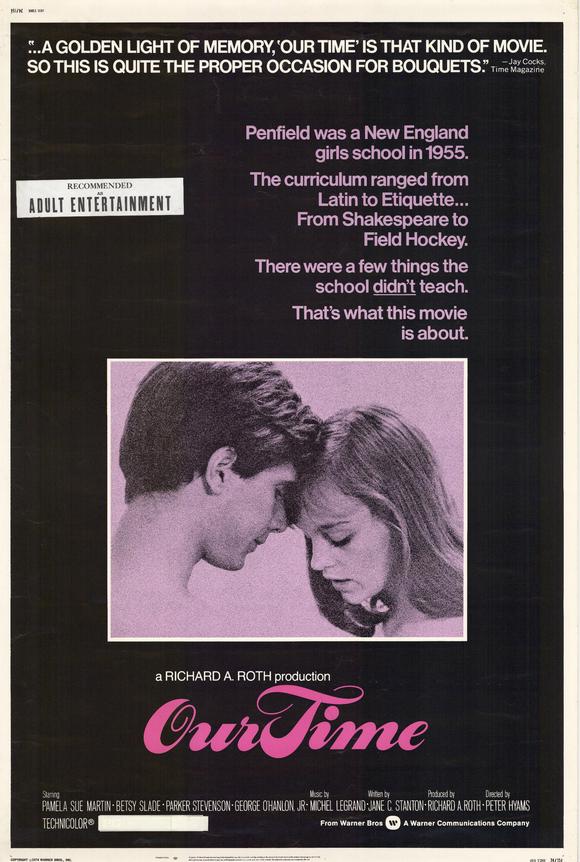
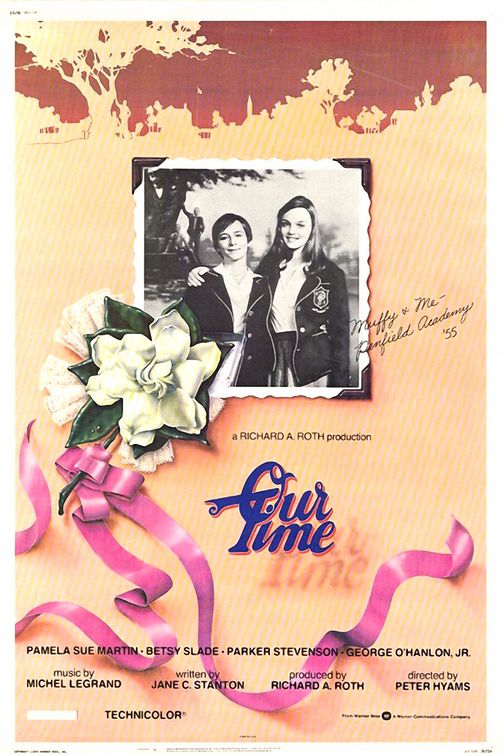
Abby (Pamela Sue Martin) and Muffy (Betsy Slade) are two teen girls and the best of friends that are attending a New England all-girls school during the 50’s. Abby is in love with Michael (Parker Stevenson) and the two sneak off one weekend and consummate their relationship, which makes Muffy jealous. She is not as pretty as Abby and has a hard time getting boyfriends, but decides one night during a Christmas party to have sex with Malcolm (George O’Hanlon Jr.) in the backseat of a car simply to feel what it is like. Their experience isn’t as enjoyable, but Muffy becomes pregnant anyways and the four then spend the rest of the time looking for an underground abortionist to terminate her pregnancy.

On the technical end the film is slick. I particularly liked the opening tracking shot that takes place in a church. The camera starts at the front of the church showing a close-up of the headmaster singing with the choir and then pulls back down the side aisle to show Abby sneaking in late and then goes back up the middle aisle as she looks for a seat. In fact just about every scene features some form of a tracking shot, which may get a little overdone, but helps give the film a certain visual liveliness. Unlike Leonard Maltin who in his book described the color photography as being ‘bad’, I found it to be quite vivid with a nice soft focus lens that gives it a nostalgic-like appeal.

The story itself is predictable, but I enjoyed the sometimes humorous takes of the sexual repressive, stifling attitude of the era and how the students were made to feel like they were being watched and monitored at every second. Abby’s and Michael’s sexual encounter inside a hotel room is quite amusing, but the one done later on between Muffy and Malcolm is painful to watch and not very realistic, looking more like two clothed bodies on top of each other without much effort to simulate the sexual motions.

Martin is excellent in the lead and ironically starred just two years earlier in a similar film about a young unwed woman looking for an abortionist entitled To Find a Man. Stevenson, who later co-starred with Martin in ‘The Hardy Boys/Nancy Drew Mysteries’ TV-show looks like he is barely past puberty. Jerry Hardin, Cliff Emmich, Robert Walden and Debralee Scott can all be seen in brief bits. This is also the only other film appearance of Karen Balkin, who played the bratty student in The Children’s Hour and plays a similar type of character here.

The only issue I had with the film is with the abortion segment. Overall, from a purely dramatic level I felt these scenes were compelling and the best moments in the movie, but it seemed unrealistic especially from a 1950’s perspective that none of the four would try to convince Muffy to keep the baby. It almost comes off like these are 70’s teens with more modern sensibilities that were transplanted into a different time period than actual characters from a bygone era. The plot also becomes more like a political statement than a story and seems to lean too heavily on a liberal point-of-view.
our time 3

My Rating: 6 out of 10

Released: April 10, 1974

Runtime: 1Hour 30Minutes

Rated PG

Director: Peter Hyams

Studio: Warner Brothers

Available: DVD (Warner Archive)
The Children’s Hour (1961)

childrens hour

By Richard Winters

My Rating: 4 out of 10

4-Word Review: Ruined by a lie.

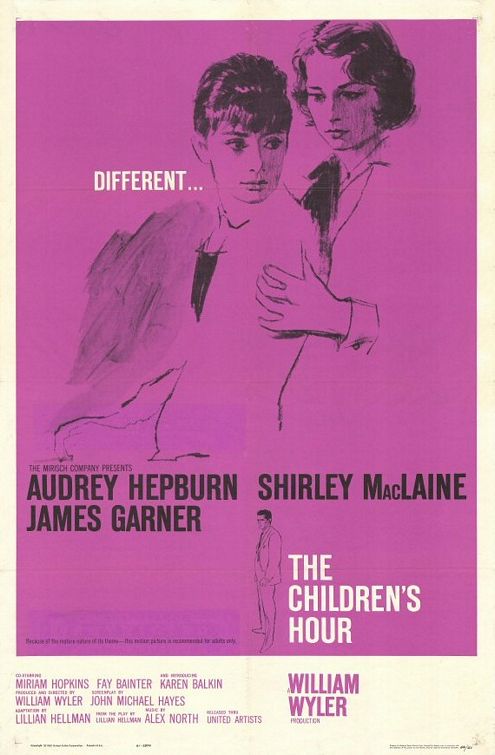
Martha and Karen (Shirley Maclaine, Audrey Hepburn) are two single young women running an all-girl’s school. They have the respect of the community and the parents, but that suddenly changes when one of the students named Mary (Karen Balkin) decides to spread a rumor that Martha and Karen are lovers. This sends everything into an uproar. All the students are moved out and the two women find themselves fighting desperately for their reputations and livelihoods. Karen’s boyfriend Joe (James Garner) remains their staunch supporter, but eventually even he begins to have his suspicions.

The film is based on the landmark play written by Lillian Hellman which ran for 691 performances in 1934 and was based on a true incident that happened in Scotland in 1810. The original film version of the play was made in 1936 and entitled These Three that was also directed by William Wyler and starred Miriam Hopkins as Martha who in this film plays Martha’s Aunt Lily. That film was heavily watered down with the lesbian element completely taken out and instead has the rumor revolve around the two teachers being in love with the same man.

This second film version was supposed to be more like the play, but hardly seems worth the effort. Although Wyler makes some attempts to make it seem more cinematic it still comes off very much like a filmed stage play and a static one at that. Lots and lots of talk with a narrative that is quite plodding and predictable. Having the story work more in a fragmented style might have helped, but either way it is never very engrossing or compelling. It also completely skips over the libel trial, which I thought could’ve given some added drama and it never completely explains why the Aunt Lily character avoided testifying. She comes up with the lame excuse that she was touring with her show, but I felt it was more because she secretly knew Martha was a closet lesbian and didn’t want to have to confront that and the film should’ve made this more clear.

It is also unintentionally funny at times especially the part where actress Fay Bainter’s eyes get bigger and bigger as Mary whispers her ‘shocking’ secret into her ear. Balkin also overdoes the facial expressions, which was probably due to too much coaching on the part of Wyler, but with that said her presence in the film is fun and gives the proceedings a liveliness that is otherwise stagnant.

The film really isn’t all that groundbreaking either and handles the delicate issue in too much of a timid way. For instance there is a scene where Martha admits to her homosexual feelings and states that she feels ‘ashamed’ for having them and Karen counsels her by stating that ‘you did nothing wrong’ because ‘nothing happened’, but what if it had then would it have been wrong? I tend to lean towards the latter making the production seem as stale and prejudicial as the public at the time. I was also confused as to how the two women could remain living at the school when all the students had moved out and they no longer had any income, or how they were still able to have groceries delivered to them.

My Rating: 4 out of 10

Released: December 19, 1961

Runtime: 1Hour 47Minutes

Not Rated

Director: William Wyler

Studio: United Artists

Available: DVD, Blu-ray, Amazon Instant Video

Last Night at the Alamo (1983)

last night at alamo

By Richard Winters

My Rating: 6 out of 10

4-Word Review: Life at the bar.

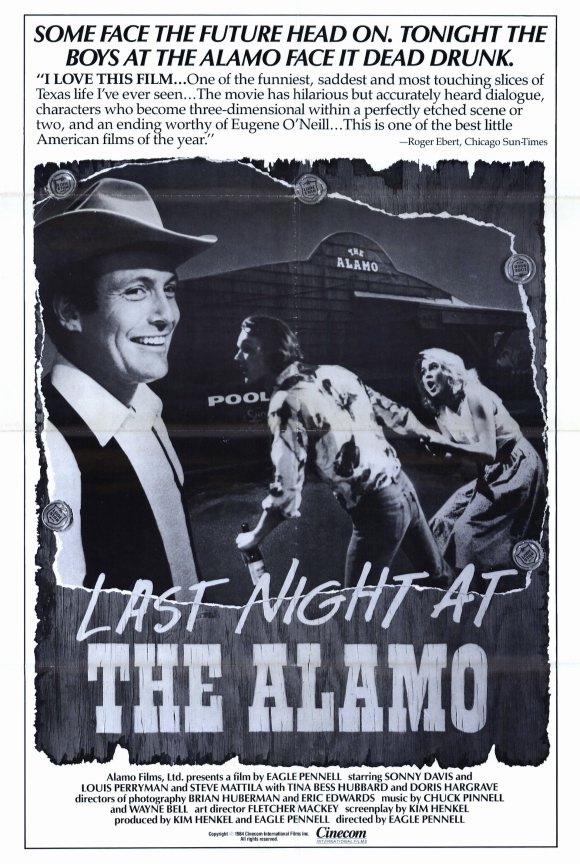
It’s the last night of business for The Alamo bar in Houston, Texas. Some developers have purchased the land and plan on constructing a skyscraper on the site much to the dismay of the regular patrons. There’s Icabod (Steven Mattila) a wiry, creepy looking fellow who seems to bitch about everything and anything. There is also Claude (Lou Perryman) who has just been kicked out of his house by his wife and spends he majority of the night on the phone begging her to let him comeback as well as Cowboy (Sonny Carl Davis) who has big dreams of becoming a Hollywood star, but can’t seem able to hold down a job for any lengthy duration.

The film was shot in black-and-white on a measly budget of $25,000. The majority of it was done inside a place called The Old Barn, which was a popular neighborhood bar in Houston. The scenes where done during the day, so as not to interfere with the regular customers coming in during the evening. Kim Henkel who is best known for penning The Texas Chain Saw Massacre wrote the screenplay as well as appearing as a character named Lionel. Director Eagle Pennell appears briefly as Bo and his wife Peggy can be seen as Ginger.

What makes this film so interesting is the fact that nothing really happens. Instead it gets filled with a lot of rhetorical arguments, insignificant conversations and down-and-out characters much of what you’re likely to find on a regular night at any neighborhood bar across the country. The film takes the ‘Cheers’ format, but with more of a caustic, darker sense of humor. Although this minimalistic approach may sound boring it actually isn’t and in many ways is surprisingly engaging, refreshing and even daring.

The eclectic cast, many of whom were local performers who had not appeared in a film before, really helps. The Davis character who wears a big cowboy hat to cover up is balding head and goes to great lengths to try to save the bar even calling the state capitol in Austin for assistance only to find that there is nothing they can do because nobody ‘important’ had ever gone there is especially endearing. Perryman, who was tragically murdered in 2009, is quite amusing in his desperate attempts to reconcile with his wife and Mattila has his moments as well particularly when he decides to hold a conversation with a wall because he feels it’s more interesting than talking to his girlfriend.

Barflies young and old should appreciate this low budget gem as it hits the essence of bar life and those that frequent them head on while taking an offbeat approach that most Hollywood films wouldn’t dare to do. Henkel and Pennell reteamed 10 years later to create the similarly themed Doc’s Full Service about people who frequent a Texas service station.

My Rating: 6 out of 10

Released: October 2, 1983

Runtime: 1Hour 21Minutes

Not Rated

Director: Eagle Pennell

Studio: Cinecom Pictures

Available: VHS

Cry Uncle (1971)

cry uncle

By Richard Winters

My Rating: 5 out of 10

4-Word Review: Murder, mystery and sex.

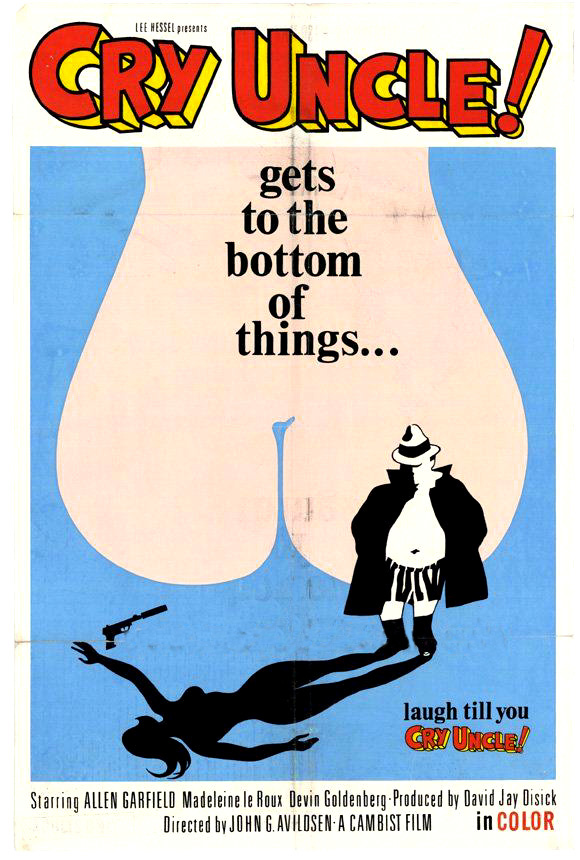
A down-and-out private eye (Allen Garfield) becomes embroiled in a complex case involving murder, intrigue, and a lot of sex.

This is one drive-in flick that definitely does not skimp on the sex. Not only is there a lot of it, but it is very explicit and done in outlandish ways. One features a couple having sex during the national anthem, while another has Garfield having sex with a prostitute while in front of a picture of Jesus. The most notorious though involves Garfield making love to a dead body while ragtime music plays in the background.

Garfield is quite amusing as a character that is always running his mouth off about something although the excessive shots of his nude overweight, out-of-shape body is enough to make anyone sick. Paul Sorvino is also funny in a cameo bit as a policeman plagued with a terrible case of smoker’s cough.

Although she delivers her lines well Madeleine Le Roux as the female lead is not sexy at all. Her face resembles that of Cruella De Vil’s in the Disney version of 101 Dalmatians and her body is very flat making her nude scenes unexciting. She also doesn’t seem too young either. Certain camera angles make her look like a youthful 30 while others give the impression that she is pushing 45.
The film is directed by John G. Avildsen who later went on to do Rocky and The Karate Kid. You can also spot famous schlock director/producer Lloyd Kaufman with a full head of curly hair playing a hippie.

For fans of low-grade, T & A, drive-in fare this one pretty much hits the target and makes the most of its low budget, underground roots although it is unable to sustain the slam-bang funny pace that it has at the beginning with a second half that is not as outrageous or inspired.

My Rating 5 out of 10.

Released: August 17, 1971

Runtime: 1Hour 27Minutes

Rated R

Director: John G. Avildsen

Studio: Cambist Films

Available: VHS, DVD, Amazon Instant Video

Eddie Macon’s Run (1983)

eddie macons run 1

By Richard Winters

My Rating: 5 out of 10

4-Word Review: He runs across Texas.

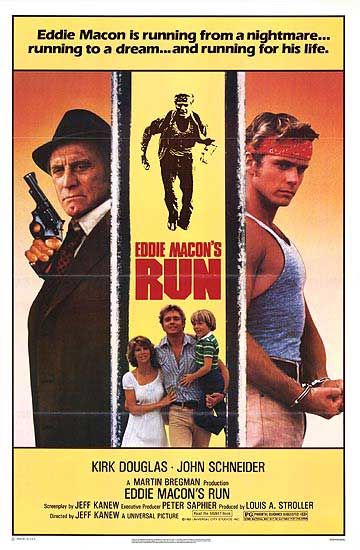
Each Monday during the month of September, in order to celebrate my impending move from Indianapolis to Austin, Texas, we will be reviewing an 80’s movie that takes place in Texas. We start with this film that is based on the James McLendon novel. Eddie Macon (John Schneider) is a young father wrongly accused of a crime who devises a plan to escape from prison and then run on foot from Hunstville to Laredo where he hopes to cross the Mexican border to freedom. The problem is dirty cop Carl (Kirk Douglas) who is holding a past grudge is determined not to let him do it and is hot-on-his-heals.

The film’s basic premise seems not only impractical, but wholly impossible. Per Mapquest the distance between Huntsville and Laredo is 385 miles and this man expects to somehow do it all on foot in only 4 days, which is ridiculous especially when his wife owns a car. Instead of having her drop off his backpack with all of his supplies at a certain strategic point why not have her waiting for him at that same spot with a car ready to whisk him off? The concept makes no sense. There is no reason why he has to do this all on foot and basic logistics of it are mind boggling.

I also had to a lesser extent issues with the Lee Purcell character that plays Jilly Buck. Eddie saves her from an attack by another man and then she helps him elude Carl with her connections through the governor that allows her to lead a rather privileged existence. I understood that she would want to help him a little since he helped her, but she goes far and beyond that and puts herself and her cushy lifestyle in jeopardy by doing it for a man that has clearly stated will stay faithful to his wife.

Schneider, who has too much of a boyish face, is quite weak in the lead with a performance that is dull and one-note.  The character is also painfully stupid as he doesn’t bother to pick-up his backpack that is sitting right at his feet and has everything he needs in it when he escapes from a house even though he had just grabbed a gun out of it only a few seconds earlier.

Douglas is by far the better actor and rightfully deserved the top billing. It is amazing how a man who has played so many good guys in his career could turn around and so easily play a bad guy with the same type of conviction, but he does and it is quite entertaining. His hairstyle looks terrible and almost like it’s a wig, but I think that was intentional as it gives him an appearance of being ugly, crazed and menacing all at the same time.

At times it relies too heavily on old Texas stereotypes, which borders on making the whole thing come off as one giant cliché, but the scene where Eddie gets kidnapped by rednecks and taken into ranch home that is filled with pinball machines and terrorized is fun and has a nice mix of whacky characters and dark humor that the rest of the film should have had. The on-location shooting nicely brings out the dusty, barren landscape as well as a dazzling bird’s-eye shot of the San Antonio skyline.

Norton Buffalo’s moody soundtrack is a major plus, but the two songs sung by Schneider are terrible and just about ruin the whole thing. The film is passable enough to be an adequate time-filler for a slow evening, but don’t expect too much. This also mark’s the official film debut of John Goodman who appears with a mustache as Eddie’s corrupt boss as well as J.T. Walsh who has a brief bit as a bar patron.

My Rating: 3 out of 10

Released: March 23, 1983

Runtime: 1Hour 35Minutes

Rated PG

Director: Jeff Kanew

Studio: Universal

Available: VHS, DVD, Amazon Instant Video

Dogs (1976)

dogs

By Richard Winters

My Rating: 3 out of 10

4-Word Review: The Dogs go crazy.

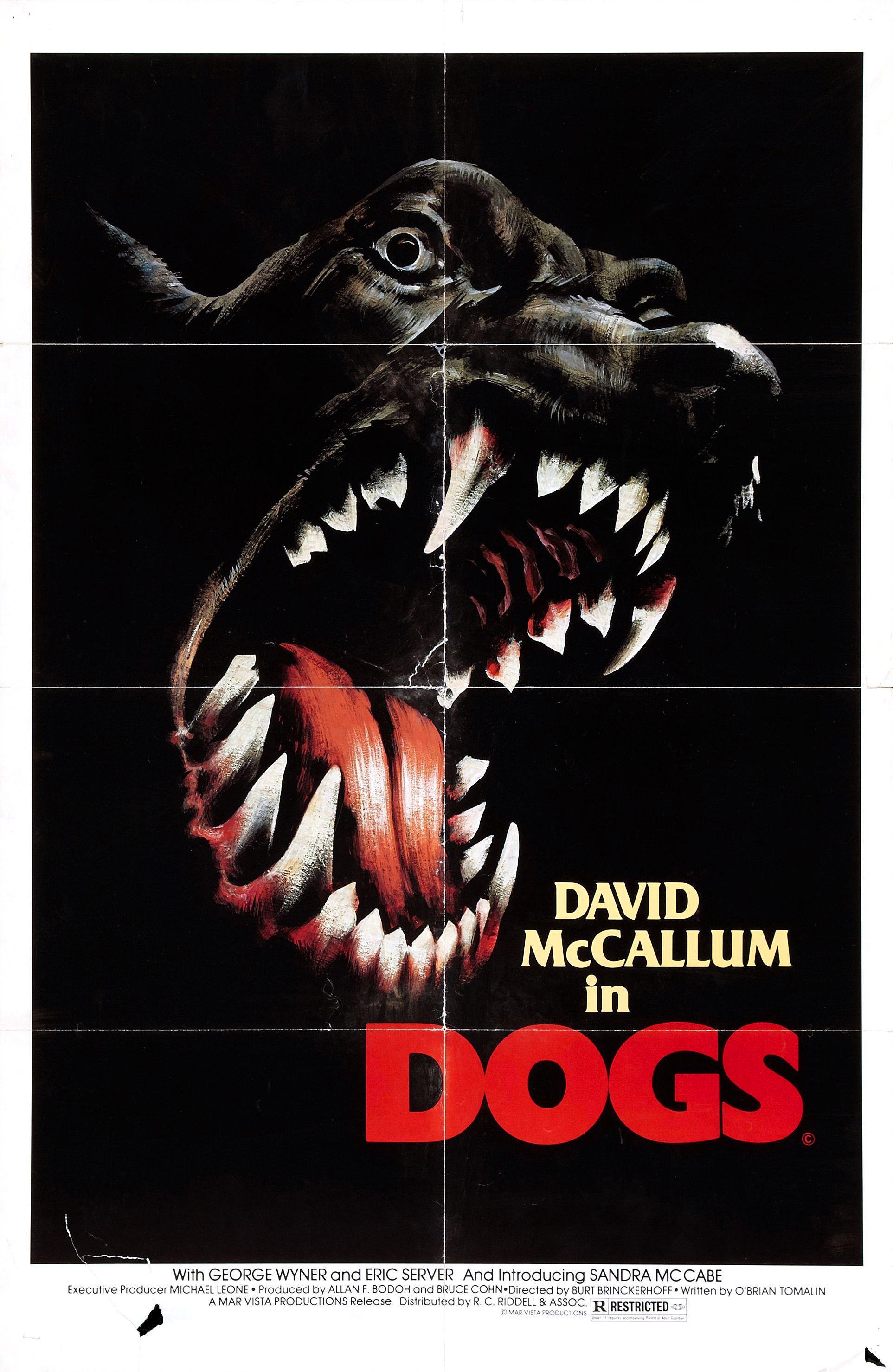
In a small California town the dogs begin to act strangely as these lovable pets are now turning on their owners and going on the attack while acquiring a pack mentality that puts fear into everyone. Harlan (David McCallum) is a professor at a nearby college who along with Michael (George Wyner) who is an expert in animal behavior search for answers while also fighting for their own lives from the onslaught of the attacks.

The film has some potential as actor-turned-director Burt Brinkerhoff adds shades of playfulness to the proceedings. I liked the segment where children bring their pet dogs to a formal showing only to be chased away by the suddenly evil mutts. The mob scenes are somewhat impressive as Brinkerhoff holds a handheld camera right in the middle of the group, which helps accentuate the chaos and fear. The extras who can usually be pretty poor actors in most movies actually seem scared here and give off genuine screams of terror. The scene where the college students become trapped in a library with the vicious dogs staring at them through a glass wall is kind of creepy as is the sound of their howling.

The special effects aren’t quite as successful. The shots of all the human carnage looks very much like people lying perfectly still with spots of food coloring thrown on their clothes.  The shot of a mutilated steer’s head is equally fake looking and it stays on it for too long although the dog attacks themselves are okay. My favorite is when a sweet old lady, which is played by Elizabeth Kerr who later went on to co-star in the ‘Mork and Mindy’ TV-series gets ambushed and eaten by a group of dogs, which includes her own cute little pooch and then dragged away.

McCallum, who is best known for starring in the 60’s spy show ‘The Man from U.N.C.L.E’ as well as ‘NCIS’, is weak in the lead role and whose presence almost seems transparent. He’s made to look like he is a part of the counter-culture with a beard and long hair, but instead comes off looking like some homeless guy that was dragged in off the streets. Sandra McCabe as his female counterpart is pretty pathetic and seems good for having a perpetually frightened look etched on her face, but not much else. Linda Gray who makes her official film debut and is cast in a smaller role should have been given the lead over McCabe as she shows much more flair.

The film’s biggest transgression though it that it never bothers to explain the reason for the dog’s strange behavior there is a brief conversation about some ‘secret experiments’ going on, but nothing that ever gets detailed or exposed. The lack of any true resolution or explanation is not only frustrating, but also makes watching this a rather pointless experience. The film also runs only 82 minutes despite the DVD cover stating that it is 91.

My Rating: 3 out of 10

Released: June 29, 1976

Runtime: 1Hour 22Minutes

Rated R

Director: Burt Brinkerhoff

Studio: American Cinema Releasing

Available: DVD

The Hotel New Hampshire (1984)

the hotel new hampshire

By Richard Winters

My Rating: 5 out of 10

4-Word Review: A family of misfits.

Note: This review is part of the 1984 blog-a-thon series over at Forgotten Films.

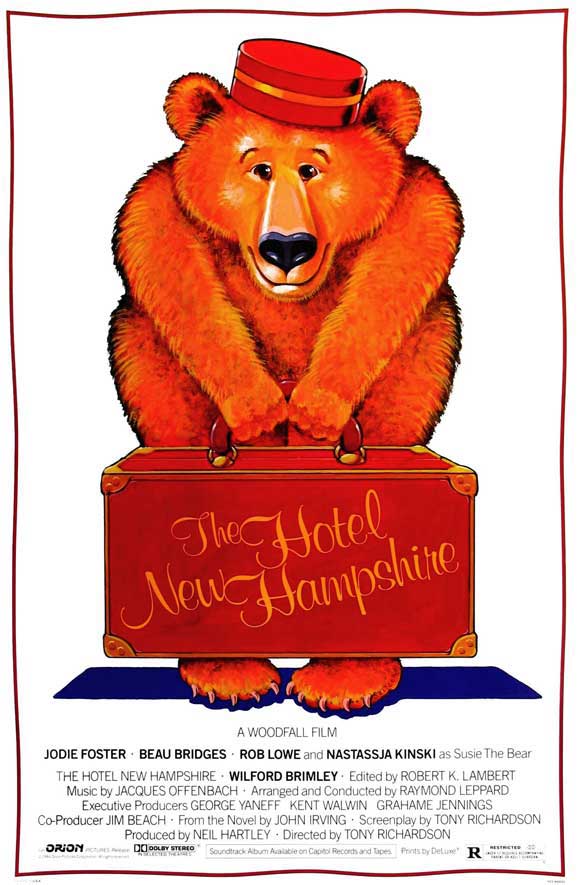
Win Berry (Beau Bridges) is unhappy with his teaching job and feels he is not making enough money so he decides to start a hotel and make it a family venture. Tagging along with him is his mouthy daughter Frannie (Jodie Foster) who has an unhealthy lust for her brother John (Rob Lowe) and he in her as well as Frank (Paul McCrane) who is gay and Lily (Jennifer Dundas) who has stopped growing and unhappy with her short height. After many misadventures the business goes under so they move to Vienna, Austria and open up a new hotel and continue to get into a wide range of weird scenarios while also coming into contact with Susie (Nastassja Kinski) who likes to disguise herself as a bear and the blind, but quite wily Freud (Wallace Shawn).

The film, based on the John Irving novel who also co-wrote the screenplay, is something you are either going to like or hate. The narrative structure is quite odd and filled with goofy side-stories that have no connection to anything else. It’s similar to director Tony Richardson’s The Loved One, but that film at least had excellent satire that tied it all together while this thing gets nonsensical for no real reason. Mixing quirky humor with trenchant drama doesn’t work and certain plot twists like death of family members, sudden blindness and even gang rape become like throwaway pieces that are just glossed over and then soon forgotten. The superficial tone is annoying and the ‘lovably eccentric’ characters eventually become irritating.

Foster is outstanding as she plays the bratty, foul-mouthed, rebellious teen to an absolute tee. The lesbian scene where she goes to bed with Kinski and kisses her on the mouth is on an erotic level not bad. Kinski also shines with a similarly bitchy attitude, but I got real sick of constantly seeing her in that hideous bear outfit.  Dundas as the youngest female member has an adorable face, but delivers her lines in too much of a one-note way.

Lowe is surprisingly strong and his best moment comes with the facial expressions he gives at trying to lift a barbell that is too heavy. I also liked Mathew Modine being cast against type. Typically he plays the kind and gentle types, but here he’s a real nasty, callous guy who rapes Foster and then later shows up in the Vienna scenes in a dual role as an underground pornographer with a Hitler-like mustache.

Bridges is good, but his boyish face makes him look too young to be the father of the grown children. Wilford Brimley is also miscast as the grandfather as he was only seven years older than Bridges and had no gray hair, at least not on his head.

The scene where the Foster character has wild sex with her brother may be too much for some, but most likely those same viewers will have gotten turned off by it long before it even gets there. I admit it was getting on my nerves most of the way as well, but then strangely it ended up having a certain appeal, but only enough to give it a passable rating. Richardson’s direction is for the most part slick and the one things that saves it although with this thing personal taste will be one’s own barometer.

My Rating: 5 out of 10

Released: March 9, 1984

Runtime: 1Hour 49Minutes

Rated R

Director: Tony Richardson

Studio: Orion Pictures

Available: VHS, DVD, Amazon Instant Video

Heat and Dust (1983)

heat and dust

By Richard Winters

My Rating: 5 out of 10

4-Word Review: Illicit love in India.

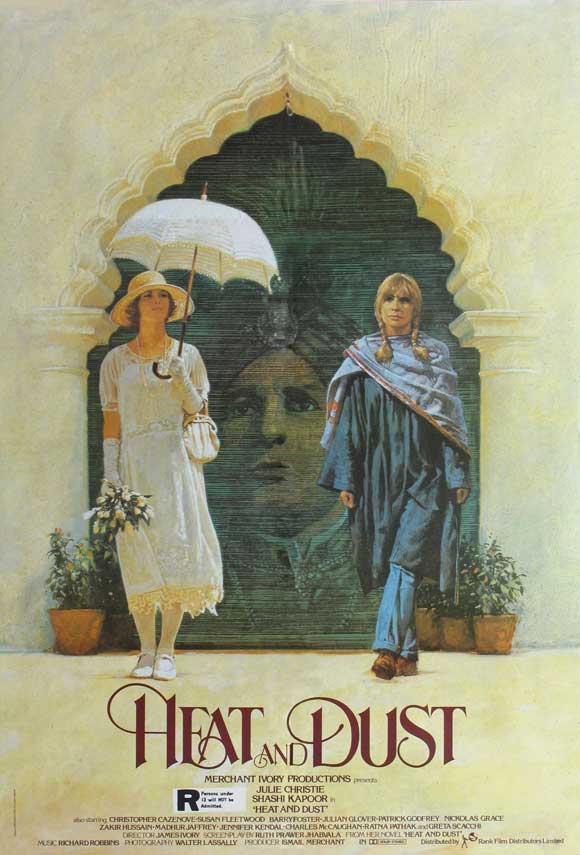
Anne (Julie Christie) has acquired a great fascination with her long-lost Aunt Olivia (Greta Sachi) who was involved in scandal while living in India during the 1920’s. After doing some extensive interviews with Harry (Nickolas Grace) a man who knew Olivia and was friends with her during the period, Anne decides to make a trek to the region herself.  Although several decades removed Anne still manages to find some interesting things about her Aunt including her illicit affair with a local ruler named Nawab (Shashi Kapoor) which caused great scandal at the time and forced her to go into hiding.

The film has a unique structure in that it weaves back and forth between the ‘60s when Anne travels to the region and the ‘20s when Olivia was there. Initially this is slightly off-putting as it cuts back and forth quite suddenly and without warning, but eventually I adjusted to it and amazingly it comes off quite seamlessly most of the way. The film spends more time on Olivia, but by the end it’s cutting between the two every couple of minutes and it one cool moment even have the two come together in a surreal type of way. The only real problem I had with this is when Anne meets a young American man who has ‘purified’ himself from the capitalistic culture of the west, but then still seems to fall back on his old ways at times creating a tumultuous relationship with Anne that I found rather interesting and was upset when the film suddenly cut back to Olivia and then stayed with her for too long a time before going back.

I enjoyed the on-location shooting of India, which makes you feel almost like you’ve traveled there yourself. The film not only analyzes the crowded squalor of the big cities, but also the rocky beauty of its rugged terrain. The film immerses the viewer in the culture looking at both the positive aspects of it as well as the negative, which gives you an overall balanced viewpoint. However, I would have liked more an expansive look of the area with greater use of a wide angle lens and a few bird’s-eye shots of the city, but this was most likely limited because of budget restraints.

I enjoyed the wide-eyed idealism of the Olivia character and Sacchi captures it just right. Christie is also solid, but in the end a bit wasted. The film itself is interesting enough to hold your attention, but some of the scenes go on longer than necessary and could have easily been trimmed. The story seemed rather simple and predictable and has no action at all making the runtime excessive especially with a final payoff that is not too exciting and leaves more than a few loose ends open.

My Rating: 5 out of 10

Released: September 15, 1983

Runtime: 2Hours 13Minutes

Rated R

Director: James Ivory

Studio: Merchant Ivory Productions

Available: VHS, DVD

The Pack (1977)

the pack 1

By Richard Winters

My Rating: 5 out of 10

4-Word Review: Dogs on the prowl.

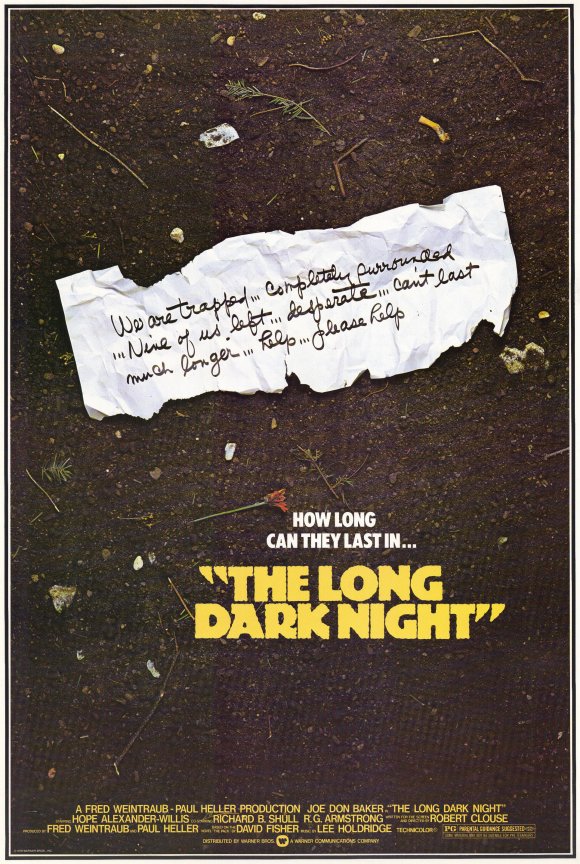
Jerry (Joe Don Baker) moves to idyllic Seal Island with his new wife Millie (Hope Alexander-Willis) and their two sons. They meet vacationers Jim and Marge (Richard O’Brien, Bibi Besch) and their grown son Tommy (Paul Wilson) as well as island locals Hardiman (Richard B. Shull) and Cobb (R. G. Armstrong). As the days progress Jerry becomes aware of wild dogs roaming the island that are led by a particularly vicious mongrel. These dogs become more aggressive as they have already attacked other humans and have now acquired a taste for them. The eclectic bunch becomes trapped in a home surrounded by 15 hungry dogs while forced to use their cunning and wits to outsmart the animals and make it to freedom.

The film has an interesting even novel idea of turning man’s best friend into a villain and is quite similar to Dogs, which came out at the same time and will be reviewed next week. Unfortunately the structure runs along the predictable mechanical formula of a conventional horror film using the same type of scares and shocks that are not all that imaginative.  Although shot on-location in Bodega Bay, California it looks more like a cheap studio back lot that lacks any type of visual flair. In a lot of ways it comes off like a TV-Movie and whenever there is any gore it will cut away and not show it giving it very tame, trite and dated feeling.

The characters are dull and generic and a few more interesting personalities or dramatic side-stories could have helped. The film also takes a very old fashioned viewpoint on women as they are portrayed as being helpless and incapable of handling things on their own and in desperate need of the big, burly man to come in, take control and save the day.

I thought it was amusing that Baker was cast in the lead as his face has always reminded me of a bulldog. I don’t consider him to be all that bad of an actor, but there are other male leads that could have worked better. The female cast members are completely wasted and seem put in only to sit around with a frightened looks while the men do all the action.

The dogs themselves aren’t too bad. The pack leader is made to look like he is demonic, which is a little overdone, but still effective.  A fight scene between two of the dogs is well done and intense. I also liked the climatic finish in which Baker goes face-to-face with the lead animal with only some box springs between them. However, the basic concept seems dubious and these were all pets apparently abandoned by their owners only a few weeks earlier and it seemed hard to believe that they would have turned this wild and aggressive so quickly. Most stray dogs that have been previously socialized by humans can usually be taken back into captivity relatively easily while feral dogs remain frightened of humans, but in either case rarely go on the organized attack like they do here especially when they don’t have rabies and are mostly non-aggressive breeds.

My Rating: 5 out of 10

Alternate Title: The Long Dark Night

Released: November 20, 1977

Runtime: 1Hour 35Minutes

Rated PG

Director: Robert Clouse

Studio: Warner Brothers

Available: VHS, DVD (Warner Archive)

Woodstock (1970)

woodstock 2

By Richard Winters

My Rating: 7 out of 10

4-Word Review: Love, peace and music.

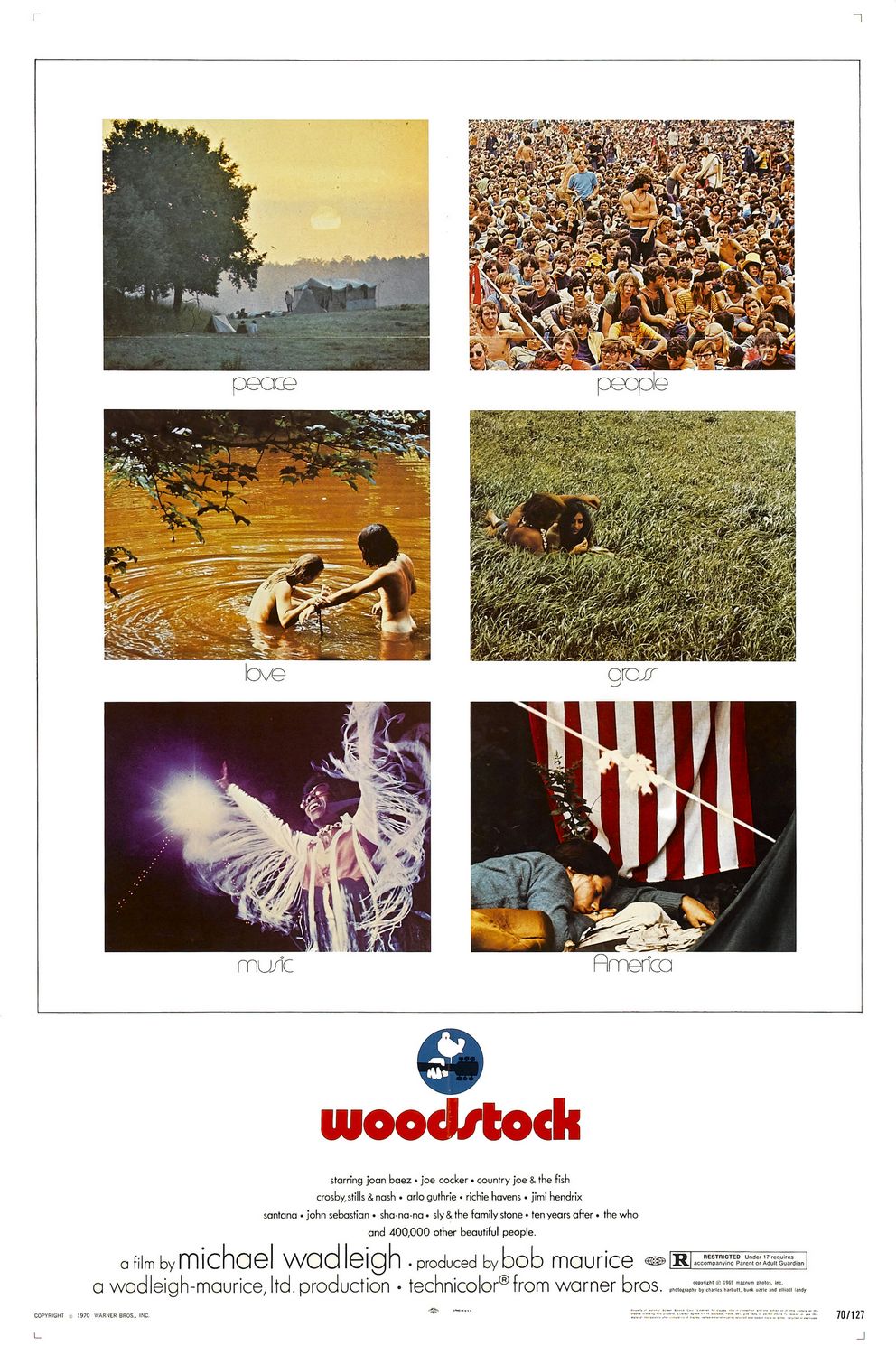
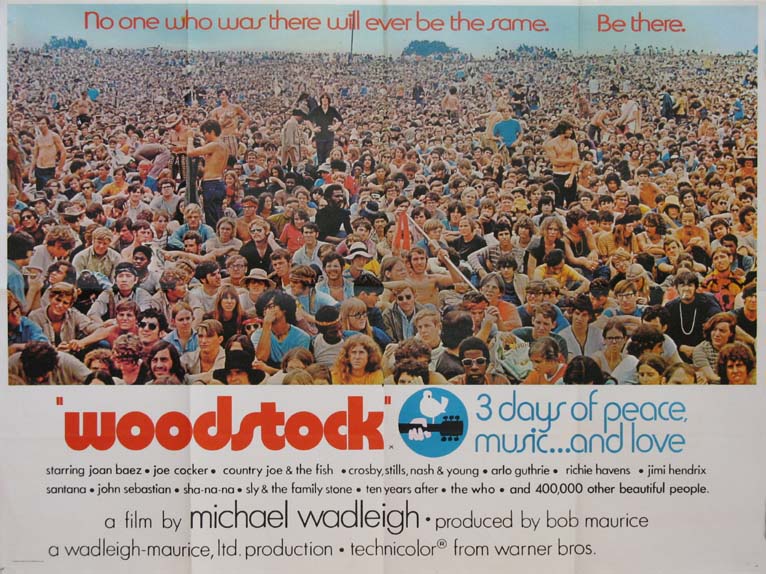
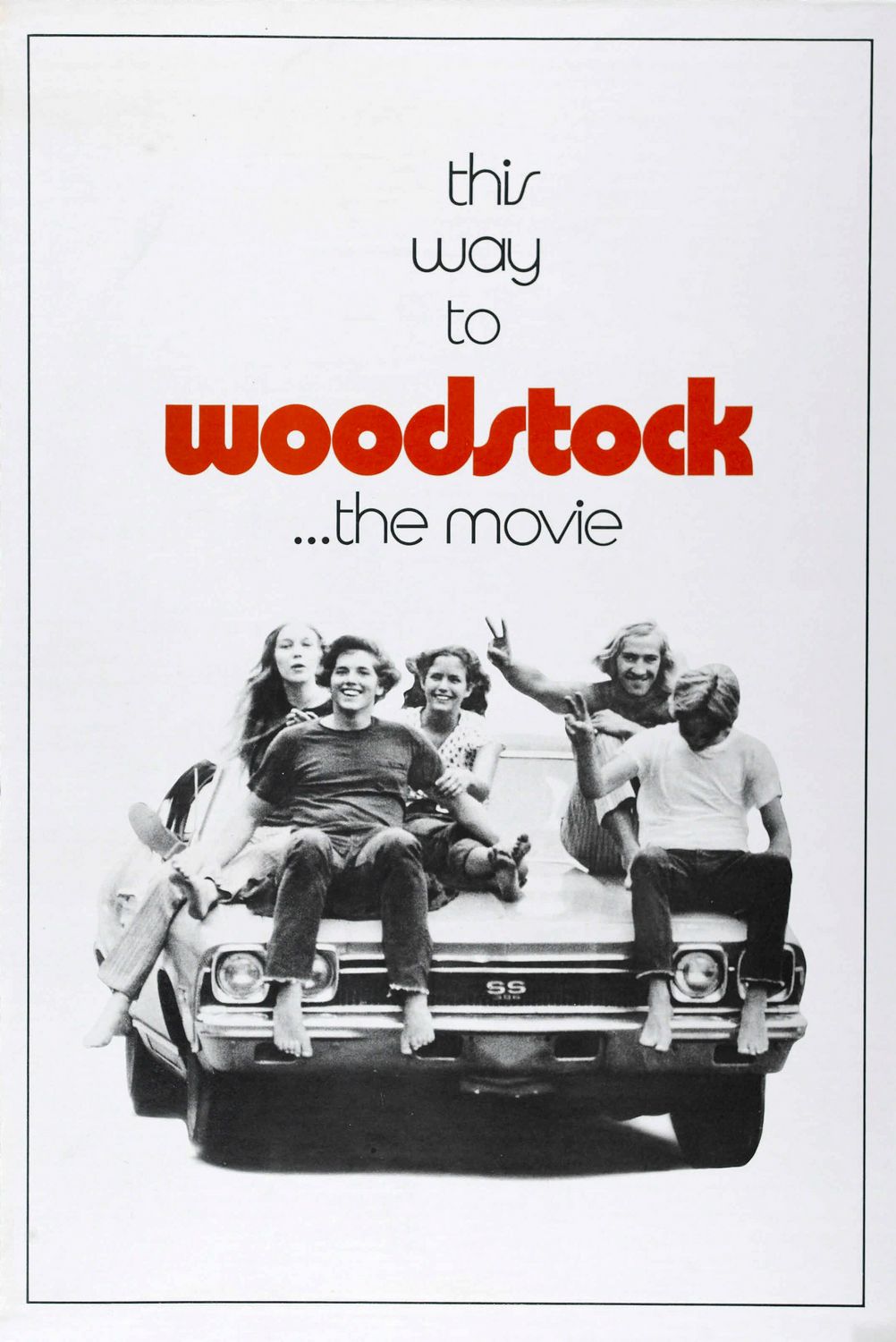
During August 15 – 18, 1969 Max Yasgur loaned out his 600 acre farm, which was near the town of Bethal, New York to some concert promoters for an epic 32-act rock extravaganza that has become the cornerstone for the counterculture movement and a major moment in Rock’N’Roll history. Although originally expected to attract only 50, 000 it ended up being more than 400,000 and this movie captures the mood, festivities, and music right up close.

Unlike most documentaries this film doesn’t just turn on the camera and then proceed to let things happen at a sometimes slow and boring pace. Instead it relies on a great use of editing done at the time by an unknown Martin Scorsese, which helps give the film a very polished and dramatic narrative. The dual screen setting allows the viewer to see two things at once and you are given a full view of the occasion as you watch not only the beginning as they construct the stage, but also the massive clean-up of all the debris left afterwards.

The music acts are captured perfectly as director Michael Wadleigh’s use of the camera nicely compliments the energy on stage with a variety of angles and quick cuts. In some ways you feel more connected with the music by watching it here than having been there in person as you are made to feel like you are right next to the performer as they are playing. One of the best moments is Richie Haven’s opening act where you see the broken strings on his guitar, the sweet glistening off his nose and saturating his back as well as a close-up of his mouth where he appears to have no teeth on his upper jaw. Janis Joplin who was known to have an incredible onstage energy is also memorable and is part of the added 45-minutes of the director’s cut. Country Joe Mcdonald is also memorable with his now famous ‘fuck cheer’ and ‘I-Feel-Like-I’m-Fixin’-to-Die Rag’, which comes complete with lyrics on the screen and a little bouncing ball.

woodstock 1

The film also features different elements than what you would find in most other concert movies including one segment that looks at the cleaning of the many port-o-potties as well as a long drawn out rain storm in which many of the concert goers’ end up sliding through the mud. There is another segment looking at the skinny dippers as well as all the naked children in attendance.

There are some good interviews spliced in although I wished there had been a few more. Some of the more interesting ones include those with the townspeople who despite reports to the contrary where actually excited about the event and supported ‘the kids’at least the ones seen here. I also liked hearing from the attendees as they lined up to take turns at calling their parents on pay phones. The only interview that I didn’t care for was of a young man who used the phrase ‘you know’ so numerously that it really got on my nerves.

The movie is quite long with the director’s cut being almost 4 hours in length and not all of the music acts shown including some of the better ones. However, the film is still quite electrifying and doesn’t end up seeming as long as it is. It is also so amazingly vivid that it gives you the feeling like you were there and something that only happened yesterday instead of forty-five years ago.

woodstock 4

My Rating: 7 out of 10

Released: March 26, 1970

Runtime: 3Hours 45Minutes (Director’s Cut)

Rated R

Studio: Warner Brothers

Director: Michael Wadleigh

Available: VHS, DVD, Blu-ray, Amazon Instant Video