Tag Archives: Bill Murray

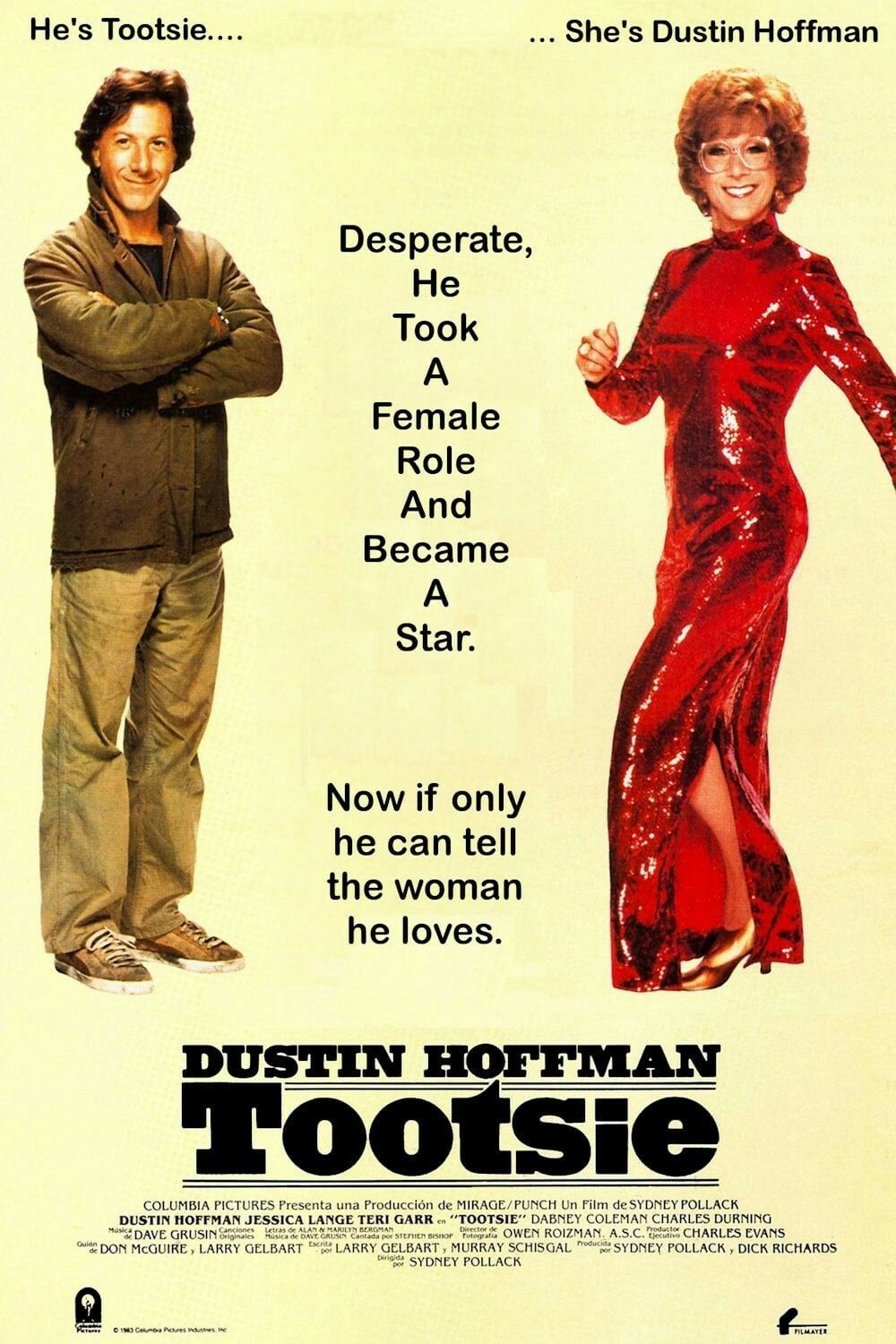
Tootsie (1982)

By Richard Winters

My Rating: 7 out of 10

4-Word Review: Pretending to be female.

Michael (Dustin Hoffman) is a talented actor but having difficulty finding employment due to his demanding nature and inability to get along with directors. His friend Sandy (Teri Garr) is auditioning for a part in a soap opera, and he helps her prepare for the role and even takes her to the audition only to learn that she was rejected before given any chance to do a screentest. It’s at this same time that he learns his agent George (Sydney Pollack) hasn’t gotten him a chance to audition for another role because in his words ‘no one will work with him’. Michael then decides to disguise himself as a woman named Dorothy Michaels in an effort to get the role that Sandy was turned down for so as to raise money to produce a play that will star Sandy. While he does get the part, he also becomes a big star with everyone believing that Dorothy really is a woman, which cause many complications in both his personal and professional life making him feel like he wants to end the charade and go back to his normal identity, but not quite sure how to do it. 

The genesis for the story began all the way back in 1970 and was based on an off-Broadway play by Don McGuire titled ‘Would I Lie to You?’ about an out of work stage actor who dresses as a woman to get a big part. Director Dick Richards adapted the plot into a screenplay, and it got shopped around for many years, but to no avail. Then in 1980 cross-dressing actor Christopher Morley played the role of a woman named Sally Armitage in the soap opera ‘General Hospital’. The part was played straight with the viewers under the impression that it really was a female, and Sally even gained the romantic interest from the character Luke, played by Anthony Geary, only to eventually reveal that she was really a man, which was a ratings hit and thus lead to renewed interest in this script. Eventually Dustin Hoffman got a hold of it and decided he wanted to take it on under the condition that was given full creative control and even hired his own people, Larry Gelbert and Murra Schisgal, to rewrite the story to his liking. 

Personally, my favorite parts of the film come at the beginning where we see Michael’s struggles as an actor as well as all of his thespian friends giving one a glimpse at just how hard the business is and how few people can make an actual living in it. Watching both him and his roommate Jeff, played by Bill Murray, working as waiters, but still talking about their acting ambitions while on that job was on-target. Garr gives a great performance as a struggling would-be actress who is full of insecurities and letdowns and a perfect composite of many young women who find the auditioning process grueling and thankless and for this reason, I felt she should’ve won the Oscar instead of Jessica Lange as her part as the love interest wasn’t as interesting, or honest. 

Murray is terrific as the roommate in an unusual part for him as his over-the-top clownish, snarky, frat boy persona is kept under wraps and instead he plays the part straight, but his sardonic responses to things are great. Director Pollack, who took on the role of Michael’s agent at the request of Hoffman and thus making it his first acting role in almost 20 years, is quite good too particularly with how his exasperated nature feeds off of Hoffman’s hyper one and their conversation inside his office is the movie’s highlight. Charles Durning has a few key moments as well playing Lange’s lovesick father who begins to fall for Dorothy though any man that would give a woman an engagement ring before they’d even been out on a single date has to be a bit loopy.

Hoffman falls into the woman role easily and it would be hard to recognize him had the viewer not known about the disguise beforehand though I felt the way Dorothy walked and moved her hands and arms made her seem like Mrs. Butterworth the animated character from the maple syrup commercials. It’s also hard to imagine he wouldn’t have been found out a lot sooner especially since he collected a weekly paycheck from the company, which would’ve required him to give them his social security number, which in-turn would’ve exposed who he really was. Being on magazine covers where he supposedly does interviews as Dorothy should’ve been equally problematic as the reporters would’ve asked him (her) about her past like what other stuff did she act in, where was she from, and where did she graduate. Stuff that’s very much standard questions in any interview and when he (she) couldn’t come up with anything or made-up stuff that could easily be background checked would’ve then raised red flags and brought the ruse to a very quick halt.

Spoiler Alert!

Soap operas were no longer broadcast as live and hadn’t been since 1963, so that story angle doesn’t fly either. Yes, I realize the idea was that it was taped and only had to done live as an emergency when one of the tapes got destroyed, but in reality, the taping would’ve been done so far ahead (usually by several weeks) that even if a video did somehow get corrupted there still should’ve been plenty of time to refilm it before reaching the actual air date. 

The ending it a bit disappointing as well. Sure, it’s nice seeing Lange putting her arm around him as they walk down the sidewalk showing that the two had made up after his secret identity was exposed, but it doesn’t answer what happened to his career. He did this whole thing to help finance a play for Sandy, so what became of that? Also, were casting agents so impressed with the way he fooled everybody that they now were willing to hire him, or was he still blacklisted? These were all major motivations for why he did the ruse, so there should’ve been clarity to what became of it. 

My Rating: 7 out of 10

Released: December 17, 1982

Runtime: 1 Hour 56 Minutes

Rated PG

Director: Sydney Pollack

Studio: Columbia Pictures

Available: DVD, Blu-ray, Amazon Video, YouTube

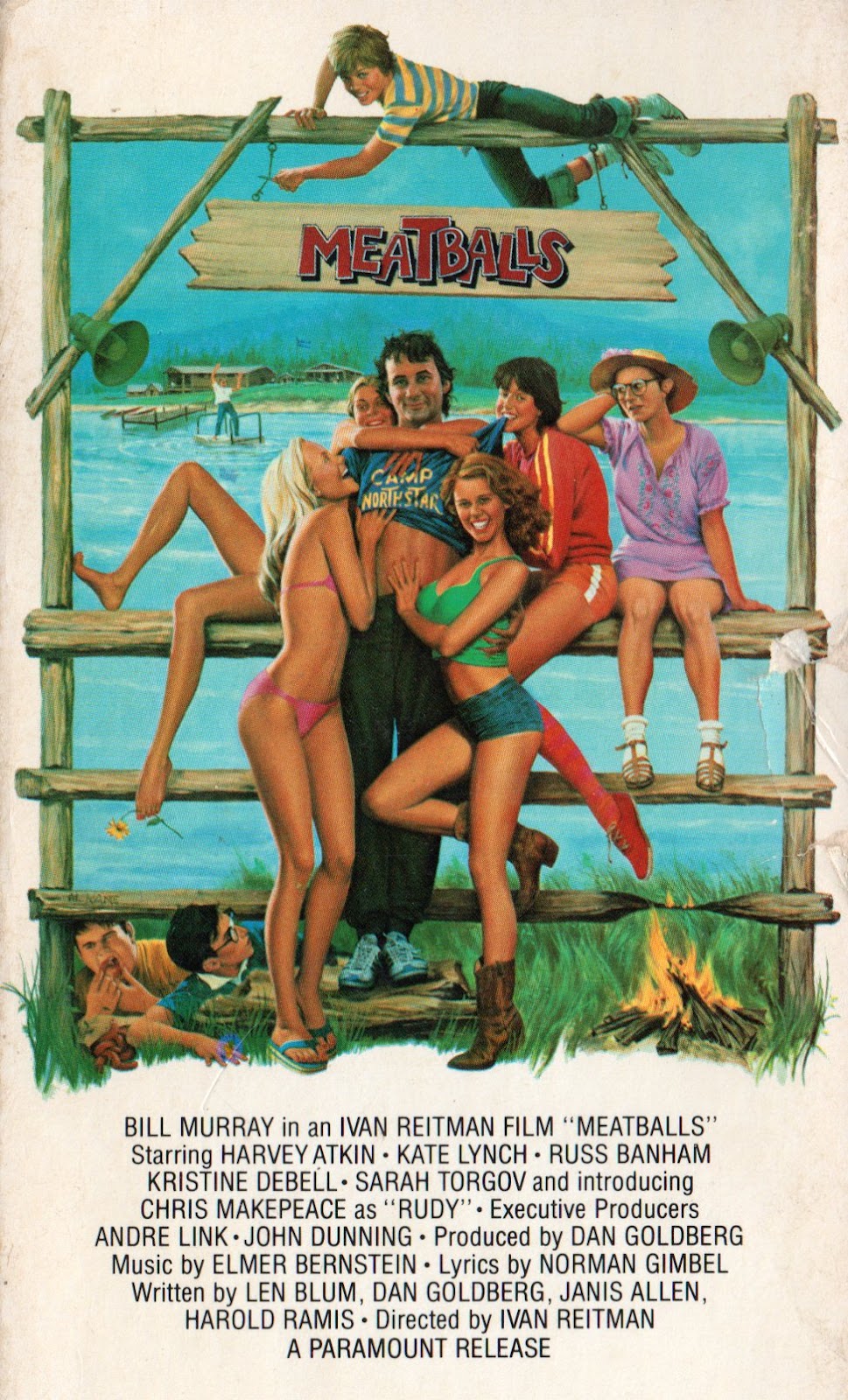
Meatballs (1979)

meatballs2

By Richard Winters

My Rating: 3 out of 10

4-Word Review: Shenanigans at summer camp.

Tripper (Bill Murray) has been assigned to lead a new group of counselors-in-training while simultaneously pulling pranks on camp director Morty (Harvey Atkin). He also takes shy camper Rudy (Chris Makepeace) under his wings and giving the kid some confidence, so that he can play in sports and feel that he has a chance to win. Tripper also gets involved in the annual Olympiad between his camp, Camp North Star, and their rival Camp Mohawk, which sits across the lake from theirs. Camp Mohawk has won the title the past 12 years, but this year Tripper thinks things will be different mainly because he’s trained Rudy on how to be a cross-country runner due to their early morning jogs together and assigns him, much to the disagreement of the other campers, to run against Mohawk’s top runner in the crucial final race.

This was the fourth film directed by Ivan Reitman and while he went on to direct a lot of big hits I felt here he was still learning the craft and it would’ve been a better movie had someone with more experience been at the helm. Originally it was intended for John Landis to direct, but he was too busy working on The Blues Brothersso Reitman reluctantly took the reins, but the pacing and tone is all off. To some degree it seems to want to be an Animal House wanna-be filled with off-color humor and slapstick, but at other points it tries for sentimental drama. Nowhere is this more evident than it’s eclectic choice of music featuring bouncy tune by Rick Dees and then turning around and having a sappy song by Maureen McGovern that seems out of place for a film that most of the time dwells in low brow humor.

Story-wise it’s incredibly vapid and seems to almost be plotless most of the way. The main crux of the script is apparently centered around Rudy and Tripper’s attempts to help him find some confidence in himself, but even these moments come-off as trite and thrown-in at haphazard intervals. In-between we get treated to a lot of silly hijinks and benign characterizations that mostly fall flat. There’s a lot of potential story threads that the could’ve been funny, but the movie fails to follow through on.

There’s a segment where the parent’s come to visit for a day, but this lasts for a minute and then it’s over. I also wanted to see the reluctant Rudy give out the morning messages of the day via an intercom set-up that had been traditionally done by Tripper. Since Tripper was going to be out he handed over the duties to Rudy who seemed nervous about the responsibility, so it would’ve been interesting to watching how he ended up approaching it and how the other campers responded, but instead we aren’t shown any of it. The same goes for a little boy who brings a frog with him that doesn’t ever move because he’s ‘tired’ yet we never get any follow-up to this, so why even have the scene, which isn’t funny or interesting anyways, if it has no real point to the plot?

The running gag involving the camp director named Morty who’s constantly referred to as ‘Mickey’ gets overblown and rather dumb. It has him being such a sound sleeper that the other campers, under Tripper’s guidance, move him and his bed, along with his bedside table, out of cabin and into various other parts of the campsite including at one point on a raft on a lake. When he wakes up he then finds himself in a very precarious situation, but it’s hard to believe that someone could sleep that deeply that they would’ve wake-up while they were being moved. Even if that were the case you’d think they’d come-up with some way to prevent it occurring in the future like bolting their door shut, or constructing some sort of booby trap that would catch the pranksters in the act. This could actually make it even funnier as it would be upping the ante each time versus just replaying the same old prank. At the very least you’d expect an ultimate angry confrontation between Morty and Tripper who he knew was behind it, which at one point he threatens to do, as he states ‘we’ll talk about it later’, but we never see the ‘talk’ actually happen, which again makes it seem like the movie really isn’t going anywhere.

Bill Murray, who reportedly wasn’t sure if he wanted to do it due to his SNL obligations at the time, but finally did show up to the shoot on the third day of production, is genuinely quite funny and the only things that saves it from being a dud though it comes close to being one anyways. However, his character does prove to be a bit problematic in the scene where he aggressively tackles an attractive counselor he wants to have sex with, played by Kate Lynch, which would be deemed sexual harassment in this day and age and not the ‘good natured, boys will be boys’ fun that it was considered at the time.

The film though does manage to elicit nostalgic homage to the camping experience, so those that look back to their summer camp days with fond memories may bond to this better. Otherwise I found it highly overrated and genuinely surprised that it did so well at the box office.

My Rating: 3 out of 10

Released: 1 Hour 34 Minutes

Rated PG

Director: Ivan Reitman

Studio: Paramount Pictures

Available: DVD, Blu-ray, Amazon Video, Freevee, Pluto, Roku, Tubi, YouTube

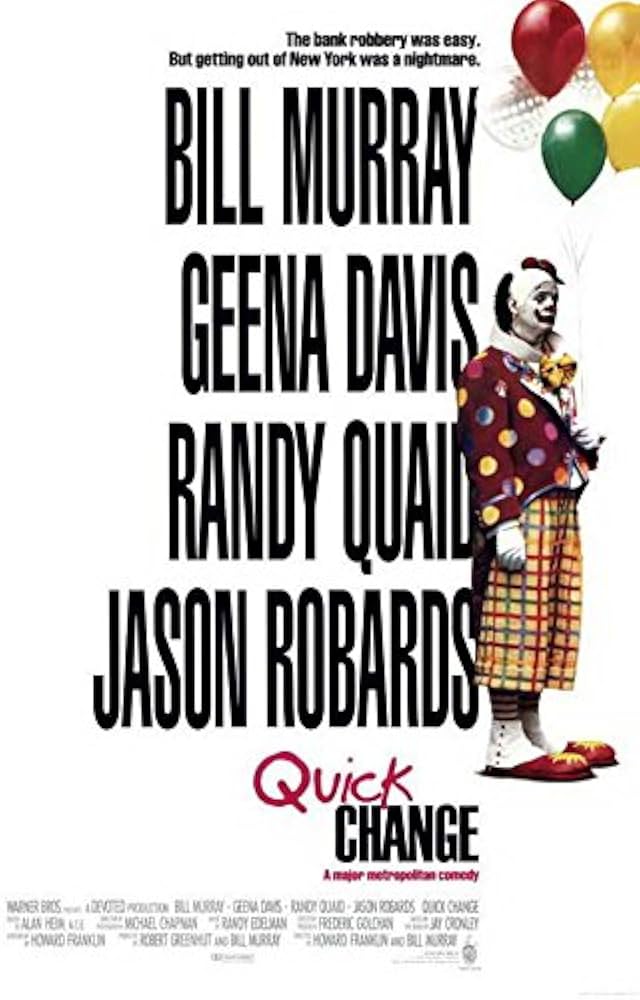
Quick Change (1990)

quick1

By Richard Winters

My Rating: 7 out of 10

4-Word Review: Clown robs a bank.

Grimm (Bill Murray) has had it with New York City. He wants to get out of there and move somewhere tropical as soon as possible and conspires to rob a bank in order to get the money to do it. He dresses as a clown and then has his girlfriend Phyllis (Geena Davis) and friend Loomis (Randy Quaid) pretend to be customers at the bank, so that when he releases the ‘hostages’ they can be two of them. The robbery goes smoothly as they’re able to get $1 million out of the bank, but trying to get out of the city itself proves trying as they get lost on their way to the airport and then their getaway car gets demolished. Police Chief Walt Rotzinger (Jason Robards) is hot-on-their-tale and relentless in his quest to haul them in as he proves to be just one slight step behind them where ever they go and moving in closer with every waking second.

This is the second version of the story that was adapted from a 1981 novel of the same name written by Jay Cronley, a humorist who resided in Tulsa, Oklahoma, who two other novels, Funny Farm and Let It Ride that were also made into movies as well as Hold-Up that was a French film shot in Canada that was the first rendition of this plot. This adaptation proves to be the better one as it takes place, like in the novel, in New York City and takes full advantage of the city’s ambience making it feel almost like it’s a third character.

This is the perfect role for Murray and some critics felt this was his best acting performance of his career he also doubles not only as the producer, but also the co-director as he took over the reins in order to save the project when the originally directing choice Jonathan Demme decided to bow-out at the last minute. The snarky, glib personality of the character is played to the hilt by Bill who has the magical ability to be the world’s biggest smart ass and still have a unique charm about it. Great supporting work by Davis, though the two apparently didn’t get along behind-the-scenes and years later she accused him of sexually harassing her during the production. Good work too by Robards who doesn’t fall into the cliche of a stupid egotistical cop and instead proves to be pretty savvy, which helps accentuate the tension as he’s constantly on their heels and only a beat behind them no matter where they go.

The three acts are better tied together by placing the main nemesis as the city itself and creating a surreal After Hours vibe. Some of the potshots are subtle like watching all the hot dog vendors race over to where the robbery is taking place so that they can take advantage of the situation by selling food to all the onlookers. It also illuminates the ethnic, cultural mix of the Big Apple by featuring a jousting match between two Latinos on bicycles as well as the headaches of trying to find your way around the city and the confusing road signs and constant construction though some of this humor may not resonate with today’s viewers since with the advent of GPS many of these ‘asking for directions’ situations have now become a thing of the past.  The music score by Randy Edelman with its pounding, hard edge quality perfectly matches the city’s gritty, urban attitude.

While the robbery is slick I did find a few loopholes. The first is where does Murray get his other clothes when he changes out of his clown costume and disguises himself as one of the hostages to get away? He is not seen carrying a bag of any kind nor is Davis or Quaid, so not sure where the other suit came from. Some may argue that he was wearing it underneath his clown costume, but this doesn’t work since it was a shirt that came up to his neck that he’s seen coming out of the bank with and when he’s the clown he’s shown with a V-neck T-shirt that exposes the top of his chest. It also doesn’t explain where he gets the glasses, other wig, and shoes that he also has on when he walks out as the fake hostage.

The characterizations are a bit off too as both Davis and Quaid become easily rattled during the second half when they’re trying to get to the airport and become increasingly shaken that they’re going to be caught, but if they have a propensity to being that worried you wonder what gave them the nerve to go through with the robbery in the first place? During that segment they’re very cool and calm and even a bit ballsy, so why the sudden shift to overly panic the moment they get out? A way to have solved this would’ve had the Davis character with a penchant for risks, or enjoy living on the edge and taking chances, so every time they would get into a jam during their escape she’d see it as a certain thrill and not allow it to overtly alarm her.

Spoiler Alert!

The biggest beef though is with the ending in which Robards suddenly realizes, as he’s standing on the ground watching the jet fly overhead that has the three robbers onboard. The film acts like it’s now ‘too late’ and there’s nothing he can do about it, but there really is. All he has to do is go back to the airport and ask where the destination is of the plane that just took off, as I remember it was Paris, France. Since both the U.S. and France are members of Interpol he could easily contact the authorities there asking them to detain the three once the plane had landed. They could then be brought in for interrogation where a simply body search would expose all the money that they had taped to their bodies underneath their clothes, and in Quaid’s case in his duffel bag. This would be more than enough evidence to prove that they were the robbers and thus extradited back to the U.S. for prosecution.

My Rating: 7 out of 10

Released: July 13, 1990

Runtime: 1 Hour 29 Minutes

Rated R

Director: Howard Franklin, Bill Murray

Studio: Warner Brothers

Available: DVD, Blu-ray, Amazon Video, Tubi

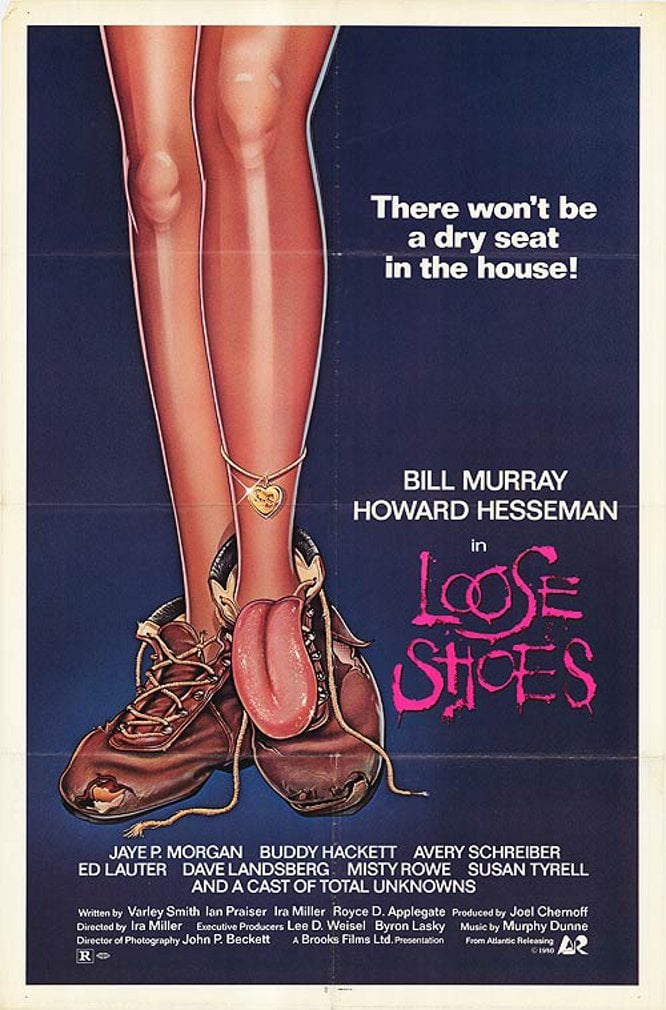
Loose Shoes (1978)

loose1

By Richard Winters

My Rating: 3 out of 10

4-Word Review: Lame parody of movies.

In 1967 an improv group, which Chevy Chase was an early member, began that called themselves Channel One, who performed improvisational skits making fun of current events and TV-shows. Instead of doing them on stage in front of audience they filmed it and then played them on three different TV screens at a theater in Greenwich Village. When these proved successful the collection of filmed skits were then toured around the country at college campuses and got a favorable reaction, so the producer decided to turn it into a feature length film. At the time this was considered a novelty as the movie, which was called The Groove Tube, would have no plot and just be a collection of skits, but it proved popular enough that it gave others the same idea. From this came Tunnelvision, American Raspberry, and probably the most famous one Kentucky Fried Movie. 

In 1977 Ira Miller, who had worked with Mel Brooks on his projects and was a member of Second City during the 60’s, became inspired to do his own version of this. He financed it using most of his own money. The concept was for it to be a parody of recent movies and structured similar to movie previews one would see at theaters before the main feature would begin. The working title was Coming Attractions and to keep costs low he cast young, unknown talent like Bill Murray, who agreed to work for a small fee in order to get the exposure, or B-actors that he knew who as a favor would work at below scale for a day in order to help him out. Initially it got such a bad reaction from test audiences that it was shelved for several years, but then after Meatballs was released, which made Murray a star, it was re-released under its new title in order to capitalize on his fame.

The film suffers from production values that are so cheap I’ve seen high school projects that were done better and it doesn’t help that the DVD issue looks like it was copied straight off of a VHS tape. Both IMDb and Wikipedia list the original runtime as 84 minutes, which is incorrect as it was actually 74 minutes, but the DVD version only goes 69 minutes and cuts out several segments including ‘Jewish Star Wars’, which is alright as even with the abbreviated runtime it still felt like it was never going to end and adding in the stuff that was edited out would’ve just prolonged the agony. It would’ve helped had there been some consistent characters like a family going to the theater to see a feature and becoming increasingly annoyed at the ongoing previews. After each skit it could’ve cutback to their reaction, which would’ve given it some minimal structure and focus that otherwise is sorely lacking.

Some of the segments had potential like the ‘Invasion of the Penis Snatchers’, but Miller approaches the material too much like a gag writer where he’s more interested in the punchline instead of playing out a funny scenario. The skit that has Jaye P. Morgan doing a send-up of Nurse Ratched needed to be extended as she could’ve done it hilariously. The segment that spoofs the Woody Allen film Play it Again Sam isn’t exactly funny, but David Landsburg’s impression of Allen is so spot-on that it’s entertaining nonetheless. Murray’s segment where he plays a prisoner on death row is okay and you even get to see him at one point with his head shaved. I also liked the bit with Susan Tyrrell as a woman stuck in the boonies only here the hicks are open-minded and even features a virtually unrecognizable Ed Lauter as a free-spirited, cocaine sniffing, redneck sheriff.

The best moment ‘Dark Town After Dark’ comes at the very end and features a send-up of a Cab Calloway dance number with the song ‘Loose Shoes’ being sung. The lyrics of which came from a comment made by President Gerald Ford’s Secretary of Agriculture Earl Butz. He was on a plane flight to California with entertainers Sonny Bono and Pat Boone. Boone asked him why republicans weren’t able to attract more blacks. He responded by making a comment that forced him to resign once it got out: “I’ll tell you what coloreds want. It’s three things: first, a tight pussy, second, loose shoes, and third, a warm place to shit.”

My Rating: 3 out of 10

Released: September 1, 1978 as Coming Attractions. Re-released August 1, 1980 as Loose Shoes

Runtime: 1 Hour 14 Minutes (Original Cut). 1 Hour 9 Minutes (DVD Version).

Rated R

Director: Ira Miller

Studio: Cinema Finance Associates

Available: DVD, Amazon Video

Caddyshack (1980)

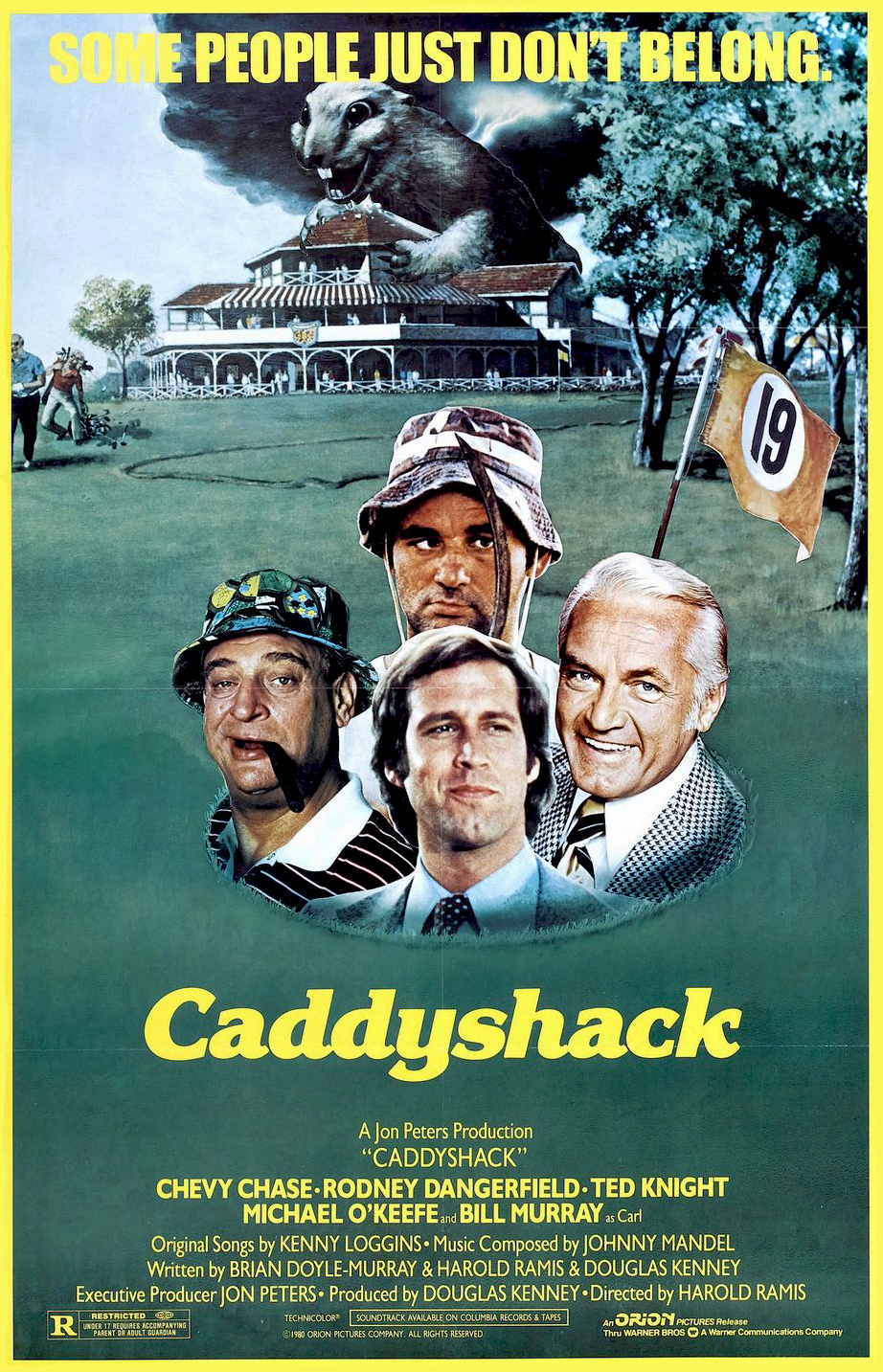
caddyshack1

By Richard Winters

My Rating: 7 out of 10

4-Word Review: Blow-up the gopher.

Trying to work his way through college, Danny (Michael O’Keefe) gets a job as a caddie at an exclusive golf course. He becomes friends with Ty (Chevy Chase) who is the son of the club’s co-founder. He also begins caddying for Judge Smails (Ted Knight) in hopes to get on his good side since the Judge is also in charge of the caddie scholarship program, which Danny hopes to win in order to help pay for his education. The Judge and Danny form a hot-and-cold relationship with the Judge usually more annoyed with Danny than not though he does warm-up to him after the Judge accidentally hits an elderly woman with a golf club that he recklessly threw, but gets off-the-hook for taking the responsibility when Danny comes forward and takes the blame. The man though that really causes the Judge’s ire is Al (Rodney Dangerfield) a wealthy real-estate tycoon, who begins golfing at the club and constantly makes fun of the judge at every turn. Al considers the judge to be an uptight elitist snob, while the judge sees Al as being uncouth and lacking in social graces. The two men ultimately square off in a high stakes golf match just as the club’s dim-witted groundskeeper Carl (Bill Murray) rigs the course up with tons of dynamite in an attempt to get rid of a pesky gopher that’s been destroying the grounds.

This was another film that upon its initial release, like with The Shining and  Blade Runnerwas given a lukewarm response by the critics, but has since then become a classic by the vast portion of the movie going public. Part of the reason this one didn’t gel well with the critics is because of what was considered ‘sloppy’ comedy that had very little story and relied too heavily on gags to keep it going. The script, written by Brian Doyle-Murray, brother of Bill, and Douglas Keeney, was supposed to emphasize the caddy’s more and be a coming-of-age comedy, but the producers, much to the writer’s dismay,  decided to throw-in more colorful characters including a gopher who chews up the course and constantly avoids capture, which was an idea that co-writer Douglas Kenney really hated. The result made the story come-off as being too loosely structured and more concerned with creating comical bits than making any type of statement.

I admit when I first saw this movie over 20-some odd years ago that’s how I came away feeling too, but this time I approached it more as a day-in-the-life saga between society’s have-and-have-nots with the caddies portraying the working class while the course’s nouveau riche clientele made up the establishment. When taken in this vein the film works really well and I especially liked the way the Danny and the Judge’s relationship evolves throughout with the judge ultimately much more dependent on Danny than you might’ve originally thought possible.

Of course it’s the comedy that makes it all come together and there’s truly some side-splitting moments including the infamous Babe Ruth candy bar in the pool bit that was the one thing about the movie that I had remembered when I first saw over 2-decades ago and now upon viewing it a second time had me rolling over in laughter even more especially when you realize that it apparently is based on a real-life incident that occurred to writer Doyle-Murray while he worked at a golf club in Winnetka, Illinois. I also really enjoyed the moment where we see Bill Murray’s incredibly makeshift living quarters inside the course’s utility shed that features a reunion between he and fellow SNL alum Chevy Chase. The two had gotten into a well publicized fist-fight behind-the-scenes while working on that show a couple years before, but both managed to work together in this scene, which had been written-in at the last minute by director Harold Ramis for exactly that purpose, without a hitch.

Rodney Dangerfield’s star-making turn as the crass, but wealthy patron is a riot too and I particularly enjoyed his over-sized, multi-purpose golf bag and his nervous fidgeting especially his twitchy legs when he stands, which was all genuine and anxiety driven. Knight quite good too in a perfect caricature of a pompous jerk though he reportedly was vocally upset during the production at the excessive partying and hijinks that went on amongst the rest of the cast members, including a lot of drug use, which he felt was unprofessional. I even liked Cindy Morgan as the Judge’s niece and resident ‘hot babe’ who despite being a blonde was fortunately not portrayed in the stereotype of being dumb, but instead as savvy and observant. Followed 8 years later by a sequel, which will be reviewed next.

caddyshack2

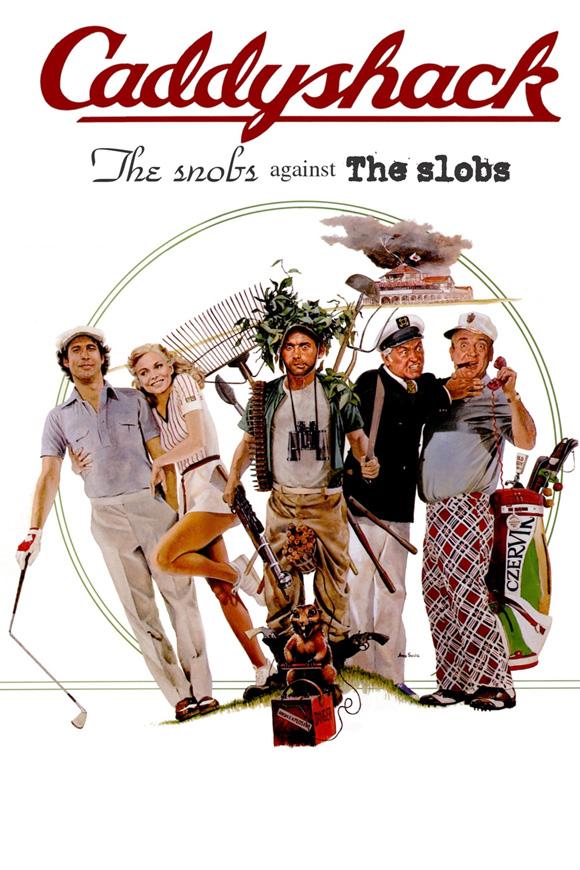
caddyshack3

My Rating: 7 out of 10

Released: July 25, 1980

Runtime: 1 Hour 38 Minutes

Rated R

Director: Harold Ramis

Studio: Warner Brothers

Available: DVD, Blu-ray, HD-DVD, Amazon Video, Hulu, YouTube

Next Stop, Greenwich Village (1976)

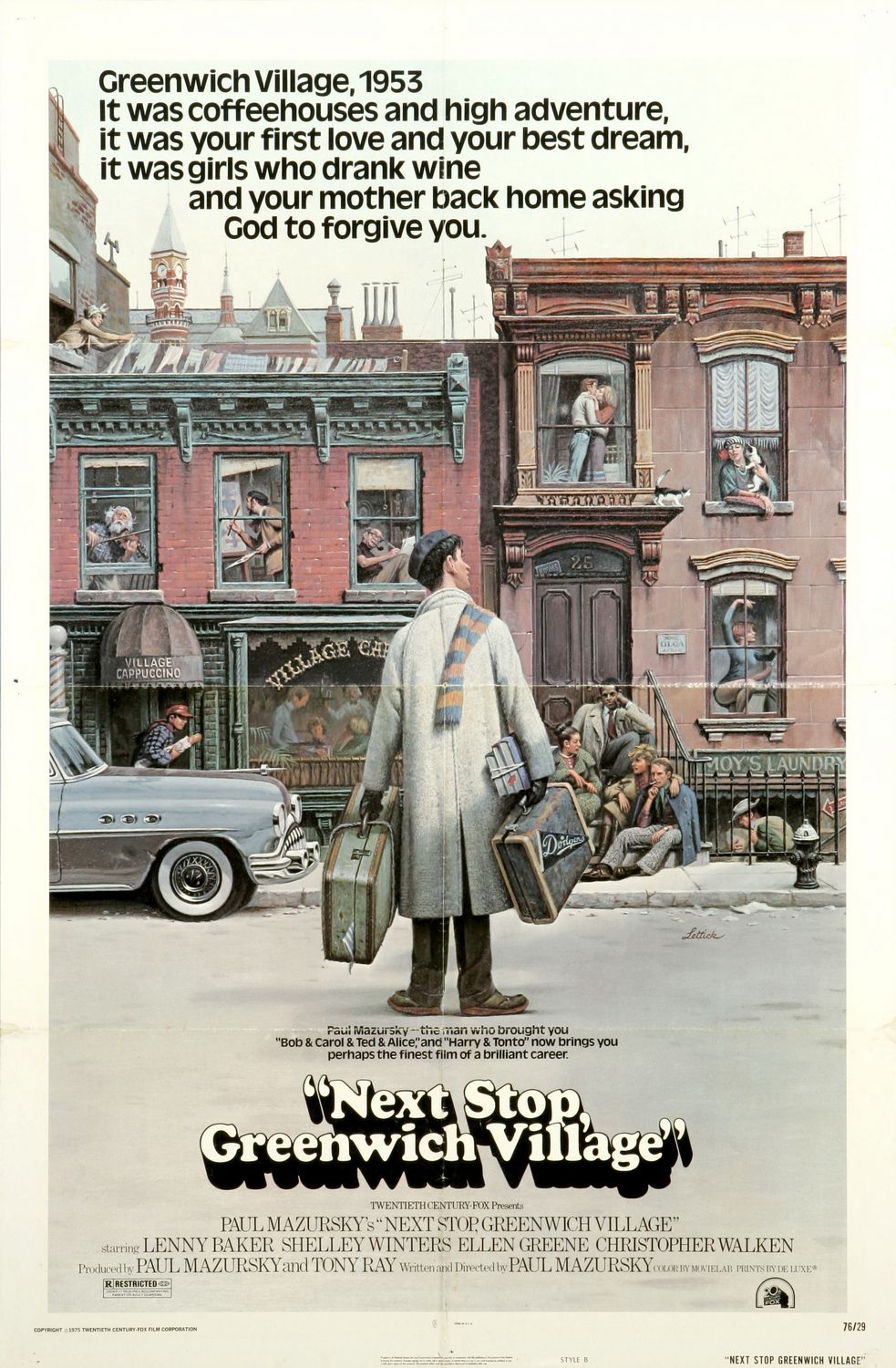
nextstop

By Richard Winters

My Rating: 7 out of 10

4-Word Review: He dreams of stardom.

In 1953 Larry (Lenny Baker), a young man in his early 20’s, decides to move out of his home in Brooklyn that he still lives in with his parents (Shelley Winters, Mike Kellin) and into an apartment situated in the artsy district of Greenwich Village. Larry dreams of becoming a movie star and feels the way to start his career is by living with fellow artists. He also wants to get away from his meddling mother, but finds no matter where he goes she always comes to visit many times at the most inopportune moments including when he’s holding wild parties, or making-out with his new girlfriend Sarah (Ellen Greene).

The film is loosely based on writer/director Paul Mazursky’s early life as a struggling artist, which is fine, but how much one likes this movie hinges almost completely on how much they can stand the main character. For me he wasn’t so likable. While I admit his mother was annoying she was still well-meaning and the way he constantly lashed-out at her seemed too angry and aggressive. I would’ve thought someone who had been raised in that type of overbearing environment all of his life would’ve figured out a more subtle way to placate his mom that wouldn’t have needed to be so abrasive. When he tells his neighbor lady (Rachel Novikoff) that he’s moving to Greenwich Village to ‘become a big star’ like it was going to be some automatic thing seemed a bit too deluded and you’d think by that age he would’ve been a little bit better grounded.

The friends that he makes, which include some early performances by Christopher Walken, Antonio Fargas, and Dori Brenner, are a bit off-kilter as well. For instance they visit a fellow artist friend named Anita (Lois Smith) at her apartment only to find her sitting inside the bathroom with her wrists slit and talking about how she wants to die. They manage to get her patched-up, but then return to the apartment a couple of weeks later with the same carefree spirit that they had the first time, but you’d think after what they witnessed they’d approach the place cautiously, or maybe never want to go there again, for fear that she’d try it again and this time succeed forcing them to witness a tragic sight and yet this bunch acts like for some reason the whole suicide thing will never reoccur only to be shocked when it does even though I as a viewer was completely expecting it.

The story is rather rudimentary and involves basic elements that seemed to be analyzed in a lot of coming-of-age films during the 70’s including having Larry’s girlfriend get pregnant and require an abortion, which wasn’t exactly a unique twist. I did though enjoy the scenes inside Larry’s acting class and the way his teacher (Michael Egan, who was portraying the legendary acting coach Herbert Berghof) challenged his students after his each performance that they gave in the class and requiring them to analyze why they portrayed a certain character the way they did. Not enough other movies capture the technical side to acting, so I felt these scenes stood out in a good way and were quite introspective to the craft. I also liked the dream sequence where Larry imagines himself as a successful star, but then this quickly turns into a nightmare where he sees himself booed by the audience and even has pies thrown in his face, which I felt brought out the insecurity many artists, especially actors, harbor, even the successful ones, where they secretly fear never being quite good enough.

Spoiler Alert!

My biggest complaint though was with the ending where for some inexplicit reason Larry gets hired to play a part in a movie and whisked off to Hollywood even though I didn’t see what was so great about his audition, or why this scrawny guy stood out to the casting directors from all of the other men that were also vying for the role. I realize that Mazursky was basing this on his own life as he was able to escape to Hollywood after getting the starring role in the Stanley Kubrick drama Fear and Desire, but this only occurs to a small handful of people and the vast majority who move to Greenwich Village never really leave it, or if they do it’s most likely to the suburbs where they’re forced to get ‘real jobs’, or maybe even back home to their parents after they run out of money. If the movie has Greenwich Village in its title then that’s where it should’ve stayed as most people who live there probably ultimately wouldn’t like Hollywood as it’s a completely different vibe and sometimes it’s better being a big fish in a small pond, which I felt is the message that the film should’ve conveyed as the Hollywood twist seemed too dreamy.

End of Spoiler Alert!

Either way the film is helped immensely by Shelley Winters, who plays the overbearing mother to a T and comes complete with realistic crying spells. This should’ve netted her a third Oscar and for all purposes was her last great role as the parts she got offered after this were virtually all of the B-movie variety. Baker on the other-hand, whose only starring vehicle this was as he died, at the young age of 37, less than 6 years after this film came out, is an acquired taste. I don’t know if it was his extreme skinniness that got to me, he was 6’0, 145 pounds, but I just couldn’t really ever warm up to him and felt that Harvey Keitel, who had been considered for the part, would’ve worked better. You do though get to see Bill Murray, in his live-action, feature film debut, as a party guest as well as Jeff Goldblum as a humorously obnoxious struggling actor doing whatever he can to stand out and get noticed.

My Rating: 7 out of 10

Released: February 4, 1976

Runtime: 1 Hour 51 Minutes

Rated R

Director: Paul Mazursky

Studio: 20th Century Fox

Available: DVD, Blu-ray

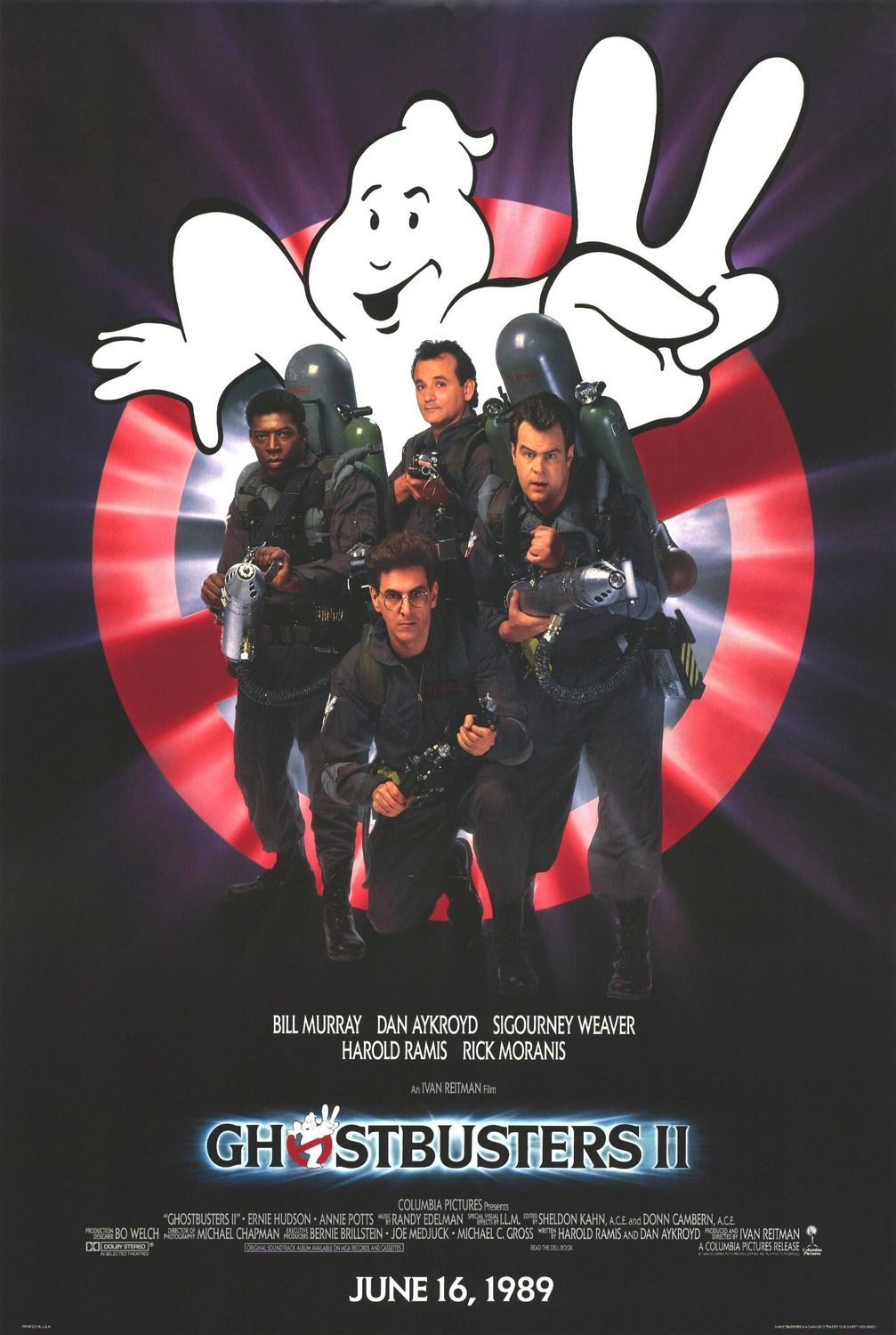
Ghostbusters II (1989)

ghostbusters 3

By Richard Winters

My Rating: 2 out of 10

4-Word Review: Called back into action.

It’s been 5 years since our team of Ghostbusters (Bill Murray, Harold Ramis, Dan Aykroyd) saved New York City from impending ghostly doom only to be thanked by getting sued for all the damage they created in the process, which promptly sent them out of business. Now though there are signs of an even worse attack from the supernatural in the form of an ectoplasmic river underneath New York, which is being strengthened by all of the negative energy from the citizens that live there. Can our team of heroes put on their uniforms once more and save the city from yet another ghostly attack while also coming to the aid of Dana (Sigourney Weaver) who finds that an ancient sorcerer (Wilhelm Von Homburg) is trying to possess her newborn child?

The premise pretty much starts the film out on bad footing and it’s never able to recover. The idea that they’d be driven out of business by a barrage of lawsuits didn’t make much sense to me. The ghosts that were terrorizing Dana’s apartment building in the first film were witnessed by thousands of spectators as they stood outside on the ground and watched the three men drive them away, so they should’ve been viewed as heroes and those that tried to sue them would’ve been vilified. Besides it was the mayor (David Margulies) who gave them the permission to do whatever they needed to do to take the ghosts out, so if anyone was to be a target for the lawsuits it would’ve been his office and the city. What is even worse is that after the first 40 minutes the story eventually goes back to the original premise where the team becomes popular again and their services are in-demand, so why couldn’t the film simply started from that point as it makes the entire first act come off like a complete waste of time otherwise.

Although it’s great to see Janet Margolin, who plays a prosecuting attorney, in her last film appearance, the court room scenes are static and not right for this type of genre. The ghosts are not scary or frightening like they were in the first one either and instead come off as cartoonish and boring.

Murray gets pigeonholed in a dull routine where he spends most of the time trying to desperately rekindle his romance with Dana, which isn’t interesting. Ramis and Aykroyd seemed more intent on stealing back some of Murray’s thunder by not having him come along on a few of their missions including a long segment where they discover the evil river underneath the city, which is just not as funny without Murray there.

Weaver pretty much just goes through the motions in a part that really does not allow her much to do. I was also confused as to why she had been a musician in the first film, but in this one she had strangely crossed over into being a painter. Rick Moranis and Annie Potts are equally wasted and forced into a makeshift romance simply because the writers didn’t know what else to do with them.

William Atherton, who was so good at playing the prissy, arrogant heavy in the first film, gets sorely missed. Kurt Fuller tries to take up his slack, but he is not as effective. Former wrestler von Homburg plays the evil sorcerer, but his voice ended up being dubbed by Max von Sydow, which made me wonder why they didn’t just cast him in the villainess role to begin with since he was the far better actor.

Just about all the jokes fall flat and the climactic finish which features an animated Statue of Liberty is really lame. The story is never able to gain any traction or momentum, doesn’t add any new or interesting angle to the theme and should’ve been trashed before it was even made.

My Rating: June 16, 1989

Runtime: 1Hour 48Minutes

Rated PG

Director: Ivan Reitman

Studio: Columbia Pictures

Available: DVD, Blu-ray, 4K Ultra HD, Amazon Instant Video

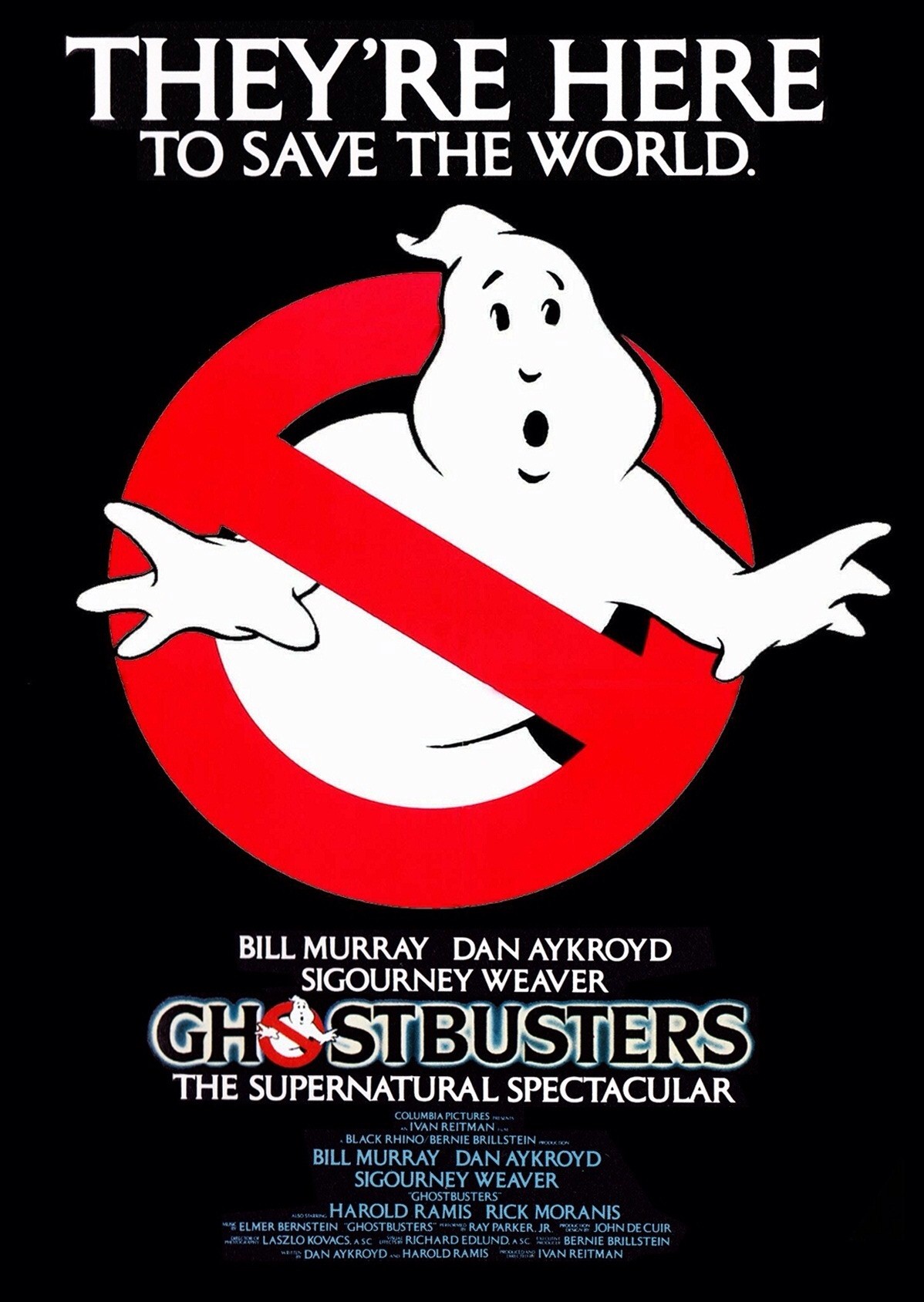
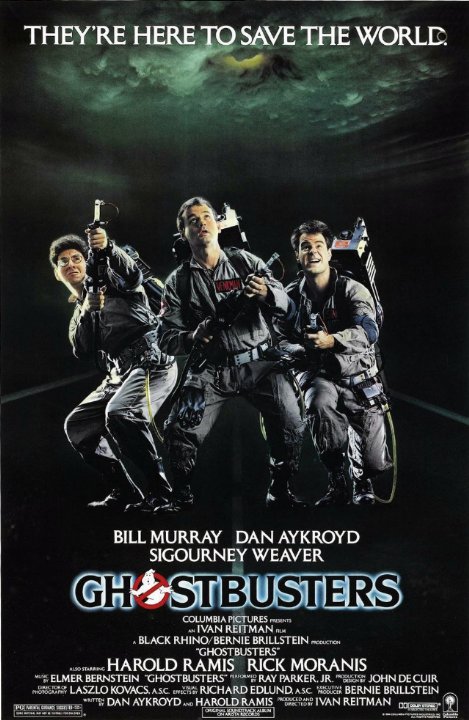
Ghostbusters (1984)

ghostbusters 2

By Richard Winters

My Rating: 9 out of 10

4-Word Review: Who ya gonna call?

Due to this film’s recent reboot set for official release tomorrow I thought it would be great to look back at the one that started it all. I haven’t seen the remake and have no plans to, so this review will concentrate solely on the original. However, if you have seen both feel free to leave a comment comparing the two and telling us which one you liked better.

The story here centers on Peter (Bill Murray), Ray (Dan Aykroyd) and Egon (Harold Ramis) who are three parapsychologists who lose their jobs at Columbia University and decide to open up their own paranormal extermination service out of an old, abandoned firehouse. At first business is slow, but it quickly picks up once they capture a particularly pesky ghost known as slimmer from a ritzy Manhattan hotel. Soon they find themselves the center of demand and media attention. Dana (Sigourney Weaver) is a cellist who finds her apartment to be haunted and the womanizing Peter becomes smitten with her and is quick to come to her aid only for her to end up becoming possessed by the demon. The three then must use all of their abilities and weapons to try and stop it as well as the plethora of other ghouls who were mistakenly released into New York’s atmosphere when an aggressive EPA agent (William Atherton) forced them to shut down their ghost containment system.

I saw this film when it was first released and found it to be hilarious, but was worried that after all these years it might not come off as well, but to my surprise it hasn’t aged at all and is still quite fresh and inventive. Usually even in the best of comedies there will be jokes that fall flat, but here every one of them hits-the-bullseye and I enjoyed how the creative script see-saws the humor from the subtle to the over-the-top. The plot is imaginative, but manages to create and stick to its own logic that is consistently clever and amusing, but never silly.

The special effects are also impressive. Usually in comical films the ghosts or monsters are made to be benign and goofy, but here they are frightening, which again helps keep the story from ever getting one-dimensional.

Murray’s glib and detached persona is at a peak level and his throwaway lines, which were almost all improvised, are gems. Aykroyd and Ramis, who wrote the script, wisely step back and give Murray full control to steal the spotlight, which he does effortlessly.

The supporting cast is equally great. I never considered Weaver particularly suited for a role as a love interest, but her sharp, caustic manner works as a nice contrast to Murray’s smart-ass presence. She also becomes quite sexy during the scenes when she turns into a demon. Rick Moranis as her nerdy neighbor is hilarious and has some of the funniest moments in the film particularly the scene he has at a party he throws in his apartment and the way he introduces each guest as they arrive.

Ray Parker Jr.’s theme song is the icing-on-the-cake in a film where amazingly everything clicks perfectly. Why the studio heads felt there was a need to revamp this franchise is a mystery. I realize they are running out of ideas and feel the urge to retool what has been successfully done before in order to appeal to the ‘new generation’ of filmgoers, but this is one classic that should’ve been left alone.

ghostbusters 1

My Rating: 9 out of 10

Released: June 8, 1984

Runtime: 1Hour 45Minutes

Rated PG

Director: Ivan Reitman

Studio: Columbia Pictures

Available: DVD, Blu-ray, 4K Ultra HD DVD, Amazon Instant Video, YouTube