Category Archives: Obscure Movies

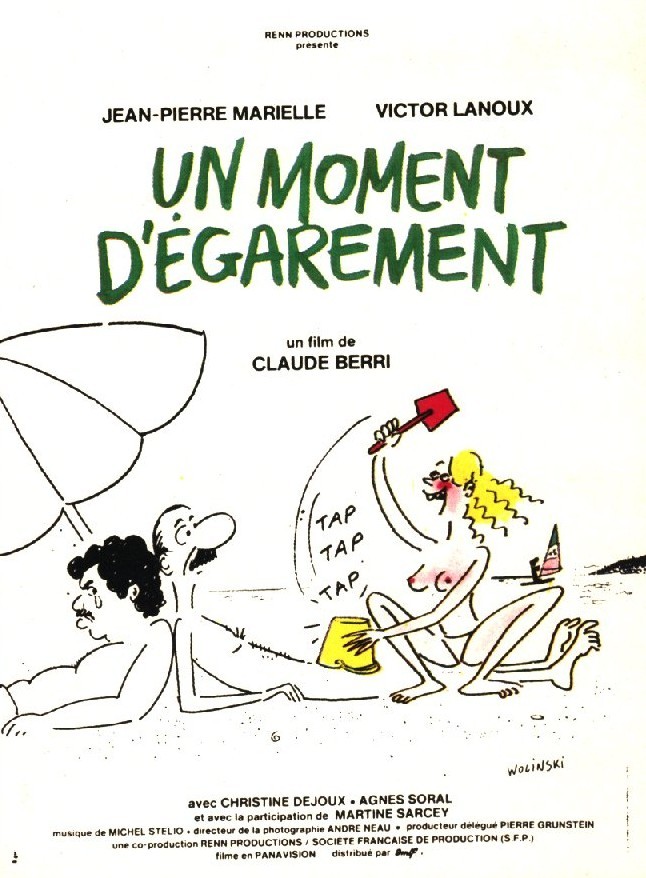
One Wild Moment (1977)

one wild moment 1

By Richard Winters

My Rating: 5 out of 10

4-Word Review: Fling with friend’s daughter.

Pierre and Jacques (Jean-Pierre Marielle, Victor Lanoux) are longtime friends who decide to take a vacation together along the French Riviera and both bring along their 17-year-old daughters. One night Pierre and Victor’s daughter Francoise (Agnes Soral) attend a late night wedding party and the revelry and energy of the moment culminates with them having a tryst along the beach. Although Pierre has feelings for Francoise and vice-versa he wants to keep it from going any further for fear that it will jeopardize his friendship with Victor. Francoise though wants it to continue and the two quarrel with their mixed feelings as they ponder telling Victor about it.

Although this is not a great film it is still far superior to its American remake Blame it on Rio. For one thing it works more as a drama while the remake was played strictly for laughs. The dialogue has more of a realistic conversational quality and the characters are better rounded and more dimensional. The structure is  leisurely paced given it a day-in-the-life feel without having every scene forced to conform to contrived comedy like in the other one. The scene where the two make love has much more of a natural quality to it and less stagey. I also enjoyed more of an emphasis on subtly where the characters are not compelled to verbally describe their feelings, but instead it relies on their facial expressions, which is much more powerful.

Marielle gives a far better performance than Michael Caine did in the equivalent role who seemed awkward, stiff and uncomfortable throughout. The rift that the character has with his daughter Martine (Christine Dejoux) gets better fleshed out here while in the remake it is only briefly touched on. I also thought it was interesting that at one point Marielle’s character slaps his daughter during an argument when she comes back well after her curfew, which doesn’t get shown in the American film and I presume this is because of Hollywood’s concern that it might make the character less appealing as they always want to make their protagonists are wholly likable and politically correct, but in the process it also makes them less real.

The two daughters are much more believable and like young women ready to enter adulthood instead of a middle-aged man’s sexual fantasy like in the other one. I also found it amusing how when Francoise tells her father about her tryst he doesn’t immediately become upset about it like in the American film where sexual mores are more stringent, but only after she tells him it was with a man over 40.

Thankfully there is also no silly side-story involving one of the men’s wives having an affair with the other, which was the dumbest part about the remake and in fact there is no wife character here at all. The only real problem with this version is its abrupt ending that leaves open all sorts of loose endings and is quite unsatisfying and becomes unfortunately a major mark against it.

My Rating: 5 out of 10

Released: December 21, 1977

Runtime: 1Hour 28Minutes

Rated R

Director: Claude Berri

Studio: Quartet Films

Available: VHS
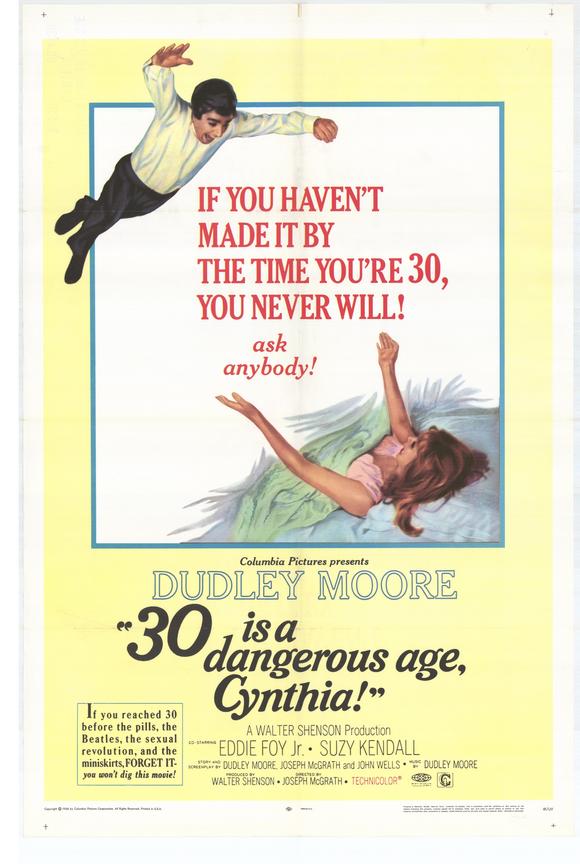
30 is a Dangerous Age, Cynthia (1968)

30 is a dangerous age

By Richard Winters

My Rating: 6 out of 10

4-Word Review: Life crisis at 30.

Rupert Street (Dudley Moore) is a struggling pianist and composer who with only six weeks until his thirtieth birthday feels that his life has been a failure. He sets out to change that by setting some very lofty goals, which is to write a musical and have it produced as well as getting married even though he has yet to find a girlfriend.

The film, which was directed by Joseph McGrath is filled with the wonderfully drool British humor that manages to be both lightly satirical and imaginative all at the same time. The rampant cutaways in which a character will be talking about something and then it cuts to show them doing what they are imagining or discussing lends a nice surreal quality. The banter that Moore has with a Registrar (Frank Thornton) where he tries to get a marriage license before even having picked out a woman is the high point of the film and a perfect example of the wacky humor of that era from that region of the world that balances being both subtle and over-the-top that I wish more American movies would be better able to replicate.

The supporting cast helps a lot and is full of comic pros. The elderly Eddie Foy Jr. is a scene stealer as Rupert’s best friend and so is Duncan Macrae, whose last film this was, as Rupert’s boss. Patricia Routledge is great as his kooky landlady and Suzy Kendall is highly attractive as his fiancée. There is also an amusing parody of 1940’s detective movies featuring John Bird as a self-styled film noir-like private eye.

Unfortunately the script, which was co-written by Moore, suffers from too much of loose structure. The jokes are poorly paced and many times the comic bits go on longer than they should. There is also an intermixing of musical numbers that features Moore at the piano, which does not work well with the rest of the film. Yes, Moore was also an excellent pianist, but this was no place to be showing it off and these segments only help to bog the film down as a whole. The ending, which features Moore having to witness the desecration of his musical by an overzealous director who has a different ‘vision’ for it is priceless, but in-between there are a lot of lulls and the film would’ve been helped immensely by having a tighter script and a more structured, plot driven story.

My Rating: 6 out of 10

Released: March 4, 1968

Runtime: 1Hour 25Minutes

Not Rated

Director: Joseph McGrath

Studio: Columbia Pictures

Available: VHS

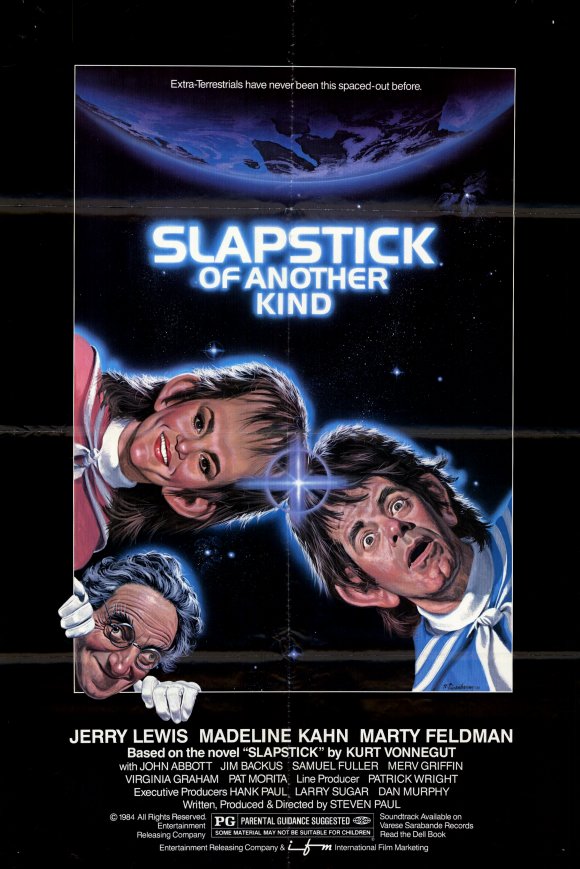
Slapstick (Of Another Kind) (1982)

slapstick

By Richard Winters

My Rating: 2 out of 10

4-Word Review: These twins are extraterrestrials.

Based on the Kurt Vonnegut novel ‘Slapstick’ the story centers on a Caleb and Lutetia (Jerry Lewis, Madeline Kahn)  who are a rich and famous couple that give birth to deformed and ugly twins named Wilbur and Eliza (also played by Lewis and Kahn). The couple immediately disowns the children and has them put away into a home run by Sylvester (Marty Feldman) who acts as the children’s caretaker. Unbeknownst to anyone is the fact that twins are actually aliens implanted inside Lutetia by a race of super intelligent beings from a faraway planet as a way to help earthlings solve all of their problems. When the twins put their cone sized heads together they are super smart, but when they are separated they are dumb making everyone believe that they are mentally deficient and of no use to anyone.

The biggest problem with this disastrous attempt at a movie is the approach. Director Steven Paul who ironically made his acting debut in Happy Birthday, Wanda June, which was another Vonnegut book adaptation brought to the screen seems to have no idea what type of audience he is aiming for. The humor shifts wildly between child-like farce to satirical jabs with nothing in-between, which will alienate both adults and children alike. The grownups will find it incoherent and silly while the children will be frightened by the ugly visuals as well as the cold, callous nature of the characters and plot. There is also a strange side story that make no sense and deals with miniaturized Chinese men who are the size of a human thumb and fly around in a spaceship resembling an eggroll while trying to make contact with the twins in order for them the help make a deal on the sale of gravity?!!!!

Lewis and Kahn are relatively amusing as the snotty couple, but as the twins they are downright embarrassing. The scene where they have a food fight while yammering incessant baby talk is a degrading sight and a career low for both performers. I know Lewis has the reputation of doing some really silly, inane stuff, but even this should’ve been beneath him.

The eclectic supporting cast helps a little and the only reason that I’m giving it 2 points. Feldman is genuinely amusing and it’s great seeing Jim Backus in one of his last acting roles playing the President of the United States and hearing this predominantly kid-friendly performer utter the word shit…twice!

I have never read the novel from which this is based, but have heard that it is far superior, which isn’t a surprise. I’d be interested to know what Vonnegut, who apparently wrote the lyrics to a song sung by Kahn in the film, but then later cut, thought of this catastrophe. Some bad films are fun because you can make jokes about as it goes along, but this thing is so utterly bizarre from beginning to end that instead you sit in a stupor throughout and it becomes a surreal experience instead.

My Rating: 2 out of 10

Released: December 1, 1982

Runtime: 1Hour 22Minutes

Rated PG

Studio: International Film Marketing

Director: Steven Paul

Available: VHS, Amazon Instant Video

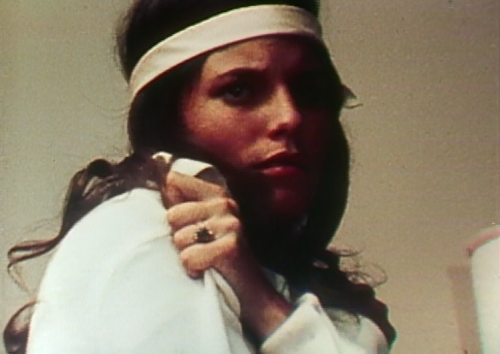
The Intruder (1977)

Capture 52

By Richard Winters

My Rating: 4 out of 10

4-Word Review: Terror on the road.

Based on a story by Dean R. Koontz and filmed in France under the title Les Passagers the plot centers on Alex (Jean-Louis Trintignant) who picks up his 11-year-old stepson Marc (Richard Constantini) from school and sets off to drive him across France and into Italy where they are to meet his mother Nicole (Mireille Darc). Along the way they become menaced by a strange man (Bernard Fresson) driving a black van that begins following them. At first Alex thinks nothing of it, but when the van tries driving them off the road they go to the police who prove to be unhelpful, which forces Alex to take things into his own hands in order to save both himself and the boy.

The film starts off well with definite hints to Steven Spielberg’s classic Duel. I enjoyed how initially everything is from Alex’s and Marc’s point-of-view where we do not know the identity of the driver in the black van, which is only seen through the perspective of their rear window that gives the vehicle a creepy presence. The banter between the boy and step father is engaging and the fact that the kid is smart and shows a keen awareness of things and not just there to be cute is great. I also liked the bawdy tune they sing together and the shot of the boy driving the car while the father leans out the passenger side window.

There is an exciting moment where the van tries pushing their car off the highway while they’re on a winding mountaintop road that is well photographed and realistic. The two are subsequently forced to ride the rest of the way in a tattered vehicle that has no windshield and looks almost as beat-up as the automobile in Planes, Trains and Automobiles.

I did not like however that fifteen minutes into the movie we are shown the face of the other driver, which takes away from the intriguing mystery angle that is what made Duel so interesting. The bad guy isn’t frightening and comes off as clumsy and careless, which makes him less threatening. The fact that he does not carry any type of weapon and must resort to grabbing a nearby fire ax in order to attack Trintignant’s character when the two confront each other didn’t make much sense.

Spoiler Alert!

The film’s biggest transgression though is that its twist ending isn’t surprising at all as the mystery man turns out to be the wife’s psycho ex-boyfriend, which is something I had guessed early on and most other viewers probably will too. It also leaves open a tremendous amount of loopholes like why Alex wouldn’t have been made aware of this boyfriend earlier as I’m sure he would’ve been stalking them long before she got remarried and why the boy wouldn’t have guessed that the stranger chasing them was this man as well as most likely he would’ve known about him too. The police investigation, which gets worked in as a sort of side story proves pointless to the plot and the fact that they end up being quite incompetent makes them seem similar to the ‘comic relief’ cops from Last House on the Left, which hurts the tension.

End of Spoiler Alert!

This film has managed to acquire a small cult following and it has good set-up, but it would’ve worked better had it been done solely from the point-of-view of the father and stepson and only revealed the face and identity of the bad guy at the very end.

My Rating: 4 out of 10

Alternate Title: Les Passagers

Released: March 9, 1977

Runtime: 1Hour 36Minutes

Not Rated

Director: Serge Leroy

Studio: Warner Brothers

Available: None at this time.

Lisa, Bright and Dark (1973)

lisa bright and dark 1

By Richard Winters

My Rating: 4 out of 10

4-Word Review: Teen has mental illness.

Based on the acclaimed novel by John Neufeld the story centers on Lisa (Kay Lenz) a teenage girl who begins behaving in strange ways. She feels that she is suffering from some sort of mental illness and asks her parents (John Forsythe, Anne Baxter) if she can see a psychiatrist, but they refuse as they were raised in an era where mental illness was considered a ‘character flaw’ that didn’t occur to ‘respectable’ people and psychiatry was still thought of as a ‘new-age’ type of practice. Her friends (Debralee Scott, Jamie Smith-Jackson, and Anne Lockhart) think differently and try to get her the help that she needs, but when that fails they then read up on psychotherapy themselves and try to help Lisa with their own brand of therapy.

This film, which aired on NBC in November of 1973 as a Hallmark Hall of Fame presentation, was critically acclaimed at the time, but it has not aged well. I applaud the effort at trying to destigmatize the myth of psychiatry, but the drama often times comes off as strained and unintentionally funny. The sappy songs by Rod McKuen are abysmal and enough to drive the viewer as batty as the main character.

I found it strange how enlightened Lisa’s teen friends were about mental illness and wasn’t quite sure that I bought into it. I would think they would be just as confused and frightened of Lisa’s behavior as the adults and maybe try to stay away from her completely. Seeing how sympathetic Lisa’s classmates are to her condition is nice, but not realistic. At that age I would imagine some of the teens would ostracize and mock Lisa while considering her some sort of ‘freak’ and the film would’ve been better balanced had at least shown briefly some of that, which it doesn’t. The idea that these girls could read a few books by Sigmund Freud and then be able to perform psychotherapy is laughable and the whole thing would’ve been better served had it taken place in a college setting as the students all look college-aged anyways and the plot would’ve been more believable because it could’ve had her working with students or interns that were majoring in psychiatry.

The film never bothers to give any type of explanation for Lisa’s issues nor any inkling as to whether she was able to find some sort of adjustment through medication or therapy. It all seems like an excuse to promote the acceptance of psychiatry to the mainstream and not about the main character at all, which makes it come off as a thinly veiled ‘message movie’ and nothing more.

Lenz, who for a time was married to singer/actor David Cassidy, does well in the title role, but I didn’t care much of her toothy smile. It is fun seeing Anson Williams and Erin Moran in supporting roles as they both later became cast members to the long running TV-show ‘Happy Days’. Richard Stahl also appears as the father of one of the girls, but has his voice dubbed for some reason, which was quite strange.

My Rating: 4 out of 10

Released: November 28, 1973

Runtime: 1Hour 15Minutes

Director: Jeannot Szwarc

Studio: Hallmark Hall of Fame Productions

Available: DVD (Out-of-print)

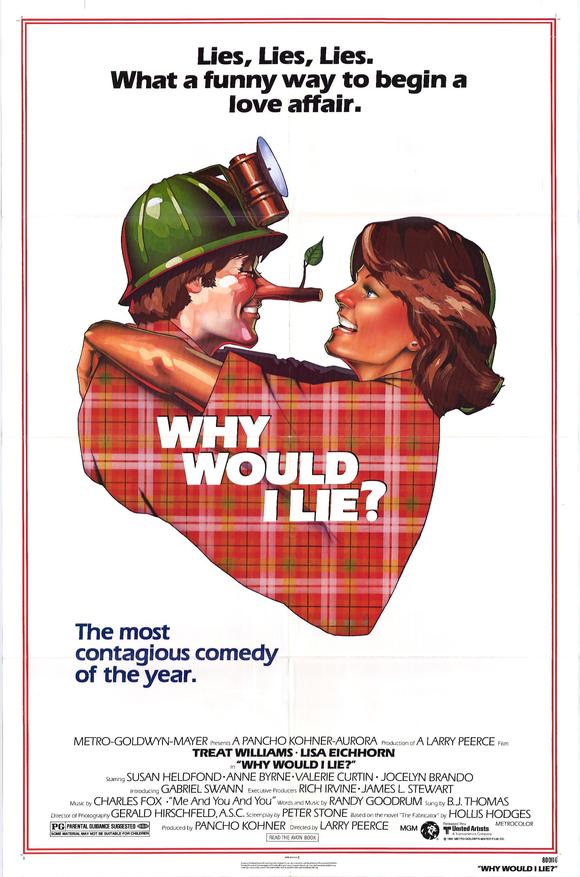
Why Would I Lie? (1980)

why would i lie 2

By Richard Winters

My Rating: 3 out of 10

4-Word Review: He’s a compulsive liar.

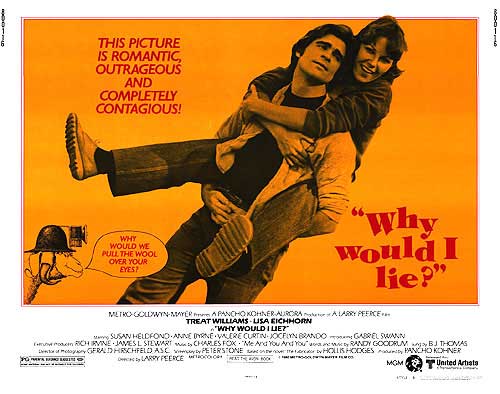
Cletus (Treat Williams) is a compulsive liar although he says they are simply ‘fabrications’ and tells them because it is his sincere belief that people don’t want to hear the truth and the lies are much more interesting. He gets a job at a welfare agency and gets involved with a young boy named Jeorge (Gabriel Macht) and trying to return him to his mother. The task turns into an uphill battle as the mother is nowhere to be found and relies heavily on Cletus’ lies to get him out of jam after jam. Whenever he does gets caught in one of his ‘fabrications’ he will always say ‘why would I ever lie about a thing like that?’ which quickly becomes the film’s catchphrase.

This goofy movie, which has never been released on DVD or VHS and had only a limited run during its initial release in August of 1980, seems unable to figure out what it wants to be. It starts out as a weird character study before moving into a quirky comedy and then ultimately devolving into a sudsy soap opera.  It’s unique for being filmed on-location in Spokane, Washington and even opens with a roaming, bird’s eye view of the city’s skyline, which has to be both a first and last.

The supporting female cast is the film’s biggest weakness as the characters are poorly written and defined. Valerie Curtain, who plays Cletus’ boss, decides to hire him for the job despite the fact that he clearly says some outrageous lies during the interview. When she becomes aware that he may be doing something improper in regards to the adoption process, she threatens him with legal action, so then Cletus pretends to romance her, which is so corny that it is an insult to any woman that the female character here could ever fall for it. He then meets Kay (Lisa Eichhorn) who after only knowing him for a few minutes invites him back to her place for sex, which even for the swinging ‘70’s seems outrageously forward and reckless. Then later when she no longer wants to go out with him because she’s not into any type of serious relationship Cletus advises her that he is ‘in love’ with her even though he’s only known her for a few days and like a hypnotist snapping his fingers this tacky line is somehow enough to get her to make a 180 degree turn and agree to move in with him.

The film also suffers from some very shallow logic. For instance Cletus is told that the boy’s mother may be in either Boston or Philadelphia, so using that little information he decides to take a trip to both cities in order to ‘search’ for her, which makes me wonder  how was he planning to do that. Will he knock on every door in each metropolis until someone with her name finally answers? I also thought that having the woman he is dating turn out to magically be the mother he is searching for and that she was simply living under a different name was too much of a cutesy coincidence and put this whole thing in the category  of a fluffy TV-movie if even that.

Williams manages to play the title role well enough that he keeps it watchable and even somewhat likable. The real scene stealer though is Macht in his film debut who goes by the name Gabriel Swann here. The kid is really adorable and his scenes with Williams are the best moments in the film.

The supporting cast is interesting, but essentially wasted although Jocelyn Brand (Marlon’s sister) has an amusing moment at the end. Severn Darden is good too as Cletus’ psychiatrist who does crossword puzzles while listening to his patients and then panics when he thinks one of them has jumped out the window. There is also a moment in the film where B.J. Thomas sings a song called ‘Me, You and You’, but unlike ‘Raindrops Keep Falling on My Head’, which was famously done in Butch Cassidy and the Sundance Kid this song is not memorable and does not help the film at all.

why would i lie 1

My Rating: 3 out of 10

Released: August 8, 1980

Runtime: 1Hour 45Minutes

Rated PG

Director: Larry Peerce

Studio: MGM

Available: None at this time.

Pardon Mon Affaire (1976)

pardon mon affair1

By Richard Winters

My Rating: 7 out of 10

4-Word Review: Married man wants hottie.

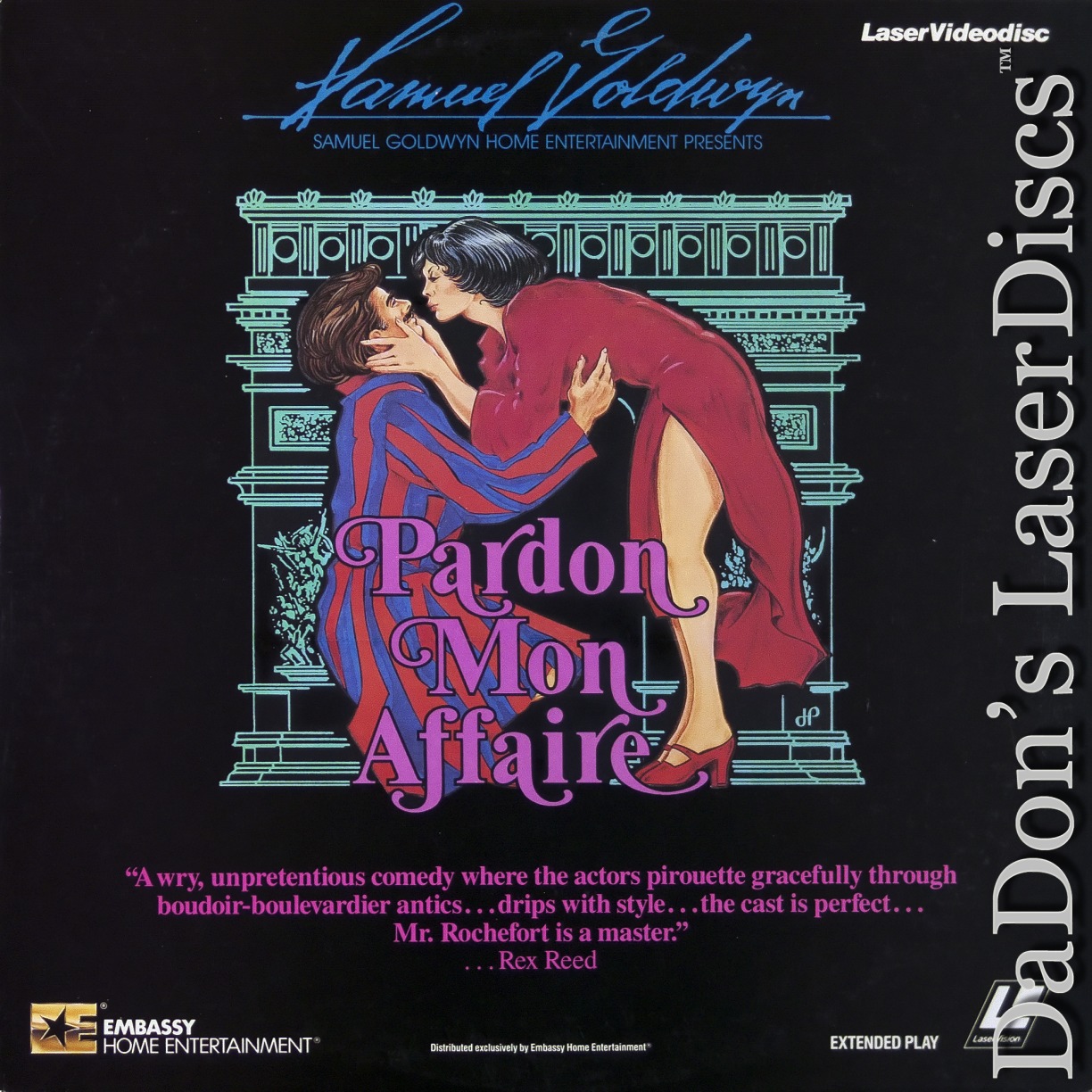
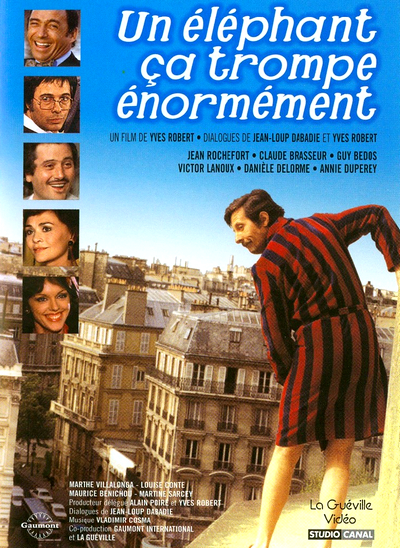
Etienne (Jean Rochefort) is a mild mannered, middle aged man who has lived a practical lifestyle both with his marriage and career and then one day goes absolutely gaga over a beautiful model named Charlotte (Anny Duperey) that he spots by chance in a parking garage. He goes to great, tireless lengths to meet her with no regard to how it is upsetting and even destroying his once quant and secure life.

This is the French version of what was later Americanized in The Woman in Red starring Gene Wilder. For the first five minutes the two films are almost identical as the opening scenario plays out in exact same fashion frame-for-frame, but then after that there are some distinct differences with this version being far superior to the remake. The disintegration of Etienne’s friend Bouly’s (Victor Lanoux) marriage is much funnier here as the philandering character gets upset when his wife leaves him we will realize its more because of his inflated, deluded ego thinking that somehow he is such a ‘great’ guy that his wife will tolerate his misgivings and when the harsh reality hits him that she won’t it’s a genuinely amusing meltdown to see. I also liked that the film cuts to a reaction shot of the main character as he observes his friend’s meltdown, which helps tie the scene more into the central plot and something that the Wilder version did not do.

I also liked how this film digs to a deeper level in regards to Etienne’s relationship with his male friends showing how competitive they are at times with each other, which is something that occurs even in the best of friendships, but when it counts they are still there to help their friend out of jam which came off as being very natural and real. The side story dealing with the homely female office worker which is played by Gilda Radner in the remake is also better handled. In the American version like with this one the character mistakenly thinks that Etienne is in love with her and not the model and when he doesn’t show up to their ‘dates’ like she expects she gets quite upset and trashes his car, but here Etienne attributes her outrage to the idea that she is aware that he wants to fool around with the model and thus does these things to defend his wife’s honor, so therefore he does not retaliate when she destroys his property for fear she will then go to his wife and tell her. In the remake this is never explained, which makes the main character’s reluctance to retaliate after his property is damaged seems strange and confusing.

This movie also has a side-story dealing with the daughter’s boyfriend hitting on Etienne’s wife something that only gets slightly touched upon in the remake. Here it gets played out more and the scenes watching this 17-year-old kid clumsily try to come on to this much older woman who has no interest in him are some of the most amusing moments in the movie.

The acting here is far better as well. The Charlotte character seems more like a real person instead of a one-dimensional sex object as LeBrock did. Rochefort is much funnier than Wilder and sports a brown mustache, which makes him seem very Inspector Clouseau-like. The American version, in an apparent attempt to make the protagonist more ‘marketable’ to a mass audience, conforms more to mainstream values by being portrayed as constantly guilt-ridden, but the character here is not shackled with such restraints and the way he recklessly chases after the woman even as it causes him more stress is what makes the movie so funny. It also has some very astute observations about marriage, middle-age, sex and the male animal while the remake is just vapid, silly escapism.

I presume the reason why the nuances of this one didn’t get transferred to the Hollywood version is because the producers felt that American audiences would not be ‘sophisticated’ enough to pick up on them, which is why I tell everyone who considers themselves to be a film lover to be sure to stay abreast of the foreign films that are out there. In most cases they are much more original, creative and observant to the human condition than anything that’s come out of Hollywood and the main reason for this is that they are treated more like an artistic endeavor with the director given full control while here the films are forced to work within a studio driven formula and treated more like a business byproduct made to give a profitable return on their investment and nothing more.

pardon mon affair2

My Rating: 7 out of 10

Released: September 22, 1976

Runtime: 1Hour 45Minutes

Rated PG

Director: Yves Robert

Studio: Gaumont

Available: VHS

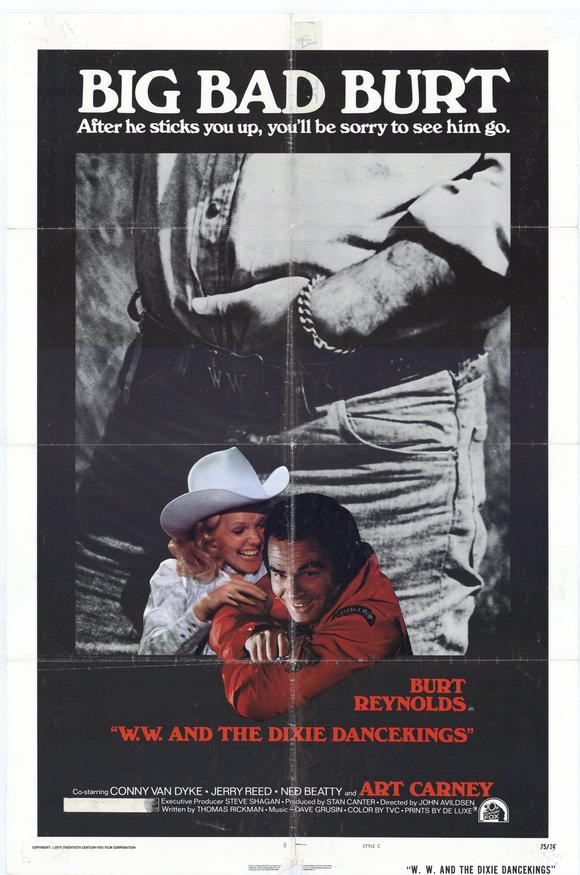
W. W. and the Dixie Dancekings (1975)

w w dixie dancekings

By Richard Winters

My Rating: 4 out of 10

4-Word Review: Conman promotes country band.

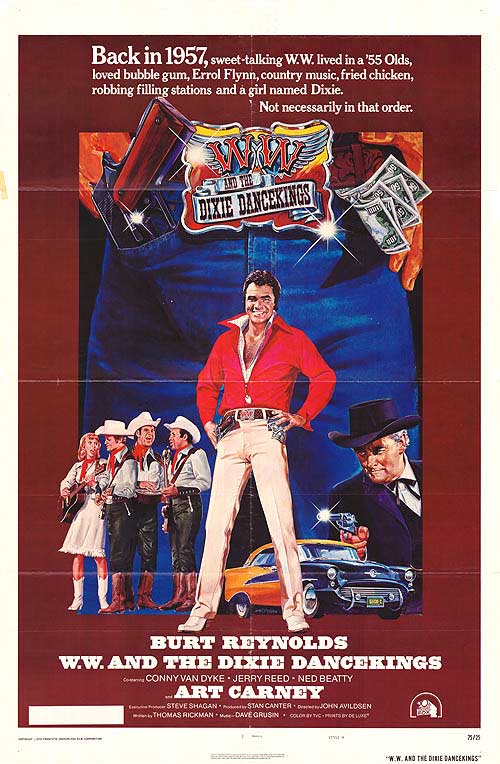
Burt Reynolds plays a good-natured, fun-loving conman who travels the south robbing gas stations as well as conning anyone out of their money in any way he can. He comes into contact with the Dixie Dancekings a struggling country band trying to make it big. W.W. initially sees this as another con-game by pretending to be a big time manager, who can use his influence to bring them to Nashville and send them straight to the top, but eventually he takes a liking to them and them to him and they begin working together to make it big while robbing banks along the way.

The film  is  fun and breezy and quite entertaining at the start. Reynolds’ charm practically propels the thing the whole way and manages to almost make up for its other shortcomings. His glib non sequiturs and boyish grin are on full display making this one of his better comical vehicles. I also loved the creative scene transitions and the playful digs at southern culture. It all comes to a head near the midway point when the group robs a bank with Polly Holliday playing the teller that makes great use of its cartoonish props and overblown action.

Unfortunately Thomas Rickman’s script fails to introduce any type of third act. The story coasts too much on its playful humor until it becomes old and tiring. There is not enough momentum or conflict and no discernable tension at all. The band members have no individual personalities and come off like faceless lemmings that are there to support Reynolds’ spotlight and nothing more.  Art Carney has a few interesting moments cast in an atypical role of the heavy in this case a police detective who is also a religious zealot that tracks the group down, but the dumb way that their final confrontation gets resolved is dull and disappointing.

It’s great to see country singer Jerry Reed making is acting film debut as he and Reynolds  would later go on to star in three more films together, but his character is not given enough to do, which ultimately makes is presence pointless.  Conny Van Dyke gets cast as the female lead, but shows little pizazz. The part was originally offered to Dolly Parton who would’ve been far superior, but she unfortunately turned it down.

John G. Avildsen’s direction is at times creative, but the plot and characters needed more layers as it all regrettably adds up to being nothing more than forgettable fluff.

w w dixie dancekings 2

My Rating: 4 out of 10

Released: May 21, 1975

Runtime: 1Hour 31Minutes

Rated PG

Director: John G. Avildsen

Studio: 20th Century Fox

Available: None at this time.

Wild Beasts (1984)

wild beasts 1

By Richard Winters

My Rating: 3 out of 10

4-Word Review: Animals attack innocent people.

The water of a major metropolitan area becomes contaminated from all the garbage littered along the beaches. The animals of a local zoo drink it and soon go on a rampage. When the zoo’s security system fails the animals get out and start to attack the local citizens. Animal expert Laura Schwartz (Lorraine De Selle) and zookeeper Rupert (John Aldrich) work together to stop the carnage by tracking the animals down and corralling them back to safety.

The film was directed by Franco Prosperi who along with Gualtiero Jacopetti where noted for their quasi shockumentaries of the ‘60’s and ‘70’s that emphasized a lot of violence and nudity and this production works along the same vein. In fact it’s the graphic gore and a camera that lingers on the carnage that helps the film stand out from the rest of the tacky, low budget horror films from the ‘80’s. However, the film also shows a lot of animal cruelty including a mother tiger going into violent convulsions after being put to sleep and rats screaming in pain after being set on fire.

The attacks themselves become quite mechanical and monotonous. The main characters are wooden and seen only in brief intervals, so the viewer never becomes emotionally attached to anyone on screen, which seriously lowers the tension. The film actually only becomes interesting at the end when some children staying at a school drink the water and then become violent towards the adults, which has a nice creepy quality to it and the movie would’ve been better had it chosen this story thread over the other one.

The idea that showing all these discarded heroin needles along the beach and implying that this would be enough to contaminate the city’s water supply is lame and the film’s ‘important’ message about pollution is silly as well. There is also no explanation why none of the adults go crazy like the animals and some of the children do as they would presumably be drinking the same water. The opening sequence shows shots of Seattle where this story supposedly takes place, but the rest of the film was clearly shot in a European city. The production suffers from being convoluted and overblown and lacking any singular vision, which is due in large part to being financed by backers from several different countries.

My Rating: 3 out of 10

Released: February 15, 1984

Runtime: 1Hour 32Minutes

Not Rated

Director: Franco Prosperi

Studio: Shumba International Corporation

Available: VHS, DVD (Region 2)

Me, Natalie (1969)

me natalie 1

By Richard Winters

My Rating: 6 out of 10

4-Word Review: Homely girl finds independence.

Natalie (Patty Duke) has been plagued all her life as being unattractive and overlooked time and again by other men. Her parents (Nancy Marchand, Phillip Sterling) promise her that way day she will grow up to be beautiful, but it never happens. When she finds out that they secretly promise one of her potential suitors (Bob Balaban) that they will pay for his education to become an eye doctor if he agrees to marry her she becomes deeply hurt and decides to move out. Things are not easy at first, but she manages to find a job and a decent apartment in Greenwich Village. It is there that she meets David (James Farentino) an older man who she falls deeply in love with only to find out that he is married.

Duke does well in the lead role although this was at the height of her bipolar disorder, which was untreated at the time and it caused many problems on the set between her and director Fred Coe that was later chronicled her autobiographic book ‘Call Me Anna’ and subsequent 1990 TV-Movie of the same name. On the looks department the character really isn’t that bad and her ‘ugliness’ consists mainly of some bad buck teeth that could probably have been immediately resolved with a good orthodontist and some braces.

It’s the character’s personality that is really unattractive. She is extremely whiny as well as being bag of insecurities that falls completely apart the second she is faced with anything unpleasant or unexpected. She is constantly judging other women on their looks even though she expects everyone else to look past her own physical flaws and resents them when they don’t. There is even a scene where she coldly rejects an overweight man who asks her to dance by calling him a ‘loser’. While I applaud the film for showing us a candid portrait of an individual that goes well beyond the manufactured politically correct persona of a protagonist that we are so used to seeing it still may be tough going for most viewers to have much empathy for her.

What I liked about the movie is that it starts out as an old fashioned kitchen sink drama of this lonely girl stuck in a drab existence and simply looking to get married and then blossoms into something completely different as she gets out into the world and experiences the big city and late ’60s attitudes. The film has a few memorable scenes including her job at a topless and bottomless bar in which the waitresses are required to wear all black that covers even their faces and then they are fitted with prosthetic breasts and butts that they wear around the outside of their outfits and glow-in-the-dark. They then walk around the darkened restaurant taking customer orders while looking like a collage of floating female body parts.

The one thing that really hurts the film as a whole is the musical score by Henry Mancini. Normally I’m a big fan of his, but here his melodic stuff sounds out-of-date and not in touch with the late ’60s or the young people living in it. Simply because one may be a great composer doesn’t mean he’s a perfect fit for every project and this was clearly one of them as the music has a 1940’s quality to it that made the picture seem highly dated even at the time.

The movie though does successfully make a great point, which is that one can only find true happiness from inner peace and not by being dependent on the reactions of others. It also marks the film debut of Al Pacino who is seen briefly as a young man who asks Natalie for a dance at a high school social and then immediately asks her if she ‘puts out’.

My Rating: 6 out of 10

Released: July 13, 1969

Runtime: 1Hour 51Minutes

Rated M

Director: Fred Coe

Studio: National General Pictures

Available: None at this time.