Category Archives: Moody/Stylish

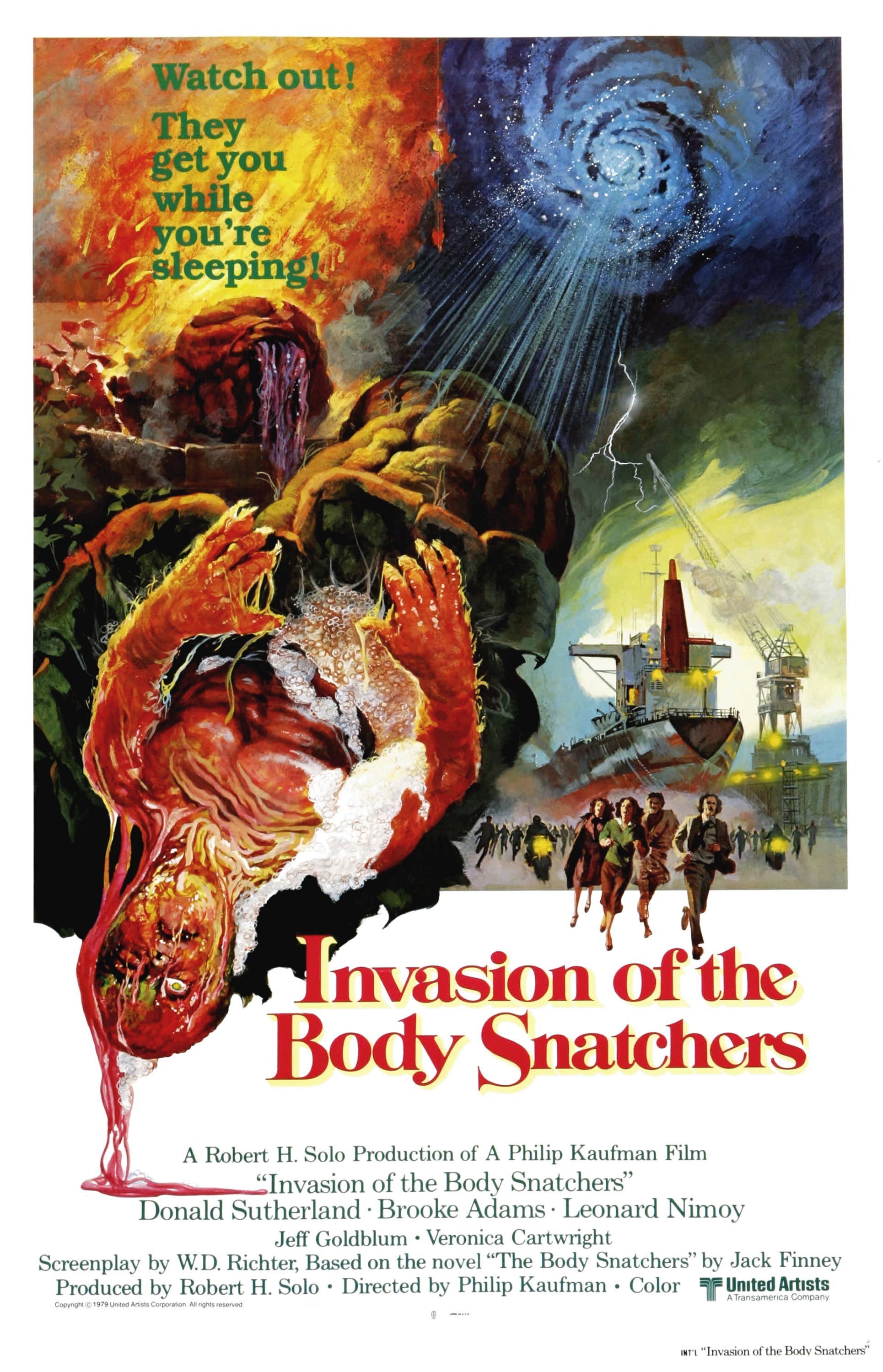
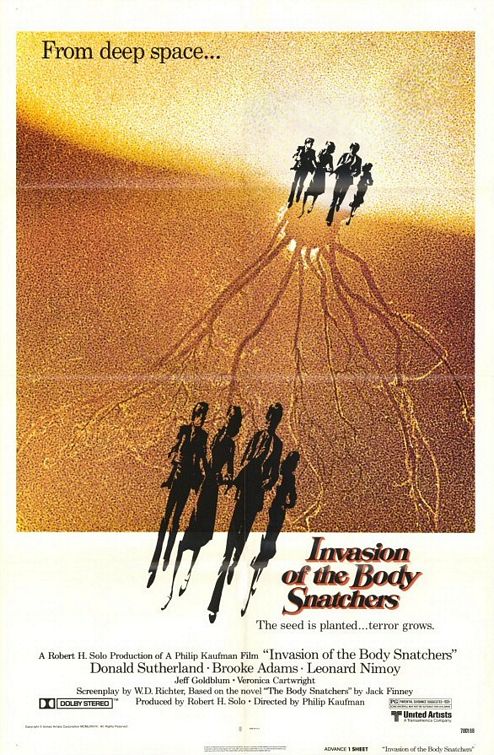
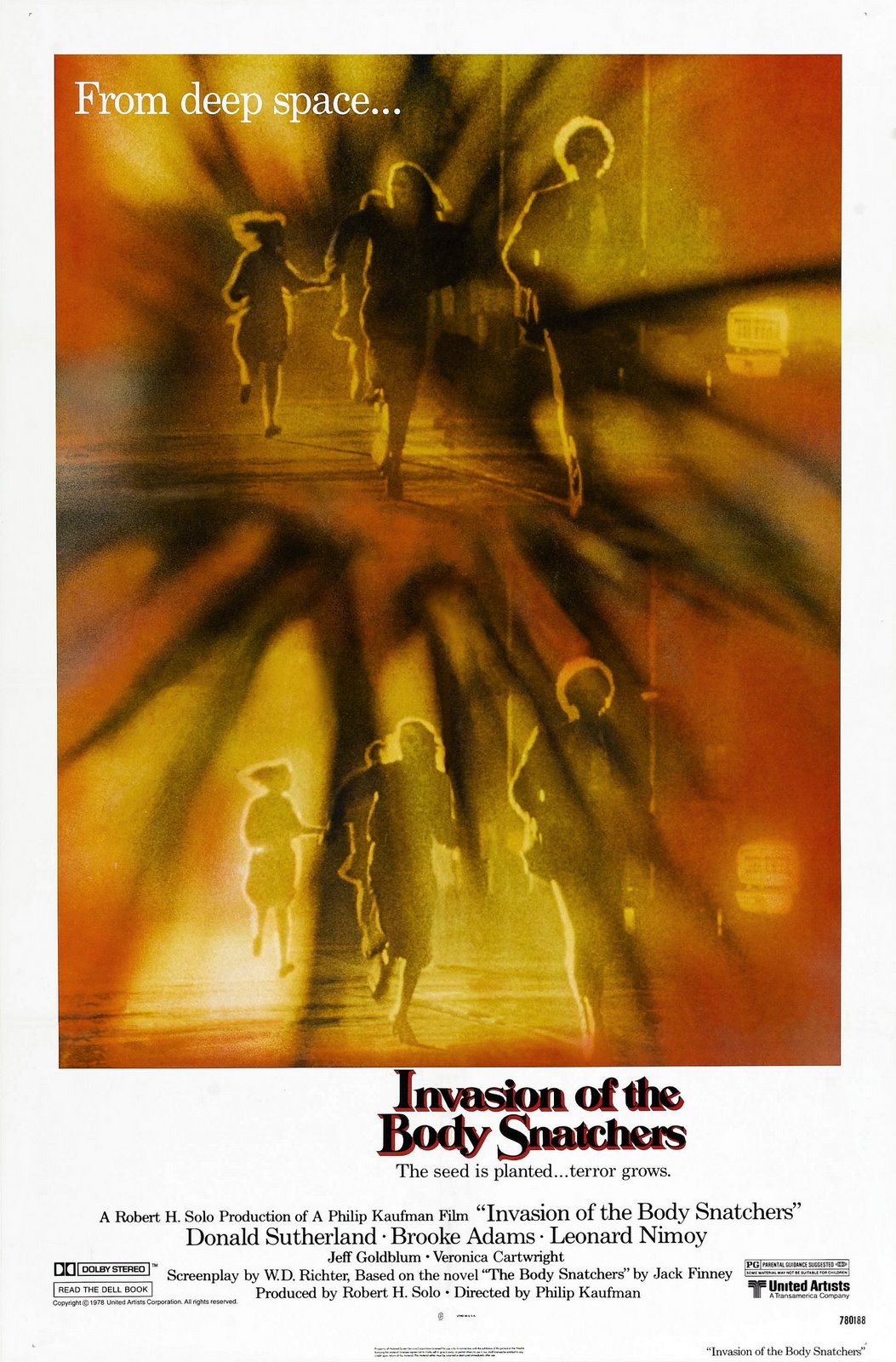
Invasion of the Body Snatchers (1978)

invasion of the body snatchers 3

By Richard Winters

My Rating: 8 out of 10

4-Word Review: Aliens create human clones.

Matthew Bennell (Donald Sutherland) is a public health inspector who finds that people around him are beginning to behave strangely. It starts with his friend Elizabeth (Brooke Adams) who insists her boyfriend Geoffrey (Art Hindle) has somehow ‘changed’. Soon other people are saying the same thing and they slowly realize that human clones are being created from alien pods while the people sleep. These clones look exactly like the people they have replaced, but are devoid of any emotion. Matthew and Elizabeth along with married couple Jack and Nancy (Jeff Goldblum, Veronica Cartwright) try to escape, but find themselves increasingly outnumbered in this creepy remake of the 1956 classic.

Talented director Philip Kaufman who has never gotten enough credit does a masterful job of weaving an updated version of the tale with more contemporary sensibilities. The balance between sci-fi, thriller and drama really works. The story is perfectly paced and the characters and situations remain believable throughout. Transferring the setting from a small town to San Francisco was inspired. Kaufman captures the sights, sounds and everyday ambience of the city better than just anybody who has done a film there and I really loved the shot of an early morning fog settling in on the top of the Transamerica Pyramid.

The special effects are fantastic. The opening sequence showing the alien spores raining down on the city and hitting onto plant and tree leaves where they form into flowers is very authentic looking and nicely captured. The coolest part though is watching the clones of the humans form out of the pods particularly the sequence showing Bennell’s clone coming to life while he sleeps. Seeing a dog with a human head is wild and Bennell’s destruction of a pod factory is also quite exciting. Denny Zeitlin’s electronic music score is distinctive, but not overplayed and effectively used at key moments although I did feel that there should have been some music played over the closing credits instead of just dead silence.
invasion of the body snatchers 2

Sutherland is good, but his 70’s style afro isn’t. The part where he tries in vain to warn various city officials of the impending invasion, but can make no headway is a perfect portrait of government bureaucracy and almost a horror movie in itself. Adams is beautiful and the way she can somehow make her eyeballs quiver has to be seen to be believed. Goldblum is fun as a brash struggling writer who never seems to know when to stop talking and has a conspiracy theory about everything. Cartwright plays a panicked woman better than anybody and Leonard Nimoy is solid in a sort of Spock-like role where the character believes everything must have a logical conclusion.

There are also some neat cameo appearances as well. Robert Duvall can be spotted at the beginning swinging on a swing. Kevin McCarthy who starred in the original steps into where he left off in the first one as a man running into traffic and warning motorists of the invasion. Don Siegal who directed the first film plays a cab driver and famous cinematographer Michael Chapman can be seen briefly as a janitor. Director Kaufman casts himself in a bit part as a man banging on the glass of a phone booth while Sutherland is making a call.

This movie is smart and stylish and in a lot of ways I liked it better than the original. The only real drawback is the fact that it becomes increasingly clear that these people aren’t going to escape and the drawn out chase sequence becomes more depressing and defeating than exciting.
invasion of the body snatchers 1

My Rating: 8 out of 10

Released: December 20, 1978

Runtime: 1Hour 55Minutes

Rated PG

Director: Philip Kaufman

Studio: United Artists

Available: VHS, DVD
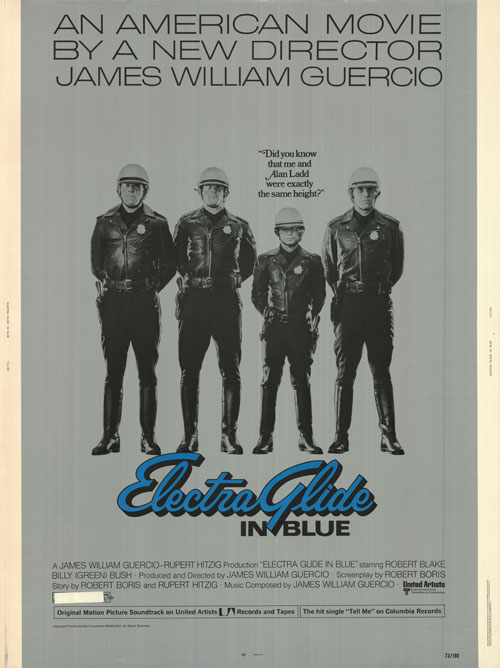
Electra Glide in Blue (1973)

electra glide in blue 2

By Richard Winters

My Rating: 9 out of 10

4-Word Review: Motorcycle cop turns detective.

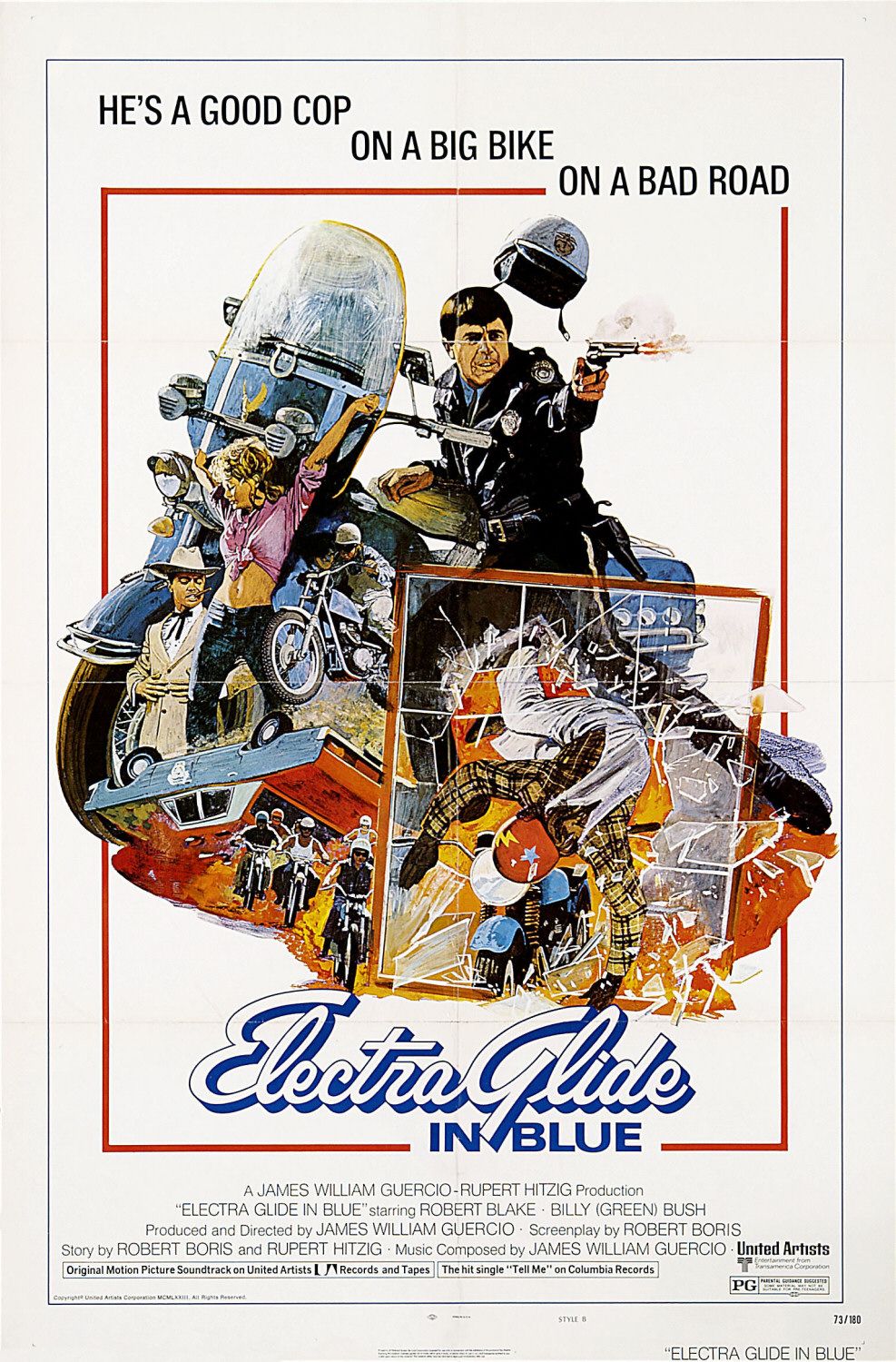
John Wintergreen (Robert Blake) is a motorcycle cop tired of giving out traffic tickets and interested in a more intellectual job like working in the homicide division as a detective. By chance he comes along an isolated desert hut with a dead body in it that appears to have been a suicide, but he is not convinced even though everyone else is. During the coroner’s investigation it is found to indeed have been a murder, which impresses senior detective Harve Poole (Mitchell Ryan) so much that he asks John to become his assistant. At first he is excited about his new opportunity, but finds the position has hidden drawbacks of its own and eventually he becomes just as frustrated with it.

The film shows police work in an offbeat and revealing light. How many cop movies have you seen showing policemen handing out traffic tickets? May sound boring and monotonous, but actually it is just the opposite. The arguments that the drivers give to try and get out of the fine are amusing and very on-target. This film goes well beyond the typical Hollywood prototype of a policeman and instead we get to see real people with a wide variety of personalities that make up the force. There is also a cool motorcycle chase that features wipe-outs done in slow motion.

Director James William Guercio may be better known for his musical contributions, but his directing is spot-on from the first frame until the last. The opening scene has a wonderfully visual style and the photography of the desert landscape is expansive and vivid looking almost like it could have been filmed yesterday. The fact that this is his only film output is a real shame as he has a keen eye for directing that is far better than some veteran directors and it is a waste that he hasn’t done more.

Blake fits into his role solidly and it almost seems like the part was written specifically for him. The visual digs at his short height are cute and I liked seeing the character evolve and the way he becomes disillusioned with Harve, a man he initially admires and eventually tells-off in biting style is well done.

The dialogue has a nice conversational quality to it and John’s exchanges with both and Harve and his police partner Zipper (Billy Green Bush) are excellent. Jeannie Riley who has fallen off the cinematic radar and should not be confused with the singer who sang ‘Harper Valley P.T.A.’ gives quite a good performance as Jolene an alcoholic woman with big Hollywood dreams only to be stuck in a sad little town. The scene where Harve brings John to a bar so can ‘meet his girlfriend’ only to find that John has been sleeping with her too is priceless.

The anger and detachment between the police and the hippies of the day are well captured. The film has a great lyrical quality to it where every shot and scene seems to be a story in itself. The foreshadowing is excellent and the ending scene is not only a bit of a shocker, but also features one of the most amazing tracking shots you will ever see put onto film. A definite classic waiting to be rediscovered.

electra glide in blue 1

My Rating: 9 out of 10

Released: August 19, 1973

Runtime: 1Hour 54Minutes

Rated PG

Director: James William Guerco

Studio: United Artists

Available: VHS, DVD, Blu-ray

The Fourth Man (1983)

the fourth man 2

By Richard Winters

My Rating: 7 out of 10

4-Word Review: She kills her husbands.

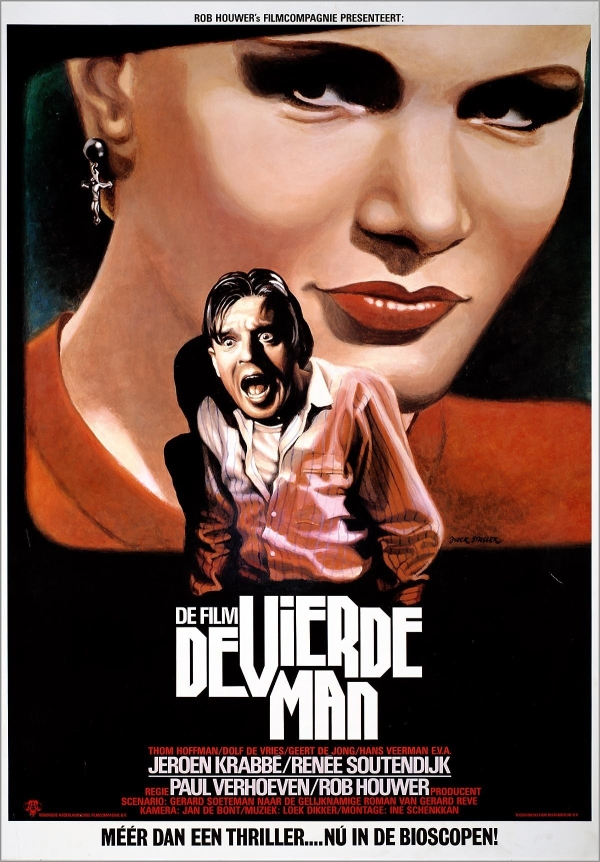
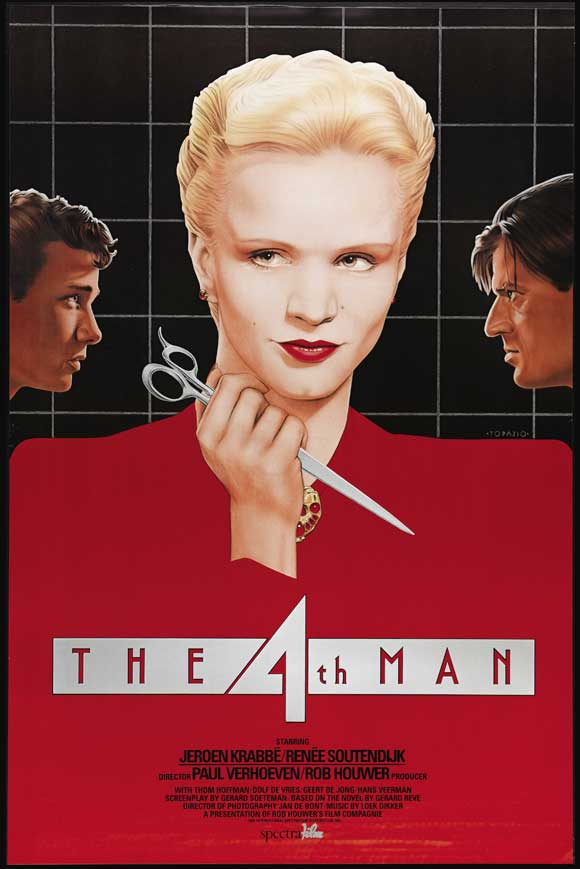
This movie is just about the ultimate in the femme fatale genre as it deals with a temptress (Renee Soutendijk) who marries men who all end up dying in freak accidents. Now she has seduced a fourth one, will he be next?

It is rare to say that you know it is going to be a good movie from the very moment it starts, but that is the case here. The film’s opening could very well be one of the most impressive of all-time as it begins with a startling view of a close-up of an actual spider trapping a fly on its web and then devouring it to the sound of a pounding electronic score that becomes the best part of the whole movie.

The rest of the film works pretty much on the same level with scenes that are provocatively lit and designed as well as a running sensuality that at times is both erotic and perverse. The flowing narrative jumps between reality and dreamy imagery that eventually blend into one and has an underlying subversive nature that keeps you riveted.

The characters are interesting because they work against their gender stereotypes and have a certain ongoing duel with each other. The woman has short hair and a square face and almost comes off looking like a man. She knows how to use her seductive powers and is always in complete control without ever showing any vulnerability. The man is weak and helpless while trying to mask it with an arrogant intellectual veneer.

The ending is the film’s only big letdown as it is too low-key and doesn’t match the energy of the rest of the film while also wrapping things up a little too nicely. A big showdown between the two main characters would have been much more satisfying.

The special effects are weak and help to expose the film’s low budget, but the film is still fun with a snazzy art house flair that became a breakout picture for director Paul Verhoeven.

The movie also contains a shocking scene involving a life-sized crucifix that some may consider blasphemous even though in the end the film’s message is actually spiritually affirming.

the fourth man

My Rating: 7 out of 10

Released: March 24, 1983

Runtime: 1Hour 42Minutes

Rated NC-17

Director: Paul Verhoeven

Studio: International Spectrafilms

Available: VHS, DVD

Eye of the Devil (1966)

eye of the devil 2

By Richard Winters

My Rating: 7 out of 10

4-Word Review: Husband is a pagan.

Vineyard owner Philippe (David Niven) is called back to the castle of Bellenac when it is found that they are suffering from another dry season. Philippe’s wife Catherine (Deborah Kerr) and his two young children follow him there a few days later despite his insistence that they not come. Once there Catherine finds everyone’s behavior to be quite odd including a menacing brother and sister (David Hemmings, Sharon Tate) who make Catherine uneasy, but nothing prepares her for the real reason that her husband is there nor its shocking outcome.

Although several directors worked on this project including Michael Anderson the credit is ultimately given to J. Lee Thompson, who is probably best known for his frequent collaborations with Charles Bronson. Despite the different directors the film is very fluid and well produced. In fact it is the directing that makes this film high enjoyable. The lighting, editing, imagery and evocative camera work make this a near brilliant work from a visual level. Turning down the sound and appreciating it for its aesthetic style alone is more than enough and the on-location shooting done at the Chateau de Hautefort is excellent.

Tate is stunningly beautiful and the photography makes the most of it watching her sit out and get drenched by the rain is actually kind of sexy. She had bit parts in two films previous to this, but this is still credited as her official film debut.  Although her voice was dubbed she still is effective with a character that straddles the line between being sensual and creepy. The part where the Niven character viciously whips her while she wriggles around on the floor and then in the end turns around and smiles like she enjoyed it was year’s ahead-of-its-time and definitely pushing-the-envelope for that period.

Kerr came in to replace Kim Novak who was injured during filming and unable to complete the picture. Normally she always gives a superior performance, but her she seemed miscast. The only facial expression she seems able to show here is that of shock and fright and the character and scenario seems to be too much of an extension to the one that she did in The Innocents just a few years earlier. Both she and Niven seemed too old to be parents of such young children. He was already in his mid-fifties and she in her mid-forties and the film would have been better served had a young attractive couple in their 20’s been cast in the part.

Niven has always done so well being cast in likable roles that having him play someone with a dark personality doesn’t quite work and he looks uncomfortable in the part. Both Donald Pleasance and David Hemmings are underused and not given enough lines or screen-time.

The story itself is rather one-dimensional. The final sequence features some great shots and editing of Kerr running through some underground tunnels of the castle, but the outcome is quite predictable. The script lacks that added perspective or twist to make it truly memorable and is the weakest element in this otherwise visually arresting production.

eye of the devil 4

My Rating: 7 out of 10

Released: July 8, 1966

Runtime: 1Hour 32Minutes

Not Rated

Director: J. Lee Thompson

Studio: MGM

Available: DVD (Warner Archive), Amazon Instant Video

The Night Porter (1974)

the night porter 3

By Richard Winters

My Rating: 8 out of 10

4-Word Review: A strange sadomasochistic relationship.

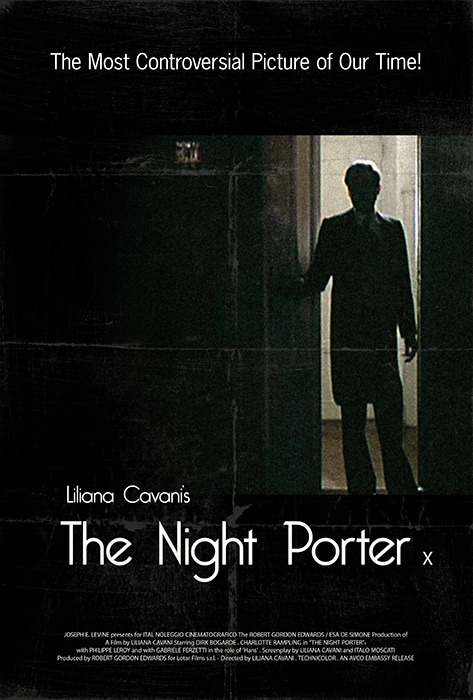
As the title suggests this film deals with the darkness of the human mind, relationships, sex and society as a whole and has a Freaudian theme of exploring the weird sexual obsessions of those who on the outside may seem perfectly functional and ‘normal’.

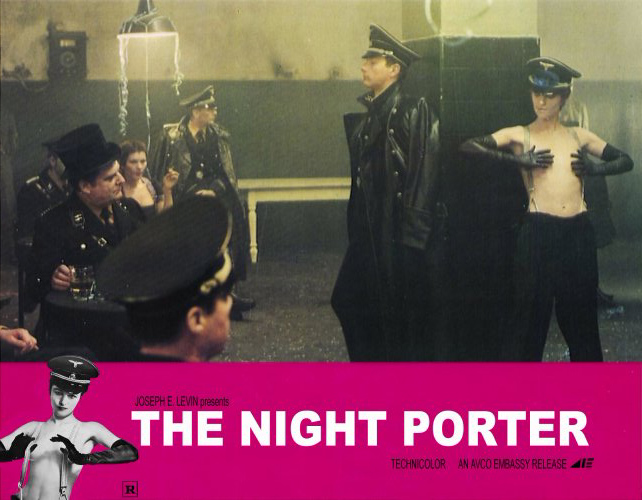
The story focuses on a concentration camp survivor Lucia (Charlotte Rampling) who twelve years later, by chance, meets her former captor Maximilian (Dirk Bogarde). She is now married while he is working as a night porter at the hotel she is staying at. The twist here is that she decides to go back to him and continue the bizarre sex rituals they once had.

The film’s most interesting aspect is focusing on the long term psychological ramifications of those surviving traumatic experiences. It looks both at the victims and the captors who now must learn to ‘rationalize’ their guilty conscious and it questions whether anyone can truly function normally after surviving such severe circumstances or whether society has any ability to make someone ‘adjust’.

This is definitely complex material and director Liliana Cavani has a good grasp on it. The shot compositions are full of stark shadows with a definite emphasis on the surreal, which comes to play the most during the sadomasochistic fantasy segments.

The problem with the film lies in the fact that it doesn’t have the intended strong impact. There’s no momentum or discernible tension. The characters are complex, but not that interesting and we really don’t care particularly what happens to them.

The films strongest point is actually in its final sequence, which brings the whole thing together. Like in any great movie there’s the one shot that says it all and here it’s the final one where visually, without saying anything, it shows just how isolated these outsiders truly are. It also exposes how their personal demons have imprisoned them and how dysfunctional society is at handling them.

the night porter 2

My Rating: 8 out of 10

Released: April 3, 1974

Runtime: 1Hour 58Minutes

Rated R

Director: Liliana Cavani

Studio: AVCO Embassy Pictures

Available: VHS, DVD, Blu-ray, Amazon Instant Video

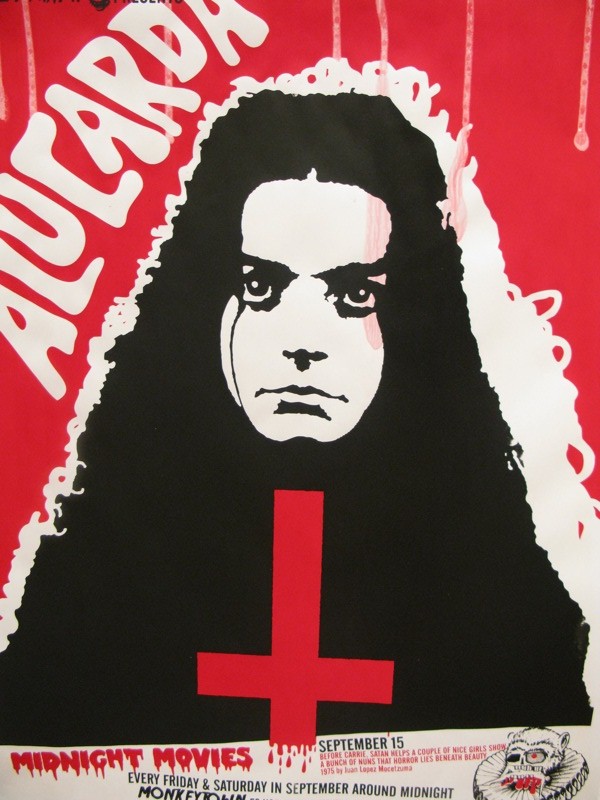
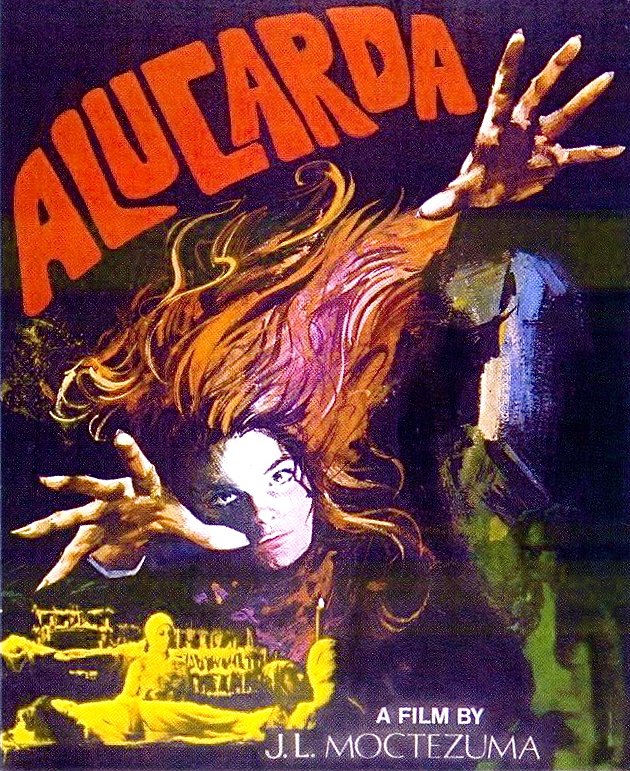
Alucarda (1977)

alucarda 2

By Richard Winters

My Rating: 2 out of 10

4-Word Review: Another Exorcist rip-off

Justine (Susana Kamini) arrives at a convent after the death of her parents. She meets up with a strange young woman named Alucarda (Tina Romero) who almost immediately professes her true love for Justine and the two make a weird pact. Alucarda then seems to become possessed and it rubs off on Justine sending the nuns and priest at the convent into a panicked frenzy to rid both girls and the place from the evil presence.

This bizarre, cheap Mexican production comes off like someone’s drug induced acid trip. Yet it has still managed to acquire a small cult following and even has one reviewer at IMDB calling it ‘brilliant’ even though I found it to be anything but and only reconfirms that there is somebody out there that will like anything. Juan Lopez Moctezuma’s direction is unfocused and undisciplined. The story borders on being almost incoherent with wild twists and story arches that occur at a breakneck pace. The special effects are tacky and there isn’t a single scare in the whole thing.

This supposedly takes place in the 18th century, but the priest wears a wardrobe that looks like he is from China even though the setting is Mexico and the outfits worn by the nuns defy any era and appear to be made by a costume designer who was drunk. The pounding rock-like score has a resemblance to music from Tangerine Dream, but a much weaker version and doesn’t connect with the time period that the story is in. It has elements that will remind you of Suspira and Ken Russell’s The Devils, but both of those films are far superior to this one and only make you wish you were watching those instead.

The acting is amateurish and over-the-top, but star Romero has an interesting look in her eyes and reminded me a bit of a young Genevieve Bujold. There is an abundance of nudity and low-grade eroticism that may make it appealing to some. I did get a kick out of the way the nuns and priest overact and wilt at simply the mention of the devil and Satanism, which I found to be unintentionally funny.

This is just another attempt to cash in on the success of The Exorcist and like the rest of them fails miserably. This isn’t entertaining even on a camp level and I would suggest avoiding it completely.

alucarda 1

My Rating: 2 out of 10

Released: March 10, 1977

Runtime: 1Hour 14Minutes

Rated R

Director: Juan Lopez Moctezuma

Studio: Yuma Films

Available: DVD

The Marriage of Maria Braun (1979)

the marriage of maria braun

By Richard Winters

My Rating: 8 out of 10

4-Word Review: Maria gets her way.

Maria’s (Hanna Schygulla) husband a soldier in World War II is presumed dead. She decides to make her mark by getting a job and a new lover in the form of a black man named Bill (George Eagles), but complications ensue when her husband Hermann (Klaus Lowitsch) shows up very much alive. Maria enjoys her new found independence and isn’t interested in falling back into her old role, which causes friction with her husband as well as her interactions with others.

Director Rainer Werner Fassbinder creates a unique vision and manages to walk the balance between the gritty and surreal. The lighting is evocative and shadowy and nicely reflects his stage background. The sets are colorful and varied and one becomes almost hypnotically entranced with the visuals. The abandoned buildings and rundown locales especially at the beginning make a strong impression and become like a third character. Fassbinder echoes the desperation of the characters through visual means only without ever having to resort to melodramatics, which alone makes this a classic and far better than some other similar films about the period.

Equally great use is made of sound with two to three layers of it within each scene. Whether it is the noise of a radio, traffic, or someone whistling there is always some noise coming from the background much like in reality, which helps in a subtle way to make the scenes more vivid. I loved the dolly shots constantly moving the camera around in every scene throughout the rooms that the characters are in giving the viewer a full sense of their dimensions and helping breakdown the fourth wall.

Some memorable scenes include the moment when Maria’s husband comes back from the war and catches Maria in a compromising position with her new found lover. There are at least four minutes here where there is no talking from any of the characters and one becomes riveted with the silent reactions of the three, which proves powerful. Even the erotic overtones work. Normally I find that area to be rather clichéd and mechanical, but here the sweat glistening off the naked bodies seems genuinely evocative and enticing.

Many people feel this is a movie about budding feminism and applaud the strong female character. I really wouldn’t argue with that and in many ways it is fun seeing this woman forge her way ahead while remaining poised and stalwart throughout. Her relationship with rich businessman Karl (Ivan Desny) and the way she turns him into a subservient to her every whim while also explaining to him that ‘he isn’t having an affair with her, but instead SHE is having one with him’ is classic, but I also felt it seemed a bit artificial. Having a strong central character is one thing, but this woman seems inhuman. She never shows any vulnerability at any time and appears almost completely removed from the environment around her. Never once does she flinch, compromise, or back down from anything or anyone, which just isn’t possible and makes Maria one-dimensional in the process. A character is more interesting when their flaws are exposed and then they must work hard to overcome them, but this one doesn’t have any, which is my biggest issue with this otherwise excellent production.

My Rating: 8 out of 10

Released: February 20, 1979

Runtime: 1Hour 58Minutes

Rated R

Director: Rainer Werner Fassbinder

Studio: United Artists

Available: VHS, DVD (The Criterion Collection)
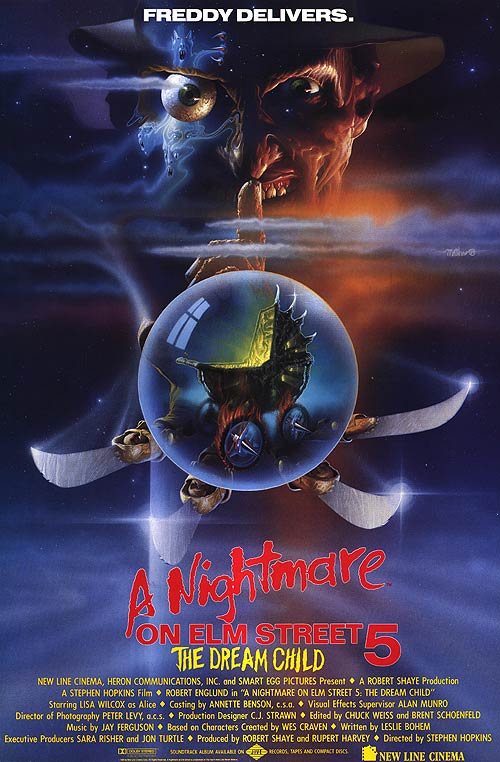
A Nightmare on Elm Street 5: The Dream Child (1989)

Nightmare on elm street 5

By Richard Winters

My Rating: 5 out of 10

4-Word Review: Freddy’s in the womb.

Alice (Lisa Wilcox) who survived Freddy’s attack from the last film and supposedly killed him is now suffering from those dreaded reoccurring nightmares again. This time she sees herself inside the mental institution where Freddy’s mother Amanda was raped and even witnesses his rebirth. She also finds out that she is pregnant and Freddy is trying to drive his spirit into the fetus so he can be reborn into the real world.

I came into this thing with extremely low expectations, but found myself delightfully surprised and consider this a definite improvement over the previous installment. Director Stephen Hopkins inserts a more artistic visual flair here. Some of the segments even have a certain Salvador Dali look especially near the end when the dimensions in the rooms inside the dreams begin to have all sorts of odd configurations. The use of a moonlit-like lighting accentuates the film’s dark imagery. I saw here the makings of the modern day horror movie that we are used to seeing today with more emphasis on the dark psychological undercurrent and less on the mechanical slasher formula.

The special effects are imaginative. Watching Freddy coming out of his mother’s womb as a baby is excellent as well as having him as a deformed baby run around an abandoned sanctuary as a sort of freak child. The scene showing Alice’s unborn baby inside her womb and attached to an umbilical cord I found to be quite impressive. I also was impressed with the segment where Alice’s skinny model friend Greta (Erika Anderson) gets her mouth stuffed with food by Freddy and her cheeks balloon out excessively, which may sound funny, but the way it is shown gets disturbing and even unsettling as they go back to it several times later on in the film. A segment cut from the theatrical release where Freddy force feeds her the insides of her own stomach can be seen on the unrated version.

The characters seem more like real people and the dialogue is an improvement as well. Wilcox now sports blonde hair and no longer has that reddish hair look that reminded me too much of Carrie. She also seems more confident in her role and gives a solid performance. Anderson, who was a former Elite model, makes for a pleasant addition to the eyes.

Freddy doesn’t have quite as much screen time as he did before, but that works for the best. The pace is slowed down with more emphasis on mood and atmosphere, which gives it a slightly more sophisticated feel.

My only real complaint is the blaring rap song that gets played over the closing credits, which is jarring and out-of-place.  Some fans of the series consider this to be one of the weaker installments, but I don’t agree. However, if you didn’t like it feel free to leave a comment as I would be interested to hear why.

My Rating: 5 out of 10

Released: August 11, 1989

Runtime: 1Hour 30Minutes

Rated R

Director: Stephan Hopkins

Studio: New Line Cinema

Available: VHS, DVD, Blu-ray, Amazon Instant Video

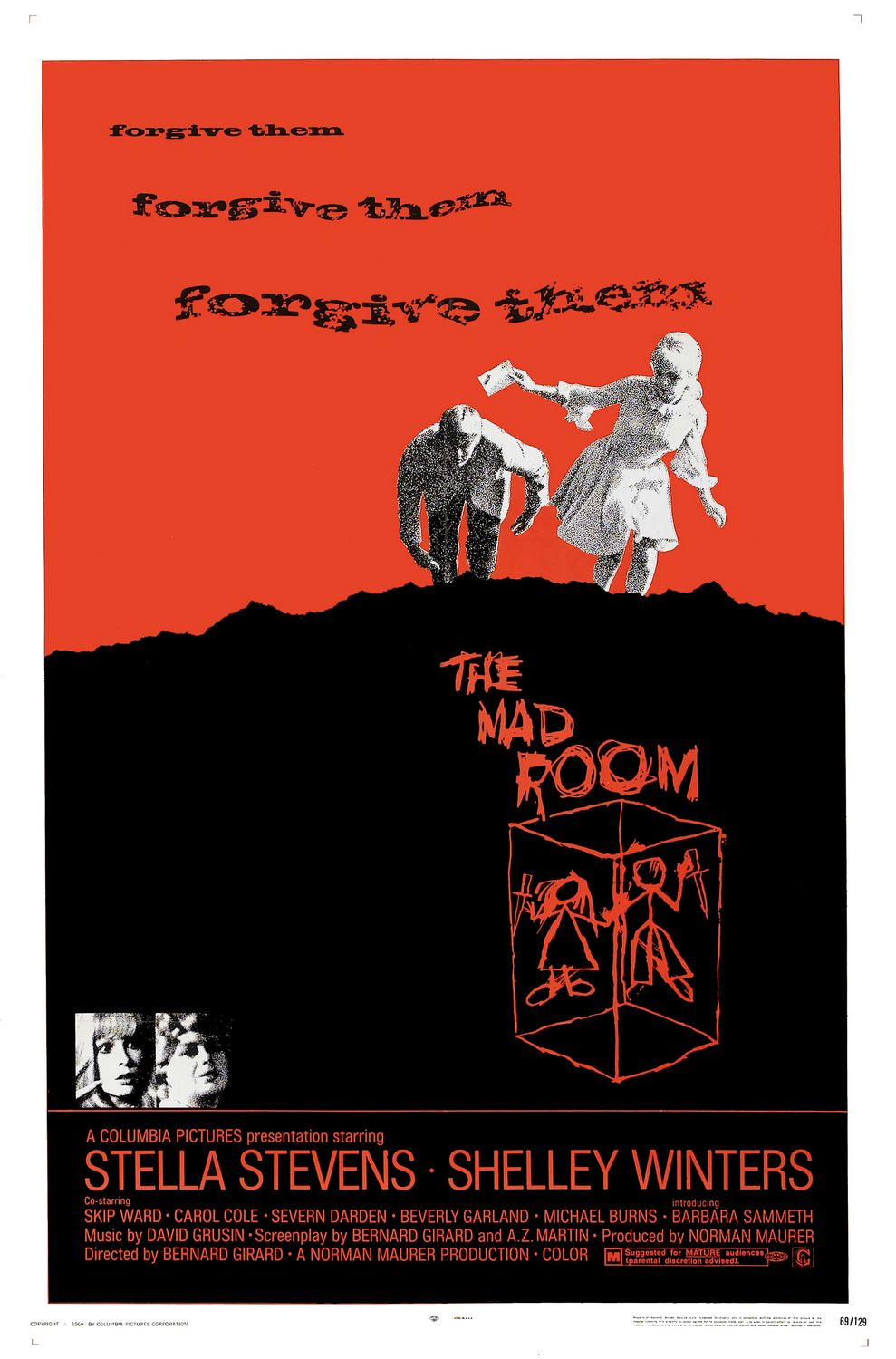
The Mad Room (1969)

the mad room

By Richard Winters

My Rating: 4 out of 10

4-Word Review: Children murder their parents.

In 1957 George (Michael Burns) and Mandy (Barbara Sammeth), a brother and sister ages 6 and 4, murder their own parents in cold blood. No one knows for sure which one of them did it except that their older sister Ellen (Stella Stevens) witnessed them standing over their dead bodies in blood soaked clothes. It was her testimony that got them locked away into a mental institution, but now 12 years later they are set free into Ellen’s care. Ellen is now living with and working for wealthy widow Mrs. Armstrong (Shelley Winters) who agrees to allow the children to move in to her sprawling mansion, but then the murders begin to reoccur, but this time Ellen decides to cover up for them in order to avoid the humiliation and publicity.

This film, which is a remake of 1941’s Ladies in Retirement starring Ida Lupino, starts out with a bang by using some interesting visuals during the opening credit sequence. We are also shown flowers finger painted by the children using the dead parent’s blood on the walls of the victim’s bedroom, which I felt sent this thing to unprecedented darker depths especially for its time period. Unfortunately the film cannot sustain its initial momentum and devolves into a talky script that lacks much action or scares. Director Bernard Girard’s stylish direction keeps it watchable, but the film fails to achieve its full potential. Dave Grusin’s excellent music score manages to keep the tension going even when the script can’t.

Stevens looks gorgeous, but unfortunately her acting is sterile. Her wide blue eyes seem to reflect her empty performance and her presence weakens the film. The younger performers who play her brother and sister upstage her particularly Sammeth in her film debut.

I have always loved Winters as a character actress, but her goofy character hurts the dark undertones at least at the beginning. She does improve as it goes along and I enjoyed the way she reacts when Ellen tells her about her sibling’s dark secret and I was disappointed she didn’t remain through the film’s entire duration. Beverly Garland is a scene stealer as an embittered alcoholic wife who makes a big stink at a party and then a little later commits a shocking act.

If there is one thing that really ruins the movie it is the lame, limp ending, which has to be one of the most uneventful finales I have ever seen especially for a thriller. When the credits started to roll I literally did a double-take and asked myself. That’s it?? We just sat through 95 minutes of buildup just for that?? This was also another film where I figured out its twist ending long before it happened and when the ‘surprise’ revelation does come about it is unexciting and even anticlimactic.

My Rating: 4 out of 10

Released: May 1, 1969

Runtime: 1Hour 33Minutes

Rated M

Director: Bernard Girard

Studio: Columbia Pictures

Available: DVD, Amazon Instant Video

Funny Games (1997)

funny games 3

By Richard Winters

My Rating: 8 out of 10

4-Word Review: Killers like playing games.

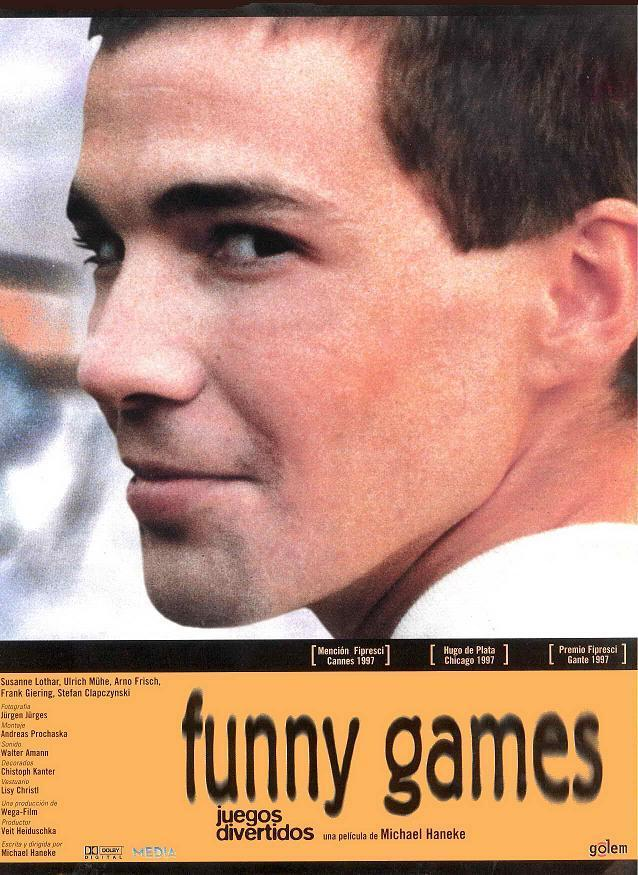
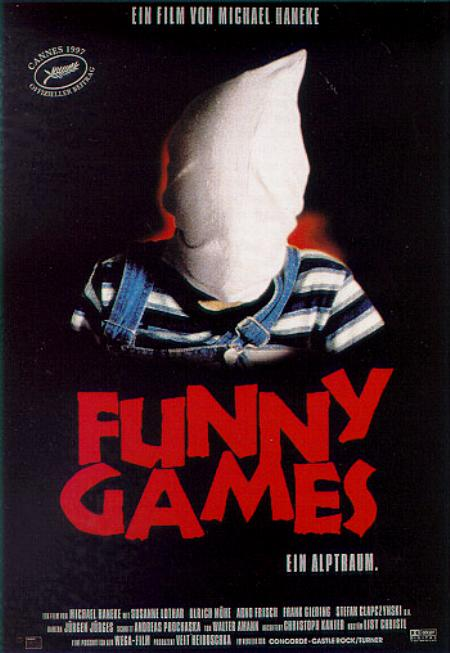
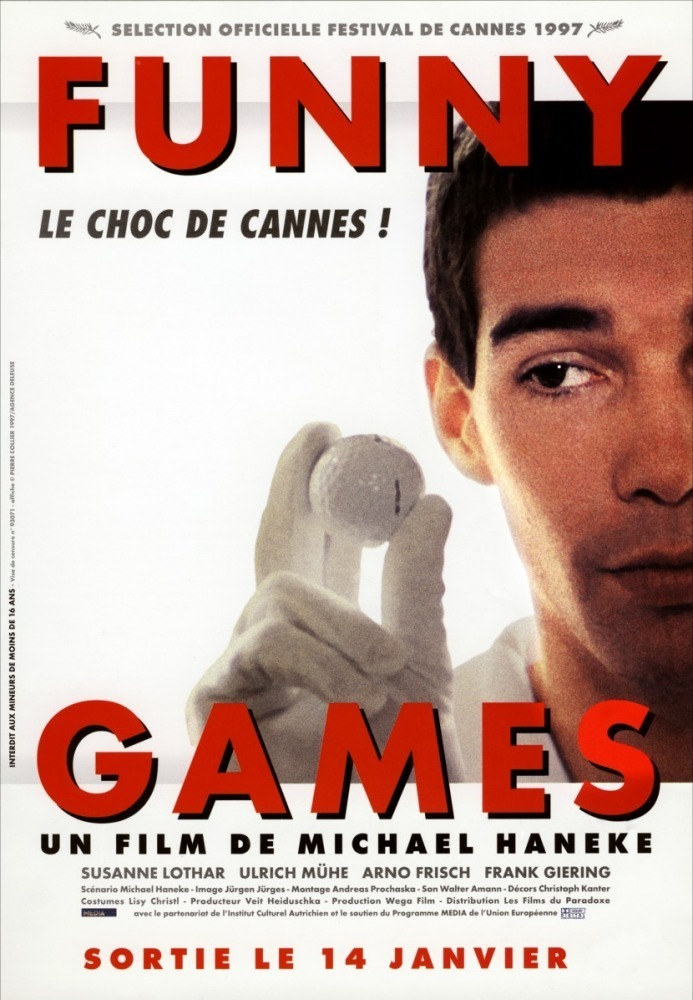
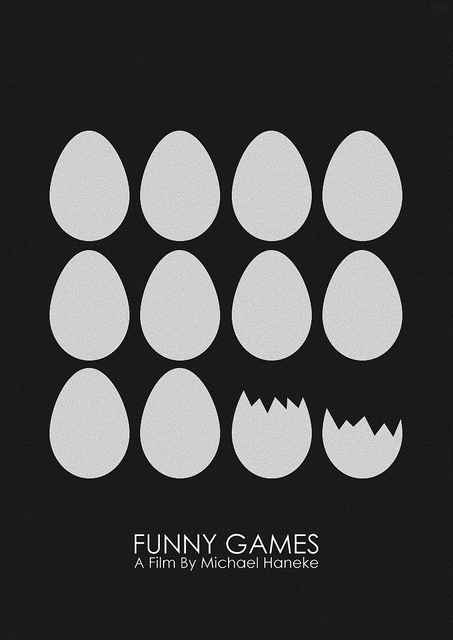
A family is tormented by two young men (Arno Frisch, Frank Geiring) who break into their home and proceed to play ‘funny games’ on them. These games are cruel and humiliating in nature. They are ‘played’ simply to prove that they can. As the film progresses and reveals some very unusual narrative devices it becomes obvious that the real ‘funny games’ are those played on the viewer by writer/director Michael Haneke.

Clearly this is long overdue as it is a revisionist look at the very violent psycho/thriller genre. Last House on the Left and Henry: Portrait of a Serial Killer have both handled the violence and dehumanization theme quite well before, which thus minimizes some of this film’s shock value. Yet Haneke shows an astute awareness of his craft and its manipulative nature. He cuts into all the accepted formalities and conventions of the genre and film making in general that you have to give it high marks. There is one scene, where the camera literally stays locked on the carnage for several minutes that the repugnance of violence really does hit home as intended.

funny games 2

The whole thing is supposed to shake the viewer into reevaluating their own viewpoints. It’s an almost ongoing assault questioning their views on justice, tolerance to violence, prayer and other cosmic forces and even their own fragility. It also tries to force them to analyze why they view these types of films and find them entertaining.

Like the heavy metal music played over the opening credits this thing is raw, abrasive and filled with anger and rebellion. Haneke is clearly upset. Upset at irresponsible directors who make violent films and an overly tolerant public that watches them.

This is an ugly film with an unrelenting nature and flashes of contempt. The average movie goer will probably not like it. However, it you are a connoisseur of cutting edge cinema then you may find the whole thing refreshingly provocative.

funny games 1

Frisch and Geiring as the two killers look and act so much against type that they become two of the most chilling and memorable villains in screen history. Also, Susanne Lothar and Ulrich Muhe who play the husband and wife victims are actually married in real life.

An American version, which was directed by Haneke as well and stars the beautiful Naomi Watts and follows this one almost scene-for-scene was released in 2007.

funny games 4

My Rating: 8 out of 10

Released: May 14, 1997

Runtime: 1Hour 48Minutes

Not Rated

Director: Michael Haneke

Studio: Attitude Films

Available: DVD, Blu-ray, Amazon Instant Video