Category Archives: Cult

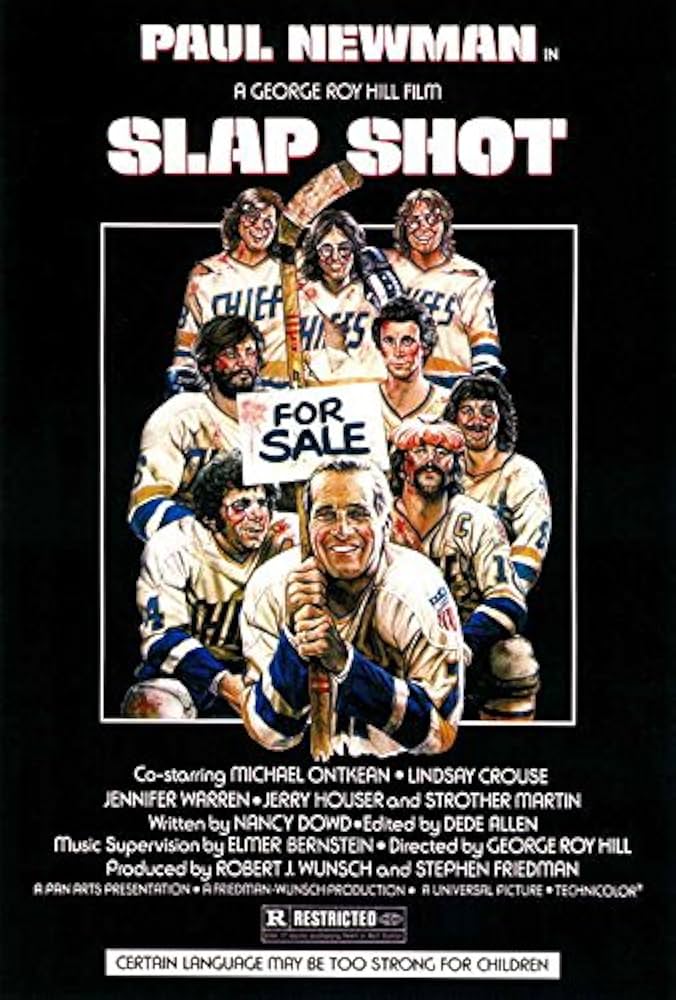
I Spit on Your Grave (1978)

By Richard Winters

My Rating: 7 out of 10

4-Word Review: Assaulted woman gets revenge.

Jennifer Hills (Camille Keaton) is a writer who has decided to get away from the bustle of New York City by renting an isolated cabin by a river that’s just outside of Kent, Connecticut. It’s here that she hopes to finish her novel but finds it hard to do when she inadvertently attracts the attention of Johnny (Eron Tabor) a gas station attendant and two unemployed men named Stanley (Anthony Nichols) and Andy (Gunter Kleeman) who routinely upset her quiet environment with their motorboat. When delivery boy Mathew (Richard Pace), who is mentally disabled and social awkward, comes back to the men describing how when he delivered groceries to her, he ‘saw her breasts’, it gives them the idea to attack her and then ‘offer her up’ to Matthew, so he can finally have sex with a woman. The men chase Jennifer down while she’s relaxing in her rowboat and take her to the backwoods where each of them takes turns raping her over an extended period. Once they finally leave, they give Mathew a knife and tell him to kill her while they wait outside. Mathew though is too afraid to stab her, so he lies and tell them he did when he really didn’t. Eventually, after several weeks, Jennifer recovers from her injuries, both physical and emotional, and decides to seek out the unsuspecting men by killing them off in gruesome ways one-by-one.

This film was and still is highly controversial, some might say it’s the most controversial film ever made and universally condemned by both Roger Ebert and Gene Siskel on their show where they described it as ‘the worst movie ever made’. Ebert even went as far as to write in his review that it made him physically sick to watch it. His review though had a Streisand effect as it garnered it more attention and got people to come to the theater to ‘see what all the fuss was about’ eventually making it quite profitable and a cult classic that’s turned the franchise into marketable one that has given it several sequels and even a 2010 remake.

The inspiration for the story came in October of 1974 when writer/director Meir Zarchi was traveling with his friend and daughter in New York City neighborhood of Jamaican Hills where they came upon a naked, beaten-up woman who told them she had just been raped. When he escorted her to the police, he was appalled at the indifferent treatment she was given and he came home and almost immediately began writing the script.

Almost 2 years later, in August of 1976, he had acquired enough funding so shooting could begin. The argument though was whether this really was a ‘trenchant’ drama meant to expose the brutal nature of rape, versus sanitizing it as other movies at the time tended to do or was simply a cheap way to exploit a difficult subject for money. In a lot of ways, it seems to be the later as gang rapes like the one portrayed here don’t happen too often and it’s usually just one attacker. The fact that the men seem to go away and then suddenly reappear again unexpectedly out of nowhere makes it feel like it’s being played up for tension’s sake and attempting to get the most out of the horror then simply trying to intelligently examine the cruel event.

There’s also no scene showing Jennifer going to the police and being treated poorly, which was supposedly what enraged Zarchi so much during the real event. Without that element it’s harder to justify the plot and there really needed to be a segment showing that.

On the flip side I was impressed with the film’s overall grittiness. It’s like Zarchi had watched Last House on the Left but decided to take out the ill-advised ‘comic relief’ scenes and weird music and just left in the unrelenting tension and to that level it succeeds. Having no soundtrack at all, outside of some organ music that gets played when Jennifer visits a church, helps give it more of a realistic effect almost like we’re watching a documentary where the camera is simply turned-on and whatever terrible things happen is allowed to simply play-out unabated. This along with Keaton’s dynamic performance, where she essentially plays two women, one a victim and the other the perpetrator, is what helps the movie stand out and gives it it’s legs.

Spoiler Alert!

The complaints I had comes more with the third act where Jennifer carries out her revenge. The segment where she entices Matthew to have sex with her again in the woods by the river, so she can put a noose around his neck and hang him, didn’t feel genuine. I would think anyone who had been raped that they wouldn’t want anyone to touch them, or get intimate after such a traumatic event, so allowing herself to get naked and letting a man, one of her former attackers no less, get on top of her, just didn’t seem plausible from a psychological perspective. On the physical end it didn’t seem possible that a young thin woman would be able to pull the rope tight enough to hang someone who clearly weighed more than she.

The second killing where she takes Johnny back to her place and they get naked in her tub had the same problematic issues. She had a gun in her hand when she got out of her car, so why not just shoot him then and get it over with? Why take the chance of bringing him back to her house where he could overpower her? Also, how dumb does this guy have to be that he would completely let down his guard and not think that this woman, who’s assault he happily took part in, could be completely trusted and not try to lure him into a trap?

Her final attack on the two other men is flawed as well as it has her swimming out to the boat that one of them is on, but she comes onboard carrying no weapon. She only gets her hands on the ax when the other guy accidentally drops it into her boat as she tries to side swipe him, but that’s still a very stupid and dangerous way to go about things. If she’s fully intending to kill the guy she should come prepared with something already in hand when she confronts him.

Alternate Title: Day of the Woman

My Rating: 7 out of 10

Released: November 22, 1978

Runtime: 1 Hour 42 Minutes

Rated R

Director: Meir Zarchi

Studio: Cinemagic Pictures

Available: DVD, Blu-ray, PlutoTV, Roku, Tubi, YouTube


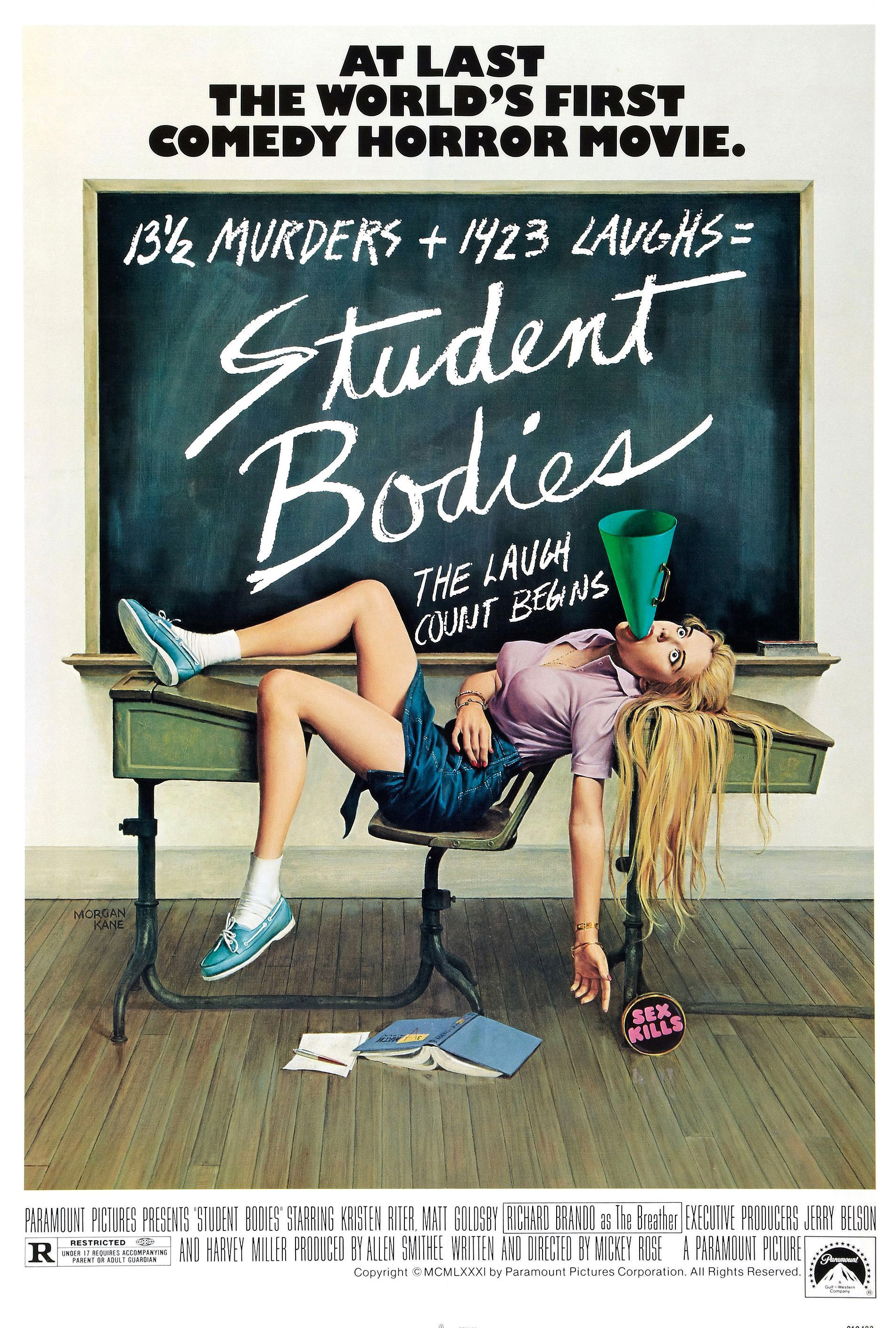
Student Bodies (1981)

By Richard Winters

My Rating: 6 out of 10

4-Word Review: Who is ‘the breather’?

A killer, simply known as ‘the breather’, is stalking students of Lamab High School. His first victims are Julie (Angela Bressler) and her boyfriend Charlie (Keith Singleton). He then proceeds to hack away more students with the police seemingly unable to do anything about it. Fellow student Toby (Kristen Riter) decides to take matters into her own hands by investigating things on her own only to end up getting incriminated as the killer, which forces her to try and convince others that she’s not the one.

This film, like Jekyll and Hyde…Together Again, is the product of the 1980 writer’s strike where Paramount was looking for scripts that could be produced on a modest budget with a nonunion crew in an effort to have some movies released to the theaters while the strike wore on. This was deemed at the time to be a perfect fit as studio heads were impressed with the box office smash Airplane that had come out a year earlier and been a parody of disaster flicks and they were hoping this film would not only cash in on audiences that had liked that one, but also for those who were into slasher films, which at the time were proving to be quite popular. The end result was a modest success with the movie making a $5.2 million profit off of a $510,000 budget. Though it really didn’t obtain its cult following until it began airing on late night cable TV during the 90’s.

While there had been horror movie parodies before those made fun of the standard haunted house theme while this was the first to satirize slasher movies, which up to that point had only been around for a few years. I was though leery as this was written and directed by Mickey Rose, best known as a script collaborator on many of Woody Allen’s movies, but who had ventured on his own to write and direct I Wonder Who’s Killer Her Now? 5 years earlier, which I considered incredibly lame and feared more of the same here. However, to my surprise, this one wasn’t bad, with probably the best moments coming right at the start, which is a perfect send-up of When a Stranger Calls. What makes this one work is that those behind the scenes, including the talented writer Jerry Belson and producer Michael Ritchie, is that they had clearly watched a lot of horror movies and therefore the humor, at least at the beginning, is laser sharp, versus other horror parodies, including Pandemonium, which came out a year later, that seemed to be made by people who really hadn’t watch horror and were just throwing in any dumb gag that they could.  The film also has an engaging protagonist, played by Riter who gives a splendid performance and it’s a shame this was her only movie.

Of course there are some detractions. The onscreen titles that flash on every once in a while, get annoying. I didn’t mind it alerting us to the body count, including when Riter kills a fly, which gets considered as a ‘1/2’ a death, but flashing on every time someone leaves a door unlocked, became a bit overdone and heavy-handed. There’s also a few ‘ program interruptions’ like when a spokesman comes on to advise that he must say the work ‘fuck’ in order to get an R-rating as those movies tend to make more money, which while somewhat funny, gives the film too much of a skit-like feel.

The film also lacks any gore or violence even though that was the whole mainstay of slasher movies to begin with. There could’ve been several reasons for this, but I think the main one was that the cultural elites at the time, and I know because I was around then, considered slasher films to be ‘lowbrow’ and onscreen blood effects as ‘tasteless’. The chic argument was that horror movies shouldn’t need gore to be scary and slasher flicks were simply a ‘passing fad’ that would eventually die off into obscurity though 40 years later the exact opposite has happened. Horror movies are now the fastest growing genre and the ‘distasteful’ slasher films of the 80’s are now considered classics. Films like Shaun of the Dead have proven that you can have a lot of blood and guts and still be funny, so this movie misses out and leads to a very boring middle half in which the humor starts to become strained mainly because they run out of ideas, which some funny gore could’ve helped fill-in. It also makes it seem like only half a parody when the main modern horror ingredient, the violence, gets completely glossed over. 

Spoiler Alert!

I did though really like the wrap-up, despite Leonard Maltin, who called the ending ‘really bad’. I considered it one of the best aspects especially the dream sequence where Riter goes down the school’s hallway and victims seemingly come back to life and pop-out of the classroom doors. The Wizard of Oz spin in which the characters from the dream, which is basically the entire movie, are shown to have the exact opposite personalities in ‘real-life’ when Riter wakes-up, I found to be quite creative. I got kick out of the Carrie take-off too, which I knew had to be coming at some point, that had Riter’s hand bursts out of the ground after she’s dead. My only quibble here is that, since it was her boyfriend who killed her and he’s the one bending over her grave, there should’ve been a knife in her hand when it comes out of the ground and thus stabbing him in revenge. 

My Rating: 6 out of 10

Released: August 7, 1981

Runtime: 1 Hour 25 Minutes

Rated R

Director: Mickey Rose

Studio: Paramount

Available: DVD, Blu-ray, Amazon Video, YouTube
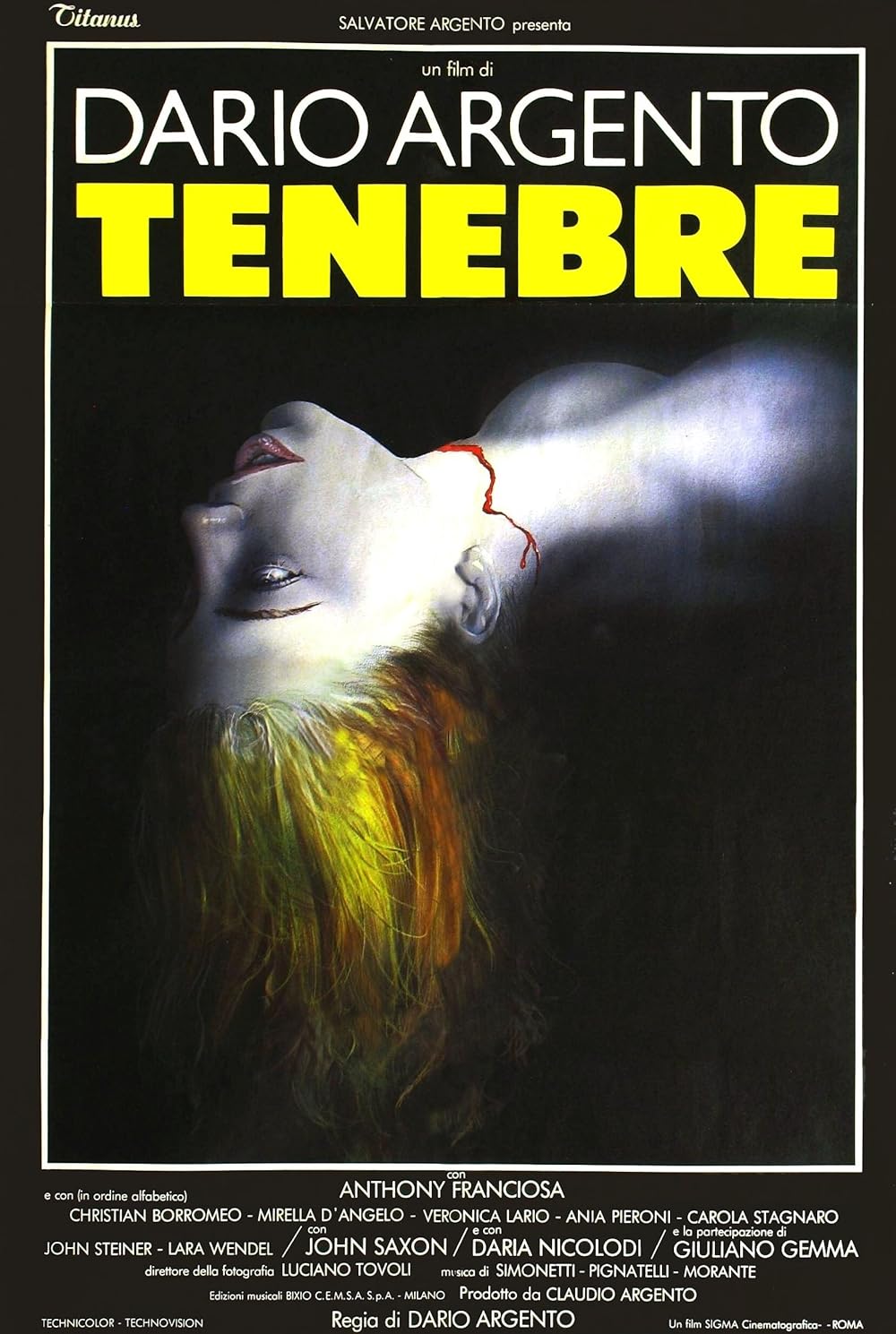
Tenebrae (1982)

By Richard Winters

My Rating: 5 out of 10

4-Word Review: Novelist hounded by stalker.

Peter Neal (Anthony Franciosa) is a successful novelist who travels to Rome, Italy to promote his latest work titled ‘Tenebrae’. Once he arrives, he is soon met by detective Germani (Giuliano Gemma) who advises him that a murder has recently been committed that was done in the style of one that occurred in his book. Neal scoffs that anything he’s written could’ve motivated someone to kill, but soon after he receives an anonymous letter from the murderer detailing how he’s going to commit more killings using methods that Neal described in his book. This then sets Neal off on doing his own investigation convinced that the police have a ‘tunnel vision’ and only he can find the true culprit using his own detective skills that he acquired while doing research on his book.

The film was inspired by writer/director Dario Argento’s own experiences that he had while meeting a fan via the telephone who initially introduced himself as being a great admirer of his work. The calls were friendly in nature at the beginning but became increasingly more menacing as time wore on. Argento eventually was threatened by the fan who claimed that his film Suspiria had affected him mentally and he wanted to harm Argento in the same way his movie had ‘harmed’ him causing Dario to leave the U.S. and return to Italy for his own safety, which is where he began writing the screenplay for this movie.

The sets are atypical for an Argento movie as they lack the garish colors and shadowy interiors most noted in his other films and this was intentional as he wanted to give the film a more ‘futuristic’ look and a one-note color scheme that more closely resembled cop TV-shows, which he felt the story reflected. Visual change is refreshing and helps the action seem more reality based versus in his other movies where everything seemed like it was set in someone’s dark fantasy in some parallel universe though I wasn’t as crazy about the camerawork, which was highly praised by others. Some may find the three-minute tracking shot that goes from one apartment window and across the complex to be captivating, but I found it more dizzying and unnecessary.

The story holds enough adequate suspense to remain moderately riveting and the pounding soundtrack by the rock group Goblin holds the tension. American actor Franciosa is nicely cast though Argento apparently had many behind-the-scenes conflicts with him, but the guy, despite his career decline, looks almost ageless and I was impressed with the opening bit where; despite nearing 60, he’s seen biking down a busy highway amongst tons of traffic with seemingly no worry or sweat. John Saxon though, the only other American in the movie, is badly wasted in a part that doesn’t give him much to do other than make a big deal about his hat that he seems quite fond of. Thankfully though, despite other performers having their voice dubbed, the film was shot in English in order to broaden its American appeal and so both of these actors speak with their actual voices while it’s quite evident with the others that they’re not.

The biggest disappointment for me were the special effects that look cheap and done with no imagination. The blood is bright colored and looks like dye mixed with water. The victims show no actual cuts, or abrasions and the blood appears painted on, or gently poured on via a cup and didn’t look authentic. There are also some ill-advised reaction shots where the film will quickly cutaway and show the victim looking scared with their mouth agape that came off as unintentionally funny. The only real frightening moment comes when a young lady gets chased down a dark street by a large dog who ultimately traps her inside the house of the killer, but other than that I was wanting way more than this film seemed able to give. I did though like one murder scene, which is purportedly one of Quentin Tarrantino’s all-time favorites, that features a woman getting her arm cut off and then proceeding to turn around and paint the walls of her apartment with its spurting blood though even this gets compromised because you can plainly tell it’s a mannequin arm when the ax goes through it.

The story gets a bit convoluted too as it adds in a flashback scene, without telling us it’s a flashback, involving a prostitute, played by Eva Robin’s, who really does spell her name with an apostrophe, and some teen boys that she meets on a beach. Only at the very end does it come into focus what this scene, which gets interspread throughout, means to the story, but until then it’s rather confusing why we’re seeing it and even a bit off-putting. It also features the prostitute as having a perfectly chiseled super model’s body, which I didn’t feel was realistic, and even though it’s supposed to be set decades earlier from the present day no effort was made to make it seem like it was shot in a bygone era.

Spoiler Alert!

The twist ending may be a surprise to some as ultimately, we learn that there wasn’t just one killer, but two of them. One being a TV interviewer named Christiano, played by John Steiner, who kills the first several due to his feelings that the victims were ‘immoral’ and then the last few committed by the protagonist himself. However, I started to suspect Franciosa when he’s found conveniently hit over the head by a rock, which supposedly ‘incapacitated’ him though I thought it was simply a ploy to divert attention away from him, so for me the final reveal was very predictable. Logically it doesn’t completely hold up either as his friend Gianni, played by Christian Borromeo, witness Christiano getting killed by Franciosa, though in disguise, and then runs back to the backyard bushes where Franciosa is supposedly hiding, but it didn’t seem like Franciosa would’ve had enough time to leave the murder scene and get back to the bushes before Gianni got there.

My Rating: 5 out of 10

Released: October 27, 1982

Runtime: 1 Hour 41 Minutes

Rated R

Director: Dario Argento

Studio: Titanus

Available: DVD, Blu-ray, Amazon Video, Plex, Tubi

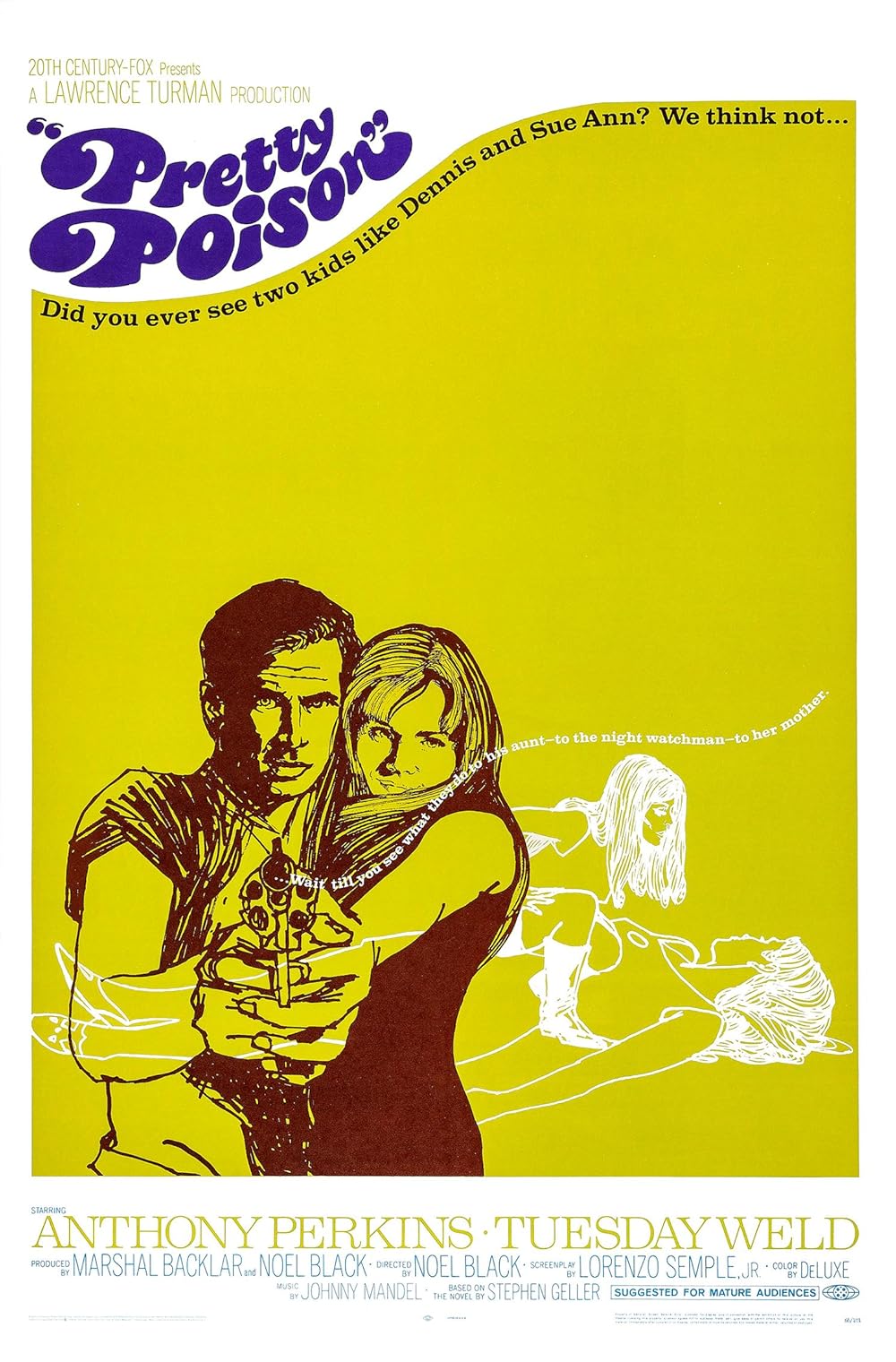
Pretty Poison (1968)

By Richard Winters

My Rating: 7 out of 10

4-Word Review: Manipulated by attractive teen.

Dennis (Anthony Perkins) has been released from the mental institution after serving several years there for setting a home on fire. He gets a job at the local factory but finds it boring and begins to escape into fantasies. He spots pretty 17-yeard-old Sue Ann (Tuesday Weld) while she rehearses with her high school marching band and immediately becomes smitten. He’s never had experience dating anyone, so he decides he’ll pretend to be a CIA agent on a secret mission as a way to impress her and get her attention. He’s disgusted at the way the factory where he works at dumps pollution into the river and thus comes up with a scheme to destroy it using her help, but when a security guard spots them, Sue Ann kills him. Dennis is shocked with Sue Ann’s brazenness and realizes she’s not as innocent as she appears. He tries to cover-up the killing but finds that Sue Ann’s only getting started as her next target is her mother (Beverly Garland). Will Dennis try and stop it, or figure that appeasing her murderous desires may be the only way to keep her from going after him?

The film is based on the 1966 debut novel ‘She Let Him Continue’ by Stephen Geller and directed by Noel Black, who was just coming off the success of his award winning short Skaterdater and this was considered perfect material for his feature film debut. He described the story as “a Walter Mitty type who comes up against a teenybopper Lady MacBeth”. It was shot on-location in Great Barrington, Massachusetts, which gives it a quant small town atmosphere where supposedly ‘nothing ever happens’ and Beverly Garland gives a terrific supporting performance as the caustic mother.

However, Black had no background in working with actors leading to many confrontations behind-the-scenes between he and Weld and keeping the shooting production on schedule proved equally challenging, which got the studio to believe they’d hired a director who was in over-his-head and helped bring in added pressures. When the movie finally did get released, it fared poorly at the box office. Black felt this was because of the recent assassinations of Martin Luther King and Robert Kennedy, which made the studio timid to distribute it and thus few people saw it though in recent years its acquired a small cult following. 

One of the elements that really makes it work is Perkins who gives a splendid performance. Initially I thought it was a mistake to cast him as he would seem too much like his earlier, more famous character of Norman Bates, but he plays this part much differently. Here he comes off as smarter and less crazy. He does dabble in make believe at times but only does it to mask his insecurities and lack of life experience. Watching his emotional arc where he goes from feeling confident, thinking he’s in control with this supposedly naive young teen, only to ultimately have to grapple with his slow realization that it’s really she who’s pulling-the-strings is the most captivating thing in the movie. 

Weld seemed initially to be perfectly cast as she had already shown a propensity at playing characters quite similar to this one in classic episodes of ‘Route 66’ TV-show and ‘The Fugitive’. However, her age clearly belies her as she was 24 at the time it was filmed and looking nowhere near 17. Having a true teen playing the role may have made what she does even more shocking. She later said in interviews that she hated working on this project mainly because Black wouldn’t let her improvise her lines and you could see she just wasn’t fully into it, and it diminishes somewhat the full effect.  

Spoiler Alert!

While it’s intriguing the whole way the ending, which has Dennis calling the police and allowing himself to be put into jail, didn’t have quite the bang I was hoping for. Dennis had fallen hard for Sue Ann to the extent he felt she had ‘changed his life’ and gave meaning to his otherwise lonely existence. When people are in love with someone, they tend not to see the same red flags that others do, so even though she does some evil things I was expecting him to make excuses for it. Like she killed the nightwatchman not so much because she was a sociopath, but more because of her ‘love’ for him and knowing it would help him in his ‘secret mission’. The murder of the mother could’ve been approached the same way in his mind. She killed her only so they could be together, and he would view it as an ‘unselfish’ act versus a selfish one.

Seeing someone who starts out a bit cocky thinking he can ‘trap’ others with his fantasies only to learn that his own fantasy had trapped him would’ve been quite ironic. He could still be convinced of her love even as he’s arrested and thus his final meeting with her, in which he realizes that she’s betrayed him by going to the police, would’ve had more of an impact.

I didn’t feel that Dennis should’ve had to spoon-feed to his psychiatrist, played by John Randolph, that Sue Ann was really the killer, as the doctor should’ve been smart enough to figure this out for himself. Watching the psychiatrist then follow Sue Ann around in his car as she finds another man (Ken Kercheval) that she intends to manipulate leaves things too wide open. What exactly will this lead to? Will the doctor stop her from killing again before it’s too late, or will Sue Ann realize she’s being followed and have the doctor killed? This is something I feel the film should’ve answered. 

My Rating: 7 out of 10

Released: September 18, 1968

Runtime: 1 Hour 29 Minutes

Rated R

Director: Noel Black

Studio: 20th Century Fox

Available: DVD, Blu-ray, Amazon Video, YouTube
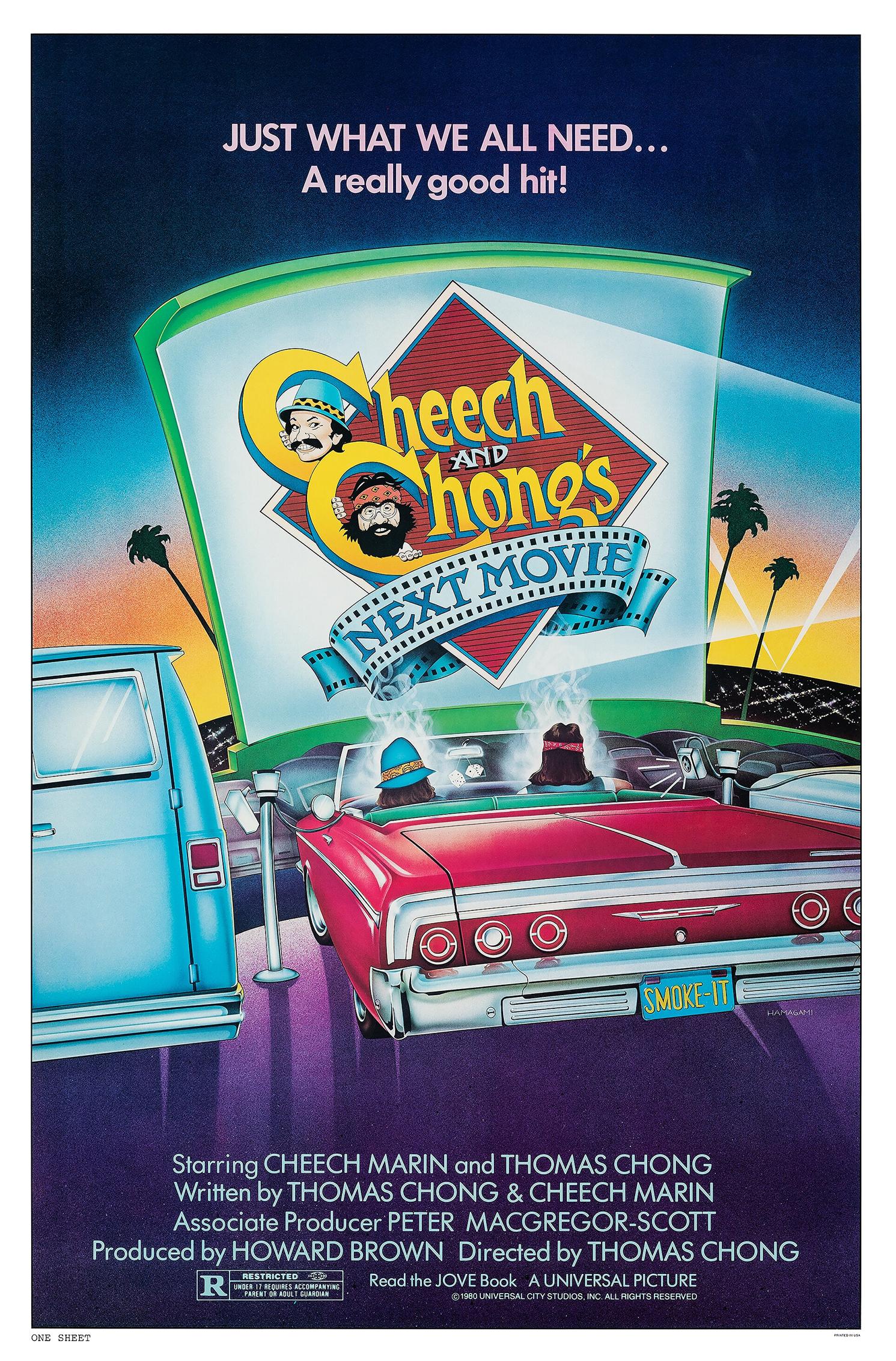
Cheech and Chong’s Next Movie (1980)

By Richard Winters

My Rating: 6 out of 10

4-Word Review: Chong meets Cheech’s cousin.

Chong (Tommy Chong) and Cheech (Cheech Marin) have moved in together in a decrepit place that puts new meaning to the word pigsty. Chong doesn’t have any interest in finding a job and spends his days playing his electric guitar at an ear-splitting level that disrupts the rest of the neighborhood. Cheech does work but gets fired forcing the two to go to the unemployment office where Cheech meets-up with his old girlfriend Donna (Evelyn Guerrero). The two get-it-on inside her office, which soon gets her fired. She then calls Cheech later on and the two agree to a date at his house. To get Chong out of the way Cheech has him get together with his cousin Red (Cheech Marin). Red is getting kicked out of his hotel room for nonpayment, so Chong helps him get his stuff out including a 20-pound bag full of marijuana (in the edited TV-version it’s described as a bag full of ‘diamonds’). The two then spend the rest of the night meeting up with different people and attending various nightclubs before ultimately being kidnapped by some outer space aliens while Cheech sits home alone dreaming of his rendezvous with Donna, who to his knowledge, never gets there.

This is, in my opinion, the best installment of the Cheech and Chong film series and an upgrade from their first film. This one has the same cinema vertite approach as that one but is able to tie it in better with a more consistent atmosphere that at times becomes almost surreal. Chong travels with Red late at night and the goofy people they meet along the way becomes very similar in theme to After Hoursor at least the Los Angeles version of that and had it been amped up just a little more it might’ve been just as good and memorable but just misses the mark yet kooky enough to keep it engaging. Thomas Chong’s direction is leisurely paced, which helps add to the offbeat vibe and his character is more engaged. In the first film Chong was strung-out most of the time making him boring and giving all the funny lines to Cheech, but here it’s more equal, making it a true buddy movie. The drug use isn’t emphasized as much either and doesn’t come off like it’s promoting the use of it like in the first one.

Some of the set pieces are impressive especially their messy house, which is so dirty and unsanitary that it’s almost like an art form the way the production team got it to look that way. I’ve seen some cluttered places before in movies, but never in quite the authentic way as here as it seems great care was taken to give it a legit look and making the scenes shot inside the place both fun and jaw-dropping at the same time. There’s no doubt though that had slacker stoners with no cleaning skills moved in together it would end up looking very similar to the place here. I also enjoyed seeing their neighbor’s place, played by Sy Kramer, who’s overly efficient ways are a far cry from theirs and the confrontations between them needed to be played-up more especially after the two steal and destroy his car and while his vehicle does get returned to him it’s in a highly damaged state, but without seeing his reaction shot we miss half the comedy potential.

It’s fun seeing Cheech play dual roles, speaking in a voice that sounds entirely unlike his own and proving he’s a much more talented actor than one might initially suspect. Edie McClurg gets one of her best roles as a rich uppercrust suburbanite who with only a few drinks becomes increasingly ditzy as the night wears on. Paul Reubens is entertaining as a no-nonsense hotel desk clerk and Michael Winslow has some engaging moments doing ‘sound effects’ while inside the unemployment office and old man John Steadman laughing at every single thing Winslow does.

This film also supposedly is the final onscreen appearance of veteran actress Mary Anderson, who is probably best known for her work in Alfred Hitchcock’s classic thriller Lifeboat. Here she has an uncredited bit as an old lady inside a music store, but the woman is seen for less than two seconds and within a group of other people making it hard to fathom why she’d come out of retirement, her first acting work in 15 years, just to give off an annoyed expression for a brief second and then call it a day. The woman doesn’t really look like her either making me think that since Mary Anderson is a very common name, they got the wrong one and it’s a different actress entirely.

I also can’t end this review without mentioning a glaring continuity error in which the car that Chong and Cheech are riding in goes out of control and ends up crashing into somebody’s front yard but the fence surrounding the yard remains intact. However, for the car to have gotten onto the lawn it would’ve had to have crashed through the fence, so showing it with no damage at all makes no sense.

My Rating: 6 out of 10

Released: July 18, 1980

Runtime: 1 Hour 35 Minutes

Rated R

Director: Tommy Chong

Studio: Universal Pictures

Available: DVD, Blu-ray, Amazon Video, YouTube
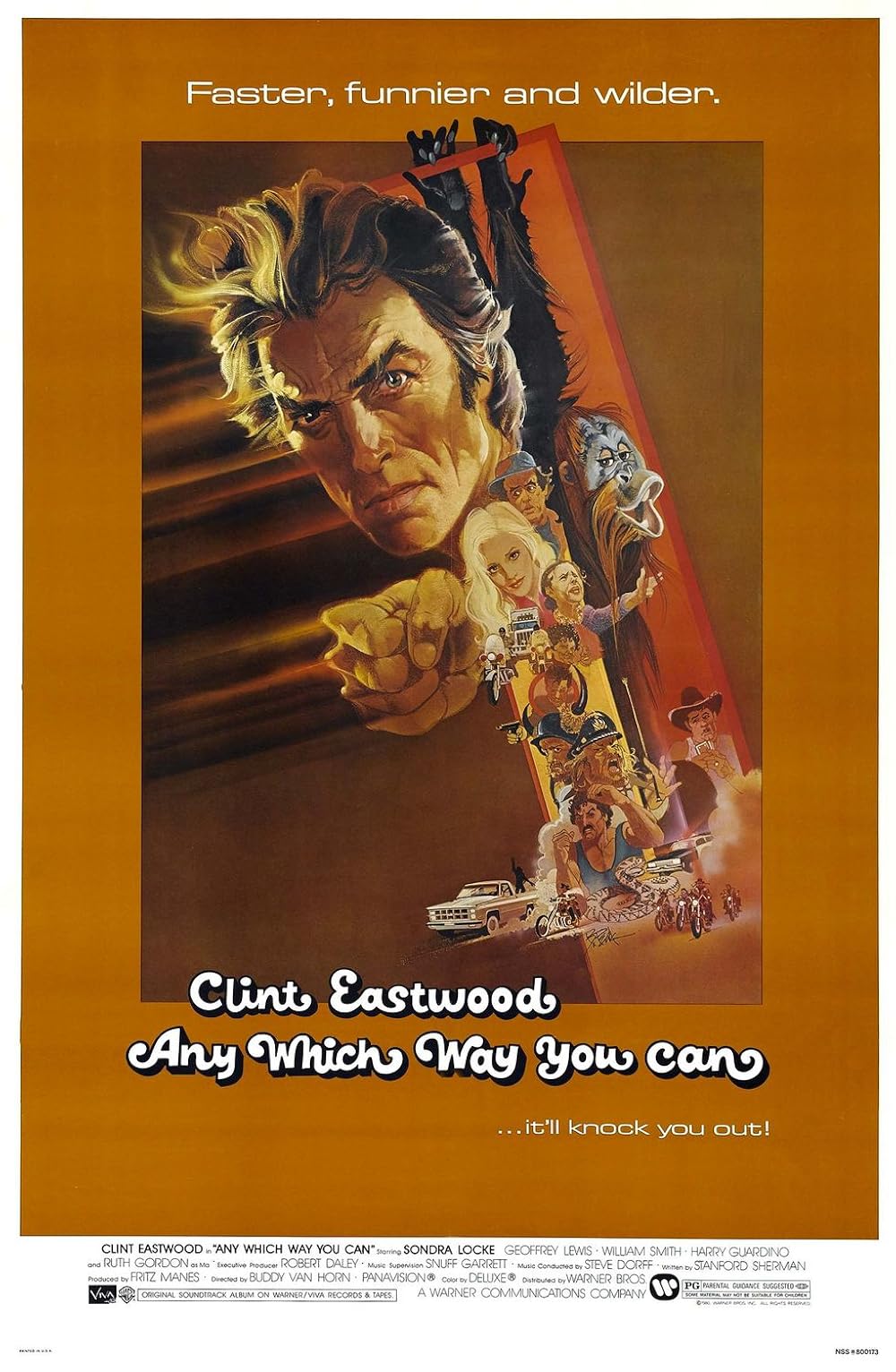
Any Which Way You Can (1980)

By Richard Winters

My Rating: 7 out of 10

4-Word Review: Betting on a fight.

Philo (Clint Eastwood) is still working as a trucker, still travels around with his pet orangutan Clyde, and still lives at home with his mother (Ruth Gordon) while getting involved in some bare-knuckle fights on the side to earn some extra money. He also continues to be harassed by the Black Widow biker gang who constantly hound him to even a past score. Things begin to change a bit when he meets back up with Lynn (Sondra Locke) who apologizes for her behavior from before and wants to rekindle their romance. Philo resists at first, but eventually the two get back together and she even moves-in with him in a spare room, but pressure mounts when fight handicapper Jack Beckman (Harry Guardino) comes-up with the idea of pairing Philo with Jack Wilson (William Smith), whose fighting skills mixes both martial arts and boxing. Jack figures it would be a match that would generate much betting interest and uses his men and money to convince Philo to take part in it. While Philo does initially agree he eventually backs out due to pressure from Lynn as she feels it’s too dangerous, but Jack, who has Mafia money riding on the fight, won’t take no for an answer and kidnaps Lynn in an effort to get Philo to reconsider. 

This is one of those sequels that’s a vast improvement over the first and much of the credit goes to Stanford Sherman, who wrote over 18 episodes for the 60’s ‘Batman’ TV-show and shows a good knack for balancing campy humor with interesting action. He’s also able to tie-in everything that goes on, so it doesn’t come off like a disconnected mess like with the first installment that had characters and situations coming-out of nowhere that wasn’t cohesive. Here each character has a purpose and everything that happens has a reason and connects with the main theme making for a much slicker production even when some of it gets silly.

Much more attention goes to the ape here though it’s not the same one as in the first film. That one was named Manis who was deemed to have grown too big for the part, so he got replaced by Buddha who has some amusing segments with his best moments coming when he tears up some cars, including one being driven by a bad guy, played by Michael Cavanaugh, as he’s trying to get away and another scene where he wears a dress and then ‘flashes’ an amorous hotel owner. However, in a book by Jane Goodall entitled ‘Visions of Caliban’ it was asserted that Buddha was badly beaten by his owner during the production after he stole some doughnuts on the set and was eventually clubbed to death forcing them to bring in a third ape named C.J. to do the publicity tour for the movie after filming had wrapped. 

Like in the first one the movie also features a lot of bare-knuckle brawls though these aren’t quite as interesting since Clint wins every one of them, so there’s never any tension. To keep it realistic, and give it better balance, they should’ve had him lose one, possible in humiliating style, and the rest of the movie could’ve been having him trying to defend his title and the audience would’ve been more emotionally invested in seeing him do it.  Would’ve been nice too had they not implemented that annoying punch sound effect that to me puts the fight at a cartoon level and I wished more movies from the period did it like The Whole Shootin’ Matchwhich didn’t feel the need to have that effect put in and thus actually made the fighting grittier and more intense in the process. 

While the film is way too long, there’s no reason for a runtime of 2-hours with such a slight and goofy plot, which should’ve have not been more than 85-minutes. However, it saves itself with some genuinely inspired moments including when real-life couple Logan and Anne Ramsey, who play a traveling husband and wife who stay in the hotel room next to the two apes whose noisy love making turn them on as does Clint and Sondra in adjacent room while Ruth and the elderly hotel clerk, played by Peter Hobbs, also make it in the motel office, I found to be quite amusing and almost worth the price of admission. The climactic bout between Clint and Smith and the way it galvanizes people from all over to witness it and bet money on it, including the Black Widow biker gang, who survive a ‘taring’ earlier, is good fun making it worth checking out on a slow night. 

My Rating: 7 out of 10

Released: December 17, 1980

Runtime: 1 Hour 56 Minutes

Rated PG

Director: Buddy Van Horn

Studio: Warner Brothers

Available: DVD, Blu-ray, Amazon Video, YouTube
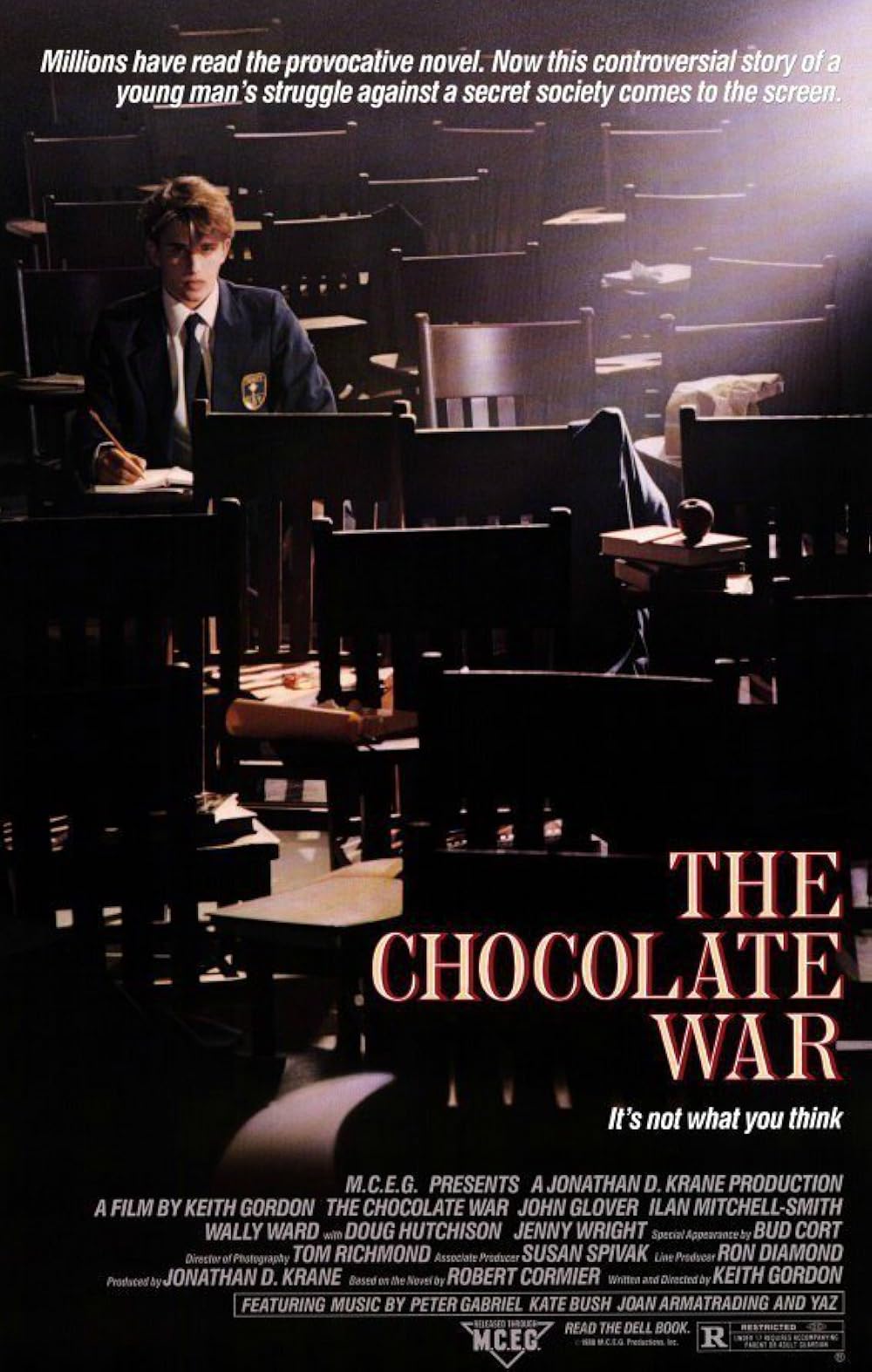
The Chocolate War (1988)

chocolate

By Richard Winters

My Rating: 7 out of 10

4-Word Review: Teen challenges the hierarchy.

Jerry (Ilan Mitchell-Smith) is the new student at an all-boys Catholic School that finds himself insnared into a controversy that wasn’t of his making. Brother Leon (John Glover), the school’s headmaster, promotes a program in which all the students must sell a certain allotment of chocolates in order to bring in much needed revenue for the school. While it’s technically voluntary the students are strongly pressured to take part in it and all of them do except for Jerry who for ten days refuses to get involved. This it turns out was the result of a hazing ritual brought on by a secret fraternity of students known as The Vigils. The idea was for Jerry to prove himself as being mentally strong enough to join the group by standing up to the intimidating Leon. Leon though becomes aware of what’s going on and since he’s in close contact with Archie (Wally Langham), the Vigil’s leader, he forgives the action convinced that once the 10-days are up Jerry will conform like all the others and take part in the sales drive. However, to everyone’s shock this doesn’t happen. Instead, Jerry continues to rebel, and his nonconformity has an infectious quality causing other students to take part, which challenges the strength of the school’s hierarchy to keep everyone in line. 

The film is based on the 1974 novel of the same name by Robert Cormier, which many critics have deemed one of the best young adult novels every written, but also one that routinely shows up as being on the top 10 list of banned or challenged books in high school libraries. It marks the directorial debut of Keith Gordon, who up until this time was better known for his acting particularly his starring role in the horror classic Christine. As a director I think he does a splendid job. I loved the eclectic camera angles, the zooms and hand-held shots. The soundtrack is distinctive featuring songs by artists who allowed their music to be used at a significantly lower price due to the movie’s low budget. The on-location shooting done at an abandoned seminary in Kenmore, Washington is perfect with the gray and dreary Northwest late autumn landscape perfectly reflecting the grim characters and situation. 

The acting is impeccable especially Glover who creates a three-dimensional villain who’s bullying at times, but at other points nervous and insecure. Mitchell-Smith, whose teen heart throb appearance belies is high-pitched voice, which I’ve never cared for and the reason I believe his acting career didn’t last, is quite good mainly because he isn’t forced to say much and instead relies on his reactions to what goes on around him, which in that element he excels. Langham is the perfect composite of the preppie bully particularly with that hairstyle that has ‘attitude’ written all over it, but his best moment is when he picks at a pimple on his arm after he gets off the phone with someone. I had noticed it during his conversation and was almost stunned when he picked at it. So many other teen movies show adolescents with unblemished skin, with maybe only a few geeky kids that have acne, but here one of the ‘cool’ kids was shown with it, which coupled with him actually trying to squeeze, which teens in reality will do, was genuinely groundbreaking and not something I’ve ever seen in any movie before or since. 

While there’s many memorable moments there’s a few loopholes as well. The fact that the students didn’t have any locks on their lockers, and thus allowing the Vigils to put trash into Jerry’s locker, didn’t seem valid as virtually every high school I’ve been in, past or present, does. The running segment dealing with Jerry and his father receiving harassing anonymous calls is quite dated due to now having caller ID, but even then, they could’ve still called the authorities to have their phone line tapped and thus the calls would’ve been traced, which is something you’d think they’d ultimately would do as it continued to occur. It’s also unclear how the students are able to sell the boxes of chocolates and achieve such a high quota. The film intimates they’re using unscrupulous methods, but not explicit enough as to the exact method. 

Spoiler Alert!

The film’s most controversial moment, and one that may have led to it doing poorly at the box office, is the way it changes the original ending. In the book Jerry gets defeated by Archie in the climactic boxing match, but in the movie, Jerry wins, and Archie is subsequently replaced as The Vigil’s leader. Personally, both endings have interesting nuances, so I can’t say I favor one over the other though the movie version does bring out some intriguing elements. However, fans of the novel tend to hate it feeling it was an attempt by Hollywood to give the story a more ‘uplifting’ conclusion. 

My Rating: 7 out of 10

Released: November 18, 1988

Runtime: 1 Hour 40 Minutes

Rated R

Director: Keith Gordon

Studio: MCEG

Available: DVD, Blu-ray, PlutoTV, Tubi

Silent Night, Deadly Night (1984)

silent

By Richard Winters

My Rating: 6 out of 10

4-Word Review: A killer Santa Claus.

When he’s only 5-years-old Billy Chapman (Jonathan Best) has a very traumatic experience. It starts when he and his family are visiting their grandfather (Will Hare) inside a senior living facility. While his parents and younger brother are temporarily out of the room his grandfather, who usually never says a word, suddenly speaks by warning him about Santa Claus and how he punishes those who’ve been naughty. On the car ride home, his family is attacked by a gunmen dressed as Santa (Charles Dierkop) who has just robbed a liquor store. Both his parents are killed by the man, but Billy manages to escape by running out of the vehicle and hiding behind some bushes. Things now flash forward to the year 1984 where Billy (now played by Robert Brian Wilson) is 18 and still suffering from the dark memories of the event as well as the abusive upbringing inside the orphanage he was sent to that was ruled by a tyrannical Mother Superior (Lilyan Chauvin). Working as a stock boy at a nearby toy store, he gets asked to fill-in as Santa when the man who usually plays him calls-in sick. Playing the part though brings back up all the repressed emotions of what happened years earlier causing him to have a mental breakdown and turning him into a killer. 

This film ended up becoming quite controversial and it all started when producer Scott J. Schiend accepted story submissions from the public to help him decide what movie project he’d like to finance next. One of those submissions was short story written by a recent college grad named Paul Caimi entitled ‘He Sees You When You’re Sleeping’, which involved a killer Santa. Schnied became intrigued by the concept and hired Michael Hickey to write a full-length screenplay around the premise. Once completed the script was shopped around until Tri-Star Pictures decided to pick-it-up and finance it as well as act as its distributor. 

Since there were already two other films that had been released that dealt with a killer Claus including the 1972 horror anthology Tales from the Crypt, and the 1980 slasher You Better Watch Out! no one behind-the-scenes was expecting this one to create much controversy since neither of those had. However, mainly because of an aggressive marketing campaign, it soon caused the ire of many parents who felt based off of the TV-ads that this film would tarnish the image of Santa Claus and make children fear him and thus a movement to have the movie removed from theaters was created. Even Siskel and Ebert got in on it by focusing an entire episode of their show to it and reading out the names of the cast and crew in order to ‘shame’ them for having worked on the production. The movie was soon pulled after having been in theaters for only a week, but the controversy ended up having a Streisand effect as it garnered it more attention than it would’ve otherwise, and it made a hefty profit at the box office and ultimately became a cult hit that spawned 4 sequels as well as a reboot.  

It seems to me that most people that protested the movie didn’t actually watch it because if they had they’d realize that it’s made very clear that the guy doing the killings isn’t really Santa nor does he even look much like him. The kid who plays him doesn’t even bother putting the beard on and his own face is constantly exposed while he does the butchering, so at no point does the viewer ever see him as being anyone other than a troubled teen with severe mental issues. I actually wished the part had been played by Dierkop who portrays the initial Santa during the hold-up and puts far better energy into the role and genuinely looks more like the classic Claus both in his age and physical build. 

The movie puts a lot of effort into showing how Billy became the way he does, but for me that was a problem as it gets too plodding and seems to take forever for the carnage to get going, which for a slasher fan is what you really want to see. Would’ve been better had it started out right away with this guy Santa killing people, maybe even one of the kids who sits on his lap at the store, and with no reason why he was doing it, and then through intermittent flashbacks allow his back story to be revealed versus having the background painfully elaborated from the start, which takes away any mystery, or surprise. There’s also the issue of young Billy having prominent brown eyes, but when he reaches adolescence his eye color suddenly turns to blue. 

Spoiler Alert!

My biggest complaint though is with the Mother Superior. Chauvin plays the part quite well making the nun scarier than the killer and somebody you really love to hate, but she’s never killed off, which is a huge disappointment. Many people who grew up going to a strict Catholic School might’ve enjoyed seeing a disciplinarian nun get hacked and it might’ve been cathartic and thus having it not occur doesn’t give the film a sufficient payoff. 

My Rating: 6 out of 10

Released: November 9, 1984

Runtime: 1 Hour 25 Minutes

Rated R

Director: Charles E. Sellier Jr.

Studio: Tri-Star Pictures

Available: DVD, Blu-ray, Amazon Video

The Warriors (1979)

Version 1.0.0

Version 1.0.0

By Richard Winters

My Rating: 7 out of 10

4-Word Review: Back to Coney Island.

The Warriors lead by Cleon (Dorsey Wright) make their way to from Coney Island to Van Cortland Park in order to attend an outdoor rally lead by Cyrus (Roger Hill) who heads the gang called The Riffs. It’s Cyrus’ idea to bring all the gangs in New York City together as one because if they do so they’ll be able to outnumber the police. However, Luther (David Patrick Kelly), who’s a member of the Rogues gang is not privy to this idea and thus shoots and kills Cyrus, which gets witnessed by Fox (Thomas G. Waites) a member of the Warriors. Once Luther realizes he’s been spotted he quickly accuses the entire Warriors gang of carrying-out the murder, which sends the mob into violent chaos and in-turn causing the death of Cleon. Swan (Michael Beck) becomes the group’s new de-facto leader though it receives a frosty reception from Ajax (James Remar), but since they’re in such an urgent situation he has no time to fight him for it as the gang now must make their way back to the safety of their territory while having to trek through the turfs of other gangs who are all out to kill them.

For a film about gang life this one is quite different. Most of the movies before then that dealt with this topic would typically place the protagonist as being someone outside of the gang culture, but here that outside world doesn’t even exist. Everything is fully from inside the gang world, which is what makes it so fascinating as the viewer gets immersed into a universe that most likely they really wouldn’t experience or understand otherwise. However, as big as their turfs wars are one of the most memorable moments in the film doesn’t deal with the action at all, but instead it’s the scene inside the subway car where some suburbanites come-on after a night at the club and sit across from The Warriors, who are quietly judged, through their glances, at the disheveled nature of the gang members, which they’re distinctly aware of, revealing how even though in the gang’s mind their the ‘top dog’ of their universe, they’re still perceived from the mainstream world as being people to look down upon.

I also really dug the gang attire. Some may argue this gets ‘campy’ and hurts the realism with proposed remakes offering to play down some of it, but for me it’s what makes it more fun. Personally, I found the Baseball Furies and roller-skating gang known as The Punks to be generally frightening. Even if the gang carrying baseball bats wears facial make-up resembling the rock band KISS I still in no way would want to meet them in a dark alley and in a lot of ways The Warriors constantly coming into these weird gang types as they cross through their territories creates a surreal nightmare atmosphere.

I did though find some of the action to be problematic. It starts with The Warriors trying to outrun another car driven by a rival gang, which I found unrealistic. Possibly if it was a short distance then maybe, but to go several blocks wouldn’t be fathomable. I would think at least a couple of the gang members would tire-out and slow down and ultimately be hit by the vehicle. Having The Warriors totally annihilate the Baseball Furies even though it was the Furies with the baseball bats while the Warriors had only their fists didn’t make sense either. Maybe you could argue that The Warriors had such good fighting skills they were able to use that to overpower the other side, but logically I think one or two of them should’ve at least gotten hit by a bat, which the Furies were swinging wildly, and the fact that they’re all able to get out of the fight unscathed is a bit of an eye roll. Having a few of them later trapped in a room with a female gang that shoots directly at them with a gun and none of them get hit by even a stray bullet is equally unrealistic. Also, since they all get involved in punching their opponents, you’d think there would be numerous scratches, abrasions, and dried blood on the broken skin of their knuckles, at the very least, but on the subway ride after the fights there’s a quick close-up of Micheal Beck’s hands, who was involved in the majority of battles, and they’re completely unblemished.

The 1965 novel version, the author, Sol Yurick, was not happy with the film, has many differences including the gang rape of the female, played in the movie by Deborah Van Valkenburg, by the protagonist gang members, that doesn’t occur here. The book also delves more deeply into the gang leaders sad home life, which the movie doesn’t tackle at all, but it would’ve helped create a better understanding of the main character’s motivations. If a remake does get made, and it’s been talked about, I think it would be more interesting if it followed the book’s plotline, which ultimately is grittier.

My Rating: 7 out of 10

Released: February 9, 1979

Runtime: 1 Hour 33 Minutes

Rated R

Director: Walter Hill

Studio: Paramount

Available: DVD, Blu-ray, Amazon Video, YouTube
Intruder (1989)

intruder2

By Richard Winters

My Rating: 6 out of 10

4-Word Review: Killer in grocery store.

Jennifer (Elizabeth Cox) and Linda (Renee Estevez) are two cashiers working the night shift at a grocery store. Just before closing Jennifer gets confronted by Craig (David Byrnes) a man she dated briefly who pressures her to get back together. When she refuses he becomes irate prompting Linda to alert the store owners (Dan Hicks, Eugene Robert Glazer). The police are eventually called in, but by then Craig has disappeared yet as the night progresses the night crew begins being stalked by some mysterious person that they can’t see. Eventually they start to turn-up dead having been killed in gruesome and novel ways. Is Craig the one behind it, or is it possibly someone else?

The concept is an interesting one as all the action takes place entirely on the grocery store premises with the majority done inside though there’s a few scenes that happen just outside of it. Scott Speigel, who co-wrote Evil Dead II with Sam Raimi, who appears as one of the store employees, got the idea for the film after working as part of the night crew at a Michigan grocery store and in fact ‘Night Crew’ was the movie’s original title, as well as the short film that was shot before they found funding to make a feature length version, but the distributors felt a more generic horror title would help it sell better. It was shot inside a former grocery store that was now empty in Bell, California where they hired a company to deliver two tons of damaged goods in order to use that to line the shelves.

The film is well directed with a lot of unique camera angles including a shot seen through a wine bottle another one where the point-of-view from inside a telephone looking-up and another showing someone from the outside turning a lock on a door and then having the camera shot rotate in tandem to it. The killings, once they finally get going, are adequately grisly and should suffice for gore fans.

While I enjoyed the store setting and felt they did an admirable job in making it appear like a real grocery market I was put-off with the lighting. All grocery stores that I’ve ever been to always are brightly lit in order to give-off this inviting feel and make people want to come inside. This store however was very dark and shadowy looking like no grocery place I’d ever been to and as a result it hurt the believability. Some may argue that this was the night shift and hence no need for all the lights to be on since only the overnight crew was in it, but it was very shadowy from the beginning even before it had closed and customers were still in it. I also didn’t care for the cameo appearances by Aly Moore and Tom Lester, two men who had been cast members in the old ‘Green Acres’ TV-show. Not sure what the relevance was for having them appear here, but they don’t really add much to the story and their bumbling ways don’t help add any tension and if anything detract from it.

The story moves a bit too slowly to the extent I started to worry if the killings were ever going to get going, or if it all was just one of those gimmicky horror flicks that ultimately isn’t very scary, or gory at all. The tension ebbs quite a bit and it would’ve worked better had the killer had some sort of identity, even if it was just wearing a goofy mask, versus having it be someone we never see. The idea that this killer would be able to single-handedly lift someone into the air simply by grabbing the victim’s hair and then proceed to shove them completely through store shelves, or hang them effortlessly on meat hooks, is absurd and makes the culprit seem more like a supernatural entity instead of the human that he is.

Spoiler Alert!

The ultimate reveal where the killer is exposed as being Bill the store’s co-owner was a bit of a surprise, but his motivations didn’t make sense. I could understand that he was upset about the store going out-of-business and would want to kill his partner for allowing it, but why kill all of the employees? If the idea is to ‘save’ the store this isn’t exactly a good way of going about doing it. His explanation that he simply got ‘carried away’ doesn’t suffice. If he really is just ‘crazy’ then elements of his insane personality should’ve come to the surface long before just that night.

Having Jennifer and her former boyfriend Craig, the only two survivors, get arrested for the crimes does have an ironic twist to it, but then leaving everything as a sort-of cliffhanger isn’t satisfying. The original ending was to have the camera go inside Jennifer’s screaming mouth, as she’s protesting her arrest, and down her throat until it got to her heart, which would then be shown as stop beating, but because it would be too complicated to shoot the idea got scrapped, but it would’ve been a cool final shot for sure.

My Rating: 6 out of 10

Released: January 27, 1988

Runtime: 1 Hour 28 Minutes (Unrated Version)

Director: Scott Spiegel

Studio: Empire Pictures

Available: DVD, Blu-ray, Amazon Video, Tubi, Full Moon