Category Archives: Rape/Revenge

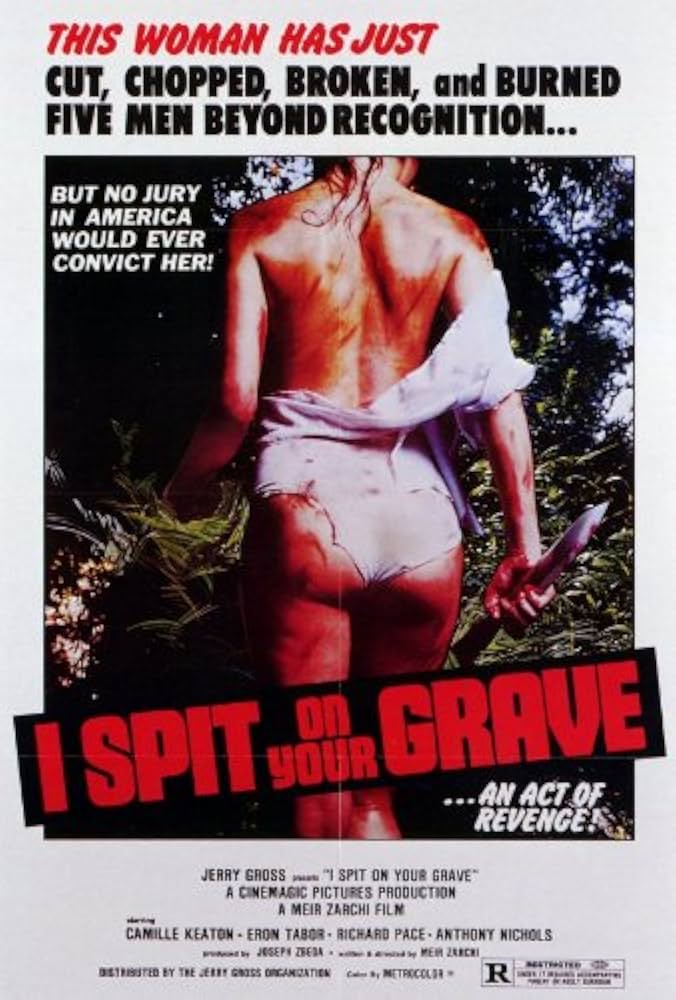
I Spit on Your Grave (1978)

By Richard Winters

My Rating: 7 out of 10

4-Word Review: Assaulted woman gets revenge.

Jennifer Hills (Camille Keaton) is a writer who has decided to get away from the bustle of New York City by renting an isolated cabin by a river that’s just outside of Kent, Connecticut. It’s here that she hopes to finish her novel but finds it hard to do when she inadvertently attracts the attention of Johnny (Eron Tabor) a gas station attendant and two unemployed men named Stanley (Anthony Nichols) and Andy (Gunter Kleeman) who routinely upset her quiet environment with their motorboat. When delivery boy Mathew (Richard Pace), who is mentally disabled and social awkward, comes back to the men describing how when he delivered groceries to her, he ‘saw her breasts’, it gives them the idea to attack her and then ‘offer her up’ to Matthew, so he can finally have sex with a woman. The men chase Jennifer down while she’s relaxing in her rowboat and take her to the backwoods where each of them takes turns raping her over an extended period. Once they finally leave, they give Mathew a knife and tell him to kill her while they wait outside. Mathew though is too afraid to stab her, so he lies and tell them he did when he really didn’t. Eventually, after several weeks, Jennifer recovers from her injuries, both physical and emotional, and decides to seek out the unsuspecting men by killing them off in gruesome ways one-by-one.

This film was and still is highly controversial, some might say it’s the most controversial film ever made and universally condemned by both Roger Ebert and Gene Siskel on their show where they described it as ‘the worst movie ever made’. Ebert even went as far as to write in his review that it made him physically sick to watch it. His review though had a Streisand effect as it garnered it more attention and got people to come to the theater to ‘see what all the fuss was about’ eventually making it quite profitable and a cult classic that’s turned the franchise into marketable one that has given it several sequels and even a 2010 remake.

The inspiration for the story came in October of 1974 when writer/director Meir Zarchi was traveling with his friend and daughter in New York City neighborhood of Jamaican Hills where they came upon a naked, beaten-up woman who told them she had just been raped. When he escorted her to the police, he was appalled at the indifferent treatment she was given and he came home and almost immediately began writing the script.

Almost 2 years later, in August of 1976, he had acquired enough funding so shooting could begin. The argument though was whether this really was a ‘trenchant’ drama meant to expose the brutal nature of rape, versus sanitizing it as other movies at the time tended to do or was simply a cheap way to exploit a difficult subject for money. In a lot of ways, it seems to be the later as gang rapes like the one portrayed here don’t happen too often and it’s usually just one attacker. The fact that the men seem to go away and then suddenly reappear again unexpectedly out of nowhere makes it feel like it’s being played up for tension’s sake and attempting to get the most out of the horror then simply trying to intelligently examine the cruel event.

There’s also no scene showing Jennifer going to the police and being treated poorly, which was supposedly what enraged Zarchi so much during the real event. Without that element it’s harder to justify the plot and there really needed to be a segment showing that.

On the flip side I was impressed with the film’s overall grittiness. It’s like Zarchi had watched Last House on the Left but decided to take out the ill-advised ‘comic relief’ scenes and weird music and just left in the unrelenting tension and to that level it succeeds. Having no soundtrack at all, outside of some organ music that gets played when Jennifer visits a church, helps give it more of a realistic effect almost like we’re watching a documentary where the camera is simply turned-on and whatever terrible things happen is allowed to simply play-out unabated. This along with Keaton’s dynamic performance, where she essentially plays two women, one a victim and the other the perpetrator, is what helps the movie stand out and gives it it’s legs.

Spoiler Alert!

The complaints I had comes more with the third act where Jennifer carries out her revenge. The segment where she entices Matthew to have sex with her again in the woods by the river, so she can put a noose around his neck and hang him, didn’t feel genuine. I would think anyone who had been raped that they wouldn’t want anyone to touch them, or get intimate after such a traumatic event, so allowing herself to get naked and letting a man, one of her former attackers no less, get on top of her, just didn’t seem plausible from a psychological perspective. On the physical end it didn’t seem possible that a young thin woman would be able to pull the rope tight enough to hang someone who clearly weighed more than she.

The second killing where she takes Johnny back to her place and they get naked in her tub had the same problematic issues. She had a gun in her hand when she got out of her car, so why not just shoot him then and get it over with? Why take the chance of bringing him back to her house where he could overpower her? Also, how dumb does this guy have to be that he would completely let down his guard and not think that this woman, who’s assault he happily took part in, could be completely trusted and not try to lure him into a trap?

Her final attack on the two other men is flawed as well as it has her swimming out to the boat that one of them is on, but she comes onboard carrying no weapon. She only gets her hands on the ax when the other guy accidentally drops it into her boat as she tries to side swipe him, but that’s still a very stupid and dangerous way to go about things. If she’s fully intending to kill the guy she should come prepared with something already in hand when she confronts him.

Alternate Title: Day of the Woman

My Rating: 7 out of 10

Released: November 22, 1978

Runtime: 1 Hour 42 Minutes

Rated R

Director: Meir Zarchi

Studio: Cinemagic Pictures

Available: DVD, Blu-ray, PlutoTV, Roku, Tubi, YouTube
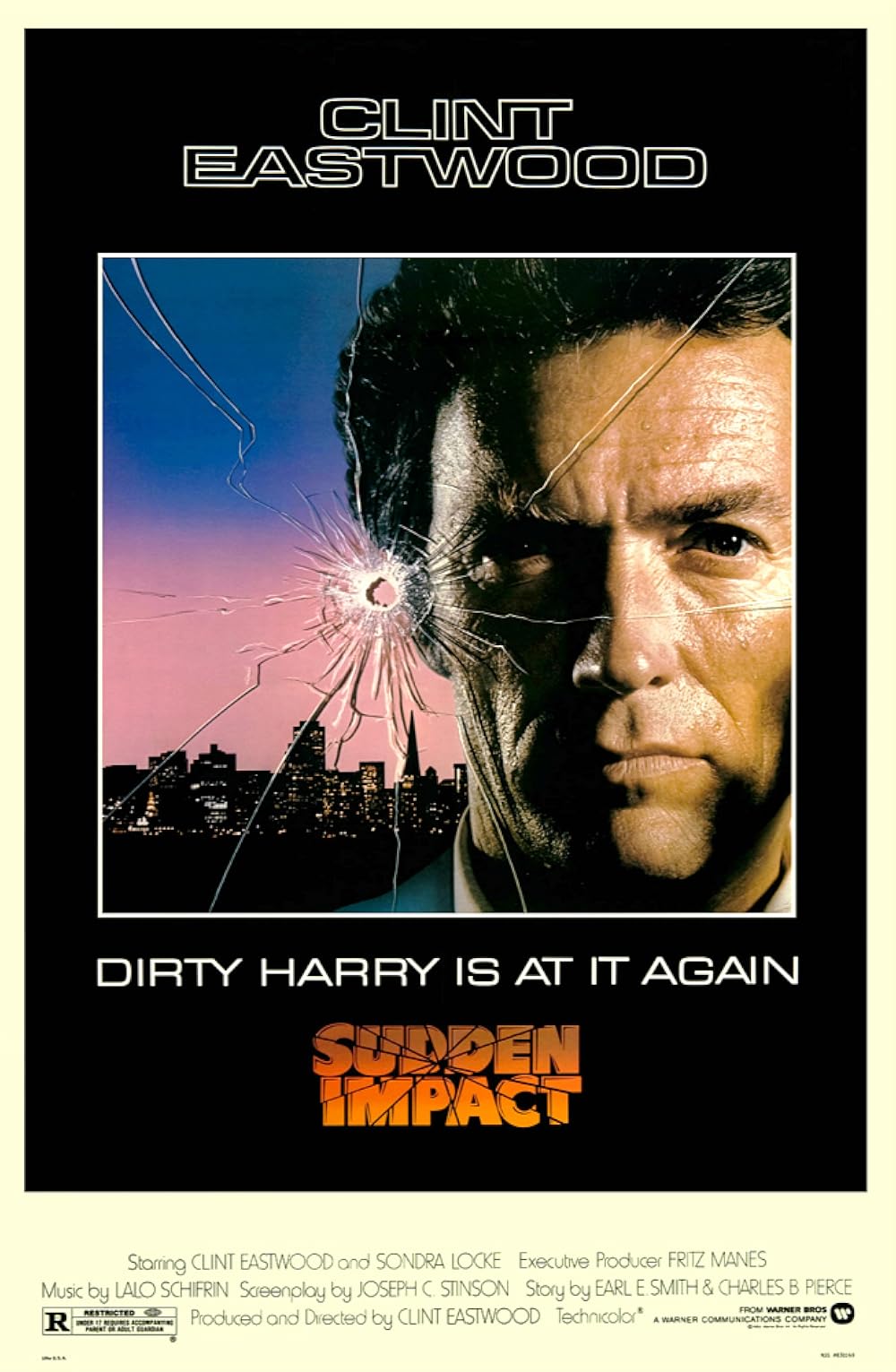
 

Sudden Impact (1983)

By Richard Winters

My Rating: 6 out of 10

4-Word Review: Harry investigates revenge killings.

Inspector Harry Callahan (Clint Eastwood) continues working in the San Francisco police department despite his perpetual disregard of proper police procedures, which gets many of the crooks that he has arrested freed due to legal technicalities. His superiors are frustrated with him, but since he does get results keeps him on the force though reassigned to the small town of San Paulo where he works with a sheriff Jennings (Pat Hingle) in hopes he’ll be less problematic. It’s there that he comes upon a case of various men being found shot to death in similar ways. This is being done by Jennifer (Sondra Locke) an artist in residence who 10 years earlier was raped along with her younger sister by a group of men and now she’s out to get her revenge by killing them off one-by-one. Harry is starting to piece together the clues but is surprised that Jennings is reluctant to follow-up on them giving him the impression that the sheriff may have something to hide.

The story is based on a script written by Charles B. Pierce better known for his rural horror movies from the 70’s that were shot in Arkansas and loosely based off of real events like The Town that Dreaded Sundown. This was meant to be a starring vehicle for Locke, but when Eastwood decided to renew the franchise after several years of dormancy, he felt the plotline here would be a good fit for the next Dirty Harry movie and thus hired Joseph Stinson to revise it.

The result is a mish-mash that’s never quite as compelling as it should. For the majority of the runtime Eastwood’s heroics and Locke’s crimes are working in a parallel universe and not connected making it seem like two different movies. Harry’s non-stop shootouts with crooks becomes redundant and cartoonish while Locke’s killings and flashbacks make it too reminiscent of other better-known films like I Spit on Your Grave and Death Wish. The bad guys are caricatures to the extreme making their moments boring and predictable. If the violence wasn’t so over-the-top you’d be convinced, like critic Pauline Kael mentioned in her review, that this thing was meant to be a parody.

Locke and Eastwood are both good and this is the last film that they did together as a couple before their break-up. In Locke’s case I liked how her cynical and brash persona mixes with Eastwood’s brooding and quiet one. Eastwood speaks more here than in the previous entries, but the character doesn’t seem to be evolving. The opening scene inside a courtroom where Harry is shocked to learn that the criminals he apprehended will be set free because he didn’t get a search warrant seemed ridiculous as after being on the force for so many years, and going through the exact same predicaments in the earlier films, that you’d think by now he’d learn his lesson and do things that conform within the legal framework, or at the very least not be so surprised when a judge sees it differently. The number of near-death shootouts he goes through is exhausting making me wonder how he maintained his mental state and didn’t take the vacation time when he’s asked even if he’s ‘not up for it’.

My biggest grievance though is with the structure. I really felt it would’ve worked better had it been approached as a mystery. We could’ve still seen the killings being done, but the identity of the killer would’ve been masked. Instead of Locke being an artist she could’ve been on the police force working on investigating the case and Harry could’ve started up a friendship/quasi relationship with her and at the start been impressed with her work only to slowly become aware that she was intentionally mudding the evidence. Sheriff Jennings too could’ve initially been portrayed as a ‘good guy’ with down to earth sensibilities that Harry liked and then as it progressed would his intentions become more dubious. The flashback sequences, which get interspersed throughout, could’ve instead been saved until the very end.

Spoiler Alert!

The film also continues to reveal Harry’s zig-zagging moral logic. In the first film he was all for playing outside the rules, then in the second installment he came to determine that vigilantism wasn’t the answer. Now here, by letting Locke off-the-hook and not arresting here, he’s acting like street justice is okay. It makes you wonder; is he really growing as a person and seeing things differently or simply floating along with whatever way the plotline wants?

My Rating: 6 out of 10

Released: December 9, 1983

Runtime: 1 Hour 57 Minutes

Rated R

Director: Clint Eastwood

Studio: Warner Brothers

Available: DVD, Blu-ray, Amazon Video, YouTube

Last Embrace (1979)

lastembrace

By Richard Winters

My Rating: 7 out of 10

4-Word Review: Someone wants him dead.

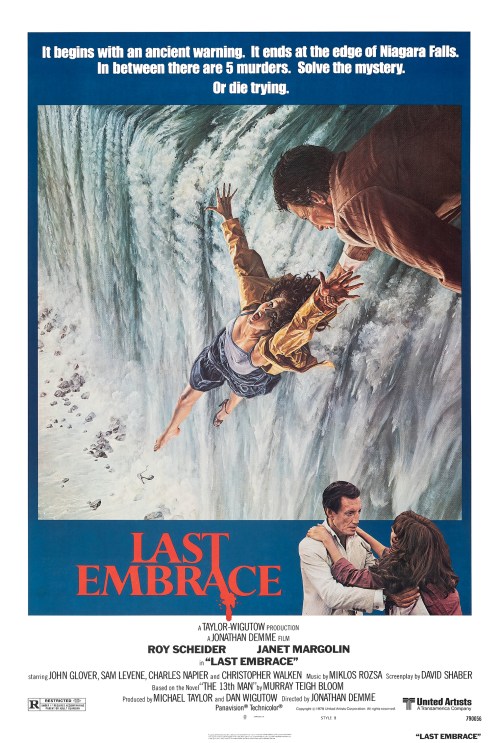
Loosely based on the novel ‘The 13th Man’ by Murray Teigh Bloom the story centers around Harry (Roy Scheider) a government agent who has a nervous breakdown after his wife gets killed during a shootout while he was on a secret mission. After spending time in a sanitarium he gets out to realize that his agency no longer has any assignments for him and he fears they may want him dead while trying to make it look like an accident. When he gets back to his apartment he finds that it’s been sublet to Ellie (Janet Margolin), a doctoral student at Princeton University. He tries to get her to move-out, but can’t and then starts to receive threatening notes in Hebrew and uses Ellie’s background in that language to help him decipher what they’re saying. Soon the two go on the run convinced that the same person after Harry may also now be targeting Ellie, but nothing is exactly as it seems.

Jonathan Demme, despite his immense talent and admirable film output, never received name recognition and for the greater part of his career failed to have a hit at the box office. In fact it wasn’t until the success of The Silence of the Lambs that he even became a sought after Hollywood commodity. Even then when most people think about that movie it’s Anthony Hopkins, or even Jodie Foster that comes to mind while Demme’s directorial efforts seem overlooked. In many of his interviews this was his biggest complaint and that no matter what he did he could never break-out of the bubble to have his name put over the title like with Spielberg, Scorssese, or Hitchcock. I could understand his frustration as his movies were step above your basic indie flick and while not perfect still had far more going for it than a usual B-picture and if anything this film should’ve been the one that got him noticed.

There’s been many Hitchcock imitations with a lot of them done by Brian Di Palma, but those seemed overdone while this one gets just the right balance. The on-location shooting is splendid with my favorite moments being at Princeton University bell tower and of course the climactic sequence at Niagara Falls. I’ve personally been to the falls, but found this movie made me feel closer and more immersed in it than in person especially with the sequences shot inside the Robert Moses Niagara Power Plant and another done in the Cave of the Winds, which is what really makes the film stand-out. The music score by Miklos Rozsa, has the perfect blend of what would’ve been used by Bernard Herrman, which was Hitch’s main composer, which helps to make this seem like a movie Hitch himself could of very well done himself.

Scheider’s acting is good as he’s constantly cranky and irritable, which anyone going through his situation would be, so it was realistic and relatable, but I really hated the white suits that he wore. For one thing the guy was out of work and no longer a professional agent, so why he felt the need to dress-up all the time when he really wasn’t on the job anymore didn’t make much sense. Why they were all white was even more head-scratching. Outside of Pat Boone I don’t know of anyone who wears a white suit and it made him stand-out in all the wrong ways. If this guy is afraid that he’s being targeted then he should be dressing down so he could then blend-in, which in this movie he definitely wasn’t.

Margolin, best known for her work in the landmark indie flick David and Lisa, is good too especially with her dual personalities where she plays a nerdy student and her alluring, sexy vamp alter ego at other points. She though was not the original choice for the part as Demme wanted Lynn Lowry, who had been in his previous film Fighting Mad, but Scheider, who was dating Margolin at the time, preferred her and studio backed him on it forcing Demme to drop Lowry, but out of guilt he still paid her and allowed her to collect residuals despite her never appearing in any of it.

Spoiler Alert!

The plot is fast-moving and well crafted and keeps you guessing while also introducing a wide array of new twists without ever getting too confusing. The final twist though, in which we find that Ellie is the one after Harry and has been murdering other men as well in a revenge plot for what Harry’s and the other men’s grandfathers did to her grandmother who was gang raped by them at age 15. The idea was to tie the Ellie character to the Biblical avenger of Goel, which sounds cool, but ultimately an overreach. Had Ellie been raped directly by these men then I could see her going out of her way to seek rough justice, but doing it all for a grandmother she barely knew just didn’t seem all that believable. Also, how does this then ‘right the wrong’ by taking vengeance out on the grandchildren of the men who committed the actual crime? The grand kids had no control over what their grandparents did and weren’t even around when it happened, so how is any of this fair, or even make sense?

A better way to have ended it was to have Ellie portrayed as being a crazy kook going after these men due to a belief in some conspiracy theory only for the viewer to finally realize that she was an actual rape victim and Scheider, who we thought was this good guy, was instead the villain. Since she was raped at 15 her features could’ve changed, which would thus explain why Scheider didn’t recognize her initially. With a movie so compelled to have one twist after the other, this would’ve been the ultimate jaw-dropper. It’s just a shame they hadn’t chosen this route as the film, as slick as it is most of the way, leaves the viewer with an empty feeling after it’s over.

My Rating: 7 out of 10

Released: May 4, 1979

Runtime: 1 Hour 42 Minutes

Rated PG

Director: Jonathan Demme

Studio: United Artists

Available: DVD, Blu-ray, Tubi

Rapists at Dawn (1978)

rapists1

By Richard Winters

My Rating: 7 out of 10

4-Word Review: Teen boys assault women.

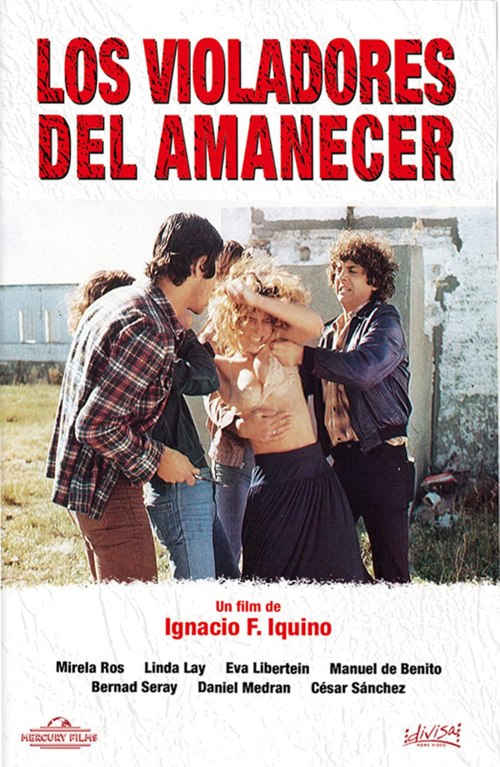
Rubiales (Manuel de Benito), Quinto (Daniel Medran), Rafi (Bernard Seray), Cana (Cesar Sanchez) and Cana’s pregnant sister Lagarta (Alicia Orozco) roam the streets of Barcelona, Spain looking for young women to assault. The boys live on the poor side of town and are from abusive home lives with little future except working boring, low paying jobs. Feeling that society has ‘discarded’ them they they take out their hostilities on the pretty women that they meet. They pick their victims at random usually as they spot them getting out of their cars and go walking into their schools many times while in front of the victim’s family member who’ve just dropped them off. They then take the women to an isolated area and proceed to gang rape them while Lagarta acts as the look-out. The police are aware of the crimes, but seem helpless to do much about it. When they catch the boys in the act and try to arrest them the boys manage to escape making them confident that they can’t be stopped.

While films like I Spit on Your Grave and Irreversible get all the attention as being the ‘last word’ in rape movies, this one, if it was better known and more attainable, would trump those. The rapes here are graphic, prolonged and quite violent. Some will complain that it’s exploitative while others will argue that if you’re going to show rape for the violent crime that it truly is then it must be captured in all of its unpleasantness and toning it down for the sake of good taste does a disservice. Personally I found the brutal nature to be effective as I came away feeling really sorry for the victims, as it’s captured in such a real way you can barely see the acting and instead start to consider it more like a graphic documentary.

This movie also handles the aftermath in an interesting way by examining the debilitating effect the crime has on the victim psychologically and how they become like a different person. They’re outgoing and well-adjusted beforehand and then afterwards depressed, angry, and even ashamed. They turn sullen and anti-social to both their friends and family making it seem like they’ll never be the same again. The film also analyzes what happens when one of the women becomes pregnant, something that I don’t remember being touched upon in other rape films, and how the mother of the victim insist, due to religious reasons, that she keep the baby and not abort it, making her seem as cruel as the gang.

The thuggish boys are portrayed in an intriguing multi-dimensional way too. While they’re cocky when out and about they recoil and become like victims themselves when at home and dealing with their abusive fathers. I did like too that in their own twisted way they have ‘limits’ or  a ‘code of morality’ albeit a very weird one. A great example of this is when Lagarta becomes shocked when the boys continue to penetrate one of the victims even after she has clearly died. Normally Lagarta had no problem seeing them violently molest the women, but when one of them actually gets killed during the attack and the boys continue the assault it’s only then that she feels things have ‘gone too far’.

It’s hard to say what genre to put this one into. It’s not really a horror film as none of the women become Rambo-like by packing a big gun and going on a revenge tour against their assailants, which although emotionally satisfying isn’t realistic If anything it brings out how there are no easy answers, which makes it even more horrifying, but still thought provoking.

My Rating: 7 out of 10

Released: May 3, 1978

Runtime: 1 Hour 33 Minutes

Not Rated

Director: Ignacio Iquino

Studio: Ignacio Ferres Iquino

Available: DVD-R

The Brutes (1970)

brutes1

By Richard Winters

My Rating: 6 out of 10

4-Word Review: Two men accost woman.

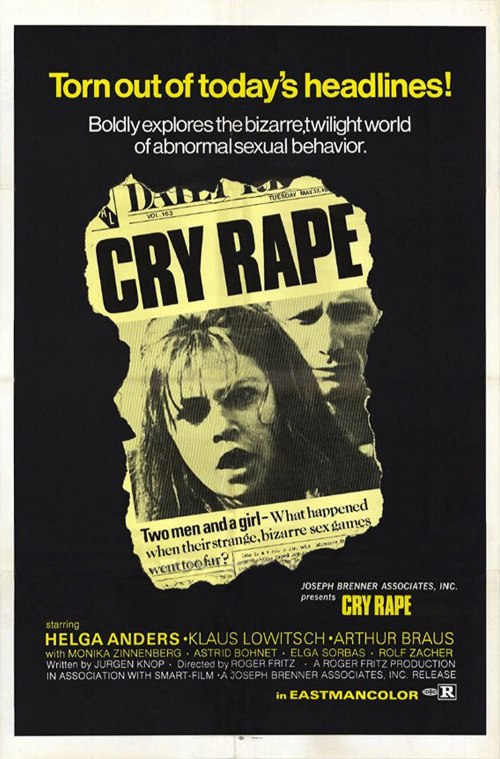
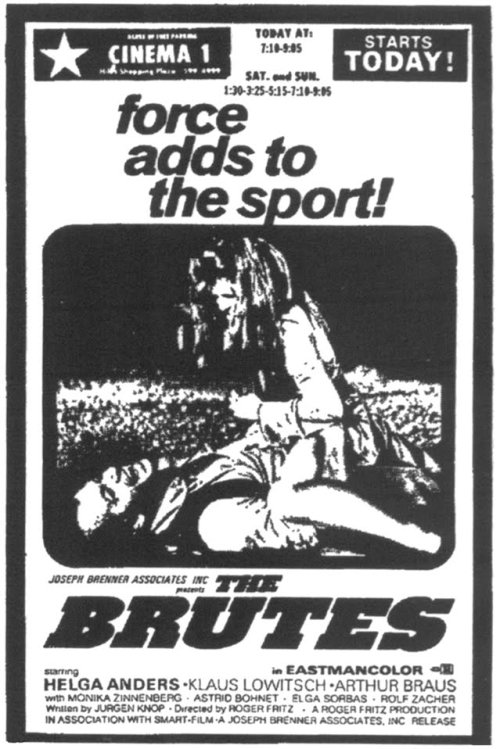
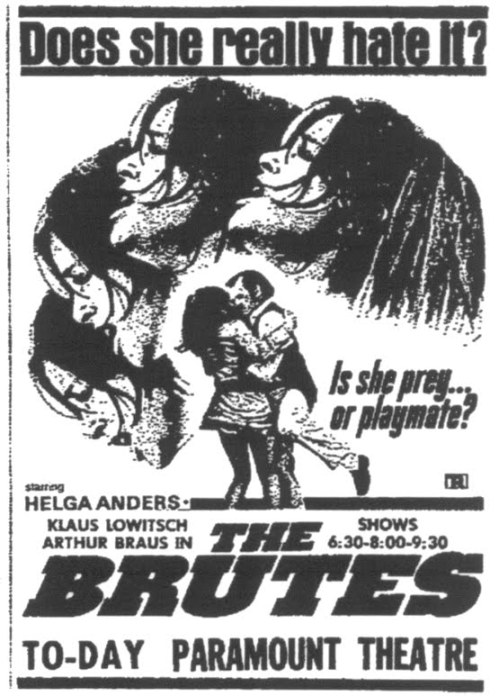
Werner (Klaus Lowitsch) and Michael (Arthur Brauss) are two friends from work who enjoy spending their weekends ‘cruising-for-chicks’. Their modus operandi is picking up prostitutes, or women at bars, and bringing them to one of their apartments where they either ‘share’ the woman, or partake in a threesome. One weekend they go go-cart racing and set their sights on attractive, young Alice (Helga Anders). They invite her into their car telling her that they want to take her for a swim at an isolated gravel pit. Once there Werner sexually assaults her. The next morning she threatens to go to the police, but the men talk her out of it only for the two to become adversaries when Michael wants to have sex with Alice, which Werner won’t allow.

While Savage Weekend is considered the very first slasher movie this film, which was shot in 1968, could be deemed the first rape/revenge movie. Like with that other film it was produced long before the ‘rules’ of the genre were established, so it takes many unique forays some of which are interesting and other ones aren’t.

It was the third of three films that actor-turned-director Roger Fritz directed with his wife Anders as the star. Anders was a model before she got int acting and he used her pretty looks for stories where her characters would engage in provocative lifestyles like group sex, or incest. This was the last in a trilogy meant to show the dark side of sexually liberated activities, but it doesn’t start to get interesting until they arrive at the gravel pit, which is more than 30-minutes in.

The two men are one dimensional and a turn-off. From the very first frame to the last they’re leering predators-at-large even in the presence of Michael’s mother. Had there been one random moment where they showed some surprising sensitivity towards something, or didn’t act in a predictable stalker way it might’ve had potential, but watching creeps behaving like non-stop creeps becomes boring and redundant.

The scenes at the gravel pit fare better simply because it’s atmospheric and the location becomes like a third character. There’s a few tense moments and the rape scene is surprisingly more graphic than I expected. The physical fight between the two is well choreographed and genuinely bloody though Michael gets hit on the head so much I thought he would’ve suffered serious head trauma and never able to get back-up like he does.

The three characters shift from being the victim at one point and the aggressor the next, which is intriguing. Michael’s long speech detailing the potentially degrading process that a female rape victim goes through when she decides to file a police report is on-target and ground-breaking since these same issues weren’t brought to the forefront until 1972 with the TV-Movies Cry Rape starring Andrea Marcovicci and two years later in A Case of Rape with Elizabeth Montgomery.

Spoiler Alert!

Ultimately though the ending stinks. The mod quality is cool especially its alternative soundtrack, but the scenario writes itself into a hole that it can’t get out of. Having the three go back to their normal lives and acting like what occurred was just a dark diversion, or even a lark with no long term ramifications doesn’t click. We needed to see how this experience changed them, which isn’t addressed and thus makes the whole concept placid and forgettable.

brutes2

brutes4

Alternative Title: Cry Rape

My Rating: 6 out of 10

Released: February 19, 1970

Runtime: 1 Hour 38 Minutes

Rated R

Director: Roger Fritz

Studio: Roger Fritz Film Productions

Available: DVD-R (German with English Subtitles) (j4hi.com)

The Track (1975)

track3

By Richard Winters

My Rating: 9 out of 10

4-Word Review: Hunters chase down woman.

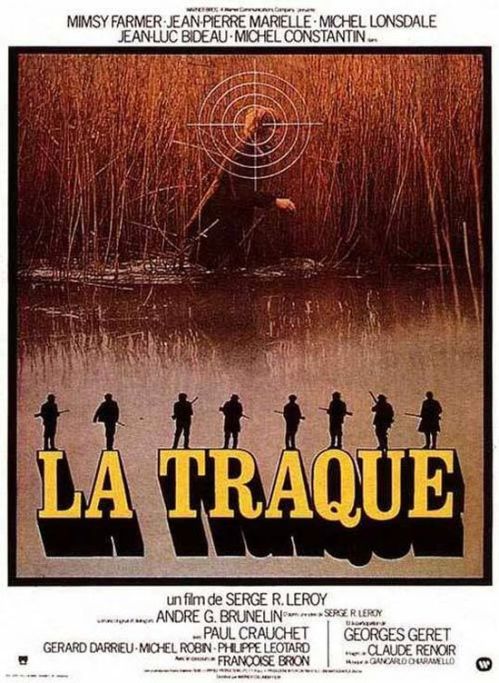
Helen (Mimsy Farmer) is an American who has traveled to rural France in order to teach at a local university. At the train station she meets Philippe (Jean-Luc Bideau) who agrees to take her to the isolated cottage where she is to stay. Along the way they come into contact with Philippe’s boisterous friends who drive them off the road. The men are going out for a wild pig hunt and a few of them particularly Paul (Philippe Leotard) shows a sexual interest in her, but Philippe assures her that they’re ‘harmless’. While Helen moves in to her new place the men go off on their hunt, but when she walks outside to check-out a nearby barn she again comes into contact with Paul along with his brother Albert (Jean-Pierre Marielle) and Chamond (Michel Robin). Paul uses the opportunity to rape her while Albert holds her down and Chamond acts as the lookout. As they are about to leave Helen shoots and critically injures Paul with Chamond’s gun, which he had inadvertently set down, before she goes on the run deep inside the forest. The rest of the group tries tracking her down in an attempt to negotiate some sort of deal, so she won’t go to the authorities, or silence her permanently if she still insists that she will.

Some have labeled this the French version of Straw Dogs, but I consider it much more like Deliverance. In that film you had middle-aged suburbanite males wanting to prove their ‘macho manhood’ by roughing it in the wilderness for a weekend only to find that they weren’t quite as prepared for the harsh elements as they thought. This film works in kind of the same way. The men go hunting to get in touch with their rugged side, but when forced to face tough issues, like helping a woman in distress, they succumb to group pressure and prove ultimately to be wimpy.

Unlike other films in the rape/revenge genre the main character here is shown the least. Farmer does well during the rape segment and screams and fights in a way that elicits genuine horror, but otherwise her facial expressions and mannerisms are quite one-dimensional though I was impressed with the way she did her own stunt work and forced to navigate her way through some difficult and inhospitable terrain.

The main focus is on the male characters who are fascinating and multi-faceted. The most interesting aspect is how they start-out seeming benign and domesticated only to slowly unravel into a aggressively threatening group. The segment where they kill a pig and the animal struggles after being shot will make some animal activists uncomfortable, but like with Jean Renoirs’ Rules of the Game, which had a hunting segment even more graphic than here, it does effectively illustrate that if people are willing to kill an animal for sport; how thin is the line for them to cross-over to a person?

The lack of a soundtrack is a plus. Many thrillers will have a pounding score and sometimes it works to accentuate the tension, but here the natural sounds particularly Helen’s heavy breathing as she runs through the underbrush is far more effective. There’s also no forewarning of what’s going to happen nor buildup. Everything occurs out of nowhere. Most victims who survive a crime will say the same thing that things were peaceful and normal one minute and then all hell broke loose the next.

Spoiler Alert!

The only two things I might’ve done differently had I directed was not showing the rape. As rape scenes go this one is rather mild, but my feeling was it would’ve been creepier had the viewer been in the dark about what occurred as were initially the other men. They’re told the story that the gun went off accidentally and the woman ran in a panic only for them to slowly learn the dark details later on. Having the viewer come to this realization along with the other men would’ve added an extra layer to the story versus it being spelled out.

While the ending is effectively unsettling I still wanted a denouement showing how the strains of this experience changed them, which would’ve added insight. Overall though it’s a brilliant especially for the way it reveals how some of the men considered themselves more ethical than the others only to end up being no better. Everyone likes to feel that they, or their friends, would do the right thing when put in a stressful situation and ‘be the hero’, but this movie expertly examines how that might not always be the case.

Alternate Title: La Traque

Released: May 14, 1975

Runtime: 1 Hour 32 Minutes

Not Rated

Director: Serge Leroy

Studio: Warner Brothers

Available: DVD-R (French with English Subtitles) (dvdlady.com, jfhi.com)

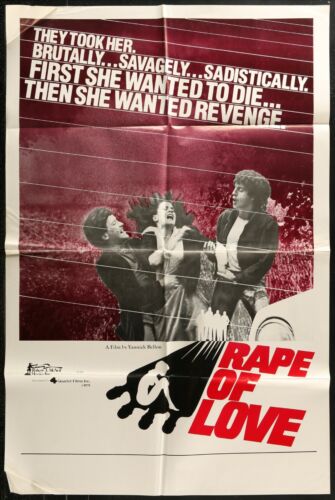
Rape of Love (1978)

rape1

By Richard Winters

My Rating: 7 out of 10

4-Word Review: Assault victim seeks justice.

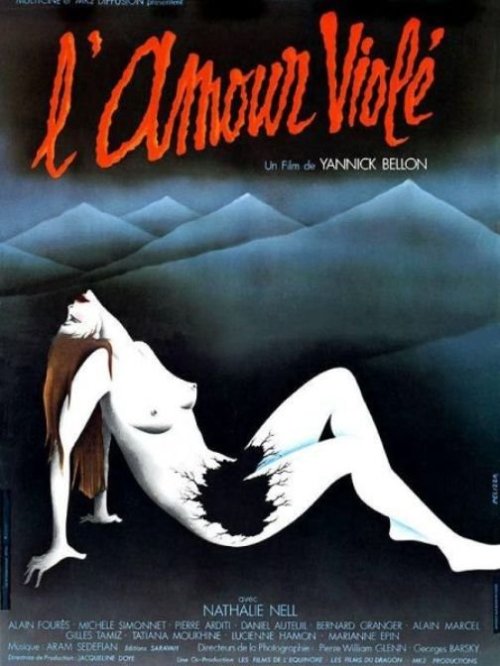
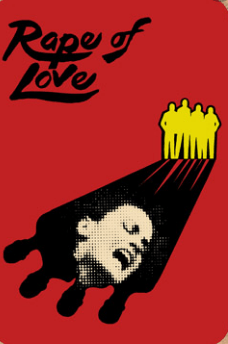
Nicole (Nathalie Nell), a young nurse, goes bike riding one day to a friend’s house. Four men (Marco Perrin, Gilles Tamiz, Bernard Granger, Daniel Auteuil) spot her at a cafe and begin following her in a van. Once she reaches a remote area they drive her off the road and force her into the back of the van where she’s taken to a remote shed and brutally raped and humiliated. Once it’s over she’s brought back to the dark road, thrown to the pavement, and warned not to tell anyone. Initially she feels ashamed and doesn’t want to talk about it, but then while making a house call to one of her patients (Marianne Epin) she sees a picture of one of the rapists on the wall, who’s apparently a married family man living a normal life. She’s enraged that these men can go on living like nothing happened while she remains emotionally and mentally shaken. She becomes motivated to bring them to justice despite both her mother (Tatiana Moukhine) and boyfriend (Alain Foures) advising her not to.

This film was written and directed by Yannick Bellon, a feminist who had  worked on documentaries before doing this one. It bears a striking resemblance to Meir Zarchi’s I Spit on Your Grave, both were filmed around the same time and neither production was aware of the other. Bellon had wanted to make a movie about rape that didn’t sanitize it and would capture it in the most explicit and violent way possible. While Zarchi’s movie has gone on to achieve cult status this one has fallen into obscurity even though despite some flaws it’s easily the better of the two.

The rape scene is quite graphic though I was actually expecting it to go on longer. It lasts for about 10-minutes, which is just enough time to give the viewer a very raw and uncomfortable taste of the crime’s viciousness without exploiting it and then unlike with the Zarchi movie the film shifts back into a drama instead of a revenge horror flick. I liked this transition better as it gives greater depth to the characters including the rapists who aren’t shown as being one-dimensional backwoods thugs like in the other movie, but instead regular citizens who you’d think were nice guys if you didn’t know better. One scene even has them discussing at a bar what they feel would be a suitable punishment for a criminal who had committed another crime, showing how these men, as terrible as they are, still have a warped idea of morality for others.

I also liked the way it focuses on Nicole’s psychological recovery though here I felt it got a bit botched. Having her examined after the incident by a male doctor I didn’t think worked as she’d not trust a male being in that emotional state and insist instead on a female physician. She also expresses later to a friend (Michele Simonnet) that she no longer likes people to touch her even as her friend touches her while she says it, which doesn’t make much sense. She also goes right back to riding her bike even though I’d think it would take her a long time if ever before she’d do that again.

rape2

Her relationship with her boyfriend and the way they no longer have sex, which frustrates him is interesting particularly the scene where he’s shown angrily walking down the street and comes upon a prostitute. I thought the film was going to have him take his frustrations out on her and thus showing how this ‘good guy’ could be, under certain circumstances, just a violent as the rapists he hates, which could’ve brought out an insightful irony, but the film only teases the idea and eventually doesn’t go there.

The reaction of the rapist’s wife who begs Nicole not to take the case to court as it would be stripping her of a ‘fine husband’ and her kids from a ‘wonderful father’ seemed absurd. I would presume most wives would be disgusted to find out what their husbands had done and would want to leave them, or at the very least refuse to believe that they had committed it. Then again I was not living in France during the 70’s, so I can’t say I know how that culture would view rape. I know they consider affairs in a much more liberal way where it’s not always the deal-breaker like it is here, but to frame rape as just being another of his ‘flings’ seemed a bit too open-minded.

Spoiler Alert!

The climactic court battle falls flat. Having the men immediately confess to what occurred once they were questioned by the authorities didn’t seem realistic. After all she didn’t decide to press charges until 6-months later, there was no semen sample, no DNA, and no other witnesses. The men could’ve denied everything and most likely gotten-off. The film ends without the viewer finding out the verdict and never knowing how stiff their penalties were, or weren’t.

I wasn’t so keen about the boyfriend, who left Nicole once she decided to go public about the rape, coming back at the end and rekindling the romance. I felt this sent the wrong message. Sometimes when a person decides to do what they think is right then that means sacrificing everything and learning to live with it including losing friendships with people that don’t agree with what they’re doing. It’s a bridge one crosses that you can’t go back on. Having her adjust to being an independent single woman, or finding a new boyfriend that wouldn’t bail on her during her time of need would’ve been a better resolution.

rape3

My Rating: 7 out of 10

Released: January 11, 1978

Runtime: 1 Hour 55 Minutes

Not Rated

Director: Yannick Bellon

Studio: Les Films de l’Equinoxe

Available: DVD-R (French with English Subtitles) (j4hi.com)

Lolly-Madonna XXX (1973)

lolly3

By Richard Winters

My Rating: 3 out of 10

4-Word Review: Two rural families feud.

Rod Steiger is the patriarch of the Feather family while Robert Ryan heads the Gutshall household. Both families live next to each other in poor ramshackle shacks in rural Tennessee. Neither side gets along and both will occasionally play tricks on the other in order to try and get the upper-hand. One day the Gutshall boys send a letter to the Feathers signed by a Lolly Madonna even though that woman doesn’t really exist and was created to get the Feathers away from their whiskey still so the Gutshalls could destroy it. However, two of the Feather boys, Thrush and Hawk (Scott Wilson, Ed Lauter) spot Ronnie (Season Hubley) sitting at a bus stop in town and think that she’s the mysterious Lolly, so they kidnap her and bring her back to their farm where they hold her hostage. The Gutshalls see them bring in this new girl, but have no idea who she is, so the Gutshall’s daughter Sister E (Joan Goodfellow) sneaks over to the Feather residence to spy on them, but gets accosted and raped by Thrush and Hawk in the process. Now the Gutshalls feel the Feathers need to pay a price and both factions go to war, which causes several casualties.

The screenplay was written by Sue Grafton, better known for her later mystery novels, and based on her book ‘The Lolly-Madonna War’, which was published in the United Kingdom, but never in the U.S. Supposedly the story is a metaphor for the Vietnam War and the horrible destruction of violence, but trying to make a profound statement through the follies of a bunch of stereotyped hillbillies doesn’t work. For one thing they live in homes that look like they were abandoned 30 years ago and drive in rusted pick-ups that seem taken straight out of the junkyard. I realize poor people can’t all live in nice homes or drive fancy cars, but most can at least maintain them a bit better. Also, neither family owns a telephone, but they do have electricity, a refrigerator and even a TV, so if they can have all of those things then why not a telephone too?

Hubley’s character has no real purpose in the story as the Gutshall’s daughter could’ve been raped for a variety of reasons without any stranger needing to be present. She doesn’t do much when she’s there anyways except sit quietly in the background and observe the feuding. Having her fall madly in love with one of the boys, played by Jeff Bridges, and grieve openly when Hawk, the same man who violently kidnapped her just a day earlier, gets injured seems too rushed and out-of-whack to be believable. I’m well aware of the Stockholm Syndrome where victims can over a great deal of time fall for their captors, but this takes that concept to a ridiculous new level.

Despite being top-billed Steiger is seen very little, especially during the first hour and he’s not allowed to chew-up the scenery like he usually does though watching him make a ham sandwich where he applies a massive amount of ketchup is fun. Bridges pretty much takes over things by the end, but for the most part no one actor, despite the plethora of well-known faces, headlines here and if anything they’re all wasted by being locked into roles that are caricatures and indistinguishable from the others.

The pace is slow with an inordinate amount of talking that over explains things that the viewer could’ve picked up on visually. When the action does occur, like the death of Bridges’ first wife, played by Kathy Watts, it comes off as corny. The animal lovers will not like the scene where Steiger shoots a horse looped together from several different angles and in slow-motion, nor the segment where pigs get tied to a post and scream in panic as a ring of fire gets set around them. The final shootout though is the biggest letdown as the film fades-out before it’s over, so we really never know who survives it and who doesn’t.

Fred Myrow’s haunting score is the only thing that I liked, but everything else falls flat. If you’re looking for a movie with a anti-war/anti-violence message there are hundreds of others to choose from that do it way better.

My Rating: 3 out of 10

Released: February 21, 1973

Runtime: 1 Hour 45 Minutes

Rated PG

Director: Richard C. Sarafian

Studio: MGM

Available: DVD-R (Warner Archive), Amazon Video, YouTube

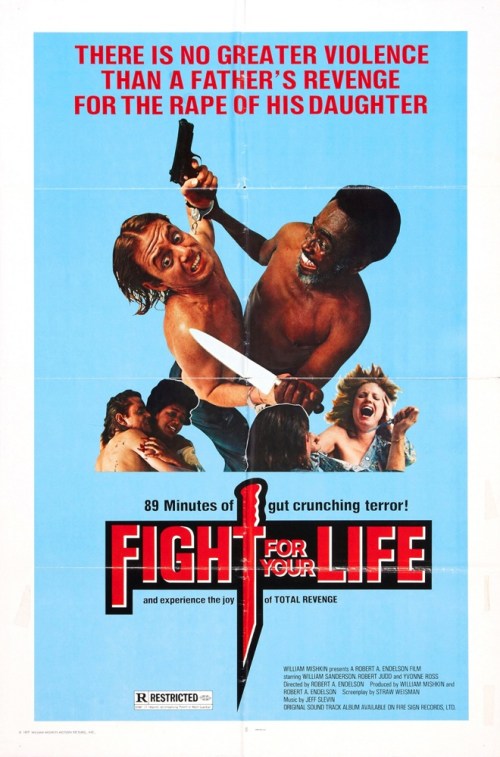
Fight for Your Life (1977)

By Richard Winters

My Rating: 4 out of 10

4-Word Review: Racist thugs terrorize family.

Three escaped convicts (William Sanderson, Daniel Faraldo, Peter Yoshida) find an isolated home in a woodsy are of upstate New York where they barge in on a black family headed by Reverend Turner (Robert Judd).  Jessie, the gang’s leader, is quite racist and uses the opportunity to spew out his hateful side forcing the home’s occupants, particularly the father, to do all sorts of humiliating things all to the amusement of the three men, but the family remains stoic determined to turn-the-tables on their captors the moment they get their chance.

The film could best be described as a variation on the Last House on the Left theme and in some ways does it much better. There’s none of the campy ‘comic relief’ humor here that almost ruined that one and the film is unrelentingly violent and grim. So many exploitation flicks from the 70’s would usually sell-out and never be half as provocative as advertised, but on that regard this movie delivers in ways that would still be considered jaw-dropping today and most likely not have any chance in this modern PC-era of getting filmed.

However, with that said, it’s still quite obnoxious and even repulsive to watch. There seems to be no other reason to have made this then to shock and appall and I’m genuinely surprised why anyone would’ve agreed to act in this particularly the black performers, who get forced to go through some truly tasteless and degrading acts.

The directing at times comes off as amateurish. It’s supposed to take place in the fall with leaves having turned color and almost fully off the trees, which is what we see when the thug’s car pulls up to a toll booth on a cloudy day and yet when the camera cuts to show the car leaving the toll booth the sky is now sunny and full green foliage on all of the trees. The music is also too loud, gets in the way of the action where natural ambience would’ve created more tension, and seems like a soundtrack better suited for a blaxploitation flick.

I wasn’t real happy with Sanderson’s presence either. Don’t get me wrong, he’s a gifted character actor, who’s best known for having played Larry in the ‘Newhart’ TV-show where he’d enter every scene by introducing himself as well as his two brothers named Darryl. In the comic realm as a backwoods hick his accent and talents are perfect, but here I could never take him seriously. His voice is too high pitched to be menacing and his wiry physique isn’t imposing. This might’ve been the intention at showing how without a gun he wasn’t much of man, but for the film to be truly scary there needed to be someone with a very intimidating look running the show.

Spoiler Alert!

The ending just about destroys what little potential this production had as it features an entire police force coming to the home, but instead of rescuing the occupants they choose to instead just stand outside and do nothing even as two of the women get raped. Supposedly this wasn’t for racist reasons, but more because they feared the victims might accidently get killed should they rush in to save them, but what’s the use fitting a police department with weapons and training if they’re going to be too timid to use it when they need to?

The idea that the black family would become aware that the police where outside, but stall them simply so they could enact their own revenge on the bad guys was too much of an overreach. The ending would’ve worked better, and been more believable, had the police not arrived at all and thus forcing the victims to use their own wits and ingenuity to overtake the brutes and then allowing their anger to spill over causing them to become far more vindictive than anyone could’ve imagined.

My Rating: 4 out of 10

Released: October 1, 1977

Runtime: 1 Hour 26 Minutes

Rated R

Director: Robert A. Endelson

Studio: William Mishkin Motion Pictures

Available: DVD, Amazon Video, YouTube

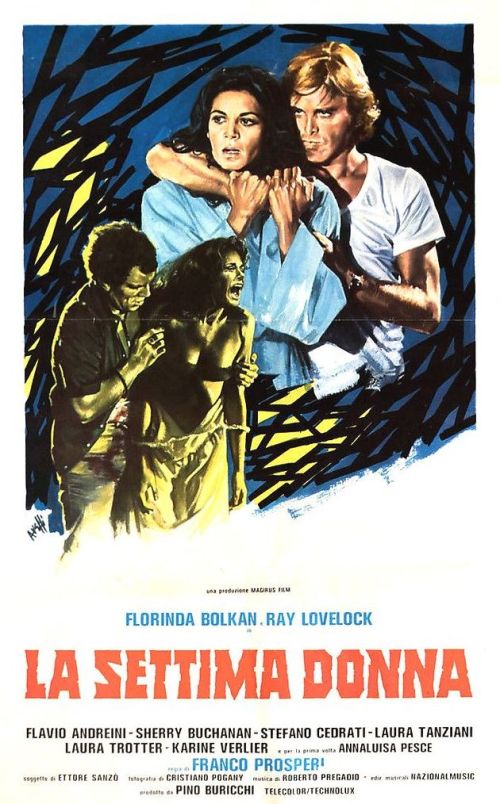
The Last House on the Beach (1978)

By Richard Winters

My Rating: 7 out of 10

4-Word Review: Robbers hold nun hostage.

Aldo (Ray Lovelock) leads a gang of three robbers who stage a bank robbery in broad daylight, but things go wrong and lives get lost. During the getaway their car breaks down and they’re forced to hideout in a nearby home that sits next to a beach. Inside the home is Sister Christina (Florinda Bolkan) a nun who takes in wayward teen girls and helps them find their way. She was in the middle of rehearsing a play with them when the men break-in. The thugs soon takeover, raping two of them while terrorizing the rest. At first the women are compliant, feeling they have no other choice, but eventually they decide they’ve had enough and turn-the-tables on their captors.

While this film will initially come-off as just another Last House on the Left rip-off the production values are much better than most American low budget cheapies and the location quite scenic. The place didn’t look like any type of religious school to me and more like an ocean front pad for a rich person, it was more than likely the home of one of the film’s producers who decided to use it in place of a real school to save money, but the setting ultimately still works. Too many other horror movies feel the need to go for the cliché, like having things take place at night in some abandoned building, or rundown home, so having it work against this is a refreshing change. In some ways it makes it even scarier because it shows that bad things can happen even in the affluent suburbs and that nobody is truly immune from crime and violence.

I liked the way the bad guys were all good-looking too especially Aldo whose face could be on the cover of  teen heartthrob magazine. Again, other horror films feel the need to make the killer look menacing, disfigured, or creepy in some way, but working against this stereotype makes it more unsettling by showing that anyone can harbor evil. The women are all good-looking too with great figures, but in this regard it doesn’t work as it didn’t seem realistic that only women who looked like models would join this school and there needed to be at least one plain-looking, overweight one to give it balance.

The set-up happens a bit too quickly. It would’ve been more frightening if things had been shown at the start from the women’s perspective, rehearsing for the play, and then having these robbers burst in unannounced versus showing the robbery, which ends up getting reshown through flashback later on anyways, and everything from the men’s perspective. Horror works when there’s a surprise and in that regard this film misses a prime opportunity early on.

However, once it kicks in I was surprised how compelling it was. There isn’t a lot of violence, but when there is it’s bloody and pretty graphic, even the injury that one of them receives (Stefano Cedrati) looks quite realistic, and shown close-up, and I liked how this becomes and on-going part of the plot and doesn’t just magically heal and get forgotten.

The film also features two prolonged rape segments with the first one done in slow motion. Some may say this is exploiting the situation, but ultimately it ends up making it even more unsettling. The second rape  is equally disturbing as it features a woman (Sherry Buchanan) being violated by a wooden cane and done from her point-of-view.

Spoiler Alert!

The ending for me was the best part. Rape and revenge flicks have been done a lot and there’s also been films like Straw Dogs where a wimpy guy ultimately turns violent through necessity, but this film does it better than those. Seeing the angry looks on the once tranquil women’s faces as they take turns beating the man to death was actually pretty shocking as you’re not quite expecting it. It successfully hits-home the fact that anyone can be provoked into violence even those that deny they have that ability and gets the viewer to realize they harbor that tendency too since these guys were so vile you actually end-up enjoying seeing their comeuppance.

Alternate Title: La Settima Donna

My Rating: 7 out of 10

Released: April 20, 1978

Runtime: 1 Hour 26 Minutes

Not Rated

Director: Francesco Prosperi

Studio: Magirus Film

Available: DVD, Amazon Video