Category Archives: Foreign Films

The Walking Stick (1970)

walking-stick

By Richard Winters

My Rating: 4 out of 10

4-Word Review: Polio victim becomes pawn.

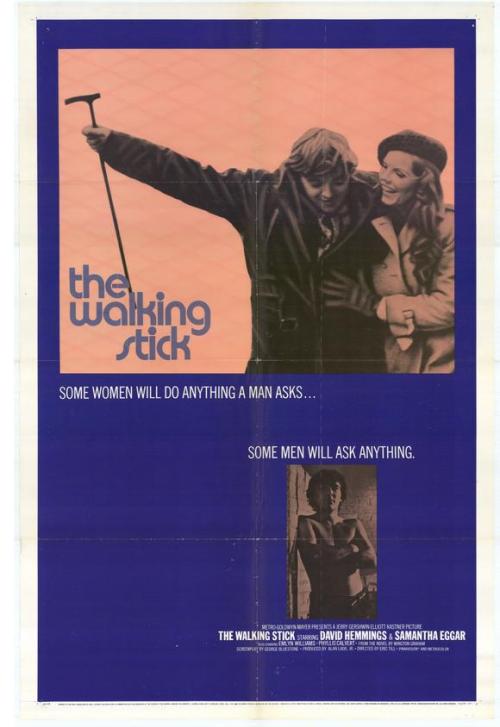
Deborah (Samantha Eggar) is a shy, lonely woman who suffered from polio as a young girl and now must rely on the use of a cane to get around. She still lives with her parents while suffering from claustrophobic tendencies due to being locked inside an iron lung as a child. She meets Leigh (David Hemmings) a struggling artist at a party and he asks her out. Initially she resists his advances, but eventually gives in. The two form a tight bound and even move in together, but her fairytale romance is short-lived once she realizes that she’s been pegged as a pawn and simply used by his gang for her inside knowledge of the auction house where she works to pull off a daring robbery.

The film, which is based on the novel by Winston Graham, is quite leisurely paced. To a degree I didn’t find this to be a problem as it still managed to hold my interest, but too much time is spent on the romance making it seem more like a drama.

The robbery and its planning doesn’t come into play until well over an hour in and seems like a whole different movie altogether. Certain hints should’ve been brought in from the beginning to make it clear to the viewer that despite all the romance this was still meant to be a thriller, which is just not obvious at all. The crime scenes do at least provide some action and quick edits, which normally would’ve made it exciting, but because it takes so long to get there it comes off as off-putting instead. The intended tension doesn’t work because we are less concerned if Leigh and his gang are going to get away with it and more upset at seeing Deborah being taken advantage of.

Eggar gives an outstanding performance and seeing this normally effervescent woman wearing a perpetual frown seemed almost startling, but she conveys her characters inner unhappiness quite well and mostly through her facial expressions alone. However, her character is also quite cold and acerbic. To a degree this is understandable as it’s clearly just a defense, but the viewer never sees enough of her softer side and therefore doesn’t emotional bond with her as they should.

Hemming’s more outgoing personality creates a nice contrast to Eggar’s introverted one, but his character is pretty benign. Dudley Sutton who plays his cohort would’ve made a better boyfriend as he is good at showing a dark side and would’ve kept the viewer more on edge.

The ending doesn’t provide any type of clear wrap-up and leaves a lot of loose ends hanging, which is a pity. The production values are decent and I liked the flashback scenes showing Debora being put into an iron lung, which is the film’s best cinematic moments, but the pace needed to be tighter with more emphasis placed on the story’s twists and turns.

My Rating: 4 out of 10

Released: April 15, 1970

Runtime: 1Hour 41Minutes

Rated GP

Director: Eric Till

Studio: MGM

Available: DVD-R (Warner Archive), Amazon Instant Video
The Cars That Ate Paris (1974)

cars-ate-paris-1

By Richard Winters

My Rating: 7 out of 10

4-Word Review: Lots of car accidents.

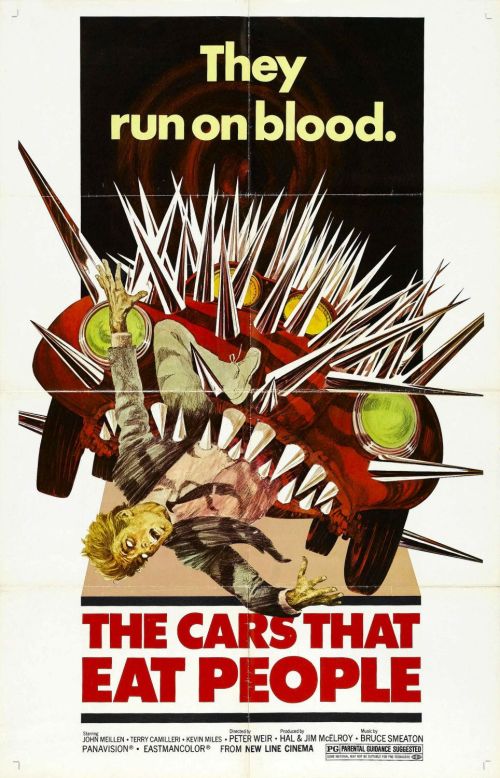
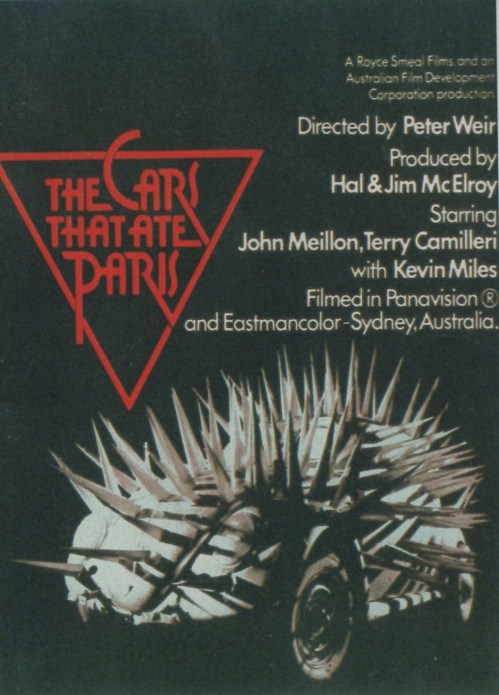
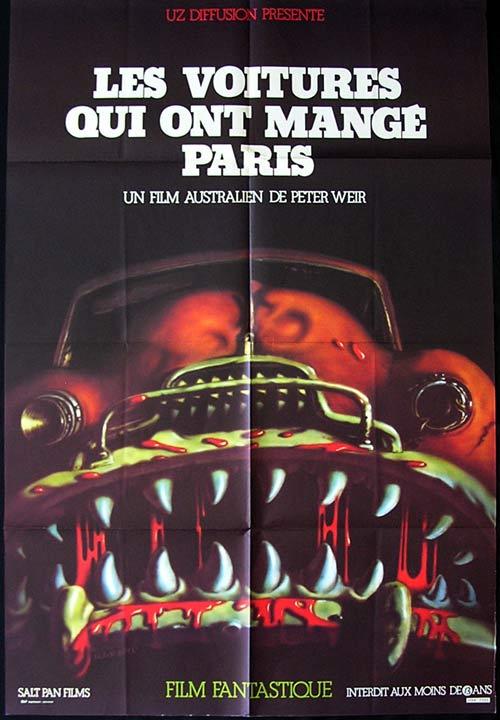
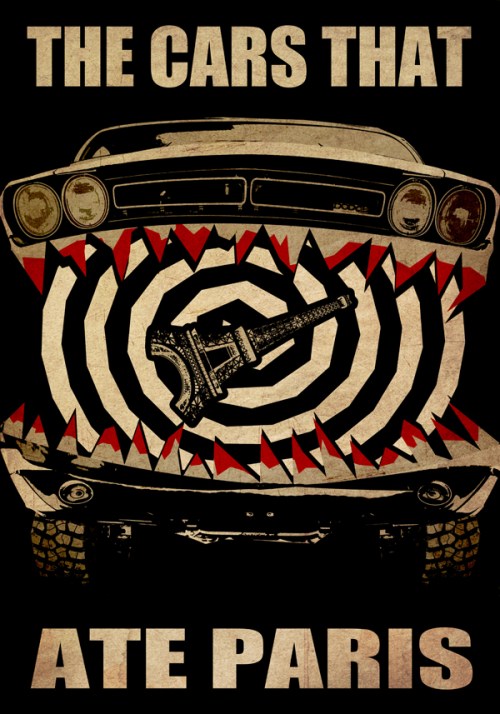
The residents of a poor Australian town known as Paris come up with a scheme to cause car accidents to those traveling through it which will allow them to salvage what’s left of the vehicle and resell it for goods or cash.  Things go smoothly for a while until Arthur (Terry Camilleri) and his brother George (Rick Scully) become victims to one these ‘accidents’. George dies, but Arthur survives and is too traumatized to get back into a car again or leave town. He takes up residence with the town’s mayor (John Meillon) who gets him a job as a parking enforcer, which causes problems when Arthur gives a citation to some rowdy young people who do not take kindly to this and seek a violent revenge.

This decidedly odd story marks director Peter Weir’s feature film debut and it’s hard to know what genre to place it into. Originally it was intended as a wacky comedy, but then dark elements were added in. Eventually it was distributed as a horror film, but it didn’t do well at the box office, so it was reissued as an art film and only fared slightly better. The film has managed to obtain a cult following and the story is original with funny moments, but the unexpectedly gory ending could leave some viewers cold as it did when it was first screened at the Cannes Film Festival back in ‘74.

cars-ate-paris-2

One of the best things about the movie is the casting of Camilleri in the lead. He’s very soft-spoken and has an almost transparent demeanor, which helps heighten the interest because you become intrigued at seeing how this schmuck is going to potentially take down this small town criminal organization, which would’ve been fun, but unfortunately the plot doesn’t get played-out in quite that way.

Meillon is solid as the mayor and I enjoyed seeing how his character puts up this calm façade while simultaneously trying to bottle up all the tension that he has inside. Bruce Spence is effective as the town crazy as well as Chris Haywood playing an average-joe who seems quite benign and good-natured at the beginning only to become increasingly more menacing as the film progresses.

The entire movie was shot on-location in Sofala, New South Wales which has a population of only 208 people and quite possibly the narrowest main street of any town in the world. Weir captures its rundown look well and helps convey how poor and isolated the residents were, which allows the viewer to understand why the people resorted to such desperate measures. However, I didn’t like how these same people immediately flee the town the minute the young adults get out-of-control. People who’ve lived somewhere all their lives become emotionally bonded to it and will not move the moment something goes wrong. They would try to control the threat if they could and only up-and-leave months or years later if they had to. Besides where would these people go as they had no money and limited job skills.

If you’re into offbeat comedy then this one may do for a slow evening although those looking for something in the horror vein will be disappointed.

cars-ate-paris-3

cars-ate-paris-4

My Rating: 7 out of 10

Released: October 10, 1974

Runtime: 1Hour 31Minutes

Rated PG

Director: Peter Weir

Studio: The Australian Film Corporation

Available: DVD

Persona (1966)

persona-1

By Richard Winters

My Rating: 9 out of 10

4-Word Review: Two women become one.

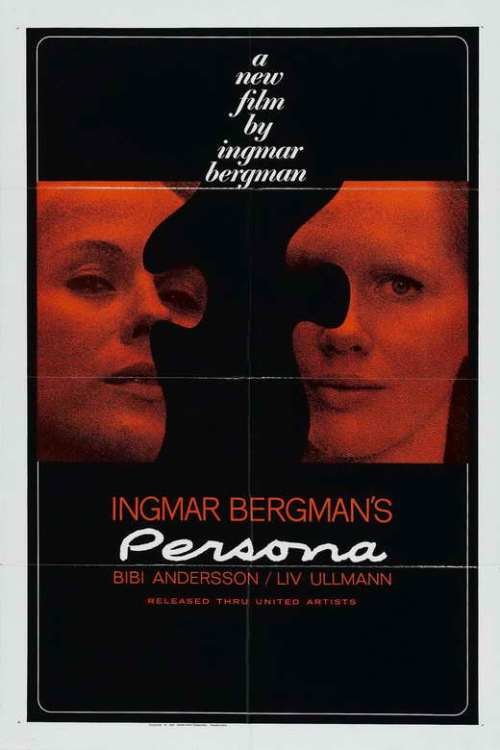
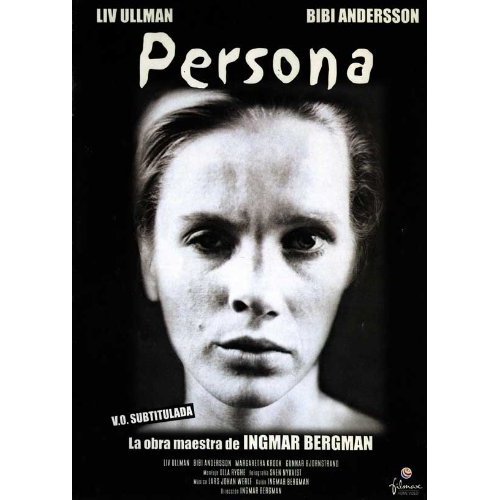
Elisabet (Liv Ullmann) is a famous stage actress who one day decides to quit speaking. Alma (Bibi Andersson) is a nurse at a mental hospital in charge of trying to get Elisabet to talk again, but her efforts prove futile, so the hospital administrator (Margaretha Krook) offers the two her island cottage hoping the quiet, secluded locale will prove more beneficial. As the days wear on Alma begins seeing Elisabet less as a patient and more like a therapist and divulges secrets about her life to her, which causes Alma to feel quite close to Elisabet and treat her almost like a confidant. Then she reads a letter that Elisabet has written where she describes Alma in a condescending way, which creates tension between the two that eventually spills over into a long ongoing confrontation.

This film was considered for many years to be one of the most bizarre and shocking movies ever made and this is mainly due to the strange and eclectic mix of images that gets shown at the beginning. Visions of a lamb being slaughtered, a nail getting pounded into a hand and a close-up of an erect penis flash before the screen while later there is even stock footage of a man setting himself on fire and moments where the film itself gets a hole burned through it.

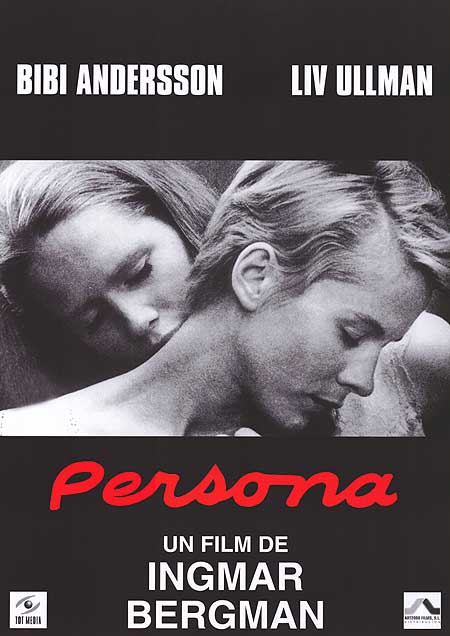
For me the more subtle moments is what I enjoyed with my favorite scene being the one that occurs in the early morning hours when Elisabet quietly walks into Alma’s room as she sleeps while we hear the distant sound of a boat horn blowing in the background. The shot where the left side of Elisabet’s face gets superimposed next to the right side of Alma’s is also quite amazing.

persona-2

There have been many interpretations through the years over what this film’s ultimate message is. For me it shows how we are more alike than different and how what bonds two people to each may not always be readily apparent and might be something that comes out much later after initially seeming like they are two opposites. I also think it is a great examination at how fragile and interchangeable societal roles can be where someone can seem like the stronger one at one point only to later be shown as the weaker. Alma’s emotional meltdown is the most striking especially after seeming so confident and stable at first while Elisabet’s silence is initially perceived as a rejection to the ugly world around her, but later gets exposed as being more of a rejection of herself and the selfish nature that she harbors.

Andersson, who ironically and sadly can no longer speak in real-life after suffering a debilitating stroke in 2009, gives an excellent performance and I enjoyed how her character exudes ugly emotions like jealousy, envy and even anger and yet still manages to remain likable and relatable. Ullmann has the challenge of keeping her character interesting despite saying very little, but with her ever expressive eyes she does.

The scenic locale of the Faro island where this was filmed is nice, but a patient and doctor sharing someone else’s seaside resort and treating it more like a retreat than a therapy session seemed dubious and almost enough to make anyone fake mental illness if it could get them time off to go there. There is also no explanation to Alma’s fiancée and his feelings about her staying with Elisabet and not him. The sudden arrival of Elisabet’s husband is equally confusing. I liked the scene due to the symbolism that it brings out, but I didn’t understand how he was able to find them at such a remote location especially since he appeared to be blind. The segment seems almost like a dream, which is how I had initially interpreted it when I first saw this film year’s earlier, but it’s never made clear.

On the whole though these issues prove minor and in many ways help make the film even more interesting. My only real complaint is when Alma speaks to Elisabet in regards to her child and the camera stays glued onto Elisabet’s face, which captures her increasingly pained expressions, which is great, but then the scene gets played over while showing Alma’s face as she says the exact same things again, which was too repetitious in a film that is otherwise quite brilliant and a landmark in many ways.

persona-3

My Rating: 9 out of 10

Released: October 18, 1966

Runtime: 1Hour 23Minutes

Not Rated

Director: Ingmar Bergman

Studio: United Artists

Available: DVD, Blu-ray (Criterion Collection), Amazon Instant Video
Puberty Blues (1981)

puberty-blues-2

By Richard Winters

My Rating: 6 out of 10

4-Word Review: Girls can surf too!

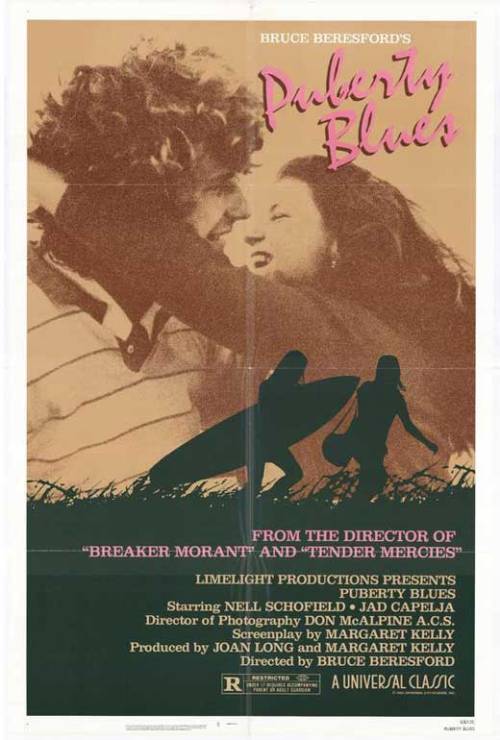
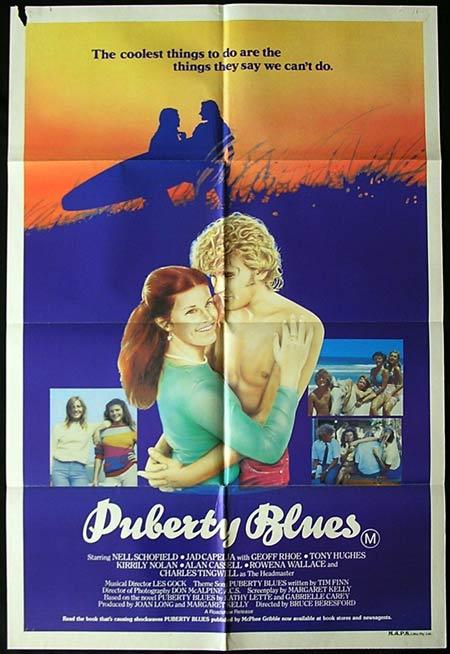
Debbie and Sue (Nell Schofield, Jad Capelja) are best friends attending high school in the south suburbs of Sydney. They desperately want to fit-in with the surfer group, but find that this means being pressured into having sex and experimenting with drugs and alcohol that starts to take its toll on both their grades and family life. When Debbie thinks she’s gotten pregnant by Gary (Geoff Rhoe) and he responds with indifference she realizes that the surfers aren’t as cool as she thought and pledges to become more independent by trying to do some surfing of her own, which she is told ‘girls can’t do’.

The film is based on the novel by Gabrielle Carey and Kathy Lette who became best friends at age 12 and at 16 began writing stories based on their high school experiences. While attending a writer’s workshop they met Margaret Kelly who worked as a writer in television and was impressed with the girl’s output. She got their stories optioned into a screenplay while the girls went on to write a weekly newspaper column under the byline of The Salami Sisters and their stories were eventually published into a novel. The big change between the movie and the novel is that in the book the girls were only 13 while in the movie it gets upped to 16 since that was Australia’s age of consent.

Director Bruce Beresford ends up tearing away the mystique from teen life in much the same way that he did to suburbia in Don’s Party, which leaves the viewer with a far more caustic take on the high school experience than the Hollywood version, which tends to play up the teen scene like it’s just one big raucous party. Here the cool kids are vapid, crass creatures who are unable to hold any type of interesting conversation. Their parties are lifeless affairs where they aimlessly sit around and get drunk because they have nothing better to do while the sex is shown to be an unpleasant experience for the girls who get pressured into doing it before they’re ready and leave feeling used afterwards.

This was more the way I remembered high school being and I was impressed with the film’s honesty, but the pace is too leisurely and not enough happens. There is some drama when Debbie thinks she is pregnant, but it takes an entire hour just to get there and a comical segment dealing with a goofy fight amongst the surfers, which was not in the book, is completely unnecessary.

The film though does have some funny bits including a scene where Debra brings her boyfriend Bruce (Jay Hackett) over to meet her parents (Kirrilly Nolan, Alan Cassell) as well as the shots showing the interior and exterior of Bruce’s van. This though gets coupled with an uncomfortable moment dealing with a homely girl (Tina Robinson Hansen) who gets tricked into getting into the guy’s van where she is forced into a gang bang before being coldly thrown onto the curb afterwards.

The best part is the ending where the girls grow in confidence and become unafraid at challenging the status quo. Seeing the shocked expressions  of the cool kids as they watch the girls get on surf boards for the first time and succeed at something they were told only guys could do is a treat and makes the rest of the film worth sitting through.

Many years later this movie spawned a TV-series as well as a special that aired in 2012 on Australian TV where Nell Schofield traveled back to the locations where the film was made. Unfortunately her costar Jad Capelja was not present as she had already killed herself in 2010 after spending years battling drug addiction and mental illness.

puberty-blues-1

My Rating: 6 out of 10

Released: December 10, 1981

Runtime: 1Hour 27Minutes

Rated R

Director: Bruce Beresford

Studio: Roadshow Film Distributors

Available: VHS, DVD (Pal Region 0), Blu-ray (Region B/2)

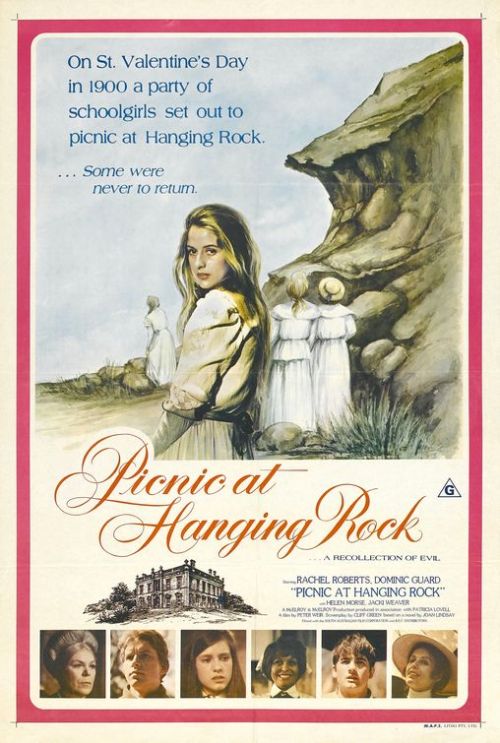
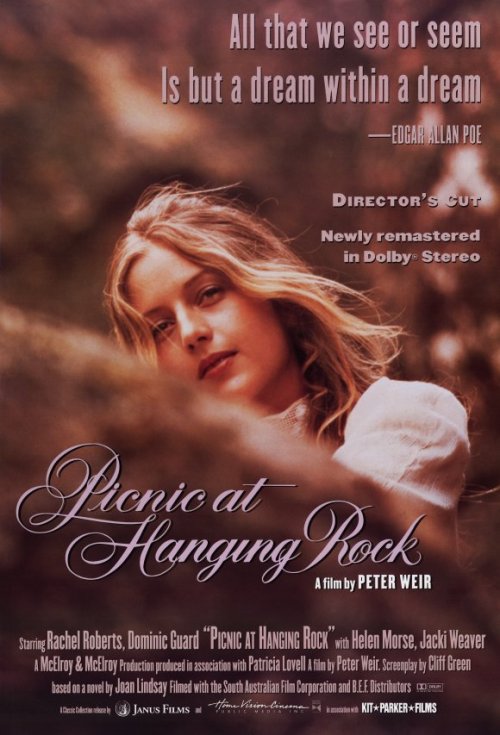
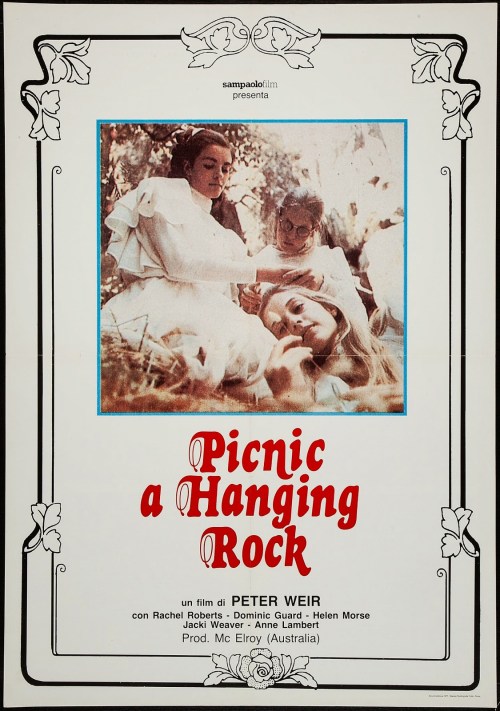
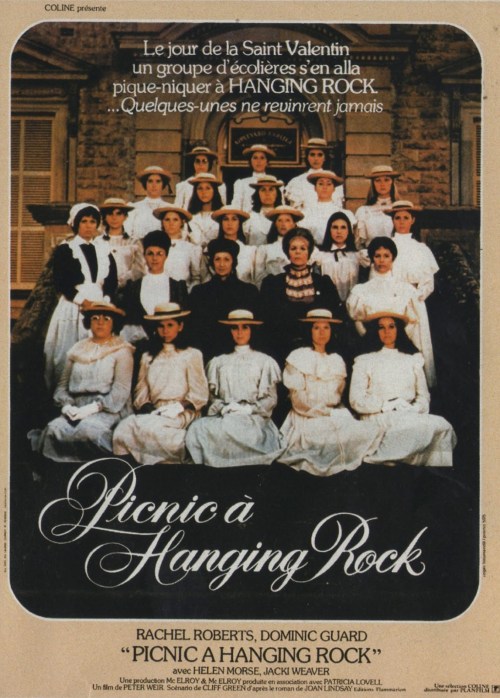
Picnic at Hanging Rock (1975)

picnic-at-hanging-rock-1

By Richard Winters

My Rating: 6 out of 10

4-Word Review: Where are the schoolgirls?

On Valentine’s Day in the year 1900 a group of Australian schoolgirls and two teachers (Vivean Gray, Helen Morse) set out to a rock formation known as Hanging Rock for a picnic. While there one of the girls named Miranda (Anne-Louise Lambert) decides to go exploring and three of the other girls follow. They proceed to climb the rocks, which frightens one of the girls (Christine Schuler) who runs back. By that evening the other three haven’t been located and a search party goes out by the local police to find them, which only leads to more questions than answers.

If one is in to mood pieces then this thing will be the perfect fit. The music and director Peter Weir’s ability to capture the rock formations in a way that makes them seem creepy and menacing is very well done. I found myself being strangely captivated most of the way while also impressed that the whole thing gets captured through a camera lens with a piece of bridal veil hung over it.

The story is based on the 1967 best-selling novel of the same name by Joan Lindsay. Despite many rumors to the effect and a follow-up novel called ‘The Murders at Hanging Rock’ this was not in any way based on a true story. Originally Lindsay wrote a resolution to the mystery that had the girls entering into some sort of time warp, but at the last minute that chapter was excised at the suggestion of her publisher, but then later published in 1987 as ‘The Secret of Hanging Rock’.

picnic-at-hanging-rock-2

The film on the other hand offers no resolution of any kind. Instead like in the book the main emphasis is on how the disappearance affects the people at the school and in the town. Rachel Roberts is a standout in this area playing the strict headmistress Mrs. Appleyard who initially comes off as quite composed and in control, but as the toll of the mystery continues her character unravels in increasingly more shocking ways, which is the film’s highlight.

Despite its cult following and the fact that it is included in the book ‘1001 Movies You Must See Before You Die’ I still came away frustrated and feeling like not enough happened to justify having to sit through two hours of viewing. On the technical end it is excellent and watching the different ways people cope and respond to the mystery is interesting, but this could’ve been played up a lot more.

Sometimes movies with vague endings are good as life doesn’t always give us nice and tidy wrap-ups, but this is one instance where it would’ve been better had there been more of a conclusion even if it had just thrown out some clues and then allowed the viewer to come to their own deductions. To some extent it does this as supernatural elements are introduced as well as the idea that it might’ve been a sexual crime, but even this is off-putting because it’s not connected to anything concrete or tangible and thus makes it all the more evasive.

Had this been based on an actual mystery, which for years is what a lot of people thought, then it would’ve been more acceptable and even fascinating, but the fact that it’s all made up hurts it and tears away the mystique that for a long time it relished under.

picnic-at-hanging-rock-3

picnic-at-hanging-rock-4

My Rating: 6 out of 10

Released: August 8, 1975

Runtime: 1Hour 47Minutes (Director’s Cut)

Rated PG

Director: Peter Weir

Studio: The Australian Film Commission

Available: DVD (Criterion Collection), Blu-ray (Region B/2), Amazon Instant Video, YouTube

picnic-5

This is a 2014 pic of Anne-Louise Lambert, who played Miranda in the film, sitting at the location of where the movie was filmed.

The Plumber (1979)

plumber 1

By Richard Winters

My Rating: 9 out of 10

4-Word Review: He destroys her bathroom.

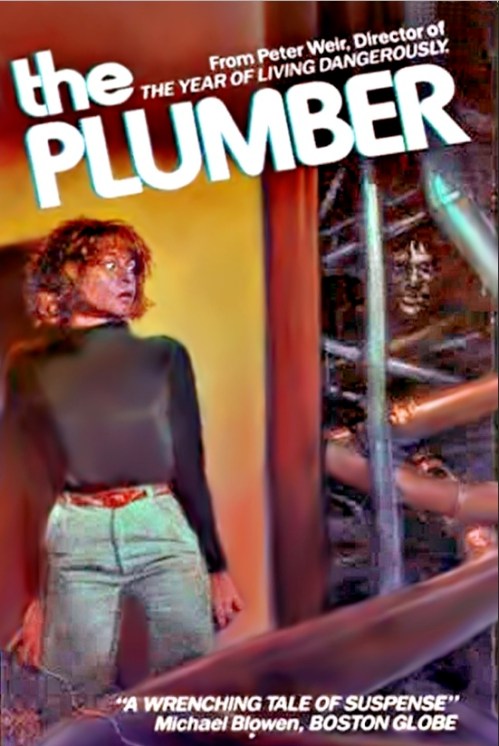
Jill (Judy Morris) works inside her cramped apartment while her husband (Robert Coleby) goes off each day to teach at a local college. She is an educated woman who spends her time writing a thesis for an anthropology paper, but finds herself at a loss when one day a talkative plumber by the name of Max (Ivar Kants) enters her place insisting he needs to check her pipes. Even though there is nothing wrong with her bathroom he proceeds to tear it up anyways while conversing with her on a wide-range of increasingly uncomfortable topics. Her husband and her best friend Meg (Candy Raymond) feel she is making a big deal out of nothing and find the plumber to be nothing more than slightly eccentric, which makes Jill feel even more powerless to Max’s increasingly odd antics.

This film is an excellent testament to what a great director can do with very little.  What appears on the surface to be a low budget, one-joke flick is instead a cleverly disguised observation of the class system and the underlying prejudices and assumptions that exist on both ends. The story playfully jumps back and forth from being a black comedy to a thriller to even a psychological study, which not only helps to make it quite original, but highly unpredictable as well.

To me the most amusing aspect about it is the way we have this super intelligent, well-educated woman who can write long dissertations involving ancient African cultures, but when it comes to people in her own environment she is at a loss and unable to know how to respond or react to a stranger who on the outside should be completely inferior to her intellectually, but routinely gets the upper hand nonetheless. Having everyone around her ambivalent to her situation simply hits home how disconnected an individual can be to their surrounding even when they think that they aren’t.

Kants gives a great performance by creating a character whose ultimate motivation is never clear. Is he intentionally trying to terrorize her or like with her bathroom just trying to tear her down? He seems to do this not so much for who she is, but for what she represents, which is fighting back at a pretentious society that he feels unfairly looks down on him.

If this film, which is based on an actual incident that occurred with a couple of director Peter Weir’s friends, has any faults it is with the location. The apartment, where the majority of the action takes place, is incredibly cramped to the point that I was surprised a film crew could’ve even fit into it. Weir tries to dress up the place with some interesting African artwork, but it still looks drab and helps to make the visual portion of the film quite boring. Having Jill reside in a ritzy home in the suburbs would’ve made more of an interesting contrast and seeing the plumber tear up her posh bathroom would’ve been even funnier.

The fact that Jill immediately opens the door and lets Max inside without asking for any identification is another issue as it comes off as being too reckless and trusting.  Granted it was made in a more innocent era and the character does expound on this later on, but it is something that will make the film seemed dated or even off-putting to today’s viewers. I was also surprised that it took Jill so long to complain to the apartment’s landlord about the plumber’s antics as most people would’ve gone to him after the very first day.

In either case this is still a highly intriguing film that I’ve seen many times and continue to find just as funny and interesting with each viewing.

My Rating: 9 out of 10

Released: June 8, 1979

Runtime: 1Hour 15Minutes

Not Rated

Director: Peter Weir

Studio: The Australian Film Commission

Available: VHS, DVD

Mad Max 2 (1981)

mad max road warrior 1

By Richard Winters

My Rating: 10 out of 10

4-Word Review: A battle for gas.

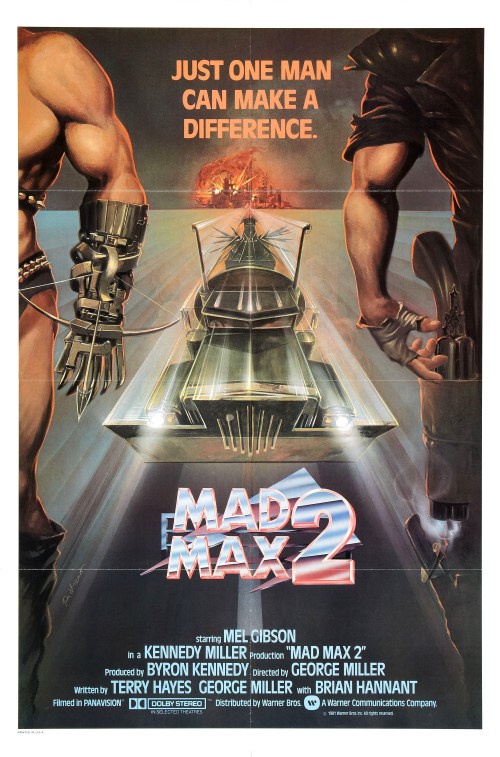
Years after a nuclear holocaust has depleted the planet former rogue cop Max (Mel Gibson) travels the scorched countryside looking for food and fuel. He meets up with a pilot (Bruce Spence) who guides him to an oil refinery that is under attack by a gang of marauders led by Lord Humungus (Kjell Nilsson). Max agrees to help out those trapped inside by driving a tanker truck carrying the fuel out of the refinery and through the makeshift gauntlet, but even he wasn’t prepared for the relentless and violent attack that awaits him.

The film is such a massive improvement over the first installment that viewers could just skip that one and go straight to this as it is far more polished and comes off like an epic while the first seemed more like a rough draft done by amateurs looking to get their feet wet. All the problems that I had with the first one get smoothed out here including a good intro that helps explain how the characters got to where they are. Dean Semler’s widescreen photography of the vast, flat desert landscape is outstanding and the violence is far more graphic, although significant portions of it were trimmed to achieve the R-rating, but it still realistically replicates the savage nature of the desperate characters living in a lawless land and willing to do whatever it takes to get what they want.

The vehicle chase at the end is one of the best ever filmed. The editing is quick with no ill-advised slow motion sequences or annoying cutaway or close-ups. The action happens just like it would in real-life where everything is split-second. The good guys don’t miraculously avoid injury or death either and in fact there’s enough bloodshed from both sides that you begin to wonder if anyone will make it, which creates far more authentic tension than most action pics. Yet what I really liked was that there were no irritating computerized effects. The vehicles used are all real with expert stunt driving and incredible stunt work that rates as some of the most dangerous ever to be tried on film.

mad max road warrior 2

The only minor letdown is the fact that Gibson’s character no longer has that clean-cut, choirboy image and is now more of the moody, clichéd loner dressed in a getup that doesn’t look much different than the bad guys. The first film had more of an interesting contrast, but here he at least gets partnered with a dog, which the producers managed to save from being euthanized, and a feral boy (Emil Minty) who has a nice ability to throw a mean metal boomerang.

Many critics at the time considered this to be the best action flick to have come out of the ‘80s, but I’d consider this to be quite possibly the best action movie ever made! Absolutely everything clicks from the first shot to the last and remains intense, exciting and gripping even after repeated viewings. However, watching it on the small screen will not do it justice and only broadcasting it in the cinema or a very large screen HD TV will do.

mad max road warrior 3

mad max road warrior 4

My Rating: 10 out of 10

Alternate Title: The Road Warrior

Released: December 24, 1981

Runtime: 1Hour 35Minutes

Rated R

Director: George Miller

Studio: Warner Brothers

Available: DVD, Blu-ray, Amazon Instant Video, YouTube

Walkabout (1971)

walkabout 1

By Richard Winters

My Rating: 7 out of 10

4-Word Review: Lost in the outback.

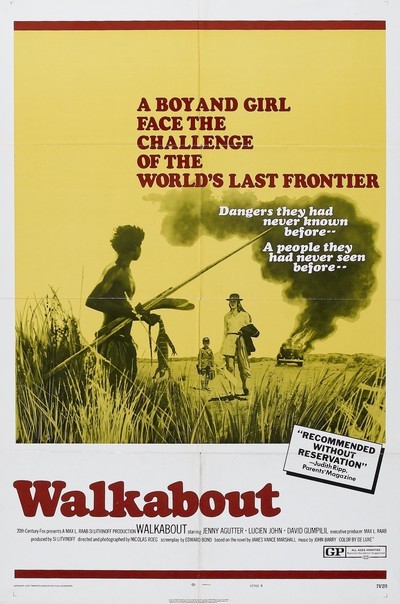
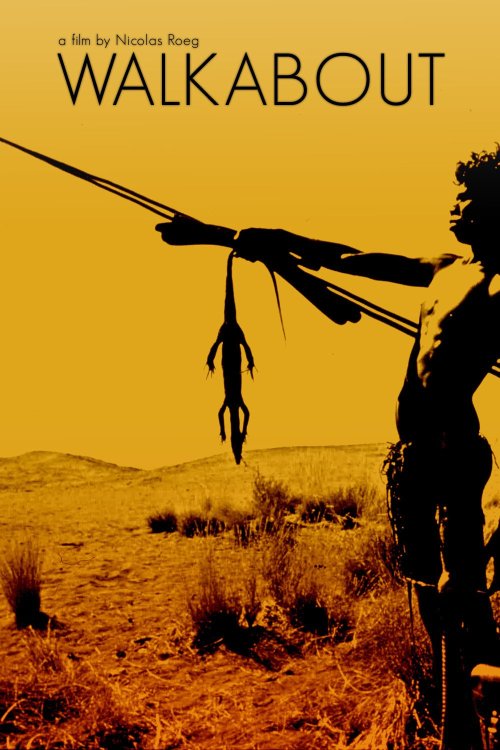
A teenage girl (Jenny Agutter) and her younger brother (Luc Roeg, but billed as Lucien John) find themselves trapped amidst the harsh climate of the Australian outback. After spending a couple of days walking in the heat they manage to come upon a watering hole, but find to their horror that it dries up overnight. Feeling almost ready to give up they spot an aborigine (David Gulpilil in his film debut) marauding through the desert as part of his walkabout where young men are cast off into the wilderness for several months as part of their journey to manhood. He helps find them water, food and shelter, but eventually the cultural differences between the three and their inability to effectively communicate become a problem.

The legendary Nicholas Roeg makes his directorial debut here and even casts his own son, who is excellent, as the 9-year-old boy.  The way the camera captures the desert by focusing on the different types of animal life and rock formations is impressive.  I also enjoyed the editing which cuts back and forth between the desert and modern civilization while examining how each are uniquely connected and commenting on how our advanced culture has made us regress and less able to survive the savage elements that our ancestors were able to.

There are also scenes of animal cruelty as the aborigine hunts a kangaroo by first injuring him and then, as the animal gives out a whimpering cry, he spears it. Later the viewer is shown scenes involving big game hunters who mow down water buffalo for sport while graphically slitting their throats.

The film was controversial for capturing Agutter, who was only 17 at the time that this was filmed, in the nude while swimming at a watering hole. The actress felt uncomfortable doing the scene and required only the minimum of the crew to be present while it was shot. To me the scene was unnecessary as it didn’t fit the character who was prim and proper and didn’t at all come off like the type of person who would suddenly become carefree and risk being spotted by the aborigine that she really didn’t know or the ‘embarrassment’ of being seen by her younger brother. The camera stays on her naked body far longer than needed and comes off like shameless voyeurism.

I had the same issue with the scene involving researchers at a weather station that resembles footage to a soft core porn flick instead as the men ogle the only woman in their group, become overtly aroused at glimpses of her bosom and in one truly absurd moment even has one of the them sucking on her finger. I realize scientists have sex drives too, but I would think they would be able to behave in a professional capacity when on the job and not act like they hadn’t gotten laid in years and like with the swimming sequence this scene has nothing to do with the main story and could’ve been cut out completely.

The presence of the radio weakens the story as well as supposedly they’re in the middle of nowhere and miles from civilization and yet somehow are able to pick up different radio stations that come in crystal clear without any static, which would mean that they must be much closer to a city than it seems and thus hurts the desolate feeling that the film otherwise tries hard to create.

Spoiler Alert!

The film is based on a 1959 novel of the same name that was written by Donald Gordon Payne under the pseudonym of James Vance Marshall. The script though differs from the book in two major ways, one of which I liked and the other I didn’t.

The first difference involves the reason for how the two children get stranded. In the book they are victims of a plane crash, but in the film it is because their father tries to kill them, which is offbeat and sends the message that this movie will be different from any you’ve seen before, which I liked. Normally I would’ve wanted an explanation for his behavior, but by keeping it a mystery it elevates the intrigue and if anything was a far more creative explanation for their predicament than the formulaic plane crash one.

However, the way the aborigine dies is ludicrous. In the book he is stricken with the flu virus that was inadvertently passed onto him by the boy, but in the movie he ends up killing himself when the girl does not respond to his attempts at courtship, which seemed excessively rash.

Rejection is a part of the human experience and transcends all cultures. Everyone will have to deal with it at some point in their lives. If everyone killed themselves the minute they are rebuffed by someone they were attracted to then virtually no one on would make it past adolescence. The idea that a normal, healthy and otherwise happy young man with no signs of mental illness, and the film does not show him as having any so we must assume that he doesn’t, would suddenly off himself over a girl he has just met and barely knew is absurd. In reality he probably would’ve just gotten frustrated and left them stranded while going back to his own tribe where I presume he’d meet other women who he’d bond better with due to being more culturally connected and most likely would’ve found more attractive anyways.

End of Spoiler Alert!

walkabout 2

My Rating: 7 out of 10

Released: July 1, 1971

Runtime: 1Hour 40Minutes

Rated R

Director: Nicholas Roeg

Studio: 20th Century Fox

Available: DVD, Blu-ray, Amazon Instant Video
Mad Max (1979)

mad max 1

By Richard Winters

My Rating: 7 out of 10

4-Word Review:  Gang harasses cop’s family.

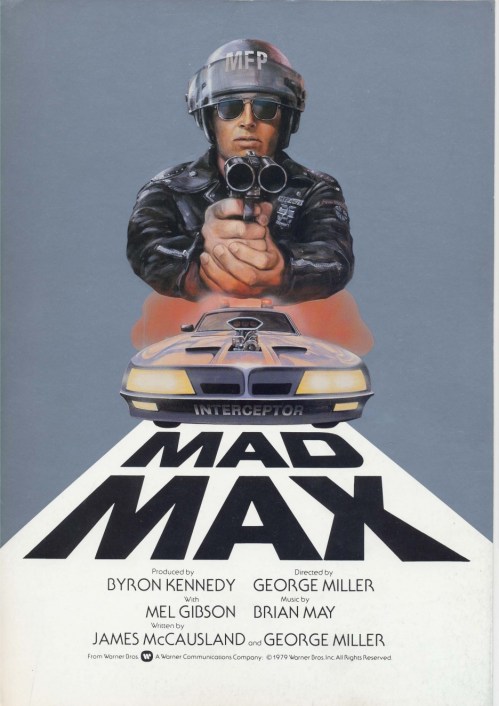
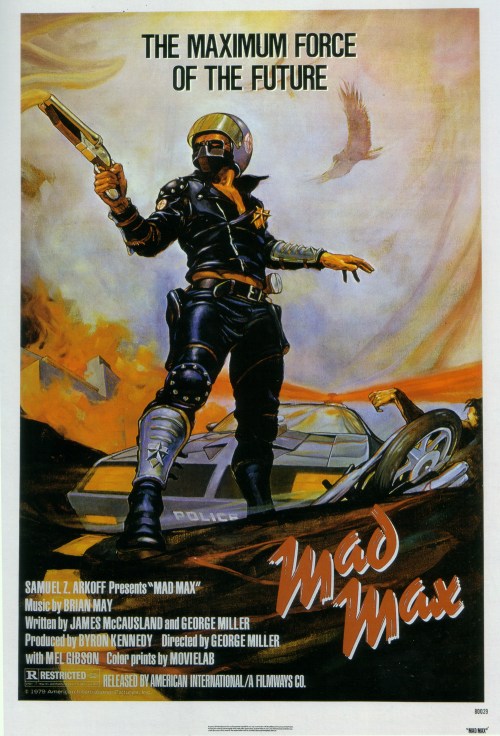
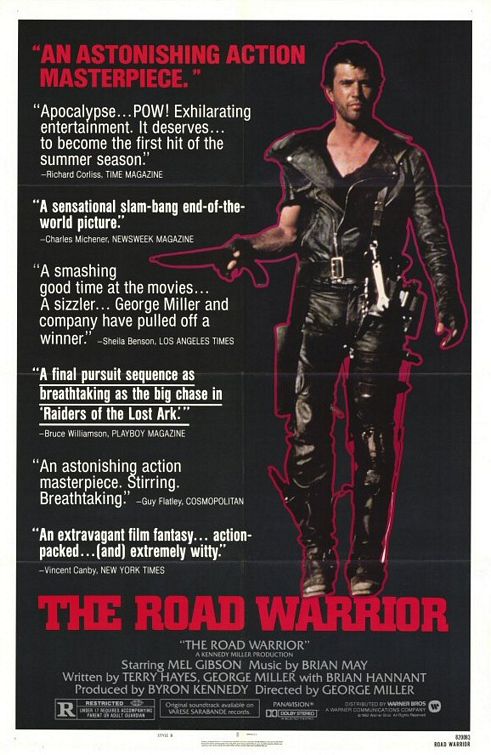
In the not so distant future where lawlessness is the norm motorbike gangs terrorize the Australian countryside and it’s up to highwayman known as the Main Force Patrol (MFP) to keep them under control. When one of the officers known as Max (Mel Gibson) kills a gang member during a high-speed chase the gang’s leader named Toecutter (Hugh Keyes-Byrne) gets his revenge by having his gang member’s destroy a small town and rape a couple. He also has the youngest member of his gang named Johnny (Tim Burns) kill Max’s partner Goose (Steve Bisley) by having his car set on fire with him still inside. After Max witnesses Goose’s charred remains he quits the force, but Toecutter and his men continue their harassment by this time setting their sights on Max’s wife (Joanne Samuel) and young child.

This film, which was produced by a generally novice crew including its director who at one time worked as a doctor inside a hospital emergency room, became a worldwide cult hit that has spawned many sequels and imitations. The intent was to create a “silent movie with sound” with the emphasis more on imagery and action than dialogue or story. For the most part it succeeds quite well in this area with some excellent car chases particularly the one at the beginning and coupled with the dry barren Australian countryside, which truly does give off a strong, desolate future-type look.

The film though lacks any backstory and one spends the greater part of the first hour asking ‘Who are these people and how exactly did they get there?’ The film can still be enjoyed without it, but comes off as poorly realized and lacking any type of depth. The narrative is also just a little too simple and obvious. When the wife decides to go off to get some ice cream when Max is at the car repair place it doesn’t take a genius to figure out that she’ll bump into the marauding gang when she gets there, which of course she does. Later, she goes for a walk in a forest, but Max doesn’t go with her, or give a gun for protection even though the gang is still on the loose, which seemed like really poor judgement.

There are also times when the film pulls away from the violence a little too soon and would have been more effective had it stayed on it for a while longer. One of these moments occurs during the rape sequence and another time is when Max visits Goose in the hospital, but instead of having the camera capture Goose’s burned face, which would’ve been much more graphic and disturbing, it instead looks at Max’s widening eyes, which is cheesy and cartoonish.

The film’s biggest issue though is the music score by Brian May, which is so loud and obnoxious and borders on being a distraction. The booming orchestral sound doesn’t jive at all with the futuristic setting and seems much better suited for a 1940’s serial instead. The images would be enough to set the tone and having the blasting music added in makes it come off as heavy-handed and amateurish.

Byrne as the gang leader is distinct looking and effectively menacing although his evilness could’ve been played up even more. Sheila Florance though is a lot of fun as the elderly, gun-toting Aunt May who single-handedly tries to take down the gang with only her and her rifle. However, it’s Gibson that steals it with his young, baby-face that makes him look like a choirboy and heightens the intrigue by having such a contrasting look to the gang members and making the viewer wonder if he really can take them down or not.

mad max 2

My Rating: 7 out of 10

Released: April 12, 1979

Runtime: 1Hour 28Minutes

Rated R

Director: George Miller

Studio: Roadshow Film Distributors

Available: DVD, Blu-ray, Amazon Instant Video, YouTube

The Killing of Angel Street (1981)

killing of angel street

By Richard Winters

My Rating: 6 out of 10

4-Word Review: Their homes get demolished.

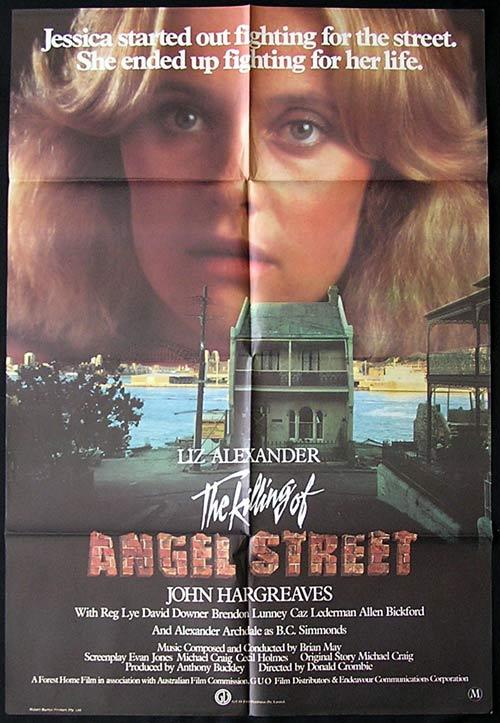
Jessica (Elizabeth Alexander) is a quiet woman who suddenly finds herself embroiled in a heated battle between homeowners and developers who want to build beachfront property on their land and tearing down their homes in the process. Jessica’s father (Alexander Archdale) is one of the homeowners whose place will be destroyed if the developers have their way. Since she has no experience in fighting these matters she employs the assistance of local union leader Elliot (John Hargreaves) to help her in her fight and the two quickly start-up a relationship, but just as they feel they are making some headway Jessica begins to get harassed by complete strangers who break into her home and threaten her life unless she agrees to back-off.

This film is based on the same real-life incident that was also the inspiration for Heatwave, which came out a year after this one. What I found so interesting is how both films took the same incident, but managed to veer into two very diametrically opposite directions with it. Heatwave viewed the situation from all different perspectives including that of the antagonist while this one only looks at the viewpoint of the lead character and uses the premise as a catalyst to what surmounts to being a basic thriller.

While I felt Heatwave was the superior film I did feel this movie was better at creating an emotional impact with the viewer. You get to know the residents better here and are more sympathetic to their cause as well as witnessing the human side and its impact. The shots of houses getting torn down is especially strong as well as the shot near the end where you see the crumbling skeletons of the buildings all in a row and looking like remnants of some sort of war zone.

The film suffers from the weak presence of its lead actress whose performance comes off as being much too rehearsed and lacks any type of spontaneity. Hargreaves, who became one of Australia’s best known lead actors, is wasted in a benign supporting role and is not seen very much. Archdale practically steals it in a touching portrait of an old man clinging to the only thing he has left, but the pronounced bags under his eyes almost becomes a distraction.

The film’s final 20 minutes are the best. This is where Jessica finds herself kidnapped and hung upside down over the side of a tall building, which is quite intense, as well as a myriad of almost surreal events where she runs into evil people and ugly situations wherever she turns including that of a humiliating and unnecessary full body search while inside the seemingly safe confines of a police station.

The story though veers way off from what actually happened making this an almost fictional account and barely related to the real Juanita Nielsen whose true-life story inspired this one. The real event had far more interesting twists and I’m not sure why neither film chose to stick to the facts and it almost begs for a talented filmmaker to come in and create a film that examines the events and people as it actually occurred.

My Rating: 6 out of 10

Released: October 1, 1981

Runtime: 1Hour 35Minutes

Not Rated

Director: Donald Crombie

Studio: Forest Hill Films

Available: VHS